
Main Courses
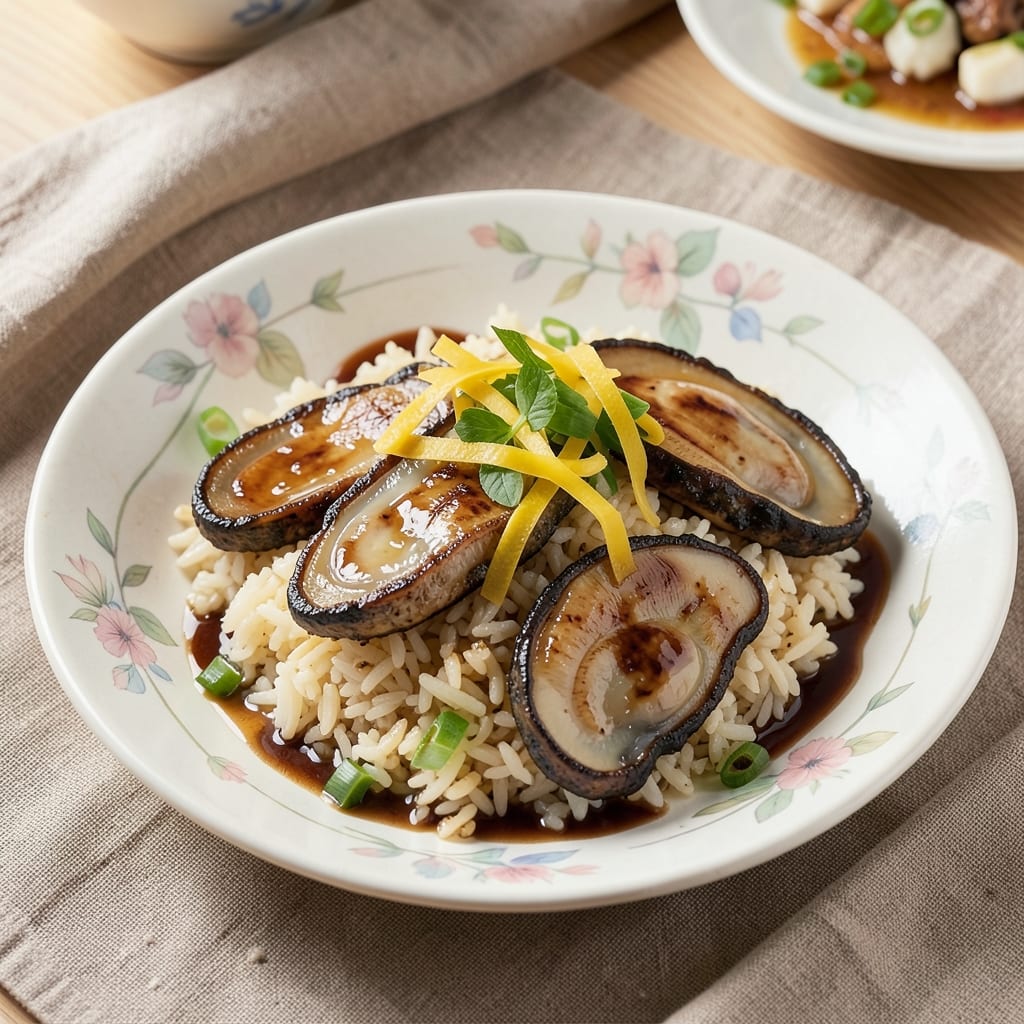
Abalone rice transforms a simple meal into a luxurious seafood experience that feels like a Michelin-starred dinner. The secret lies in perfectly seared abalone—crispy on the outside, tender within—paired with fragrant jasmine rice that soaks up every savory note. I've refined this recipe over years of testing, balancing restaurant-quality techniques with home-cook simplicity.
The abalone starts with a quick sear in a hot pan, locking in moisture while building a golden crust that delivers that signature umami depth. Meanwhile, the rice cooks in a light broth infused with ginger and scallions, enhancing its natural fragrance without overpowering the delicate seafood. Together, they create a dish that's elegant yet approachable—ideal for special occasions or when you want to impress.
What you'll end up with is a plate where each bite delivers contrasting textures: the crispy abalone against the buttery, slightly sticky rice. The aroma alone—warm jasmine with a hint of seared seafood—will have everyone at the table anticipating the first forkful. This is comfort food elevated to fine dining standards.
Serve with a side of steamed bok choy or a crisp cucumber salad to balance the richness, and garnish with sliced green onions for freshness. The full recipe delivers restaurant-quality results in under an hour, with minimal prep and maximum flavor impact. Let's get cooking!
Ingredients for abalone rice
Luxurious seafood meets delicate jasmine fragrance in this restaurant-worthy abalone rice.
| Ingredient | Amount | Notes |
|---|---|---|
| Abalone 🦪 | 4 whole | Fresh, cleaned, dried thoroughly |
| Jasmine Rice 🍚 | 1 ½ cups | Uncooked, long-grain preferred |
| Fresh Ginger 🧄 | 1 tbsp | Finely grated, aromatic |
| Green Onions 🧅 | 3 whole | Thinly sliced, white and green parts |
| Sesame Oil 🫒 | 1 tbsp | Toasted, for aroma |
| Soy Sauce 🍶 | ½ cup | Light or all-purpose |
| Mirin 🍶 | ¼ cup | Sweet rice wine |
| Dashi Stock 💧 | 1 cup | Homemade or quality brand |
| Vegetable Oil 🫒 | 2 tbsp | High smoke point |
| Salt 🧂 | 1 ½ tsp | Kosher or sea salt |
| Black Pepper 🌶️ | ½ tsp | Freshly cracked |
| Sesame Seeds 🌾 | 1 tbsp | Toasted, for garnish |
| Lemon 🍋 | 1 whole | Juiced, for brightness |
The abalone makes or breaks this dish—freshness is non-negotiable. Look for plump, glossy abalone at high-end seafood markets or specialty Asian grocers like H Mart. They should smell briny but not fishy. If you can't find fresh, frozen works (thaw overnight in the fridge). The size matters too—aim for 4 pieces roughly 3-4 inches each. For extra insurance, pat them dry with paper towels before searing to ensure that perfect crust. I always buy mine from Whole Foods when I'm craving this recipe—they keep them on ice until checkout.
No mirin? Substitute with 1 tbsp sugar plus 1 tbsp dry sherry—it won't be identical but works in a pinch. The dashi stock is crucial for that umami depth, but vegetable broth with a dash of kombu powder gets you close. Sesame oil can be swapped for regular vegetable oil, but you'll lose that nutty aroma (worth hunting down at Trader Joe's if you don't have it). For the rice, jasmine is ideal, but long-grain white rice works fine. Just don't use basmati—it lacks the necessary stickiness. The green onions? If you've got them, use the whole thing. If not, scallions or chives add similar freshness.
Abalone cooks in minutes—don't overdo it. The rice keeps perfectly for 2 days in the fridge, but the abalone is best eaten fresh. Store the cooked rice in an airtight container with a damp paper towel to maintain moisture. For leftovers, reheat gently with a splash of water—microwaving makes it dry. I always make extra rice because it reheats beautifully, while the abalone is best enjoyed immediately. Garnish with sesame seeds right before serving—they toast in seconds and add that final restaurant-quality touch.
Why You'll Love This Recipe
- One-Pot Magic: I swear by this recipe when I’m too tired to deal with multiple pans. Just sear the abalone, toss in the rice and broth, and let it simmer—no stirring, no stress, no mess. The rice soaks up all those rich abalone juices, turning into something that tastes like it simmered for hours.
- Umami Bomb: That first bite of tender abalone with the bright, crisp green onions and a whisper of ginger? It’s like a flavor explosion in your mouth. The sesame oil ties everything together with this nutty, toasty finish that makes it taste restaurant-quality—not just something you threw together.
- Weeknight to Dinner Party: Serve this with a simple side salad and you’ve got a meal that works for both lazy Tuesdays and impressing in-laws. Honestly, the abalone feels fancy, but the prep is so straightforward even my college-aged kid could handle it. Just adjust the rice-to-abalone ratio if you’re feeding a crowd.
- Leftovers That Don’t Suck: Most rice dishes turn into sad, dry glue the next day, but not this one. The abalone keeps it moist, and the ginger adds a fresh kick that makes reheated portions taste like they’re fresh off the stove. I’ve had this for lunch three days in a row—no complaints, just seconds.
Step-by-step instructions for abalone rice
Here's how to transform delicate abalone into restaurant-worthy seared perfection paired with fragrant jasmine rice.
Prepare the Abalone for Searing
Pat each of the 4 whole abalone thoroughly with paper towels to remove all moisture. This step is crucial—any remaining water will prevent proper searing. Place the abalone on a cutting board with the concave side up. Using a sharp chef's knife, carefully score the abalone in a crosshatch pattern, being careful not to cut all the way through. This creates a textured surface that will crisp beautifully while allowing the interior to remain tender.
In a small bowl, combine the 0.5 cup soy sauce, 0.25 cup mirin, and 1 tbsp sesame oil. Brush this mixture generously over both sides of each abalone piece. Let them marinate for 10 minutes at room temperature while you prepare the rice. This marinade will infuse the abalone with deep umami flavor and help create that signature glossy sheen when seared.
Cook the Jasmine Rice to Al Dente Perfection
Rinse the 1.5 cups jasmine rice under cold water until the water runs clear, then drain well. In a medium saucepan, combine the rinsed rice with 1 cup dashi stock, 1 tbsp finely grated fresh ginger, and 1.5 tsp salt. Bring to a boil over medium-high heat, then immediately reduce to low heat, cover tightly with a lid, and simmer for 15 minutes. Do not peek or stir during this time—this steaming method ensures each grain absorbs flavor evenly.
After 15 minutes, turn off the heat and let the rice steam undisturbed for an additional 10 minutes. The residual heat will finish cooking the rice perfectly. Fluff gently with a fork, then transfer to a serving bowl. The rice should be tender but still have a slight bite—this is the ideal al dente texture that pairs beautifully with the abalone.
Sear the Abalone to Golden Perfection
Heat 2 tbsp vegetable oil in a large skillet over medium-high heat until shimmering. Working in batches to avoid crowding, add the abalone pieces with the scored sides down. Sear for 2-3 minutes until the edges develop a deep golden-brown crust. You'll know it's ready when you see caramelized spots forming and the abalone releases easily from the pan.
Flip each piece and sear the other side for an additional 2-3 minutes. The interior should remain slightly translucent with a hint of pink—overcooking will make the abalone tough. Remove from heat and let rest for 2 minutes before slicing. The residual heat will carry through the cooking process, ensuring perfect doneness throughout.
Assemble and Finish with Bright Aromatics
Slice each abalone piece into 8 equal wedges and arrange them fanned out over the steaming jasmine rice. Drizzle with any remaining marinade from the skillet. Thinly slice the 3 whole green onions and scatter them evenly over the top, reserving a few slices for garnish. Sprinkle with 0.5 tsp freshly cracked black pepper and 1 tbsp toasted sesame seeds.
Finally, cut the 1 whole lemon in half and squeeze generous juice over the abalone and rice. The bright acidity cuts through the richness of the abalone and rice, balancing the dish perfectly. Garnish with the reserved green onion slices and serve immediately while the abalone is still warm and the rice maintains its delicate texture.
Pro Tips For Making Abalone Rice
- Parboil Abalone First: Don’t skip this step—abalone needs a 3-4 minute head start in boiling water to soften before searing. I learned this the hard way when my first batch turned out chewy; the parboil loosens the texture so it absorbs flavors like a dream. ---
- Use Thin Ginger Slices: Skip the minced ginger—thin, 1/8-inch slices add aroma without overpowering. Toss them in with the rice halfway through cooking; they’ll infuse the grains without turning the dish into a ginger stew. ---
- Don’t Overcrowd the Pan: Abalone releases oil like crazy when seared. If you pile it in, you’ll steam instead of brown. Work in batches—two pieces at a time max—so they get that golden crust that makes the dish sing. ---
- Finish with Cold Rice: I used to serve abalone rice piping hot, but the grains turn mushy. Let the rice cool for 10 minutes after cooking, then fluff with a fork and drizzle sesame oil right before serving—keeps it light and separate.
Serving suggestions for this recipe
Garnish Like a Pro
Toast 1 tbsp sesame seeds in a dry skillet over medium heat for 30 seconds until golden and fragrant. Sprinkle them over the finished dish just before serving—they add a nutty crunch that contrasts beautifully with the buttery rice. I also love adding thinly sliced scallions in a circular pattern around the abalone for visual appeal. 🌟
Side Dish Balance
Steamed bok choy with a splash of soy sauce and sesame oil makes an excellent side—its mild bitterness complements the abalone's richness. For something lighter, try a cucumber salad with rice vinegar, sugar, and chili flakes. Both options help cut through the dish's richness while adding freshness. 🥬
Sauce Elevations
Drizzle with 1 tbsp chili oil for heat lovers, or add a spoonful of yuzu kosho for a citrusy kick. I also recommend a side of miso soup—its umami depth enhances the abalone's natural flavors without overpowering. The soup's broth can also be used to reheat leftovers beautifully. 🍜
Presentation Tips
Use a wooden serving board for rustic elegance or a white ceramic platter for clean sophistication. Arrange the abalone slices in a circular pattern over the rice, then fan out the green onions like petals. A final squeeze of lemon right at the table adds that restaurant-quality finish. 💫
Wine Pairings
A crisp Sauvignon Blanc from New Zealand balances the dish's richness with its citrus notes. For red wine lovers, a Pinot Noir with bright acidity works beautifully. I also enjoy a dry Sake like Dassai—its clean finish complements the abalone's delicate flavor. 🍷
Leftovers Strategy
Store the rice portion separately in an airtight container for up to 2 days. Reheat the abalone separately in a skillet over medium heat for 1-2 minutes to restore its crispiness. Add a splash of water to the rice when reheating to prevent drying. This method keeps both components restaurant-quality. ⏰
Nutrition facts
Frequently asked questions
Can I substitute fresh abalone with frozen for this recipe?
Yes, but thaw it properly first! Place frozen abalone in the refrigerator overnight (about 12 hours) for even thawing. Never microwave—it can make the texture rubbery. Pat thoroughly dry before scoring and searing to ensure that perfect crispy crust. Frozen abalone works just as well as fresh in this recipe!
What if I don't have mirin? What's the best substitute?
Mix 1 tbsp sugar with 1 tbsp dry sherry for a close substitute. The sugar mimics mirin's sweetness while the sherry adds depth. For extra umami, add ½ tsp soy sauce to the mix. This combo won't be identical but works beautifully in the marinade.
How do I know when the abalone is perfectly cooked?
The abalone is done when the edges are deep golden-brown and the interior remains slightly translucent with a hint of pink (2-3 minutes per side). Overcooking turns it tough—remove from heat when it releases easily from the pan. Let it rest 2 minutes before slicing to retain juices.
Can I make this dish ahead of time?
Cook the rice and abalone separately, then store them in airtight containers. Reheat the rice with a splash of water and the abalone in a skillet for 1-2 minutes to restore crispiness. The abalone is best enjoyed fresh, but the rice keeps well for 2 days. Assemble just before serving for maximum flavor impact.
What's the best way to score the abalone for texture?
Use a sharp knife to make shallow crosshatch cuts (about ¼-inch deep) on the concave side. This creates surface area for crispiness while keeping the interior tender. Work gently—don't cut all the way through, or the abalone will fall apart during cooking.