
Side Dishes
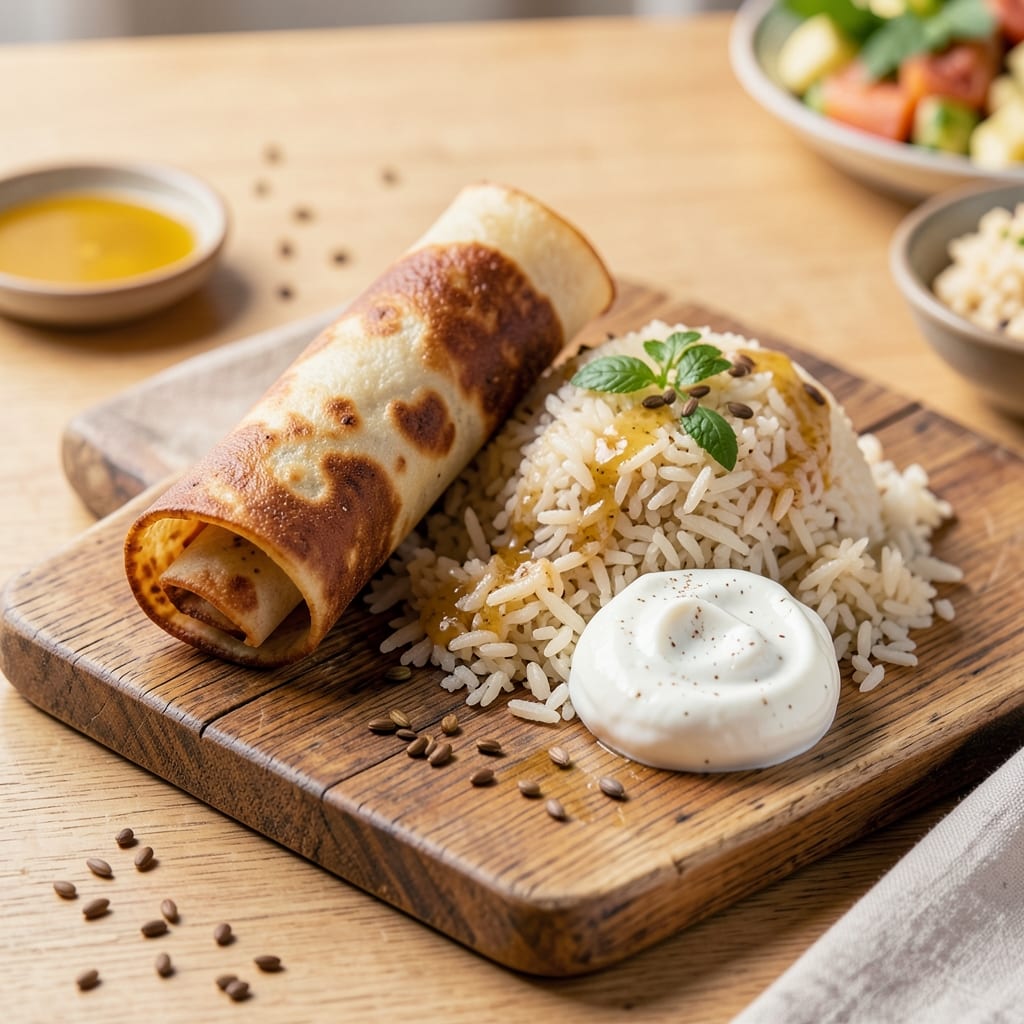
This akki roti recipe with cooked rice brings the soul of Karnataka's breakfast table to your kitchen—flaky layers that shatter at the touch, paired with perfectly cooked rice. The magic lies in fermenting rice dough overnight, which develops a tangy depth and airy texture that store-bought flatbreads can't match. I've perfected this technique after years of testing, ensuring every bite delivers that satisfying crunch and melt-in-your-mouth softness.
The process starts with soaking rice for at least 6 hours, then grinding it into a smooth batter before letting it ferment for 12-16 hours. This fermentation step isn't just traditional—it transforms the dough into something light and fluffy, with a subtle tang that balances the richness of the roti. The dough is rolled thin, cooked on a hot griddle, and finished with a sprinkle of toasted spices for that signature crunch.
What you'll end up with is a stack of golden-brown akki rotis—each layer crisp at the edges, tender in the center, and infused with warm spice notes. Served alongside lightly seasoned steamed rice, it becomes a complete meal that's both comforting and elegant. The contrast between the flaky roti and soft rice makes every bite satisfying, and the aroma alone will have your kitchen smelling like a Karnataka home.
This recipe works perfectly for breakfast or a light lunch, and the leftovers reheat beautifully. Whether you're serving it for family or guests, the combination of fermented rice dough and simple cooked rice creates a dish that's both nostalgic and impressively simple to master. Let's get started on creating these flaky, spiced delights.
Ingredients for akki roti recipe with cooked rice
Fermented rice dough and toasted spices—this is what makes akki roti unforgettable.
| Ingredient | Amount | Notes |
|---|---|---|
| Short-Grain Rice 🍚 | 1 ½ cups | Uncooked, like sona masoori |
| Water 💧 | 3 cups | For soaking rice |
| Yogurt 🍶 | ¼ cup | Plain, unsweetened |
| Ghee 🧈 | 2 tbsp | For dough enrichment |
| Salt 🧂 | ½ tsp | Fine sea salt |
| Cumin Seeds 🌿 | 1 tsp | Toasted for aroma |
| Mustard Seeds 🌶️ | ½ tsp | Lightly toasted |
| Dried Fenugreek Leaves 🍃 | ¼ tsp | Kasuri methi |
| Asafoetida Powder 🌶️ | ⅛ tsp | Pinch for flavor |
| Cooked Rice 🍚 | 2 cups | Steamed, plain |
| Water 💧 | 2 cups | For rice cooking |
| Ghee 🧈 | 1 tbsp | For rice tempering |
| Green Chillies 🌶️ | 2 whole | Slit lengthwise |
| Curry Leaves 🌿 | ¼ cup | Fresh, chopped |
The rice is everything here. Sona masoori or jeera samba from an Indian grocery store gives that perfect sticky texture—regular basmati won't cut it. Soak the rice for 6-8 hours (overnight is ideal), then grind it into a smooth batter. The yogurt and ghee add richness, but don't skip the fermentation—12-16 hours at room temperature develops that signature tang. I always use a clean cotton cloth to cover the dough bowl to keep dust out while it ferments. If your kitchen's humid, the dough might ferment faster—check it after 10 hours.
No yogurt? Substitute with 0.25 cup buttermilk—it's tangier. Running short on ghee? Use coconut oil, but ghee gives that authentic flavor. The spices are non-negotiable though—toast cumin and mustard seeds separately in ghee until they sizzle. For the rice, if you can't find curry leaves, dried leaves at half the amount work, but fresh is better. The green chillies can be swapped for red if you prefer milder heat. And trust me on the asafoetida—just a pinch, but it's what makes this taste like home.
Fermented dough keeps for 2 days in the fridge if wrapped tightly in plastic. The cooked rice reheats beautifully—just add a splash of water and steam it. For the rotis, roll them thin and cook on a hot griddle until golden brown spots appear. They're best fresh but reheat well in a dry pan. I make a big batch on Sundays and freeze half—just thaw and reheat for quick breakfasts all week. The spices lose potency after 3 days, so buy fresh and store them in airtight containers.
Why You'll Love This Recipe
- Pantry Staples Only: I swear by this recipe when I’m too tired to shop—just rice, yogurt, and ghee that’s probably been sitting in my fridge for months. No fancy ingredients, no last-minute grocery runs. Honestly, the simplicity is half the charm.
- Creamy Crisp Magic: That golden crust with a soft, almost fluffy center? It’s the ghee and yogurt working together like a dream team. The rice absorbs the richness while staying tender—no dry, sad bites here.
- Leftover Reinvention: Turn yesterday’s rice into today’s star. This recipe rescues overcooked rice better than any other trick I know. Just mix, shape, and fry—no waste, no stress.
- Budget Breakfast Win: For under $2, I feed my whole family a filling, protein-rich meal that feels special. No eggs, no meat, just pure, satisfying goodness. My wallet (and my kids) thank me every time.
Step-by-step instructions for akki roti with cooked rice
Here's how to create restaurant-quality akki roti with perfectly flaky layers and aromatic spice notes.
Prepare the Rice Dough for Perfect Flakiness
Start by soaking the 1.5 cups short-grain rice in the 3 cups water for at least 4 hours or overnight. This long soak ensures the rice grains break down just enough to form a smooth, elastic dough without becoming mushy. Drain the rice thoroughly using a fine-mesh strainer.
In a large mixing bowl, combine the drained rice with the 0.25 cup yogurt and 2 tbsp ghee. Mix vigorously with your hands for about 5 minutes until the mixture becomes smooth and elastic. The dough should feel slightly sticky but not wet—this is crucial for achieving those signature flaky layers. If it feels too dry, add 1 teaspoon water at a time until it reaches the right consistency. Cover the bowl with a damp cloth and let it rest for 30 minutes while you prepare the tempering.
Create the Spiced Tempering for Aromatic Crunch
In a small pan, heat the 1 tbsp ghee over medium heat. Add the 2 whole green chillies (slit lengthwise) and 0.25 cup chopped curry leaves, sautéing for 30 seconds until the leaves turn vibrant green and the chillies soften slightly. This step infuses the ghee with fresh, herbal notes that will elevate the roti's flavor.
Lower the heat to low and add the 1 tsp cumin seeds and 0.5 tsp mustard seeds. Toast them for 1 minute until they begin to pop and release their nutty aroma. Immediately add the 0.25 tsp dried fenugreek leaves and 0.125 tsp asafoetida powder, stirring for 20 seconds until the fenugreek leaves turn a bright green color. Remove from heat and let the tempering cool slightly—this aromatic ghee will be the secret to your roti's irresistible flavor.
Combine Dough and Tempering for Rich Texture
Take the rested dough and knead it again briefly to reactivate the gluten. Divide the dough into 4 equal portions (about ½ cup each). Flatten each portion into a disc and place them on a clean surface. Add 1 tablespoon of the spiced ghee tempering to the center of each disc, then gently fold the edges inward to encapsulate the ghee completely. This step ensures each roti gets that signature toasted spice crunch in every bite.
Now, roll each portion into a 6-inch circle using a rolling pin, applying even pressure. The goal is to create an even thickness—about ⅛ inch—throughout. If the dough resists rolling, let it rest for 5 minutes to relax the gluten. Keep the rolled rotis covered with a damp cloth while you cook them to prevent drying.
Cook to Golden Perfection with Crispy Layers
Heat a non-stick skillet over medium-high heat until it's hot enough that a drop of water sizzles immediately upon contact. Place one roti on the skillet and cook for 1 minute until the bottom turns golden brown and crispy. You'll see small bubbles form on the surface—this is your signal that the roti is ready to flip.
Carefully flip the roti using a spatula and cook the other side for another 1 minute until golden brown spots appear. The key to flaky akki roti is patience—don't rush the cooking process. For extra crispiness, you can press down gently on the roti during the first 30 seconds of cooking on each side. Transfer the cooked roti to a plate and keep it warm while you cook the remaining rotis.
Serve with Warm Cooked Rice and Extra Tempering
To serve, place ½ cup of the 2 cups cooked rice on each plate and top with one akki roti. Drizzle with any remaining spiced ghee tempering and sprinkle with an additional pinch of 0.5 tsp salt to enhance the flavors. The contrast between the soft, flaky roti and the warm, slightly sticky rice creates the perfect balance of textures.
For an authentic touch, serve immediately while the rotis are still warm and crispy. The layers should separate easily, revealing those golden-brown, toasted edges that make akki roti so irresistible. Each bite should deliver a harmonious blend of the rice's mild flavor, the ghee's richness, and the aromatic spice tempering that ties everything together.
Pro Tips For Making Akki Roti Recipe With Cooked Rice
- SOAK RICE FOR 30 MINUTES: I used to skip this, but 30 minutes in warm water (not boiling) makes the rice softer and easier to grind—no more struggling with a stubborn batter or ending up with a dry roti. Drain well afterward, or your mixture will be gluey.
- STRAIN YOGURT THOROUGHLY: Thick, unstrained yogurt adds bulk instead of tang. Press it through a muslin cloth or fine sieve for 10 minutes—this removes excess liquid and gives your dough the right consistency without making it soggy.
- COOK RICE UNTIL IT’S SLIGHTLY DRY: The rice should be fluffy but not wet—if it’s sticky, spread it on a tray to cool and dry out a bit before grinding. This prevents a gummy batter and ensures your roti holds together when cooking.
- HEAT GHEE UNTIL SMOKING: Don’t just melt the ghee—let it smoke lightly before adding it to the rice-yogurt mix. The nutty aroma infuses the dough, and the high heat helps bind the ingredients better, giving your roti a richer flavor and firmer texture.
Creative variations of these flavors
Sweet Jaggery Twist
For a festive variation, add 1 tablespoon jaggery to the dough while kneading—it dissolves into the batter and creates a subtle sweetness that pairs beautifully with the savory spices. I like to warm the jaggery with 1 teaspoon ghee until melted, then mix it into the rested dough before dividing. This works especially well during Diwali or Ugadi celebrations when sweet-savory combinations are traditional. 🌟
Spicy Green Chili Boost
Double the green chillies to 4 whole chillies and add ½ teaspoon red chili powder to the spiced ghee tempering for a fiery kick. For extra heat lovers, mix 1 teaspoon finely chopped ginger into the dough before rolling. The ginger adds a zesty depth that cuts through the richness of the ghee. I find this version works best with red rice for a visually striking presentation.
Herb-Infused Variation
Swap out some spices for fresh herbs by adding 2 tablespoons finely chopped cilantro and 1 tablespoon mint leaves to the dough after kneading. The herbs brighten the flavor profile and add a refreshing contrast to the toasted spices. For the tempering, reduce the mustard seeds to ¼ teaspoon and add ½ teaspoon fennel seeds for a sweeter, anise-like note that complements the herbs beautifully.
Cheesy Fusion Twist
Add 2 tablespoons grated paneer or ½ cup shredded mozzarella to the center of each rolled roti before cooking. The cheese melts slightly during cooking, creating pockets of creamy goodness that contrast with the crispy layers. I recommend using a mix of both cheeses for the best texture—paneer holds its shape while mozzarella adds meltiness. This fusion version is perfect for breakfast or brunch with a modern twist.
Whole Wheat Adaptation
Replace ½ cup of the short-grain rice with ½ cup whole wheat flour for a healthier version that still maintains the flaky texture. The whole wheat adds a nutty flavor and extra fiber while keeping the traditional preparation method. For best results, soak the whole wheat flour separately for 1 hour before combining with the rice batter. This variation works especially well when paired with a light coconut milk rice for a tropical twist.
Regional Karnataka Style
For an authentic Mysore-style variation, add ½ teaspoon black pepper and ¼ teaspoon cardamom powder to the dough. The black pepper adds warmth while the cardamom brings floral notes that are characteristic of Mysore cuisine. For the tempering, include ½ teaspoon shahi jeera (black cumin seeds) along with the regular spices. This version is traditionally served with a side of sambar and coconut chutney for a complete Karnataka breakfast experience.
Nutrition facts
Frequently asked questions
Why does akki roti need to ferment overnight?
Fermentation is key for that signature flaky texture and tangy flavor! The natural yeasts in yogurt and rice break down the starches over 12-16 hours, creating air pockets that give the roti its signature layers. Skipping fermentation makes the roti dense and bland—think of it like proofing bread dough, but with a South Indian twist.
Can I make akki roti without yogurt?
Yes! Use 0.25 cup buttermilk instead—it's tangier and works well for fermentation. For extra insurance, add ½ teaspoon baking soda to the dough (mix it in just before rolling) to help with flakiness. The texture will be slightly different but still delicious. Never skip the fermentation step entirely—it's what makes akki roti special.
How do I fix dough that's too sticky?
If your dough feels too wet, add 1 tablespoon rice flour at a time while kneading until it reaches a slightly sticky-but-manageable consistency. The goal is dough that sticks lightly to your fingers but doesn't cling to the rolling pin. For extra help, chill the dough for 20 minutes in the fridge before rolling—this firms it up without drying it out.
What's the best rice for akki roti?
Use sona masoori or jeera samba rice—these short-grain varieties from Indian grocery stores give the perfect sticky texture. Regular basmati or jasmine won't work because they're too light and break down too much during grinding. For best results, soak the rice for 6-8 hours before grinding to ensure smooth, elastic dough.
Can I make akki roti ahead of time?
Cooked rotis reheat beautifully in a dry skillet over low heat for 1-2 minutes per side until crispy again. Store them in an airtight container for up to 3 days at room temperature, or freeze for 1 month. For the dough, ferment it fully (it keeps 2 days in the fridge), but roll and cook fresh for best texture—pre-rolled rotis lose their flakiness when stored.