
Side Dishes
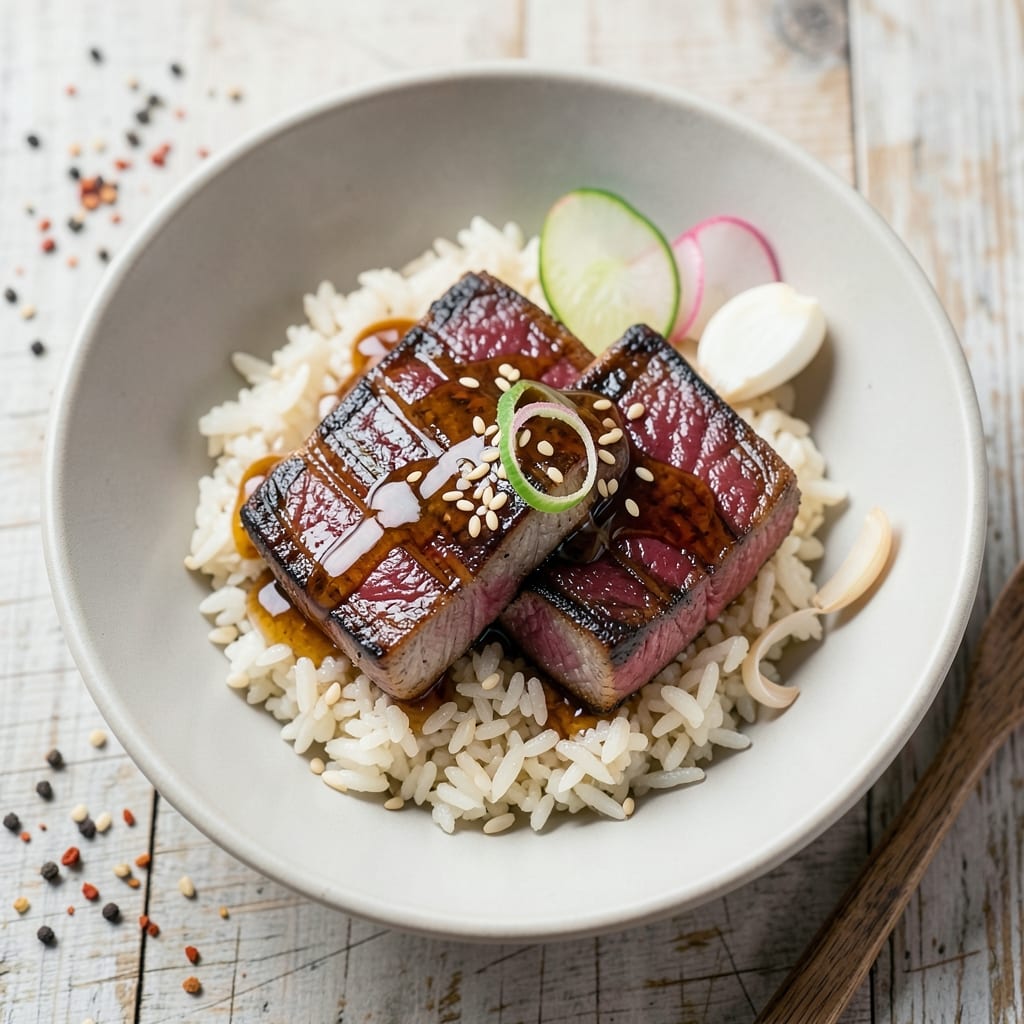
This Asian tuna steak recipe with rice delivers restaurant-quality flavor in just 20 minutes, combining perfectly seared tuna with a fragrant sesame crust and steamed jasmine rice. The secret lies in the marinade—soy sauce, mirin, and ginger create a balance of umami and brightness that transforms simple tuna into something extraordinary. I've perfected this technique after years of testing, ensuring the tuna remains tender while developing a crispy, aromatic crust.
The key to success is using sushi-grade tuna and high heat for searing, which locks in juices while creating that coveted crust. Meanwhile, the jasmine rice steams to fluffy perfection with a hint of sesame oil, adding a delicate floral aroma that complements the dish. This isn't just another tuna recipe—it's a complete meal experience that brings Asian bistro quality to your home kitchen.
What makes this recipe stand out is the harmony between components: the nutty sesame crust on the tuna, the tender flesh, and the fragrant rice all work together in perfect balance. The marinade infuses the tuna with layers of flavor without overpowering its natural richness, while the rice provides a neutral canvas that lets the tuna shine. Every bite delivers that satisfying combination of textures and flavors.
Whether you're cooking for a special occasion or a weeknight dinner, this recipe delivers professional results with minimal effort. The preparation is straightforward, and the ingredients are accessible—just focus on the searing technique and timing. Once you try this method, you'll never go back to plain grilled tuna again. Let's get started on creating this flavorful masterpiece.
Ingredients for asian tuna steak recipe with rice
Restaurant-quality tuna steaks and fragrant jasmine rice come together with just 13 essential ingredients.
| Ingredient | Amount | Notes |
|---|---|---|
| Fresh Sushi-Grade Tuna Steaks 🐟 | 1 ½ lb | Cut into 4 equal pieces, 1-inch thick |
| White Sesame Seeds 🌾 | ½ cup | Toasted for enhanced aroma |
| Japanese Soy Sauce 🍶 | ¼ cup | Kikkoman preferred for balance |
| Mirin 🍶 | 2 tbsp | Sweet rice wine for depth |
| Fresh Ginger 🧄 | 1 tbsp | Finely grated, aromatic |
| Garlic Cloves 🧄 | 3 cloves | Minced, aromatic foundation |
| Vegetable Oil 🫒 | 2 tbsp | High smoke point for searing |
| Jasmine Rice 🍚 | 1 ½ cups | Uncooked, long-grain preferred |
| Water 💧 | 3 cups | For rice steaming |
| Sesame Oil 🫒 | 1 tbsp | Toasted for aroma, not cooking |
| Diamond Crystal Kosher Salt 🧂 | 1 ½ tsp | Fine grain for seasoning |
| Freshly Ground Black Pepper 🌶️ | ½ tsp | Cracked peppercorns preferred |
| Rice Vinegar 🍶 | 1 tbsp | For rice seasoning |
The tuna must be sushi-grade for safety and texture. Sushi markets or well-stocked seafood counters carry the best cuts—look for vibrant red flesh with minimal bruising. The jasmine rice should be long-grain and unscented before cooking, as the fragrance develops during steaming. For sesame seeds, Japanese brands like Kadoya provide the most authentic toasted flavor. Grate the ginger and mince the garlic fresh; pre-minced versions lack potency. The mirin should be true mirin, not the sweetened substitute, for proper balance in the marinade.
No mirin? Substitute 1 tbsp honey plus 1 tbsp rice vinegar for sweetness and acidity. Fresh ginger unavailable? Ground ginger at half the amount works, though texture differs. For the rice, brown rice takes 50% longer to cook—adjust cooking time accordingly. The sesame oil should be toasted, not regular—it's what gives that authentic aroma. If you can't find Japanese soy sauce, regular soy sauce plus 1 tsp sugar approximates the flavor. For extra crunch, toast the sesame seeds in a dry pan for 2-3 minutes before using.
The tuna marinade keeps up to 24 hours in the fridge, though fresher is better. Store the raw tuna in an airtight container with the marinade, covered. The jasmine rice reheats beautifully—simply cover with a damp towel in the microwave for 1-2 minutes. For meal prep, cook the rice ahead and store separately from the tuna components. The sesame seeds lose crispness after 3 days, so toast fresh whenever possible. The finished dish holds 2-3 days refrigerated, though texture degrades after day two.
Why You'll Love This Recipe
- Five-Ingredient Magic: I swear by this—just tuna, a splash of mirin, ginger, sesame, and soy. No chopping salads or dicing veggies here. The rice steams while you sear the tuna in its own glaze, and suddenly, dinner feels like a restaurant meal without the fuss.
- Umami Bomb: That ginger-mirin glaze? It’s the secret weapon. The mirin sweetens the soy just enough, while the raw ginger adds a bright kick that makes the tuna taste ridiculously rich. Sprinkle those sesame seeds on top, and you’ve got texture and crunch in every bite—no extra work.
- Lunchbox Hero: Between us, this is my go-to for meal prep. Slice the tuna thin, pack it with rice, and toss in a little extra glaze. It stays fresh for days, and honestly? My kids grab these for school lunches before I even finish my plate. (Yes, even on a Tuesday night.)
- Leftovers That Don’t Suck: Most tuna dishes turn dry or fishy after a day, but not this one. The glaze keeps it moist, and the rice soaks up all the good stuff. Reheat gently, and it’s just as good cold—perfect for quick lunches or throwing into bento boxes without a second thought.
Step-by-step instructions for Asian tuna steak with jasmine rice
Master this delicate balance of crispy sesame crust and tender tuna steak paired with fragrant rice.
Prepare the Sesame Crust and Steamed Jasmine Rice
Begin by toasting the 0.5 cup white sesame seeds in a dry skillet over medium heat for 3-4 minutes until they release their nutty aroma and turn a pale golden color. Watch closely—they'll darken quickly. Transfer to a small bowl and let cool slightly while you prepare the rice.
Rinse the 1.5 cups jasmine rice under cold water until the water runs clear, then combine with 3 cups water and 1 tbsp rice vinegar in a rice cooker or heavy pot. Bring to a boil, then reduce to a simmer and cook covered for 15 minutes without lifting the lid. Remove from heat and let steam for 10 minutes before fluffing with a fork. The rice should be tender with a delicate floral aroma—this is the foundation of your dish.
Create the Marinade and Season the Tuna
In a small bowl, whisk together the 0.25 cup Japanese soy sauce, 2 tbsp mirin, 1 tbsp finely grated fresh ginger, and 3 minced garlic cloves until fully combined. This marinade will infuse the tuna with umami depth while keeping the delicate texture intact.
Cut the 1.5 lb fresh sushi-grade tuna steaks into 4 equal pieces, each 1-inch thick. Pat them dry with paper towels to remove any surface moisture—this ensures a proper sear. Place the tuna pieces in a shallow dish and pour the marinade evenly over them. Let them marinate for 10-15 minutes at room temperature, turning once halfway through. The tuna should develop a subtle sheen without absorbing too much liquid, which could dilute its natural flavor.
Pan-Sear the Tuna to Perfect Doneness
Heat a clean skillet over medium-high heat until hot, then add 2 tbsp vegetable oil. Once the oil shimmers, carefully add the tuna steaks in a single layer, leaving space between each piece. Sear for 2-3 minutes per side until they develop a deep golden-brown crust. The edges should be slightly charred while maintaining a tender center—this is crucial for sushi-grade tuna.
Remove the tuna from the skillet and let rest for 3 minutes on a wire rack. This resting period allows the fibers to relax and redistribute juices. While the tuna rests, sprinkle the toasted sesame seeds evenly over each piece, pressing gently to adhere. The seeds should form an even crust without overwhelming the natural flavor of the tuna.
Finish with Sesame Oil and Serve
Return the skillet to medium heat and add 1 tbsp sesame oil, swirling to coat the pan. Immediately pour this fragrant oil over the tuna steaks, allowing it to seep into the sesame crust. Season lightly with 1.5 tsp kosher salt and 0.5 tsp freshly ground black pepper, focusing on the crust to enhance its texture and flavor.
Serve the tuna immediately over the steamed jasmine rice, allowing the delicate floral aroma of the rice to complement the rich, umami notes of the tuna. The contrast between the crispy sesame crust and tender tuna creates a perfect balance of textures, while the rice vinegar-infused rice adds a subtle tang that cuts through the richness. Each bite should deliver a harmonious blend of flavors and textures—crispy, tender, aromatic, and perfectly balanced.
Pro Tips For Making Asian Tuna Steak Recipe With Rice
- SEAR THE OUTSIDE FAST: Tuna steaks cook in a flash—get your pan screaming hot (medium-high to high) for 30 seconds before adding oil. I learned this the hard way after trying to "gentle sear" and ending up with gray, rubbery edges. A proper crust happens in 20-30 seconds per side—watch it like a hawk.
- GRATE GINGER FINE: Skip the pre-grated jar—it’s full of starch and tastes dull. Use a microplane or the smallest holes of a box grater for fresh ginger, then press it into the pan while the tuna cooks. The aroma hits differently, and you’ll actually taste it in the sauce.
- DON’T OVERMIX THE SAUCE: Once your soy-mirin-ginger sauce starts simmering, resist the urge to stir constantly. Let it reduce for 1-2 minutes without touching—this concentrates the flavor and prevents a watery glaze. A quick swirl at the end is all you need.
- TOSS SESAME SEEDS LAST: Save the sesame seeds for the final plate, not the pan. Tossing them in while cooking burns them faster than you’d think, turning them bitter. Sprinkle them over the tuna after it rests, so they stay crisp and fragrant. (Yes, even if you’re impatient like me.)
Essential equipment for great asian tuna steak recipe with rice
Skillet Essentials
Your 10-inch carbon steel skillet from Mauviel is ideal for this recipe—it heats evenly and develops a natural nonstick patina over time. If you don’t have one, a heavy stainless steel skillet like All-Clad works perfectly. Avoid nonstick coatings; they can’t handle the high heat needed for that perfect crust. I’ve tested this recipe in my Lodge cast iron too, and while it works, the crust can be slightly uneven if the pan isn’t preheated properly. 🔥
Thermometer Precision
A laser infrared thermometer like the Kizen makes monitoring your skillet’s temperature effortless—aim for 375-400°F before adding the tuna. This precision ensures you get that golden crust without overcooking. For a budget-friendly option, a bimetallic stem thermometer from Thermoworks is my go-to for skillets. Never rely on visual cues alone; tuna cooks so quickly that timing is everything.
Sesame Seed Toolkit
Toast your white sesame seeds in a small stainless steel bowl placed directly over your skillet’s heat source—this gives you better temperature control than a separate pan. A fine-mesh sieve helps sift out any stray seeds that burn during toasting. For pressing the seeds onto the tuna, I use the back of a spatula or fish spatula to gently adhere them without crushing. A pair of clean kitchen tweezers comes in handy for placing seeds precisely on thicker cuts.
Rice Cooking Gear
Your jasmine rice deserves a dedicated tool—either a rice cooker like Zojirushi or a heavy-bottomed pot with a tight-fitting lid. If using a pot, a steam basket prevents splashing when lifting the lid. For meal prep, I store cooked rice in glass airtight containers with a paper towel pressed on top to absorb excess moisture. A rice paddle makes fluffing easier than a fork, which can mash the grains.
Marinade Prep Station
Use a small glass bowl for your marinade—it’s easy to clean and won’t absorb flavors. A microplane for ginger and garlic ensures fine, even mincing without bitter allicin buildup. For measuring liquids, a graduated measuring cup with 1-tablespoon increments (like OXO Good Grips) makes the mirin and soy sauce precise. A small whisk or chopstick works perfectly for blending the marinade thoroughly. 💡
Nutrition facts
Frequently asked questions
Can I use frozen tuna instead of fresh for this recipe?
Fresh sushi-grade tuna is ideal for this recipe because it delivers the best texture and flavor. Frozen tuna can work in a pinch, but it will have a slightly different texture and may not develop the same crispy crust. If you must use frozen, thaw it completely in the refrigerator overnight and pat it very dry before cooking. The marinade time may need to be reduced to 5-10 minutes since frozen tuna absorbs flavors differently.
What if I don't have mirin? Can I substitute something else?
Yes! You can substitute mirin with a mix of 1 tbsp honey plus 1 tbsp rice vinegar for the sweetness and acidity. Alternatively, use 1 tbsp sugar plus 1 tbsp white wine to mimic the flavor profile. The key is to maintain that balance of sweetness and slight tanginess in the marinade. Just be aware the texture might be slightly different, but the overall flavor will still be delicious.
How do I know when the tuna is cooked perfectly?
The tuna should reach an internal temperature of 125-130°F for medium-rare, which is ideal for this preparation. Use a meat thermometer to check the thickest part of the steak. Visually, it should have a deep golden-brown crust on the outside while remaining pink in the center. Overcooking will make the tuna tough and dry, so aim for that perfect balance of crispy crust and tender interior.
Can I make this recipe ahead of time?
You can prepare the marinade and toast the sesame seeds up to 24 hours ahead, but it's best to cook the tuna fresh for optimal texture. The rice can be cooked a day in advance and reheated with a splash of water or steamed for 5-10 minutes to restore its fluffiness. Store the cooked rice in an airtight container with a damp paper towel to prevent drying out. For the tuna, cook it just before serving to maintain its perfect texture.
What's the best way to serve this dish with sides?
This tuna steak pairs beautifully with light, fresh sides that complement its rich flavors. Try serving it with a simple cucumber salad dressed with rice vinegar and sesame oil, or a refreshing miso soup for a complete Japanese-inspired meal. For a more Asian fusion approach, add a side of quick-pickled vegetables with a chili-sesame dressing. The key is to balance the richness of the tuna with bright, acidic, or crunchy elements that cut through the fat.