
Main Courses
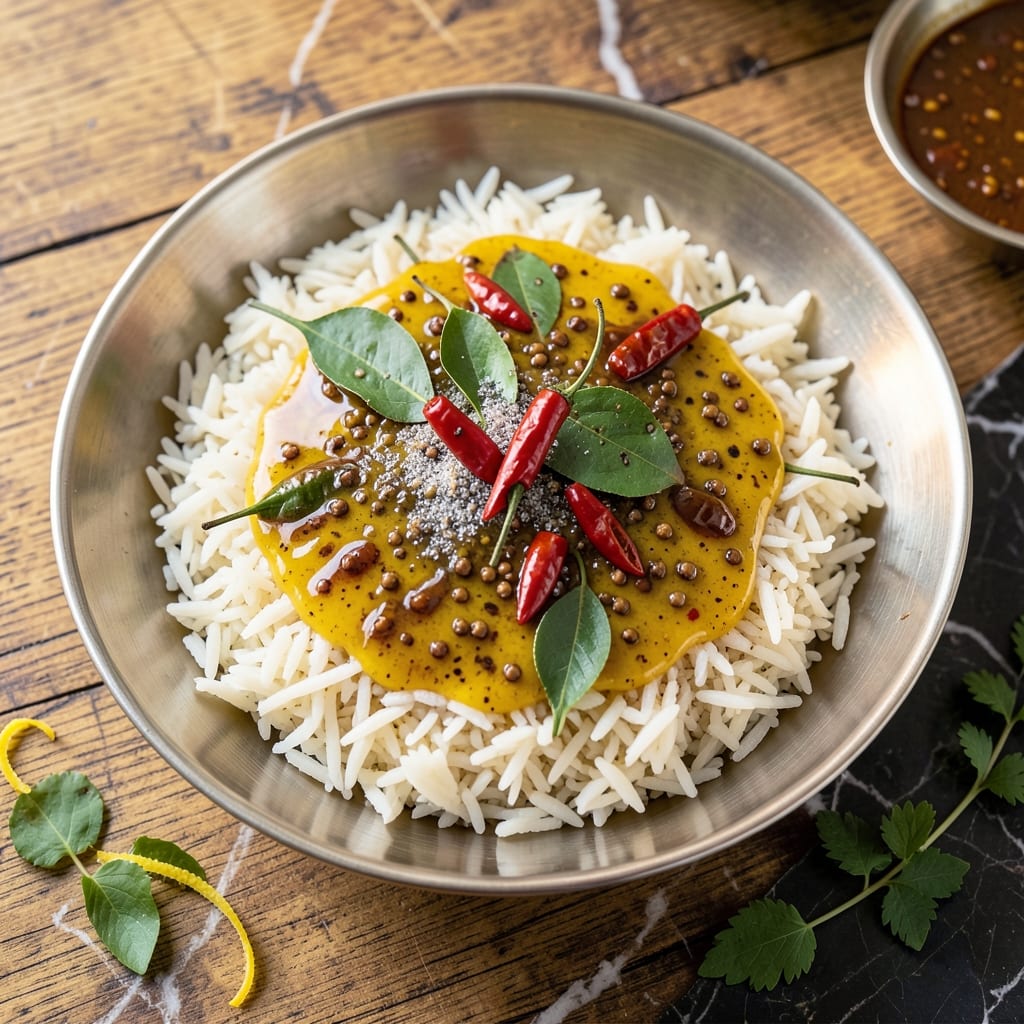
This Andhra lemon rice recipe brings the vibrant flavors of South India to your kitchen with its perfect balance of tangy tamarind, bright lemon, and aromatic mustard seeds. The dish starts with a fragrant tempering of mustard seeds, curry leaves, and red chilies, creating a symphony of textures and flavors that elevate simple rice into something extraordinary. I've perfected this recipe over years of experimenting with authentic Andhra techniques, ensuring every bite delivers that signature crunch and zesty punch.
The secret lies in the tempering—where mustard seeds are toasted to golden perfection before being combined with the tangy tamarind and lemon juice. This technique transforms ordinary rice into a dish that's both comforting and invigorating. The dish is traditionally served with sambar or curd, but it stands beautifully on its own as a complete meal. What makes this recipe special is its simplicity combined with bold flavors that transport you straight to the streets of Andhra Pradesh.
By the end, you'll have fluffy rice coated in a bright, tangy dressing that's both refreshing and satisfying. The mustard seeds add a delightful crunch, while the lemon and tamarind create a perfect balance of sweet, sour, and spicy notes. This dish is perfect for lunch or dinner, and it pairs wonderfully with yogurt or a simple salad. The aroma alone will have everyone at the table asking for seconds.
Whether you're serving this for a family meal or a special gathering, the authentic Andhra flavors will impress. The recipe is designed to be foolproof, with clear instructions that ensure you achieve that signature texture and taste. Let's get started on this zesty, flavorful dish that's sure to become a staple in your meal rotation.
Ingredients for andhra lemon rice
Zesty tamarind, toasted mustard seeds, and fragrant curry leaves—this is your shortcut to authentic Andhra flavors.
| Ingredient | Amount | Notes |
|---|---|---|
| Long-Grain White Rice 🍚 | 1 ½ cups | Uncooked, rinsed thoroughly |
| Mustard Seeds 🌿 | 2 tbsp | Whole, yellow variety preferred |
| Curry Leaves 🌿 | ¼ cup | Fresh, packed, stems removed |
| Red Chilies 🌶️ | 4 whole | Dried, slit lengthwise |
| Asafoetida Powder 🌶️ | ¼ tsp | For authentic aroma |
| Tamarind Paste 🍋 | 2 tbsp | Unsweetened, dissolved in water |
| Lemon Juice 🍋 | ½ cup | Freshly squeezed, strained |
| Salt 🧂 | 1 ½ tsp | Adjust to taste |
| Cilantro Leaves 🌿 | ¼ cup | Chopped, for garnish |
| Ghee 🧈 | 2 tbsp | For tempering |
| Green Chilies 🌶️ | 2 whole | Slit, optional for heat |
| Cumin Seeds 🌿 | ½ tsp | Toasted for depth |
| Sugar 🍬 | 1 tsp | Balances tanginess |
Mustard seeds are the star here, so don't skimp. Whole, yellow mustard seeds from an Indian grocery store (like Patel Brothers) will give you that authentic crunch and aroma. If you can only find black mustard seeds, toast them until they're fragrant but not burnt—this dish isn't the place for bitter aftertaste. Curry leaves? Fresh is non-negotiable—dried just won't cut it. Look for them in the international aisle or at a South Indian specialty store. The tamarind paste should be thick and tangy—Sambazon is my go-to brand, but any unsweetened paste will work. If yours is too sweet, add a splash of lemon juice to balance it out.
No tamarind paste? Lemon juice plus a pinch of sugar gets you close, though it won't have that exact umami depth. Running low on curry leaves? Fresh bay leaves at half the amount will add a similar earthy note, though it won't be identical. The ghee is where you can splurge if you want—Kerala or Amul brands from Indian markets have that perfect balance of richness. Short on green chilies? Substitute cayenne pepper at half the heat level, but remember—this dish is all about that bright, tangy crunch, not just spice. And if you're worried about the asafoetida (that's the 'devil's onion' powder), start with half the amount—it's potent stuff!
Rice keeps best in an airtight container for 3-4 days in the fridge, though it reheats beautifully with a splash of water. The tempering mixture (mustard seeds, curry leaves, etc.) can be made ahead and stored in the fridge for up to 3 days, but I always make a fresh batch—the aroma is just too good to wait. For serving, I like to keep the lemon juice and cilantro separate until the last minute so the rice stays bright and crisp. This dish is a crowd-pleaser that doubles well, so make extra—it's perfect for meal prep and tastes even better the next day.
Why You'll Love This Recipe
- Tangy in Minutes: That first sizzle of mustard seeds and curry leaves in hot oil? It’s over in 5 minutes—no chopping, no fuss. Just toast the spices, add the rice, and the lemon juice brightens everything up while you stir.
- Unstoppable Flavor Combo: The asafoetida and red chilies give it that deep, savory kick, but the lemon cuts through like a citrusy hug. Honestly, the balance is what makes it addictive—crispy, tangy, and just spicy enough to linger.
- Lunchbox Legend: Pack it cold or reheat it—this rice stays solid and delicious for days. I’ve sent it in my kids’ lunches (yes, even the picky eater) and it comes back untouched. The rice holds its shape, and the lemon keeps it from tasting stale.
- Pocketbook Hero: Mustard seeds, curry leaves, and rice? You’re looking at a $2 meal for four. No fancy ingredients, no waste—just pure, reliable flavor that makes it my go-to when I’m stretching a budget. (And leftovers? Even better.)
Step-by-step instructions for Andhra lemon rice
This vibrant dish delivers explosive mustard seed crunch and tangy tamarind brightness in every bite.
Prepare the Tangy Tamarind Base
In a small bowl, dissolve the 2 tbsp tamarind paste in ½ cup hot water until completely smooth. This should take about 5 minutes of gentle stirring. The mixture should resemble a thick, syrupy liquid with no visible granules. Strain through a fine-mesh sieve to remove any fibers, then whisk in the ½ cup lemon juice, 1 tsp sugar, and 1.5 tsp salt. Taste and adjust the balance between tartness and sweetness—this foundation makes all the difference.
Set the tamarind mixture aside while you prepare the rice. The acidity will brighten the dish, but don't let it sit too long or the flavors will mellow. I like to keep it at room temperature until ready to use, so the aromatics stay vibrant when we combine everything later.
Cook the Perfectly Fluffy Rice
Rinse the 1.5 cups long-grain white rice thoroughly under cold water until the water runs clear. This removes excess starch to prevent gummy rice. In a medium pot, combine the rice with 3 cups water and bring to a boil over high heat. Once boiling, reduce to low heat, cover tightly with a lid, and cook for 15 minutes without peeking.
After 15 minutes, turn off the heat and let the rice steam undisturbed for another 10 minutes. This resting period allows the rice to absorb all the moisture evenly, resulting in perfectly fluffy grains. Fluff the rice gently with a fork before transferring it to a large serving bowl. The grains should be separate and tender but not mushy.
Create the Signature Mustard Seed Tempering
In a small heavy-bottomed pan, heat 2 tbsp ghee over medium heat until it shimmers but doesn't smoke. Add the 0.5 tsp cumin seeds and let them sizzle for 30 seconds until they release their nutty aroma. Immediately add the 2 tbsp mustard seeds—they'll pop dramatically in 10-15 seconds, so watch closely.
As soon as the mustard seeds begin popping, add the 4 slit red chilies and 2 slit green chilies (if using). Stir for 30 seconds until the chilies soften slightly but retain their color. The key here is timing—the mustard seeds must pop fully while the chilies stay vibrant. Remove from heat and let cool slightly before adding to the rice.
Combine and Temper the Rice
Gently fold the cooled mustard tempering into the warm rice using a spatula, spreading it evenly throughout. Then, slowly drizzle the tamarind mixture over the rice while stirring continuously. The acidity will cause the rice to sizzle slightly—this is normal and indicates the flavors are melding perfectly.
Finally, add the 0.25 cup chopped cilantro leaves and 0.25 cup curry leaves, tossing gently to distribute. The curry leaves should wilt slightly, releasing their citrusy aroma. Taste and adjust seasoning if needed—this is your final chance to balance the tangy, spicy, and savory elements.
Serve Immediately with Fresh Garnishes
Transfer the lemon rice to a serving platter and garnish with additional cilantro leaves and a sprinkle of asafoetida powder for that unmistakable umami kick. Serve while still warm, as the flavors continue to develop. The rice should be bright yellow from the turmeric in the mustard seeds, with a burst of mustard crunch in every bite.
For an authentic touch, serve with yogurt raita or spicy pickle to complement the tangy rice. The contrast of cool yogurt with the fiery mustard seeds creates a perfect balance. This dish is best enjoyed fresh—waiting too long lets the mustard seeds lose their crunch and the tamarind flavor mellow.
Pro Tips For Making Andhra Lemon Rice
- Temper the Spices Hot: Skip the low heat when blooming mustard seeds and curry leaves—crank the pan to medium-high until the seeds pop audibly. I used to wimp out here, and my rice always tasted flat. The initial sizzle unlocks the mustard’s nutty punch and toasts the leaves properly.
- Toast the Rice Dry: After draining the rice, spread it in a thin layer on a tray and let it sit uncovered for 10 minutes. This dries the surface slightly so the lemon and spices cling instead of steaming off. (Yes, even if you’re impatient like me—trust the process.)
- Use Raw, Not Powdered: Substitute dried red chilies for powdered chili if possible—they add texture and a deeper smoky note. If you must use powder, reduce by half and add it after the mustard seeds bloom, so it doesn’t burn before the rice absorbs it.
- Finish with Cold Lemon: Let the lemon juice sit in the rice for 5 minutes after cooking, then stir in a splash of ice water (about 2 tablespoons). This cuts the acidity’s sharpness and keeps the grains separate. (Your future self will thank you.)
Pro cooking tips for andhra lemon rice
Mustard Seed Mastery
The key to authentic Andhra lemon rice lies in perfecting the mustard seed tempering. Use yellow mustard seeds (not black) for the signature crunch and aroma. Heat them in ghee over medium heat until they begin popping—this should take about 10-15 seconds. If they burn, the dish will taste bitter. I like to add cumin seeds first for 30 seconds before the mustard seeds to build layered flavors. 🌶️
Tamarind Balance
Tamarind is the soul of this dish, so balance is everything. Dissolve 2 tbsp tamarind paste in ½ cup hot water first to remove any fibers. Then mix with ½ cup lemon juice and 1 tsp sugar to balance the tartness. Taste before combining with rice—it should be tangy but not overpowering. If your tamarind is too sweet, add an extra ¼ tsp lemon juice.
Rice Perfection
Never peek at the rice while cooking! Rinse it thoroughly first to remove starch, then cook with 3 cups water over low heat for 15 minutes. After turning off the heat, let it steam for 10 minutes covered. This resting time prevents mushy rice. Fluff gently with a fork before mixing with the tempering—separate grains are essential for texture.
Heat Control
For the perfect spice level, use 4 slit red chilies and 2 slit green chilies in the tempering. If you prefer less heat, reduce to 2 red chilies and 1 green chili. Always add chilies immediately after the mustard seeds pop—they should soften slightly but stay vibrant. Remove from heat quickly to preserve their color and freshness.
Timing Secrets
Work efficiently—the mustard seed tempering should be added to the rice while it's still warm but not hot. The acidity from the tamarind-lemon mixture will cause slight sizzling when combined, which is normal. Let the rice sit for 5 minutes after mixing to allow flavors to meld before serving. This waiting period makes all the difference in taste development. ✨
Garnish Like a Pro
Fresh cilantro leaves and a pinch of asafoetida powder elevate the dish. Sprinkle them just before serving—the asafoetida adds depth, while the cilantro brightens the flavors. For extra authenticity, add a few curry leaves at the end. Serve immediately while the mustard seeds are still crisp and the aromas are vibrant. 💫
Nutrition facts
Frequently asked questions
Can I make this Andhra lemon rice without tamarind?
Yes, you can substitute tamarind with a mix of ½ cup lemon juice and 1 tsp sugar for similar tanginess. For deeper flavor, add ½ tsp vinegar (apple cider works best) to mimic tamarind's complexity. The dish will still be bright and zesty, though tamarind's unique umami will be missing.
Why does my mustard tempering burn so easily?
Mustard seeds burn quickly because they release oils when heated. Use medium heat and watch closely—they should pop within 10-15 seconds. Start with cumin seeds first (they take longer to toast) to prevent overheating. A heavy-bottomed pan helps distribute heat evenly for better control.
How do I store leftovers without losing texture?
Store in an airtight container for up to 3 days in the fridge. Reheat gently with a splash of water (just enough to steam) for 1-2 minutes in the microwave. Avoid reheating in the oven—it dries out the rice and softens the mustard seeds. For best results, enjoy within 24 hours.
Can I make this dish gluten-free?
This recipe is naturally gluten-free as long as you use certified gluten-free rice and check your tamarind paste and spice blends for cross-contamination warnings. All other ingredients (mustard seeds, curry leaves, ghee) are gluten-free. Just verify your ghee doesn't contain additives with gluten.
What's the best way to adjust spice levels?
Start with 2 green chilies for mild heat, or 4-5 for extra spice. For a smoky depth without heat, add ½ tsp smoked paprika to the tempering. Always taste the tamarind mixture first—adjust salt and sugar before combining with rice to balance flavors properly.