
Main Courses
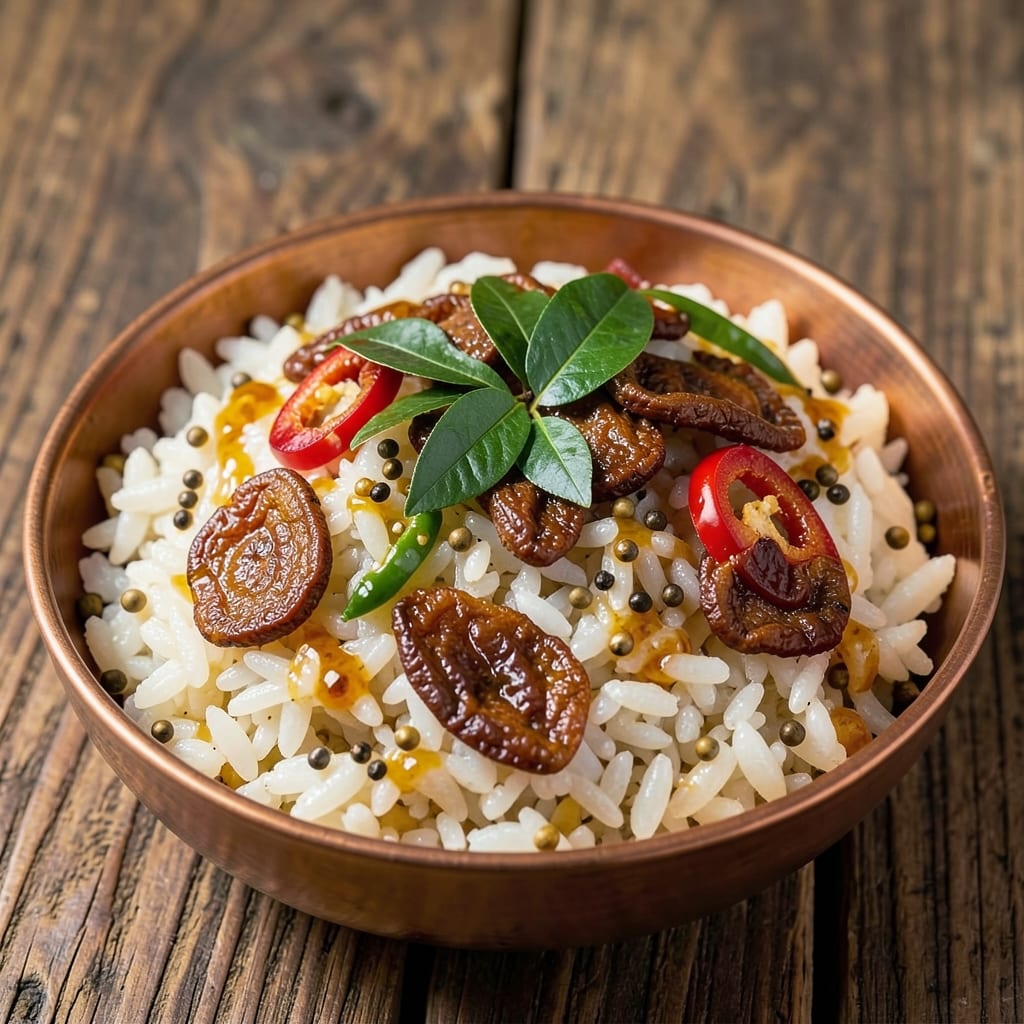
This amla rice recipe transforms simple basmati into a vibrant, tangy-sour masterpiece that balances crispy spices with the unique tartness of amla. The key lies in toasting whole spices until they release their aromatic oils, then blending them with dried or powdered amla to create a bold, flavorful base. What makes this dish special is how the amla's natural astringency cuts through the rice's mildness, while the spices add a satisfying crunch that elevates every bite.
The process begins with parboiling the rice to lock in nutrients, then tempering it with the amla-spice mixture for that signature tangy aroma. Fresh amla can be used if available, but dried or powdered versions work just as well—simply adjust the quantity to taste. This vegetarian classic is traditionally served with a cooling raita or yogurt dip to balance the dish's bold flavors, making it both comforting and refreshing.
What you'll end up with is perfectly fluffy rice infused with amla's distinctive tartness and the warm, toasty notes of spices like cumin, mustard seeds, and curry leaves. The texture is a perfect marriage of tender grains and crispy spice bits, while the aroma alone will draw everyone to the table. It's the kind of dish that feels both nostalgic and exciting—simple yet deeply satisfying.
Perfect for special occasions or weeknight dinners, this amla rice pairs beautifully with grilled vegetables, dal, or a simple cucumber salad. The recipe is designed to be foolproof, with clear steps for achieving the right balance of flavors and textures. Let's get started on creating this flavorful, restaurant-worthy dish at home.
Ingredients for amla rice
Simple basmati, toasted spices, and tart amla create this vibrant, tangy vegetarian masterpiece.
| Ingredient | Amount | Notes |
|---|---|---|
| Basmati Rice 🍚 | 1 ½ cups | Uncooked, long-grain preferred |
| Dried Amla (Indian Gooseberry) 🍇 | ¼ cup | Powdered or finely chopped |
| Mustard Seeds 🌿 | 1 tbsp | Whole, for tempering |
| Cumin Seeds 🌶️ | ½ tbsp | Whole, toasted |
| Curry Leaves 🌿 | ¼ cup | Fresh, lightly crushed |
| Green Chilies 🌶️ | 2 whole | Slit lengthwise, optional |
| Asafoetida (Hing) 🧂 | ¼ tsp | Pinch for aroma |
| Ghee 🧈 | 3 tbsp | Clarified butter, for cooking |
| Salt 🧂 | 1 tsp | Adjust to taste |
| Fresh Cilantro 🌿 | 0.15 cup | Chopped, for garnish |
| Water 💧 | 3 cups | For parboiling rice |
| Yogurt (Optional) 🥛 | ¼ cup | Plain, for raita pairing |
Amla is the star here—dried or powdered works best for consistent flavor, but fresh can be used if available (just adjust quantity). Indian grocery stores or specialty markets carry dried amla in bulk, while Penzeys often stocks powdered versions. The spices need toasting for maximum aroma: cumin and mustard seeds should sizzle until fragrant before adding amla. Curry leaves add depth—fresh is non-negotiable for that authentic flavor, though dried can work in a pinch at half the amount. Green chilies are optional but recommended for heat balance.
No amla? Substitute with equal parts dried gooseberries (amchur) or lemon juice—though nothing quite matches amla's unique tartness. Fresh curry leaves hard to find? Dried works at one-third the amount, but toast them first. For a vegan version, skip the ghee and use coconut oil instead. The yogurt raita is traditional but optional—cucumber raita or mint chutney work equally well. Always toast your spices—this step can't be skipped—it's what creates that signature crunch and aroma that makes this dish special.
Rice keeps best in an airtight container for 2-3 days in the fridge, though flavor peaks on day one. The amla-spice mixture can be prepped ahead and stored in a jar for up to 2 weeks—just add it fresh when cooking. For extra tang, add a splash of lemon juice before serving. This dish reheats beautifully—microwave with a damp paper towel to restore moisture. Portion into individual containers for easy lunches, or serve family-style with a cooling raita on the side.
Why You'll Love This Recipe
- Tangy Twist Ready: The dried amla soaks up water like a sponge—just 10 minutes of soaking, then blend with a splash of water, and boom. That bright, citrusy punch transforms plain rice into something actually interesting without extra effort.
- No-Burn Spice Magic: Mustard and cumin seeds sizzle in oil for 30 seconds—that’s it—before curry leaves join the party. The aroma alone makes my kitchen smell like a South Indian restaurant, and the rice stays fluffy because we’re not burning anything to a crisp.
- Lunchbox Superstar: Pack this for work or school, and it’ll still taste fresh by noon. The amla’s tartness cuts through the rice’s mildness, so it’s not boring cold rice—plus, it reheats like a dream. (Yes, even on a Tuesday night.)
- Pantry Goldmine: Dried amla lasts months in your cupboard, and a handful stretches across multiple meals. For under $5, you’ve got a dish that feels fancy but costs next to nothing—no fancy ingredients, just smart swaps.
Step-by-step instructions for amla rice
Perfectly balanced tangy-sour rice with aromatic tempering—here's how to execute it flawlessly.
Parboil the Basmati Rice
Rinse the 1.5 cups basmati rice thoroughly in a fine-mesh strainer until the water runs clear. This removes excess starch that would make the grains mushy. Transfer the rinsed rice to a pot and add 3 cups water. Bring to a boil over medium-high heat, then immediately reduce to low heat and simmer for 12-15 minutes until the rice is 70% cooked—the grains should still have a slight bite but be tender when pierced with a fork.
Drain the rice completely using a colander, then spread it on a clean kitchen towel to stop further cooking. The goal is partially cooked rice that can absorb the amla's tangy flavors without turning mushy. If you overcook it here, the final texture will be pasty rather than fluffy.
Prepare the Amla and Tempering Spices
In a small bowl, soak the 0.25 cup dried amla (Indian gooseberry) in ½ cup warm water for 10 minutes to soften. Finely chop the soaked amla (or use 0.25 cup powdered amla) and set aside. In a dry skillet over low heat, toast the 1 tbsp mustard seeds and 0.5 tbsp cumin seeds until they release their aroma and begin to pop—about 1-2 minutes. Transfer to a bowl to cool slightly.
Lightly crush the 0.25 cup curry leaves between your palms to release their oils. Slit the 2 whole green chilies lengthwise (remove seeds if you prefer milder heat). These aromatics form the flavor base, so don't skip the toasting—it deepens their character. The asafoetida (0.25 tsp hing) will be added last to preserve its delicate aroma.
Temper the Ghee and Combine Ingredients
In a large, heavy-bottomed pan, heat 3 tbsp ghee over medium heat until it shimmers but doesn't smoke. Add the toasted mustard and cumin seeds, then the crushed curry leaves and slit green chilies. Sauté for 30 seconds until the leaves turn vibrant green and the chilies darken slightly. Add the 0.25 tsp asafoetida and stir for 10 seconds—this releases its umami punch.
Quickly add the parboiled rice, the chopped amla (with its soaking liquid), and 1 tsp salt. Gently fold everything together using a wooden spoon, ensuring the rice absorbs the ghee and spices evenly. The mixture should look moist but not wet—if it appears dry, add 1-2 tablespoons water to maintain the right consistency.
Cook to Fluffy Perfection
Cover the pan with a tight-fitting lid and reduce heat to low. Let the rice cook undisturbed for 8-10 minutes, allowing the steam to work its magic. After 5 minutes, gently fluff the rice with a fork to prevent sticking. The grains should be tender and the liquid absorbed—if any moisture remains, uncover and cook for another 2 minutes to evaporate it.
Remove from heat and let the rice sit covered for 5 minutes. This resting period ensures even heat distribution and prevents the rice from becoming gummy. The finished dish should have a bright golden hue from the ghee, with the amla's tangy-sour notes cutting through the rice's mild flavor. Garnish with 0.15 cup chopped fresh cilantro just before serving.
Serve with Optional Yogurt Raita
For an authentic touch, serve the amla rice with 0.25 cup plain yogurt mixed with a pinch of salt and a few chopped cilantro leaves. The cool, creamy raita balances the dish's warmth and spice. The rice should be served immediately while still steaming—its texture will firm up slightly as it cools, but the flavors remain vibrant.
Taste and adjust seasoning if needed, adding a pinch more salt or a splash of lemon juice if the amla's tang requires balancing. The ideal plate delivers a harmonious contrast: the rice's subtle nuttiness, the amla's sharp tang, and the ghee's rich aroma, all tied together by the tempered spices.
Pro Tips For Making Amla Rice
- SOAK AMLA OVERNIGHT: I used to toss dried amla into boiling water and call it a day—big mistake. Soak them in warm water for 6-8 hours (or overnight) first. This softens them enough to grind into a smooth paste without grittiness, and the flavor infuses deeper into the rice. Trust me, your tongue will notice the difference.
- CRACKLE MUSTARD SEEDS: Skip the low heat when tempering mustard seeds—this isn’t a delicate simmer. Use medium-high heat until they pop audibly, then immediately add cumin. The sharp, smoky crackle is the foundation of the dish’s flavor. If they’re just sizzling, you’ve missed the point.
- TOAST RICE UNTIL GOLDEN: Don’t rush the rice-toasting step. Stir constantly over medium flame until every grain turns a uniform golden brown—about 3-4 minutes. This prevents mushiness later and gives the dish that nutty aroma. I learned this the hard way when my rice turned out pasty after adding the amla paste.
- USE LESS WATER THAN YOU THINK: Amla rice absorbs liquid differently than plain rice. For 1 cup basmati, use just 1.25 cups water (not 2). The amla paste and tempering spices add moisture, so overdoing it leads to soggy grains. Taste-test at the end—if it’s dry, add a splash of warm water, not extra rice.
Troubleshooting this dish
Amla Overpowering Flavor
If your amla rice tastes too tart or sour, balance it by adding a pinch of sugar or a splash of lemon juice—about ½ teaspoon sugar or 1 tablespoon lemon juice per serving. The key is to adjust gradually while tasting. For dried amla, reduce the quantity by ¼ cup next time, as it's more concentrated than fresh. Always taste as you go—this dish should harmonize tang with subtle sweetness. 💡
Rice Too Dry or Gummy
Dry rice? You likely undercooked it. Next time, add 1-2 tablespoons water during the final cooking stage and cover tightly for 5 extra minutes. For gummy rice, the issue is usually overcooking during parboiling. Reduce the initial simmer time to 10 minutes and check for 70% doneness—grains should hold shape but still have a slight bite. Spread drained rice on a towel to stop cooking immediately. ❄️
Spices Not Toasting Properly
Mustard and cumin seeds need low heat to pop without burning. If they darken too quickly, reduce heat to very low and toast for 3-4 minutes, stirring constantly. For extra aroma, add a pinch of asafoetida (hing) to the ghee before spices—this enhances their flavor. Toasting is critical; under-toasted spices will make the dish bland. 🌶️
Amla Not Infusing Flavor
For better infusion, soak dried amla in warm water for 15 minutes before chopping. If using powdered amla, mix it with 1 tablespoon warm water to create a paste before adding to rice. The amla's soaking liquid should be incorporated into the rice—don't drain it. For deeper flavor, simmer the rice with amla uncovered for the last 2 minutes to let moisture evaporate and concentrate the tang. 💛
Uneven Cooking or Burning
Use a heavy-bottomed pan to prevent hot spots. If the bottom browns too quickly, reduce heat to medium-low and stir occasionally. For even cooking, spread the rice evenly in the pan before adding amla. If using high heat, the ghee may burn—keep it at medium heat until spices are added. A wooden spoon helps distribute heat evenly. ⚡
Leftover Texture Issues
Reheat in a pot with 2 tablespoons water over low heat for 5 minutes, covered. Microwave reheating dries out rice—always add moisture. For extra fluffiness, fluff with a fork after reheating. Store leftovers in an airtight container with a damp paper towel to retain moisture. The rice should be slightly firm when cold but softens when reheated properly. 💫
Nutrition facts
Frequently asked questions
Can I use fresh amla instead of dried in this recipe?
Yes, but you'll need to adjust the quantity and preparation. Fresh amla has milder flavor, so use 1 cup chopped fresh amla instead of 0.25 cup dried. Soak it in ½ cup warm water for 15 minutes first to soften, then chop finely. The soaking liquid should be included when adding to the rice for maximum infusion. Fresh amla works beautifully but requires more volume to match dried amla's intensity.
What's the best way to store leftover amla rice?
Store in an airtight container in the fridge for up to 3 days. The flavors actually improve slightly as the amla's tang melds with the rice. For reheating, use 2 tablespoons water per serving in a pot over low heat for 5 minutes, covered. Microwave reheating can make the rice dry—always add moisture. Keep a damp paper towel in the container to maintain freshness.
How can I make this dish less spicy?
Reduce the green chilies to 1 whole (or omit completely) and remove seeds before slitting. For extra mildness, substitute with ½ teaspoon red chili powder instead of fresh chilies. The dish already has plenty of flavor from the amla and spices, so you won't sacrifice taste. Always taste as you go—you can add more salt or a pinch of sugar to balance if needed.
What are some traditional accompaniments for amla rice?
This dish pairs beautifully with cooling yogurt-based sides like cucumber raita or boondi raita to balance the tang. For protein, serve with dal tadka or spiced chickpeas. Vegetable options include baingan bharta (smoky eggplant mash) or sautéed spinach. The traditional combination is amla rice with yogurt raita and papad, creating a perfect harmony of textures and temperatures.
Can I make this recipe without ghee?
Yes, but the flavor will be different. Use 3 tablespoons coconut oil or vegetable oil instead, though ghee adds a rich, nutty aroma that's hard to replicate. If using oil, add ½ teaspoon garlic powder to compensate for the missing depth. The rice will still be delicious—just slightly lighter in flavor. For best results, use a high-smoke-point oil like avocado or refined coconut oil.