
Main Courses
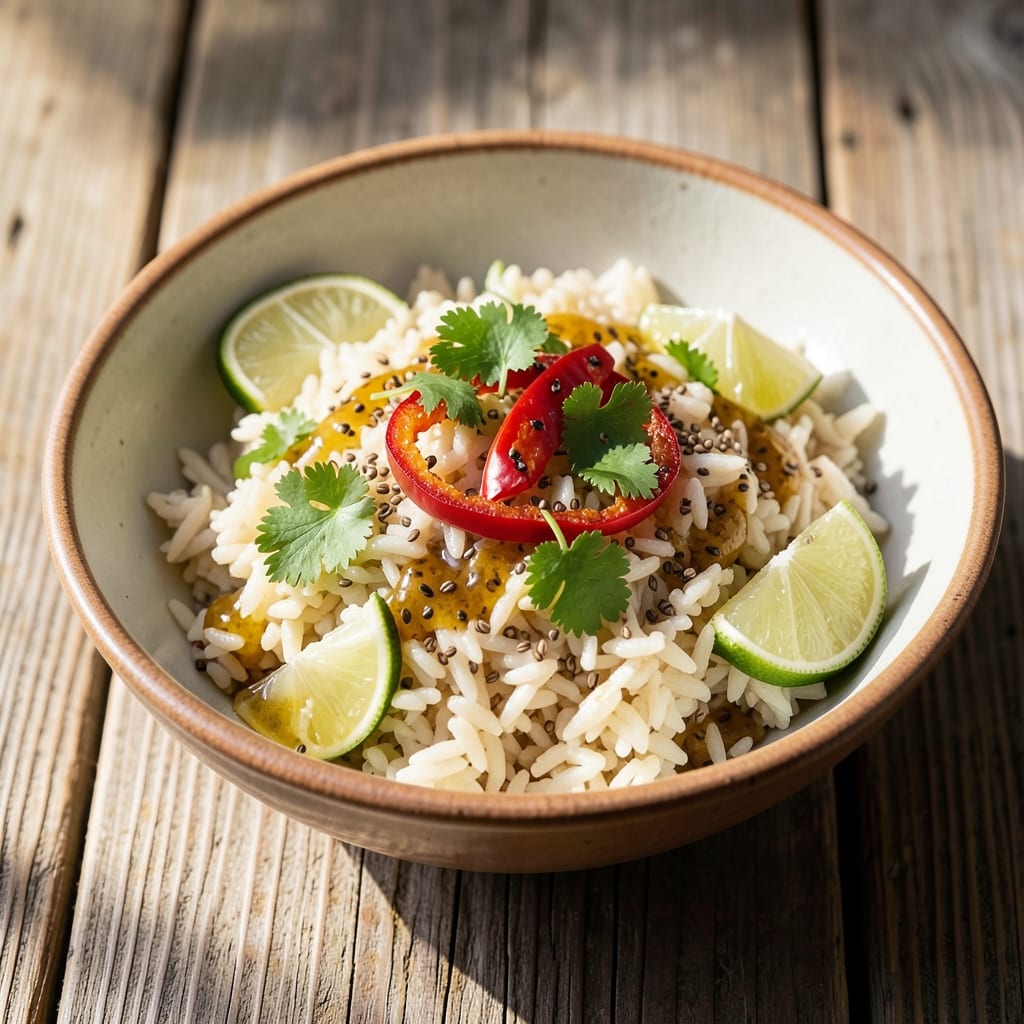
Abuelos cilantro lime rice transforms ordinary meals into vibrant, flavor-packed experiences with its bright, zesty profile. This traditional Latin American staple combines long-grain rice with fresh cilantro, lime juice, and aromatic spices for a dish that's as visually striking as it is delicious. The secret lies in toasting the rice properly and balancing the acidity of lime with just the right amount of salt and cumin.
What makes this recipe special is its versatility—it pairs beautifully with grilled proteins like chicken or fish, hearty black beans, or even as a standalone side dish. The lime zest infuses the rice with a refreshing citrus note, while the cilantro adds a fresh, herbaceous depth that elevates every bite. Unlike many rice dishes, this one stays light and fluffy, never mushy or dry.
By the end, you'll have a pot of golden, fragrant rice that's bursting with flavor and ready to be served. The aroma alone will have everyone at the table asking what's for dinner. This is the kind of dish that turns simple weeknight meals into memorable feasts—perfect for family gatherings, potlucks, or whenever you want to bring a taste of Latin America to your kitchen.
Ready to master this technique? The process is straightforward, and the results are always impressive. Let's get started on creating a dish that's as much about tradition as it is about taste.
Ingredients for abuelos cilantro lime rice
Bright cilantro, zesty lime, and toasted spices—just 12 ingredients for rice that steals the show.
| Ingredient | Amount | Notes |
|---|---|---|
| Long-Grain White Rice 🍚 | 1 ½ cups | Uncooked, like jasmine or basmati |
| Fresh Cilantro 🌿 | ½ cup | Chopped, stems removed, packed |
| Lime Juice 🍋 | ½ cup | Freshly squeezed, about 4-5 limes |
| Lime Zest 🍋 | 1 tbsp | Finely grated, bright yellow |
| Olive Oil 🫒 | 2 tbsp | Extra-virgin for best flavor |
| Ground Cumin 🌿 | ½ tsp | Freshly toasted preferred |
| Salt 🧂 | ¾ tsp | Kosher or sea salt |
| Garlic Cloves 🧄 | 2 cloves | Minced or finely chopped |
| Freshly Ground Black Pepper 🌶️ | ¼ tsp | Freshly cracked preferred |
| Vegetable Broth 💧 | 1 ½ cups | Low-sodium preferred |
| Red Bell Pepper 🌶️ | ¼ cup | Diced, any color works |
| Tomato Paste 🍅 | 1 tbsp | Smooth, not chunky |
The cilantro is non-negotiable here—farmers market bunches have the freshest flavor, but even the grocery store stuff works if it's bright green and not wilted. Lime juice is the soul of this dish, so Mexican or Persian limes (if you can find them) pack the most punch. For the rice, long-grain white rice is key—it stays separate and fluffy. I grab mine in bulk from Costco or Trader Joe's—it's cheaper and lasts forever. Toast the rice in the pot first (just until fragrant) to build that nutty base flavor—don't skip this step, trust me.
No fresh cilantro? Dried cilantro at half the amount works, but it won't taste the same. Short on lime juice? Lemon juice plus a pinch of sugar gets you close, though it won't have that exact zing. The tomato paste can be swapped for 1/4 cup diced tomato if you're avoiding it, but the paste gives that deep, concentrated flavor. For the bell pepper, any color works—just dice it small so it blends right in. And if you're using pre-minced garlic, drain and rinse it first to get rid of the excess water.
This rice reheats like a dream—best the next day when all the flavors meld together. Store leftovers in an airtight container for 4-5 days in the fridge, or freeze portions for up to 3 months. I like to make a double batch because it disappears fast—great for meal prep or feeding a crowd. The lime juice can make the rice dry out if stored too long, so add a splash of water when reheating if needed.
Why You'll Love This Recipe
- Brightens Any Meal: That zesty lime punch and fresh cilantro make this rice taste like it belongs in a fiesta—even when you're just eating cereal for dinner. The lime zest alone gives it that bright, sunshiny quality that turns plain rice into something special.
- One-Pot Magic: Honestly, this is my lazy-day hero. Toss the rice, lime juice, and cilantro in one pot, cover it, and walk away. No fancy techniques, no stress—just fluffy, fragrant rice that’s ready when you are. (Yes, even on a Tuesday night.)
- Leftover Goldmine: Between us, this rice tastes better the next day. The lime mellows into that perfect tang, and the cilantro stays fresh longer than store-bought seasoning packets. I make a big batch on Sundays and eat it all week—no sad, dried-out rice here.
- Budget Bright Spot: Long-grain rice is cheap, limes are affordable, and cilantro lasts longer than you’d think if you store it right. For under $5, you get a side dish that feels fancy, feeds four, and still leaves room for tacos or grilled fish. Smart move.
Step-by-step instructions for Abuelos cilantro lime rice
Here's how to make this vibrant, zesty rice that brings bold flavor to every bite.
Toast the Spices and Aromatics
Heat the 2 tablespoons olive oil in a medium saucepan over medium heat. Add the 2 cloves garlic cloves and 0.25 cup red bell pepper, stirring constantly for 1-2 minutes until the garlic becomes golden and fragrant—this prevents it from burning. The bell pepper will soften slightly but stay bright in color.
Next, add the 0.5 teaspoon ground cumin and 0.25 teaspoon freshly ground black pepper, stirring for 30 seconds until the spices release their aroma. This step builds the flavor foundation—don't skip it. The spices should smell warm and earthy, not burnt. Keep the heat at medium to maintain gentle toasting.
Cook the Tomato Paste
Reduce the heat to low and stir in the 1 tablespoon tomato paste. Cook for 1-2 minutes until it darkens slightly and becomes smooth, almost like a thin paste. This step deepens the sauce's richness without overpowering the bright lime flavors.
If the paste starts to stick, add 1-2 tablespoons of the 1.5 cups vegetable broth to loosen it. The goal is a glossy, slightly thickened base that coats the back of a spoon. This ensures your rice gets that signature Abuelos texture and flavor.
Add Rice and Toast Lightly
Increase heat to medium-high and add the 1.5 cups long-grain white rice, stirring for 1 minute to lightly toast the grains. You'll see them become slightly translucent at the edges—this step prevents mushiness and gives the rice a subtle nuttiness. Don't walk away; constant stirring is key to even toasting.
Pour in the remaining 1.5 cups vegetable broth and stir once more. The rice should be evenly coated with liquid. Bring to a gentle boil, then immediately reduce heat to low, cover tightly with a lid, and let it simmer undisturbed for 15 minutes. This initial cooking phase is crucial—it allows the rice to absorb liquid evenly.
Incorporate the Lime and Cilantro
After 15 minutes, remove the pan from heat and let it sit covered for 5 minutes. This resting period allows the rice to finish steaming and develop its texture. Now, stir in the 0.5 cup lime juice, 1 tablespoon lime zest, and 0.5 cup fresh cilantro, mixing gently to distribute the bright flavors evenly.
Here's the thing—don't overmix. You want the lime and cilantro dispersed throughout, but you don't want to break the rice grains. The lime juice will make the rice slightly sticky, which is perfect for that authentic Abuelos texture. The zest adds a bright, citrusy aroma that elevates the dish.
Fluff and Adjust Seasoning
Using a fork, gently fluff the rice to separate the grains. Taste and adjust seasoning with the 0.75 teaspoon salt if needed—this rice should be bright, zesty, and slightly tangy. The lime and cilantro should shine, not be overwhelmed by saltiness.
Let the rice sit covered for another 5 minutes before serving. This final rest ensures the flavors meld completely. The rice should be tender but not mushy, with a slight stickiness that clings to each grain. Serve immediately alongside grilled meats, tacos, or as a vibrant side dish.
Pro Tips For Making Abuelos Cilantro Lime Rice
- TOAST THE RICE FIRST: Heat your dry rice in a dry skillet over medium heat for 2-3 minutes until it smells nutty and the grains look slightly translucent. This step—often skipped—deepens the flavor and prevents the rice from turning mushy when you add the lime and cilantro later. (Yes, it sounds like extra work, but it’s the thing that makes this rice taste like it came from a family kitchen, not a box.)
- ZEST BEFORE JUICE: Grate the lime zest first, then juice the lime—don’t just squeeze and forget the zest. The zest packs a brighter, more complex flavor, and if you add it last, you’ll end up with a bitter, over-acidic rice. Store the zest in the fridge for up to 3 days if you’re prepping ahead; it’ll keep its punch.
- COOK THE RICE LOW AND SLOW: Once you add the liquid, drop the heat to lowest simmer—not medium, not even medium-low. I used to rush this, and the rice would either dry out or turn gluey. A gentle simmer for 15-18 minutes (with the lid on) guarantees fluffy, separate grains. If you’re using a pot without a tight lid, add an extra 2 minutes.
- CHOP CILANTRO LIKE A PRO: Roughly chop the cilantro stems with the leaves—don’t waste the stems, and don’t over-chop. A food processor gives the best texture: pulse 3-4 times for a bright, herby finish that sticks to the rice instead of floating on top. (And if your cilantro tastes soapy, soak it in ice water for 10 minutes first—it happens more than you’d think.)
Regional styles of this dish
Mexican Abuelos Style
This vibrant rice dish originated in Mexican households as a staple side for festive meals and family gatherings. The name "Abuelos" (meaning "grandparents") reflects its traditional roots—often made by grandmothers for special occasions. In Mexican kitchens, it's typically served alongside carne asada, birria, or chiles rellenos. The key difference here is the generous use of lime juice and cilantro, which gives it that signature bright, citrusy punch that sets it apart from other Latin American rice dishes. 🌶️
The Mexican version often includes a pinch of Mexican oregano (not regular oregano) for an earthy depth, and sometimes a splash of beer instead of broth for a subtle malty note. I've found that using Mexican Key limes (if available) adds even more zing than regular limes. For authenticity, cook this rice in a heavy cast iron skillet—it distributes heat evenly and enhances the smoky flavor from the spices.
Caribbean Citrus Twist
In Caribbean regions, this rice gets a tropical makeover with added ingredients like diced pineapple or mango for sweetness, balancing the lime's acidity. Jamaican-style versions often include scotch bonnet peppers for heat, while Puerto Rican adaptations might use sofrito (a blend of sautéed vegetables) as the base instead of tomato paste. The lime remains the star, but the rice becomes even brighter with tropical fruit additions.
For a Caribbean-inspired version, add ½ cup diced pineapple during the final 5 minutes of cooking to preserve its freshness. A sprinkle of toasted coconut flakes on top adds a delightful crunch. This variation works beautifully with grilled mahi-mahi or jerk chicken, creating a fusion dish that's both familiar and exciting. 🌴
Puerto Rican Sofrito Base
In Puerto Rico, this rice is often called "arroz con cilantro y limón," but the base is built with sofrito—a blend of sautéed peppers, onions, garlic, and sometimes tomatoes. The sofrito adds a deep, savory foundation that complements the lime's brightness. Traditional Puerto Rican versions also include culantro (recao), a leafy herb similar to cilantro but with a stronger, more peppery flavor.
To make a Puerto Rican-style Abuelos rice, sauté ½ cup sofrito in the olive oil before adding the garlic and bell pepper. Replace half the cilantro with culantro if you can find it, or use extra cilantro for a milder version. This adaptation pairs perfectly with pernil (roast pork) or mofongo, creating a meal that's rich in both flavor and cultural tradition.
Dominican Lime Rice
In the Dominican Republic, this rice is often called "arroz con limón" and is a staple at family gatherings and holidays. The Dominican version tends to be even brighter, with more lime zest and a touch of annatto seeds for a golden hue. The rice is also frequently cooked with a bit of ham or bacon fat instead of olive oil, adding a smoky depth that's unmistakably Dominican.
For an authentic Dominican twist, cook the rice in 2 tablespoons bacon fat instead of olive oil, and add 1 teaspoon annatto seeds (or a pinch of annatto powder) to the broth for color. Serve this version with mangú (mashed plantains) or grilled chicken with locoto peppers for a meal that's full of bold flavors and cultural pride. 🌍
Nutrition facts
Frequently asked questions
Can I substitute regular oregano for Mexican oregano?
While regular oregano will work in a pinch, Mexican oregano (also called Mexican marjoram) has a distinct earthy, citrusy flavor that's essential for authentic Abuelos rice. For the closest substitute, mix 1/4 teaspoon regular oregano with 1/4 teaspoon dried thyme—this combo mimics the complexity. If you can't find Mexican oregano, just omit it entirely; the lime and cumin will still shine.
How do I prevent the rice from becoming mushy?
Mushy rice happens when you stir too much or don't use enough heat. First, toast the rice lightly in the pot before adding liquid—this builds a protective crust. Second, bring the broth to a gentle boil after adding rice, then immediately reduce to low heat and cover tightly. Never peek or stir during the 15-minute cooking time—just let it steam undisturbed. The final fluffing with a fork separates grains without breaking them.
What's the best way to store leftovers?
Store cooked Abuelos rice in an airtight container in the fridge for 4-5 days, or freeze portions for up to 3 months. The lime juice can dry out rice over time, so sprinkle 1 teaspoon water per cup when reheating. For best texture, reheat in a skillet over medium-low heat with a splash of broth, stirring gently until warmed through. Microwaving works too, but it can make the rice gummy.
Can I make this recipe vegetarian?
This dish is already vegetarian-friendly, but you can boost umami by adding 1 tablespoon soy sauce or 1/2 teaspoon miso paste when cooking the tomato paste. For extra protein, serve with black beans, roasted vegetables, or a chickpea salad. The lime and cilantro flavors complement plant-based proteins beautifully—just avoid overcooking the rice to maintain its light texture.
Why does my rice taste bland?
Bland rice usually means one of three things: underseasoned lime, stale herbs, or insufficient toasting. First, double-check your lime juice—use freshly squeezed juice from 4-5 limes (about 1/2 cup). Second, ensure your cilantro is bright green and fresh—wilted herbs lose their punch. Finally, don't skip toasting the spices and rice—this step develops deep, nutty flavors that carry the dish. Taste as you go and adjust salt incrementally.