
Salads
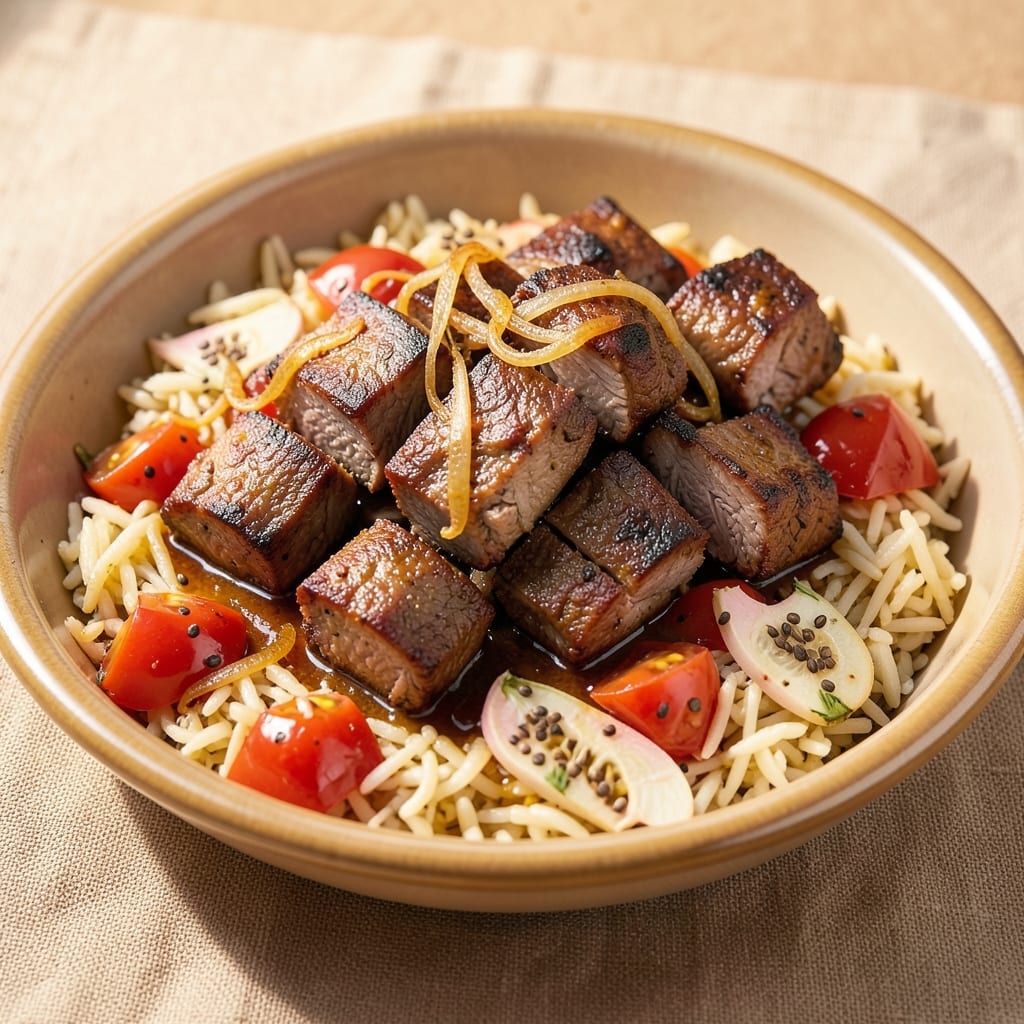
This Al Kabsa rice recipe transports you to the heart of Saudi Arabia with its fragrant blend of spiced lamb and perfectly fluffed basmati rice. The dish is a celebration of tradition, where tender meat simmers in aromatic spices until it's fall-apart tender, then harmonizes with long-grain rice infused with cardamom and saffron. What makes Al Kabsa special is the balance of flavors—warm, earthy spices meet the delicate sweetness of raisins and the crunch of toasted nuts, creating a dish that's both comforting and sophisticated.
The foundation of authentic Al Kabsa lies in its slow-cooked lamb, marinated in a mix of cumin, coriander, and cinnamon that infuses every bite with depth. The rice, cooked separately in fragrant broth, absorbs the essence of the spices without becoming mushy, resulting in grains that remain distinct yet cohesive. This recipe delivers restaurant-quality results with a method that's approachable for home cooks—no special equipment required, just patience and attention to detail.
By the time you serve this dish, your kitchen will be filled with the intoxicating aroma of spiced lamb and saffron-infused rice, while the table is adorned with a vibrant presentation. The dish is traditionally served with hands, allowing everyone to savor the perfect harmony of textures—tender meat, fluffy rice, and the satisfying crunch of garnishes. It's a meal that brings people together, whether for a festive gathering or a quiet family dinner.
For those looking to adapt the recipe, a vegetarian version can be created by replacing lamb with marinated chickpeas or mushrooms, while keeping the same spice blend and rice preparation. The key to success lies in the slow cooking process, which allows the flavors to meld and develop fully. Let's create this authentic Saudi Arabian masterpiece that's as rewarding to make as it is to eat.
Ingredients for al kabsa rice
Sixteen ingredients create this aromatic Saudi Arabian masterpiece of spiced lamb and fragrant basmati rice.
| Ingredient | Amount | Notes |
|---|---|---|
| Lamb Shoulder 🐑 | 3 lb | Bone-in for flavor, cut into 2-inch cubes |
| Basmati Rice 🌾 | 2 cups | Long-grain, uncooked |
| Yellow Onion 🧅 | 1 whole | Medium size, finely chopped |
| Garlic Cloves 🧄 | 8 cloves | Peeled, minced |
| Fresh Ginger 🌿 | 2 tbsp | Finely grated, fresh |
| Ground Cumin 🌶️ | 1 tbsp | Toasted for depth |
| Ground Coriander 🌿 | 1 tbsp | Freshly ground preferred |
| Ground Cardamom 🌿 | 1 tsp | High-quality pods preferred |
| Cinnamon Sticks 🌿 | 2 whole | Lightly crushed |
| Saffron Threads 🌼 | ¼ tsp | High-quality, soaked in warm water |
| Golden Raisins 🍇 | ½ cup | Plump, not dried out |
| Toasted Almonds 🥜 | ¼ cup | Sliced, for garnish |
| Chicken or Vegetable Broth 💧 | 4 cups | Low-sodium preferred |
| Extra-Virgin Olive Oil 🫒 | ½ cup | For cooking lamb |
| Salt 🧂 | 1 ½ tsp | Diamond Crystal preferred |
| Black Peppercorns 🌶️ | 1 tsp | Freshly cracked |
The lamb shoulder is non-negotiable for authentic Al Kabsa—its bone-in cut delivers deep flavor as it slow-cooks. Look for well-marbled lamb at Middle Eastern markets or your local butcher, where they can cut it specifically for you. Fresh ginger and cardamom are essential for that signature warmth; Penzeys Spices or bulk bins at specialty stores ensure potency. Saffron threads should be a vibrant red—avoid faded or dusty strands. For the raisins, plump golden ones add sweetness without overpowering the spices. Toast your almonds lightly in a dry pan until fragrant—this enhances their crunch when used as garnish.
No lamb? Substitute with marinated chickpeas or mushrooms for a vegetarian version, though the texture will differ. Fresh ginger can be swapped for 2 teaspoons ground ginger at half the potency, but the flavor won't be identical. For saffron, turmeric at 1/4 teaspoon mimics some color, though it lacks the floral notes. The broth can be beef-based for deeper flavor, but chicken or vegetable works equally well. If you lack cardamom, a blend of cinnamon and cloves (1/2 teaspoon each) provides a similar earthy warmth. For the rice, jasmine rice can substitute, though basmati remains ideal for its distinct aroma.
Lamb cubes can be prepped and marinated for 24 hours ahead, allowing flavors to meld deeply. Store raw lamb in its original packaging in the coldest part of your fridge, using within 3 days. The rice mixture keeps for 2 days in the fridge, though it reheats best when combined with the lamb just before serving. For long-term storage, freeze the lamb and rice separately for up to 3 months. Garnishes like toasted almonds and raisins can be stored in airtight containers for 1 week, retaining their texture and flavor.
Why You'll Love This Recipe
- One-Pot Magic: I swear by this recipe because it’s all in one pot—no rice cooker, no extra pans. The lamb shoulder slow-cooks in its own juices while the rice simmers right alongside, soaking up every last bit of that savory, spiced broth.
- Lamb That Melts: That fall-apart lamb shoulder? It’s the star, and it’s worth the wait. The onions and ginger caramelize into a sweet, sticky glaze that clings to every bite—like a hug in a bowl.
- Weeknight to Celebration: Honestly, I make this for lazy Sundays and unexpected guests. The rice stays fluffy, the lamb stays tender, and the spices (if you use them) turn it into something fancy without extra effort.
- Leftovers That Don’t Suck: Between us, most leftovers are sad. Not this. The flavors deepen overnight, and reheating it? Just add a splash of water, cover, and steam—still rich, still perfect for lunch the next day.
Step-by-step instructions for Al Kabsa rice
Master this Saudi Arabian classic with tender lamb and fragrant basmati rice perfumed with saffron.
Sear and Spice the Lamb Shoulder
Heat the 0.5 cup extra-virgin olive oil in a heavy Dutch oven over medium-high heat until shimmering. Add the 3 lb lamb shoulder cut into 2-inch cubes, working in batches if needed, and sear for 4-5 minutes per side until deeply browned and caramelized. This step develops rich flavor through the Maillard reaction.
Remove the lamb and set aside. In the same pot, add the 1 whole yellow onion, 8 cloves minced garlic, and 2 tbsp fresh ginger, cooking for 3-4 minutes until softened and fragrant. Stir in the 1 tbsp ground cumin, 1 tbsp ground coriander, 1 tsp ground cardamom, and 2 whole cinnamon sticks, toasting for 1 minute until aromatic. This spice blend forms the soul of al kabsa.
Simmer the Lamb in Spiced Broth
Return the seared lamb to the pot and pour in the 4 cups chicken or vegetable broth. Bring to a gentle simmer, then reduce heat to low. Cover and cook for 1 hour 30 minutes, stirring occasionally, until the lamb is fork-tender and falling apart. The broth should reduce slightly, intensifying the flavors.
Here's the thing—don't rush this step. The lamb needs time to absorb the spices and become melt-in-your-mouth tender. If the liquid reduces too much before the lamb is done, add 2-3 tablespoons of water to maintain moisture. The lamb should be so tender that a skewer slides through with minimal resistance.
Prepare the Saffron-Infused Rice
While the lamb cooks, rinse the 2 cups basmati rice under cold water until the water runs clear. Soak the 0.25 tsp saffron threads in 2 tablespoons warm water for 10 minutes to release their vibrant color and floral aroma. In a separate pot, bring 4 cups fresh water to a boil, then add the rice and saffron mixture. Reduce heat to low, cover, and simmer for 12-15 minutes until the rice is tender and the liquid is absorbed.
I always check the rice at 12 minutes—it should be al dente with a slight bite, as it continues cooking while resting. Fluff the rice gently with a fork and set aside, keeping it covered to retain heat. The saffron will lend a delicate golden hue and subtle floral note that elevates the entire dish.
Combine and Finish the Al Kabsa
Transfer the cooked lamb and its spiced broth to a large serving platter. Arrange the 2 cups basmati rice around the lamb, creating an attractive presentation. Gently fold the 0.5 cup golden raisins and 0.25 cup toasted almonds into the rice, reserving a few for garnish. The sweetness of the raisins and crunch of almonds contrast beautifully with the savory lamb.
Season the entire dish with the remaining 1.5 tsp salt and 1 tsp freshly cracked black peppercorns, tossing gently to distribute evenly. The final touch is to sprinkle the reserved raisins and almonds on top, adding both visual appeal and textural contrast. Serve immediately while the lamb is still steaming hot and the rice retains its delicate texture.
Pro Tips For Making Al Kabsa Rice
- Sear the Lamb First: I learned this the hard way—skipping the sear means flavor hiding in the sauce instead of clinging to the meat. Get that lamb shoulder screaming hot in a dry pan for 5-7 minutes until it’s deep brown, then deglaze with onion and garlic. That crust locks in juices and builds the base for the rich kabsa sauce.
- Toast the Rice Separately: Don’t dump raw rice into the pot with the lamb—it’ll turn mushy. Toast the basmati in a separate pan with a pinch of salt and 1 tablespoon of oil until it smells nutty and the grains glisten (about 2 minutes). This guarantees fluffy grains later, even if you’re distracted by the lamb caramelizing.
- Grate the Ginger Fine: My grandmother swore by this, and she was right: coarse ginger chunks sink to the bottom and turn the rice bland. Use a microplane or the smallest holes on a box grater—you want it almost like paste. Mix it into the onions and garlic first so it infuses the oil, not just sits in the sauce.
- Layer the Spices Last: Sounds weird, but it works: add the traditional kabsa spices (like cardamom, cloves, and cinnamon) after the lamb has browned and the onions are soft. This keeps them fragrant and prevents them from burning into bitterness. Toss them in with the rice when you’re ready to cook—just stir once, then let the rice steam.
Dietary considerations for this dish
Vegetarian Adaptations
For a vegetarian version, replace the lamb with 2 cups marinated chickpeas or 1.5 lb portobello mushrooms sliced thickly. Marinate the chickpeas in the same spice blend (cumin, coriander, cardamom) with 2 tbsp olive oil and 1 tbsp lemon juice for 30 minutes before cooking. Sauté the mushrooms until golden, then simmer in 4 cups vegetable broth with the spices for 20 minutes until tender. The texture won't be identical, but the flavors remain rich and satisfying. 🌱
Gluten-Free Considerations
This recipe is naturally gluten-free, but always verify your ingredients. Use certified gluten-free broth (like Imagine or Pacific Foods) to avoid cross-contamination. Check spice blends—some store-bought mixes contain anti-caking agents with gluten. For extra safety, toast your own spices in a dry pan for 1 minute to ensure purity. The basmati rice and raisins are inherently gluten-free, making this dish safe for most gluten-sensitive diets.
Low-Carb Options
Cut carbs by reducing the rice to 1 cup and adding 1 cup cauliflower rice for a lighter texture. The cauliflower absorbs flavors beautifully while cutting calories. Alternatively, serve the lamb and spiced broth over a bed of shredded cabbage sautéed with garlic and olive oil. This keeps the dish hearty while lowering the carb content significantly. The toasted almonds and raisins can remain as garnishes for crunch and sweetness. 🥦
Allergen-Friendly Swaps
For nut allergies, omit the almonds and use toasted pumpkin seeds instead—they provide a similar crunch without the risk. If raisins are problematic, substitute with dried apricots or diced dates for natural sweetness. Always check labels on spices and broth for hidden allergens like sesame or soy. The lamb and rice components are typically safe for common allergies, but double-check ingredient sources.
Dairy-Free Notes
This recipe is already dairy-free, but if you're adding yogurt-based sides, opt for coconut yogurt or dairy-free alternatives. The traditional Al Kabsa preparation doesn't include dairy, so the dish remains rich and flavorful without it. For extra creaminess, stir 2 tbsp tahini into the broth during the final 5 minutes of cooking—it adds a nutty depth that complements the spices perfectly. 🥥
Nutrition facts
Frequently asked questions
Can I use chicken instead of lamb for Al Kabsa?
Chicken thighs work beautifully for Al Kabsa, though they'll cook faster than lamb. Use 3 lbs bone-in, skin-on thighs and reduce the cooking time to 45-50 minutes once the meat reaches 165°F internally. The skin adds crispy texture, but remove it before serving if preferred. For a lighter option, boneless chicken breasts require 25-30 minutes of cooking.
Why does my Al Kabsa rice turn out mushy?
Mushy rice usually means overcooking or insufficient rinsing. Always rinse basmati rice 3-4 times until water runs clear to remove excess starch. Use a 1:1.5 rice-to-water ratio and cook on low heat—never boil vigorously. After cooking, let it rest 5-10 minutes covered before fluffing. If using an Instant Pot, cook for 4 minutes on high pressure plus 10 minutes natural release.
What's the best way to reheat leftover Al Kabsa?
Reheat gently to preserve texture: place components in a baking dish, cover tightly with foil, and warm in a 300°F oven for 20-25 minutes. For microwave reheating, cover with a damp paper towel and heat in 30-second intervals on medium power, stirring between each. Avoid adding water—it makes rice soggy. The lamb reheats best when warmed through completely to 165°F.
Can I make Al Kabsa in a slow cooker?
Yes! Brown the lamb first in a skillet, then transfer everything (lamb, spices, broth) to your slow cooker. Cook on low for 6-7 hours or high for 3-4 hours until lamb shreds easily. For the rice, cook it separately in a pot with saffron and broth (use 1 cup rice to 1.5 cups liquid). Combine just before serving to maintain texture. The slow cooker method deepens flavors through longer cooking.
How do I make Al Kabsa extra flavorful?
Elevate your dish with these pro tips: Add 1 tsp ground fenugreek to the spice mix for depth, or stir in 1 tbsp tomato paste when searing the lamb. For richness, finish with 2 tbsp ghee instead of olive oil. Toast the spices in a dry pan for 1 minute before adding to the lamb to enhance their aroma. A splash of orange blossom water (1/4 tsp)** in the rice adds authentic floral notes.