
Salads
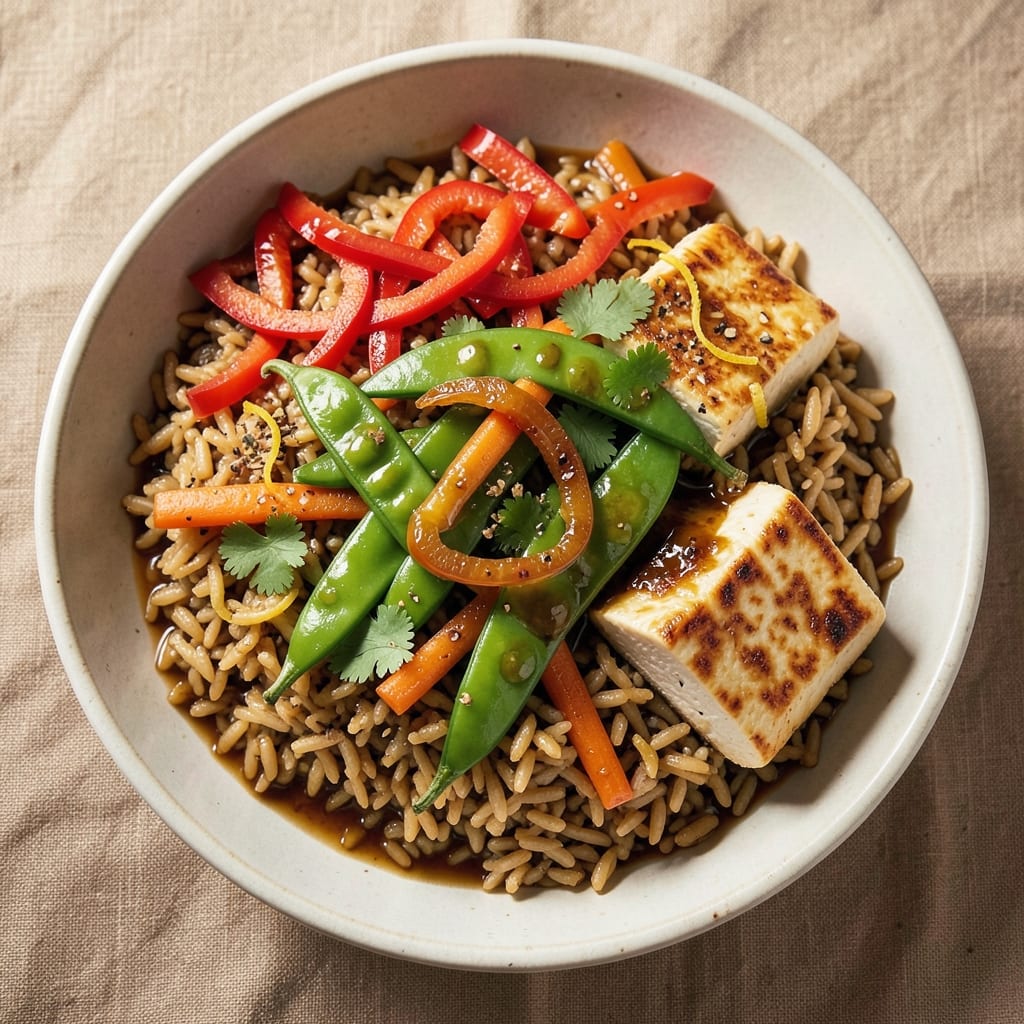
Amy's brown rice and vegetable bowl recipe delivers a protein-packed, vegetarian meal that comes together in just 30 minutes—perfect for meal prep or a quick weeknight dinner. The secret lies in balancing chewy brown rice with crisp-tender vegetables and a bright, savory sauce that ties everything together without overpowering the natural flavors. I developed this recipe after realizing how often my busy schedule left me reaching for takeout, and it’s now my go-to for a satisfying, nutrient-dense meal that feels restaurant-quality at home.
This bowl is designed to be both flexible and foolproof, using simple ingredients you likely already have on hand. The brown rice cooks up fluffy and nutty, while the vegetables—think bell peppers, carrots, and snap peas—are roasted to bring out their natural sweetness and add a satisfying crunch. A quick homemade sauce made with soy sauce, sesame oil, and a touch of honey adds depth and keeps the dish exciting. The best part? It’s easily customizable—swap in your favorite veggies or add a protein like tofu or chickpeas for extra staying power.
What you’ll end up with is a vibrant, balanced bowl that’s as visually appealing as it is delicious. The rice provides hearty texture, the roasted vegetables offer a mix of crisp and tender bites, and the sauce binds everything together with a perfect balance of savory, sweet, and umami. It’s the kind of meal that feels indulgent but is actually packed with fiber, vitamins, and plant-based protein—ideal for anyone looking to eat well without sacrificing flavor.
Whether you’re prepping for the week or whipping up dinner in a flash, this recipe delivers on both convenience and nutrition. The components can be made ahead and stored separately, so you can assemble the bowl fresh when you’re ready to eat. Let’s get started—your future self (and taste buds) will thank you.
Ingredients for amy's brown rice and vegetable bowl
Simple ingredients that pack a flavor punch—no fancy prep needed.
| Ingredient | Amount | Notes |
|---|---|---|
| Long-Grain Brown Rice 🌾 | 1 cup | Uncooked, rinsed well |
| Vegetable Broth 💧 | 2 cups | Low-sodium preferred |
| Carrots 🥕 | 2 medium | OR 1 cup diced carrots |
| Bell Peppers 🧅 | 1 whole | Any color, sliced into strips |
| Snap Peas 🌱 | 1 cup | Fresh or frozen |
| Extra-Firm Tofu 🍱 | ½ lb | Pressed and cubed |
| Sesame Oil 🫒 | 1 tbsp | For roasting and sauce |
| Low-Sodium Soy Sauce 🥢 | 2 tbsp | For sauce and marinade |
| Honey 🍯 | 1 tbsp | Or maple syrup for vegan |
| Sesame Seeds 🌰 | 1 tsp | Toasted for garnish |
| Olive Oil 🫒 | 1 tbsp | For roasting vegetables |
| Garlic Cloves 🧄 | 2 cloves | Minced for sauce |
| Fresh Ginger 🌿 | 1 tsp | Grated for sauce |
| Sea Salt 🧂 | 1 tsp | Adjust to taste |
| Black Pepper 🌶️ | ½ tsp | Freshly ground |
The brown rice is the foundation here. Jasmine or long-grain brown rice works best—it stays chewy without getting mushy. I always rinse mine first to remove excess starch. For the vegetables, Trader Joe's has the best pre-cut mix, but slicing your own gives more control. The carrots should be medium-sized (about 2 inches long) for even roasting. Snap peas? Fresh is ideal, but frozen works too—just don’t thaw them first. The tofu needs pressing to remove water—wrap it in a towel, place a heavy pan on top for 10 minutes.
No sesame oil? Avocado oil at half the amount works in a pinch. Short on honey? Maple syrup or agave keeps it vegan-friendly. The sauce is where the magic happens—garlic and ginger are non-negotiable for that bright, fresh flavor. If you’re feeling fancy, toasted sesame seeds add incredible crunch. For the tofu, I marinate it in soy sauce and a little sesame oil for 15 minutes before roasting—trust me, it makes all the difference. Bell peppers can be swapped for zucchini or broccoli if you’re feeling adventurous.
Rice keeps for 5 days in the fridge, so make a big batch. The roasted veggies and tofu stay fresh for 4 days too. I portion everything into containers—rice in one, veggies in another, sauce in a small jar—so assembly is a breeze. The sauce? It lasts 1 week in the fridge, but I always make extra because it’s so versatile. Freeze the sauce in ice cube trays for single-serving portions—perfect for quick stir-fries later.
Why You'll Love This Recipe
- Here’s what sold me: those carrots stay delightfully crisp, even after sitting. The snap peas add a sweet pop, and the bell peppers? They melt just enough to coat every bite in a little smoky-sweet goodness. It’s the kind of flavor that makes you go back for seconds without thinking.
- One-Pot Magic: I swear by this—just toss everything into one pot, add water, and walk away. No fancy layers, no stressing over multiple pans. The rice and veggies cook together, soaking up that rich vegetable broth until it’s all perfectly tender.
- Carrot-Crunch Magic: Here’s what sold me: those carrots stay delightfully crisp, even after sitting. The snap peas add a sweet pop, and the bell peppers? They melt just enough to coat every bite in a little smoky-sweet goodness. It’s the kind of flavor that makes you go back for seconds without thinking.
- Meal Prep MVP: Between us, this is my lunchbox lifesaver. Cook a big batch on Sunday, and you’ve got flavorful, balanced meals for the week. Throw in some protein (I use chickpeas or tofu) and boom—you’re covered for school lunches, office dinners, or lazy nights when you just can’t.
Step-by-step instructions for amy's brown rice and vegetable bowl
Here's how to assemble this vibrant, protein-packed bowl in record time.
🍳 Step 1: Cook the Perfect Brown Rice
Rinse the 1 cup long-grain brown rice thoroughly under cold water until the water runs clear. This removes excess starch and prevents gummy rice. Transfer the rinsed rice to a medium saucepan and add the 2 cups vegetable broth. Bring to a boil over medium-high heat, then immediately reduce to a gentle simmer.
Cover the pan with a tight-fitting lid and cook for 35-40 minutes until the liquid is completely absorbed and the rice is tender. I like to check at the 30-minute mark—if the rice still feels firm, add 2-3 tablespoons of water and cook another 5 minutes. The rice should be fluffy with no liquid remaining. Remove from heat and let it sit covered for 5 minutes before fluffing with a fork.
🔥 Step 2: Roast the Vegetables and Tofu
Preheat your oven to 425°F. While the rice cooks, prepare the vegetables: cut the 2 medium carrots into ½-inch thick slices, slice the 1 whole bell pepper into ¼-inch strips, and keep the 1 cup snap peas whole. Toss them in a large bowl with 1 tablespoon olive oil, ½ teaspoon sea salt, and ¼ teaspoon black pepper. Spread them evenly on a parchment-lined baking sheet.
Press the 0.5 lb extra-firm tofu between two paper towels to remove excess moisture, then cut it into ½-inch cubes. Toss the tofu cubes with 1 tablespoon sesame oil, 1 tablespoon low-sodium soy sauce, and ½ teaspoon black pepper. Arrange the tofu on the same baking sheet with the vegetables, leaving space between pieces. Roast for 20-25 minutes until the vegetables are tender and the tofu is golden brown, stirring halfway through.
🥘 Step 3: Make the Sweet-Savory Sauce
While the vegetables roast, combine 2 tablespoons low-sodium soy sauce, 1 tablespoon honey, 2 cloves minced garlic, and 1 teaspoon grated fresh ginger in a small saucepan. Bring to a gentle simmer over medium heat and cook for 3-4 minutes until slightly thickened and fragrant. The sauce should coat the back of a spoon but still be pourable.
Taste and adjust seasoning if needed—add a pinch more honey for sweetness or soy sauce for saltiness. Remove from heat and set aside. Here's the thing—this sauce ties everything together, so don't skip tasting it. The balance of sweet, salty, and umami is what makes this bowl sing.
🍽️ Step 4: Assemble the Bowls
Divide the cooked brown rice evenly among 4 bowls. Spoon the roasted vegetables and tofu over the rice, creating a colorful, textured base. Drizzle each bowl with 1 tablespoon of the sauce and sprinkle with ¼ teaspoon sesame seeds. The seeds add a delightful crunch and nutty flavor that contrasts beautifully with the soft rice and tender vegetables.
Serve immediately while everything is hot and the sauce is still glossy. I like to pack these bowls for lunch the next day—the flavors only get better as the rice absorbs the extra sauce. If you're meal prepping, store the components separately and assemble when ready to eat to keep everything crisp.
Pro Tips For Making Amy'S Brown Rice And Vegetable Bowl
- TOAST THE RICE FIRST: I learned this the hard way—skipping the quick toast in oil before adding broth means your brown rice will turn out mushy instead of chewy. Heat a dry skillet over medium for 2 minutes, then add the rice and stir constantly for 3-4 minutes until it smells nutty and the edges are just starting to brown. This step locks in texture, and your bowl will thank you later.
- CUT VEGETABLES UNIFORM: Bell peppers and carrots should be sliced into matchsticks—no bigger than ¼-inch thick—so they cook at the same rate as the rice. I used to chop them randomly, and half would be undercooked while the other half turned to mush. Snap peas don’t need prep, but if they’re tough, blanch them for 30 seconds first. Uniform size = no sad, crunchless bites.
- SIMMER NOT BOIL: Brown rice needs gentle heat to absorb the broth properly. Once you add the liquid, bring it to a gentle boil, then immediately reduce to the lowest possible simmer—you should barely see bubbles. I used to walk away and come back to a full-on rolling boil, which scalds the rice and leaves it dry. Cover and let it breathe; 40 minutes of low heat is better than 30 minutes of chaos.
- USE LESS BROTH THAN YOU THINK: The recipe might call for 2 cups of broth, but brown rice soaks up liquid differently than white. Start with 1½ cups, then add more only if the rice feels dry after cooking. I’ve ruined batches by following the instructions too literally—by the end, it’s a soup, not a bowl. Taste the rice at 30 minutes; if it’s still firm, add a splash of warm water.
Storing and reheating this dish
Rice Storage Secrets
Cooked brown rice keeps beautifully in the fridge for 5 days if stored in an airtight container. I use glass containers with snap-on lids because they prevent moisture loss and keep flavors fresh. Portion into single servings right after cooking—this makes reheating a breeze and prevents soggy rice. For longer storage, freeze cooked rice in 1-cup portions for up to 3 months. 🥫
Veggie Prep Ahead
The roasted vegetables and tofu stay fresh in the fridge for 4 days when stored separately. I keep them in a single container with parchment paper between layers to maintain crispness. For best results, roast them fresh when possible—they lose texture after 2 days. If prepping ahead, roast the veggies first and store them uncovered for 30 minutes to cool completely before sealing. This prevents condensation buildup.
Sauce Make-Ahead Magic
The sauce is my favorite component to prep ahead—it lasts 1 week in the fridge and freezes beautifully. I make double batches and store in small jars or ice cube trays. For reheating, warm the sauce gently on the stovetop over low heat for 2-3 minutes—never microwave as it can make the sauce watery. The sauce thickens as it cools, so add ½ teaspoon water if it seems too thick when reheating.
Reheating Like a Pro
For best texture, reheat the bowl components separately. Start with the rice—microwave for 2 minutes with 1 tablespoon water to restore moisture. Reheat the veggies and tofu together in a skillet over medium heat for 5-6 minutes until warmed through. The sauce should be warmed separately and drizzled on just before eating. This method keeps everything crisp and prevents a mushy texture. ✨
Freezer-Friendly Tips
If freezing the complete bowl, assemble it first (without sauce), then freeze in a single layer before transferring to a zip-top bag. Thaw overnight in the fridge and reheat gently. The sauce should be added fresh after reheating to maintain its glossy texture. For individual portions, freeze sauce in 1-tablespoon portions—perfect for quick stir-fry sauces later. Label everything with dates to track freshness.
Assembly Hacks
When reheating for meal prep, assemble bowls fresh to maintain crispness. Store components in stackable containers—rice at the bottom, veggies/tofu on top, and sauce in a small separate container. Add sauce just before eating to prevent sogginess. For extra flavor, sprinkle with toasted sesame seeds and a pinch of black pepper after reheating. The contrast of warm, crisp veggies with cool rice is what makes this bowl shine! 💫
Nutrition facts
Frequently asked questions
Can I use white rice instead of brown rice in this recipe?
While you can substitute white rice, you'll lose the nutritional benefits and chewy texture that make brown rice perfect for this bowl. If you must use white rice, reduce cooking time to 15-20 minutes and consider adding 1 tablespoon extra broth to prevent drying. The flavor won't be identical, but it'll still work in a pinch!
How can I make this recipe gluten-free?
Swap the soy sauce for tamari or coconut aminos (both are naturally gluten-free) and check your vegetable broth label for gluten content. The rest of the ingredients are already gluten-free! The sauce will still deliver that perfect sweet-savory balance, just with a slightly different umami profile.
What's the best way to add extra protein?
For more protein, add ½ cup cooked quinoa to each bowl or double the tofu to 1 lb total. You could also stir in ½ cup chickpeas (roasted with the vegetables) or top with 2 fried eggs for a heartier version. The tofu already provides 10g protein per serving, so these additions will make it even more satisfying!
Why did my rice turn out mushy?
Mushy rice usually happens from overcooking or not rinsing properly. Always rinse brown rice until the water runs clear to remove excess starch. When cooking, check at the 30-minute mark—if it's still firm, add 2-3 tbsp water and cook another 5 minutes. Never peek while cooking or it'll release steam and cook unevenly!
Can I make this bowl without tofu?
Try chickpeas (roasted with the vegetables), edamame (shelled and lightly salted), or grilled shrimp for a seafood twist. For a vegetarian option, black beans or lentils work beautifully. Just adjust the roasting time—chickpeas and beans need about 15 minutes at 425°F to get crispy.