
Side Dishes
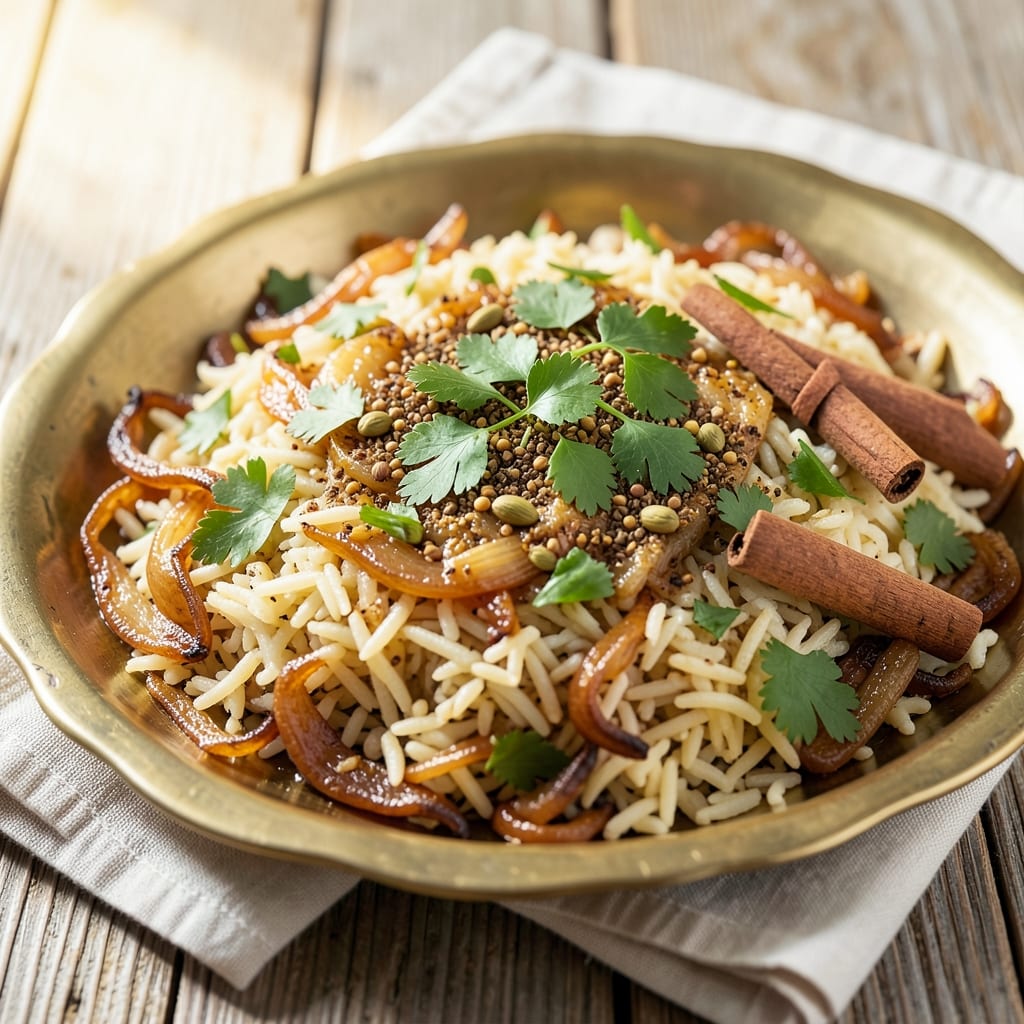
This Arabic rice pilaf recipe transforms simple basmati rice into a fragrant, golden dish that carries the soul of Middle Eastern kitchens. The secret lies in slow-toasting whole spices—cumin, cardamom, and cinnamon—until their oils infuse the ghee, creating a flavor foundation deeper than any pre-mixed blend. Saffron threads steeped in warm water dissolve into liquid gold, turning ordinary rice into something extraordinary, with each grain absorbing layers of aroma and color.
What sets this pilaf apart is the technique: parboiling the rice in broth before layering it with crispy onions and toasted spices ensures every bite is tender yet distinct. The dish pairs beautifully with grilled meats, roasted vegetables, or even as a standalone centerpiece for special occasions. Unlike quick-cooking methods, this recipe rewards patience with restaurant-quality results that taste like home.
For those seeking authenticity, traditional versions include lamb or chicken, but modern adaptations work with vegetables, chickpeas, or even plant-based proteins. The final touch—crispy fried onions and fresh herbs—adds texture and brightness, balancing the rich spice profile. This is rice pilaf as it should be: complex, aromatic, and deeply satisfying.
Perfect for family gatherings, holiday feasts, or weeknight dinners when you crave something special. The method is straightforward, but the flavors are anything but ordinary. Let’s bring the warmth of an Arabic kitchen to your table.
Ingredients for arabic rice pilaf
Toasted spices, saffron-infused broth, and crispy onions create this aromatic Middle Eastern masterpiece.
| Ingredient | Amount | Notes |
|---|---|---|
| Long-Grain Basmati Rice 🍚 | 2 cups | Uncooked, rinsed thoroughly |
| Unsalted Ghee 🧈 | ½ cup | Clarified butter for rich flavor |
| Yellow Onions 🧅 | 2 whole | Thinly sliced, preferably yellow |
| Ground Cumin Seeds 🌿 | 1 ½ tbsp | Freshly toasted for depth |
| Green Cardamom Pods 🌿 | 8 whole | Lightly crushed, seeds only |
| Cinnamon Sticks 🌿 | 2 whole | Lightly toasted, 1-inch pieces |
| Saffron Threads 🌼 | ¼ tsp | High-quality, organic preferred |
| Chicken Broth 💧 | 3 cups | Homemade or low-sodium |
| Fresh Parsley 🌿 | ¼ cup | Finely chopped, for garnish |
| Fresh Mint Leaves 🌿 | 0.15 cup | Finely chopped, optional |
| Salt 🧂 | 1 tsp | Diamond Crystal kosher salt |
| Black Peppercorns 🌶️ | ½ tsp | Freshly cracked, coarse |
| Lemon Juice 🍋 | 1 tbsp | Freshly squeezed, for brightness |
| Vegetable Oil 🫒 | ¼ cup | For frying onions, neutral flavor |
The spices are the heart of this pilaf—toast them whole in ghee until fragrant, then grind lightly for maximum flavor. Penzeys Spices or high-quality bulk bins are ideal for authentic taste. Saffron demands care: soak the threads in warm broth for 10 minutes before adding to rice, ensuring full dissolution. For onions, yellow varieties caramelize best; slice them thinly for even cooking. Ghee adds richness without dairy flavor—Ghee House brand is a reliable choice for consistency.
No saffron? Turmeric at 1/4 tsp mimics golden color, though lacks aroma. Substitute chicken broth with vegetable broth for vegetarian versions, but reduce salt by half. Fresh herbs can be swapped: cilantro for parsley works well, though mint’s brightness is unique. For a quicker version, use pre-toasted spice blends (like Middle Eastern baharat), but homemade toasting elevates the dish. If your rice lacks aroma, steep a bay leaf in the broth during cooking for depth.
Store cooked pilaf in an airtight container with parchment between layers to prevent sogginess—keeps 4-5 days in the fridge. For longer storage, freeze portions for up to 3 months, reheating gently with a splash of broth. The flavors deepen overnight, so make extra for leftovers. Garnish with crispy fried onions just before serving to maintain texture—these can be prepped ahead and stored separately.
Why You'll Love This Recipe
- One-Pot Magic: I swear by this recipe because it’s literally one pot—no fancy tools, no extra bowls. Just rice, ghee, and spices simmering together until the onions caramelize into sweet, golden bits. My lazy Sundays thank me every time.
- Spice Bomb Flavor: That first bite? Chef’s kiss. The cumin and cardamom hit you like a warm hug—earthy, slightly sweet, with a depth that turns plain rice into something special. Honestly, I’ve tried store-bought spice mixes, but this combo is next-level.
- Meal Prep MVP: This keeps perfectly for days, which is huge for me. I make a big batch on Sundays, and it’s my go-to for lunches or to bulk up simple dinners like grilled chicken or roasted veggies. No soggy rice here—it stays fluffy and fragrant.
- Budget-Friendly Luxury: Ghee might sound fancy, but a little goes a long way, and the rest of the ingredients are pantry staples. I’ve fed four people for under $10 with this, and it still tastes like I spent hours in the kitchen. (Spoiler: I didn’t.)
Step-by-step instructions for Arabic rice pilaf
Here's how to craft this fragrant, spice-infused pilaf with restaurant-quality technique.
Prepare the Spice Base
Heat the 0.25 cup vegetable oil in a heavy-bottomed pot over medium heat. Add the 2 whole yellow onions, sliced thinly, and cook for 8-10 minutes until they turn a deep golden brown. This caramelization builds the pilaf's foundational flavor. Remove the onions and set aside.
In the same pot, add the 0.5 cup unsalted ghee and swirl to coat the bottom. Add the 1.5 tbsp ground cumin seeds, 8 whole green cardamom pods (lightly crushed), and 2 whole cinnamon sticks (broken into 1-inch pieces). Toast for 1-2 minutes until fragrant—you should smell the warm spices wafting through your kitchen. Immediately add the 0.25 tsp saffron threads and stir for 30 seconds to infuse their vibrant color and delicate flavor.
Toast the Rice for Nuttiness
Add the 2 cups long-grain basmati rice to the pot and stir continuously for 2-3 minutes until the grains become translucent at the edges and release their natural starch. This toasting step prevents mushy rice and develops a subtle nutty flavor. Watch closely—the rice should take on a slightly golden hue while maintaining its shape.
Return the caramelized onions to the pot along with the 3 cups chicken broth, 1 tsp salt, and 0.5 tsp black peppercorns. Bring to a gentle boil, then reduce heat to low and cover tightly with a lid. Let it simmer for 15 minutes without disturbing it—this allows the rice to absorb the liquid evenly and develop its signature texture.
Rest and Fluff to Perfection
After 15 minutes, turn off the heat and let the rice sit covered for another 10 minutes. This resting period is crucial—it allows the steam to redistribute and the grains to plump fully. Once rested, fluff the rice gently with a fork, being careful not to break the grains. The result should be separate, fluffy grains with a golden hue from the spices.
Stir in the 1 tbsp lemon juice to brighten the flavors and prevent the rice from drying out. Finally, fold in the 0.25 cup fresh parsley and 0.15 cup fresh mint leaves for a fresh herbal finish. Serve immediately while still warm, garnished with additional herbs if desired. The pilaf should be fragrant, with each grain distinct and infused with the warm spices and saffron's golden hue.
Pro Tips For Making Arabic Rice Pilaf
- CRACK THE ONIONS FIRST: Don’t just chop—smash those yellow onions with the flat side of your knife first. This breaks down their fibers and releases more juice, which means better flavor infusion in the ghee. I used to skip this, and the onions would just sit there, bland and underwhelming.
- TOAST THE SPICES LOW: Ground cumin and cardamom pods burn faster than you think. Start them in the ghee on medium-low heat, stirring constantly, until you smell that toasty aroma—not brown, just fragrant. After burning three batches, I finally figured out: patience here means depth later.
- RINSE THE RICE UNTIL CLEAR: Basmati rice needs a good scrubbing—rinse it in a fine-mesh strainer under cold water until the water runs nearly transparent. This removes excess starch, so your pilaf stays separate and fluffy, not gummy. I know, it’s tedious, but trust me: your future self will notice the difference.
- COVER IT TIGHT AFTER BOILING: Once the rice hits a rolling boil, slap that lid on snug—no gaps, no peeking. The steam needs to circulate, or you’ll end up with dry edges and sad, undercooked centers. I skip the foil trick here; just use a tight lid and let it steam undisturbed for the full 15 minutes. (Yes, even if you’re impatient like me.)
Serving suggestions for this recipe
Grilled Meat Pairings
This aromatic pilaf is a showstopper alongside grilled lamb chops or marinated chicken thighs. The warm spices in the rice complement the charred flavors beautifully. I like to serve it with rosemary-marinated lamb—the herb’s piney notes cut through the richness of the ghee and saffron. For a lighter option, try grilled halloumi cheese skewers, which add a salty contrast that balances the dish’s sweetness. 🔥
Vegetarian Showcases
Don’t let the traditional meat associations fool you—this pilaf shines with plant-based proteins too. Pair it with crispy chickpea fritters (tossed in cumin and smoked paprika) or roasted eggplant drizzled with tahini. I’ve also had great success with grilled portobello mushrooms—their meaty texture holds up perfectly. For a complete vegetarian spread, add a side of harissa-roasted carrots to echo the dish’s warm spices.
Beverage Harmony
For drinks, minty jasmine tea is my go-to—its floral notes mirror the saffron’s aroma while the tea’s coolness contrasts the dish’s warmth. If you prefer alcohol, a dry white wine like Vermentino from Sardinia works beautifully, with its citrusy brightness cutting through the ghee’s richness. For a non-alcoholic option, sparkling pomegranate juice adds a festive touch that complements the pilaf’s vibrant colors. 🍷
Garnish Like a Pro
The final presentation matters just as much as the cooking. After serving, top each portion with crispy fried onions (reserve some from the cooking process) and a sprinkle of toasted slivered almonds for crunch. Fresh herbs like cilantro or dill add a pop of color and brightness. For extra flair, drizzle with a lemon-garlic sauce (mix 2 tbsp lemon juice, 1 minced garlic clove, and 3 tbsp olive oil) just before serving. ✨
Holiday Feast Potential
This pilaf elevates any special occasion. Serve it as the centerpiece of a Ramadan iftar spread, paired with spiced lamb stew and date-stuffed pastries. For Christmas, add cranberry sauce (sweet-tart contrast) and roasted Brussels sprouts with bacon. The dish’s versatility makes it perfect for wedding banquets too—just add a side of smoked salmon and cucumber-yogurt dip for a modern twist. The key is balancing textures: creamy, crispy, and tender all at once. 💫
Nutrition facts
Frequently asked questions
Can I substitute basmati rice with another type?
While basmati rice is ideal for its long grains and aromatic qualities, you can use jasmine rice or long-grain white rice in a pinch. Avoid short-grain varieties like sushi rice—they’ll turn mushy. For extra flavor, try parboiled rice, but reduce cooking time by 2-3 minutes since it absorbs liquid faster.
How do I make this recipe vegetarian?
Swap the chicken broth for vegetable broth and reduce salt by half. Add 1 can chickpeas (drained) or 1 cup roasted vegetables during the final 5 minutes of cooking. For protein, serve with grilled halloumi or spiced tofu. The saffron and spices will still shine!
Why does my rice turn out mushy?
Mushy rice usually means overcooking or insufficient toasting. Always toast the rice for 2-3 minutes until translucent before adding liquid. Use a heavy-bottomed pot and keep heat at low after boiling. If using a rice cooker, follow the 1:1.5 rice-to-liquid ratio and let it steam for 10 minutes after cooking.
Can I make this ahead of time?
Yes! Cook the pilaf up to 2 days ahead and store in an airtight container. Reheat gently with 2 tbsp broth per cup of rice, covered on low heat or in the microwave. For best texture, add fresh herbs and crispy onions just before serving. The flavors actually improve overnight!
What's the best way to store leftovers?
Keep cooked pilaf in the fridge for 4-5 days in an airtight container with parchment between layers. For longer storage, freeze portions for up to 3 months. Thaw overnight in the fridge—never at room temperature. Reheat slowly with a splash of broth to restore moisture.