
Main Courses
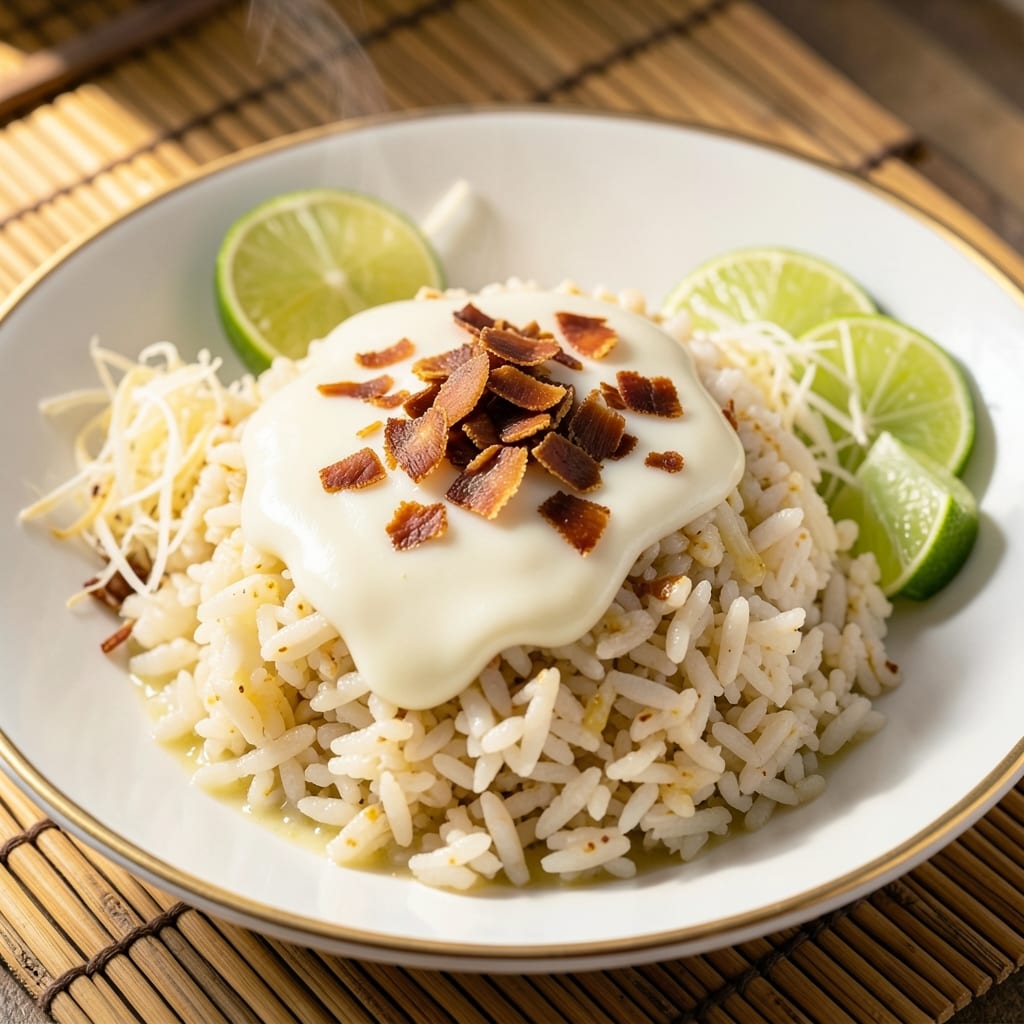
This Asian coconut rice recipe transforms simple jasmine rice into a luxurious, fragrant dish with a silky creaminess that balances perfectly with toasted coconut notes. The secret lies in using coconut milk and a light toasted coconut base that adds depth without overpowering the delicate rice. I developed this version after tasting authentic Filipino ginataang rice, where coconut milk simmers with rice until it achieves that signature velvety texture.
The process is straightforward but requires patience—cooking the rice in coconut milk instead of water creates a naturally rich, slightly sweet flavor profile. A quick toast to the coconut flakes before adding them releases their natural oils, enhancing the aroma and adding a subtle crunch. This method works beautifully with jasmine rice, though basmati or sticky rice can also be used depending on your preference.
What you’ll end up with is a dish that’s creamy yet light, aromatic with coconut, and perfectly balanced in sweetness and richness. The texture is melt-in-your-mouth, with each grain coated in a delicate coconut cream. Serve it alongside grilled chicken, shrimp, or tofu for a complete meal that feels both comforting and elegant.
This recipe scales effortlessly—double the batch for leftovers or meal prep—and the coconut flavor deepens overnight, making it even more delicious the next day. Whether you’re serving it for a family dinner or a special occasion, this coconut rice will be the star of the meal.
Ingredients for asian coconut rice
Simple ingredients, luxurious results—this Asian coconut rice recipe transforms ordinary rice into a velvety, fragrant dish.
| Ingredient | Amount | Notes |
|---|---|---|
| Jasmine Rice 🍚 | 1 cup | Uncooked, long-grain preferred |
| Coconut Milk 🥥 | 1 ½ cups | Full-fat canned, unsweetened |
| Unsweetened Shredded Coconut 🥥 | ½ cup | Toasted until golden |
| Coconut Flakes 🥥 | ¼ cup | Toasted for extra crunch |
| Water 💧 | 1 cup | For initial rice rinse |
| Light Coconut Cream 🥥 | ¼ cup | From canned coconut milk |
| Salt 🧂 | ½ tsp | Fine sea salt preferred |
| White Sugar 🍚 | 1 tbsp | Adjust to taste |
| Fresh Lime Juice 🍋 | 1 tbsp | Brightens the flavor |
| Fresh Cilantro Leaves 🌿 | ¼ cup | Chopped for garnish |
| Extra-Virgin Olive Oil 🫒 | 1 tbsp | For toasting coconut |
| Garlic Cloves 🧄 | 2 cloves | Minced for aroma |
The coconut milk is the real MVP here. Thai Kitchen or Goya brands are my go-tos—they’re creamy without being overly sweet. Grab the full-fat canned version, not the carton kind. The shredded coconut? Unsweetened is key—sweetened will throw off the balance. I always toast mine in a dry pan with a splash of olive oil until golden—about 3-4 minutes—that’s what gives it that authentic crunch. If you’re short on time, the microwave works too (just 1 minute, stir halfway). For the rice, jasmine is ideal, but basmati or sticky rice both work in a pinch.
No coconut milk? Substitute with equal parts heavy cream and a splash of coconut extract—it’s not perfect, but it’ll get you close. Running out of shredded coconut? Toasted coconut flakes at double the amount give a similar texture. The lime juice can be swapped for lemon juice or a pinch of citric acid if you’re out of limes. Fresh cilantro is best, but dried cilantro at half the amount works if you’re in a bind. The garlic is optional but recommended—it adds a subtle depth that makes the dish sing. If you’re serving this with spicy dishes, add a pinch of chili flakes to the finished rice.
This rice tastes even better the next day—the flavors meld beautifully overnight. Store leftovers in an airtight container in the fridge for up to 4 days. For meal prep, portion into individual containers so you can grab and reheat. If you’re freezing, let it cool completely first, then freeze for up to 3 months. To reheat, add a splash of water or coconut milk and warm gently on the stove—microwaving can make it gummy. Garnish with extra toasted coconut and cilantro right before serving for the freshest flavor.
Why You'll Love This Recipe
- No Fuss, One-Pot Magic: I swear by this—just rice, coconut milk, and a splash of water. No chopping, no multiple pans, no stress. The rice soaks up that creamy coconut flavor while it cooks, turning into something silky and golden with zero effort.
- Creamy Without the Guilt: That first bite of jasmine rice with coconut milk? It’s like a hug for your taste buds. The shredded coconut on top adds a little crunch, and the flakes on the surface? Pure texture magic. Honestly, it’s the kind of dish that makes you want to skip dessert.
- Lunchbox Hero: Between us, this is my go-to for meal prep. The rice keeps well for days, and I’ll often pack it cold with a sprinkle of coconut flakes—kids love it, and it’s way more exciting than plain white rice. (Yes, even on a Tuesday night.)
- Budget Luxury: Coconut milk is cheap, rice is cheap, and a little goes a long way. I make big batches and freeze portions—perfect for when I’m craving something fancy but don’t want to break the bank. It’s my secret weapon for feeling like I’m eating out without the price tag.
Step-by-step instructions for Asian coconut rice
Here's how to create restaurant-quality coconut rice with a perfect balance of creamy texture and toasted coconut crunch.
Toast the Coconut Base for Maximum Flavor
Heat a small skillet over medium heat and add the 1 tablespoon extra-virgin olive oil. Once shimmering, add the 0.5 cup unsweetened shredded coconut and the 0.25 cup coconut flakes, spreading them evenly in the pan. Toast for 3-4 minutes, stirring frequently, until the coconut turns a beautiful golden brown and releases a nutty aroma.
Here's the thing—this toasting step makes all the difference. The toasted coconut adds depth of flavor and texture that plain coconut can't match. Transfer the toasted coconut to a small bowl and set aside, reserving any remaining oil in the pan for later. Don't skip this step; it's what transforms ordinary rice into something extraordinary.
Cook the Jasmine Rice to Perfect Al Dente
In a medium saucepan, combine the 1 cup jasmine rice with the 1 cup water and bring to a boil over high heat. Once boiling, immediately reduce heat to low, cover tightly with a lid, and let simmer for 12 minutes without lifting the lid. You're aiming for rice that's tender but still has a slight bite—this ensures it won't turn mushy when mixed with the coconut milk later.
I know it seems counterintuitive to cook rice in water first, but this two-step method gives you complete control over the final texture. After 12 minutes, turn off the heat and let the rice steam off any excess moisture for 5 minutes, still covered. The rice should be tender but not falling apart when you stir it gently with a fork.
Create the Creamy Coconut Mixture
Return the saucepan to low heat and add the 1.5 cups coconut milk, 0.25 cup light coconut cream, 0.5 teaspoon salt, and 1 tablespoon white sugar. Stir gently to combine, then add the 2 minced garlic cloves and cook for 2-3 minutes until the garlic is fragrant but not browned. This gentle heating helps infuse the coconut milk with garlic flavor without overpowering the delicate rice.
Now carefully fold in the cooked rice using a wooden spoon or spatula, mixing until every grain is coated in the creamy coconut mixture. The rice should absorb the coconut milk gradually—don't rush this part. If the mixture looks too thick after 3-4 minutes of stirring, add 1-2 tablespoons water to reach your desired creamy consistency. The goal is silky, not soupy.
Finish with Lime and Garnish
Remove the saucepan from heat and stir in the 1 tablespoon fresh lime juice. This bright citrus note cuts through the richness of the coconut, balancing the flavors beautifully. Taste and adjust the seasoning if needed—you might want to add a pinch more salt or sugar to suit your preference.
To serve, transfer the coconut rice to a bowl and gently fold in the 0.25 cup chopped fresh cilantro leaves and the toasted coconut mixture you prepared earlier. The contrast between the creamy rice and the toasted coconut crunch is what makes this dish truly special. Serve immediately while warm, garnished with additional coconut flakes if desired.
Pro Tips For Making Asian Coconut Rice
- TOAST THE COCONUT FIRST: I learned this the hard way—skipping this step leaves the rice tasting flat. Lightly toast the unsweetened shredded coconut and flakes in a dry pan for 2-3 minutes until golden. The nutty aroma deepens, and the texture becomes crispier when mixed in later.
- USE FULL-FAT COCONUT MILK: The canned stuff labeled "light" or "low-fat" won’t cut it here. Full-fat coconut milk (40% or higher) adds richness and prevents the rice from turning gummy. I was skeptical until I tried it—it makes a real difference in creaminess.
- DON’T SKIP THE SOAK: Give the jasmine rice a 20-minute soak in water before cooking. This absorbs excess starch, so the coconut milk doesn’t turn the rice gluey. (Yes, even if you’re impatient like me—trust the process.)
- STIR JUST ONCE AT END: After the rice absorbs the coconut milk, resist the urge to stir constantly. One gentle fold at the very end keeps the grains separate and fluffy. Overmixing turns it into a clump—your future self will thank you.
Best sauces and condiments for this recipe
Sweet Chili Sauce
This Thai-inspired sauce adds a perfect balance of sweet and spicy to your coconut rice. Mix 2 tablespoons soy sauce, 1 tablespoon fish sauce, 1 tablespoon rice vinegar, 1 tablespoon honey, 1 teaspoon minced garlic, ½ teaspoon red pepper flakes, and 1 teaspoon grated ginger. Simmer for 2 minutes until the honey dissolves, then drizzle over the finished rice. The sweetness complements the coconut beautifully while the chili adds a subtle kick. 🌶️
Lime Cilantro Dressing
Brighten your dish with this zesty dressing—perfect for drizzling over the rice or using as a dip for accompanying veggies. Blend ½ cup chopped cilantro, 3 tablespoons lime juice, 2 tablespoons olive oil, 1 minced garlic clove, ½ teaspoon salt, and ¼ teaspoon black pepper until smooth. The lime’s acidity cuts through the coconut’s richness, creating a refreshing contrast. Store in an airtight container for up to 3 days.
Peanut Satay Sauce
For a richer, nutty profile, blend ½ cup smooth peanut butter, 2 tablespoons soy sauce, 1 tablespoon brown sugar, 1 tablespoon lime juice, 1 teaspoon grated ginger, and ½ teaspoon chili flakes with 2 tablespoons warm water to thin. Drizzle over the rice or use it as a dipping sauce for grilled meats. The peanut adds depth while keeping the dish light and aromatic. 🥜
Garlic Ginger Dressing
Infuse your rice with bold flavors using this aromatic dressing. Sauté 3 minced garlic cloves and 1 teaspoon grated ginger in 1 tablespoon olive oil until fragrant (1-2 minutes), then stir in 2 tablespoons coconut milk, 1 tablespoon lime juice, and ½ teaspoon salt. Pour over the rice just before serving for a fragrant, savory boost. This dressing works especially well with grilled shrimp or chicken.
Mango Dipping Sauce
Add a tropical twist with this sweet and tangy sauce. Blend ½ cup ripe mango purée, 1 tablespoon lime juice, 1 teaspoon honey, ½ teaspoon salt, and 1 tablespoon water until smooth. Drizzle lightly over the rice or serve on the side for dipping. The mango’s natural sweetness enhances the coconut’s creaminess while adding a vibrant color. 🍈
Sesame Soy Glaze
For an umami-rich finish, whisk together 2 tablespoons soy sauce, 1 tablespoon mirin, 1 teaspoon sesame oil, ½ teaspoon grated ginger, and 1 teaspoon honey. Simmer for 2 minutes to blend flavors, then drizzle over the rice. The sesame adds a nutty aroma, while the soy sauce ties everything together. This glaze pairs exceptionally well with teriyaki-glazed proteins or roasted vegetables.
Nutrition facts
Frequently asked questions
Can I make this coconut rice with brown rice or other varieties?
While jasmine rice is ideal for its delicate texture, you can adapt this recipe for brown rice or sticky rice. For brown rice, increase cooking time by 20-25 minutes and use 1.5 cups water instead of 1 cup to account for its longer cooking process. Sticky rice will yield a slightly chewier texture but still absorbs the coconut milk beautifully. Just reduce the coconut milk to 1 cup to prevent mushiness.
How do I prevent the rice from turning mushy when mixing with coconut milk?
Undercooking the rice slightly before adding coconut milk is key. Cook it for just 12 minutes (instead of the usual 15-18 minutes) and let it steam 5 minutes off the heat—this ensures it's al dente. When folding in the coconut mixture, use low heat and stir gently. If it starts looking too thick, add 1-2 tablespoons water gradually. Never microwave the rice after adding coconut milk, as the uneven heating will break down the grains.
What's the best way to store leftover coconut rice?
Store leftovers in an airtight container in the fridge for up to 4 days. The flavors actually improve overnight! To reheat, add 1-2 tablespoons water or coconut milk per cup of rice and warm on low heat until steaming. Microwaving can make it gummy—avoid it if possible. For freezing, let the rice cool completely, then freeze for up to 3 months. Thaw in the fridge before reheating.
Can I use coconut cream instead of coconut milk?
Yes, but with adjustments! Coconut cream is thicker, so use 1 cup coconut cream + ½ cup water to replace 1.5 cups coconut milk. The texture will be richer but slightly denser. For a lighter version, blend the coconut cream with ½ cup water first to create a milk-like consistency. Either way, reduce the sugar slightly (½ tablespoon) since coconut cream is naturally sweeter. Stir in extra lime juice if needed to balance the richness.
What are the best protein pairings for this coconut rice?
This dish pairs beautifully with grilled chicken thighs (marinated in soy sauce and garlic), pan-seared shrimp (with a hint of chili), or crispy tofu (pressed and baked). For vegetarian options, try tempeh or mushroom stir-fry. The coconut rice's creamy texture contrasts perfectly with the smoky char of grilled meats or the crispy exterior of fried proteins. For a complete meal, add steamed bok choy or a simple cucumber salad.