
Main Courses
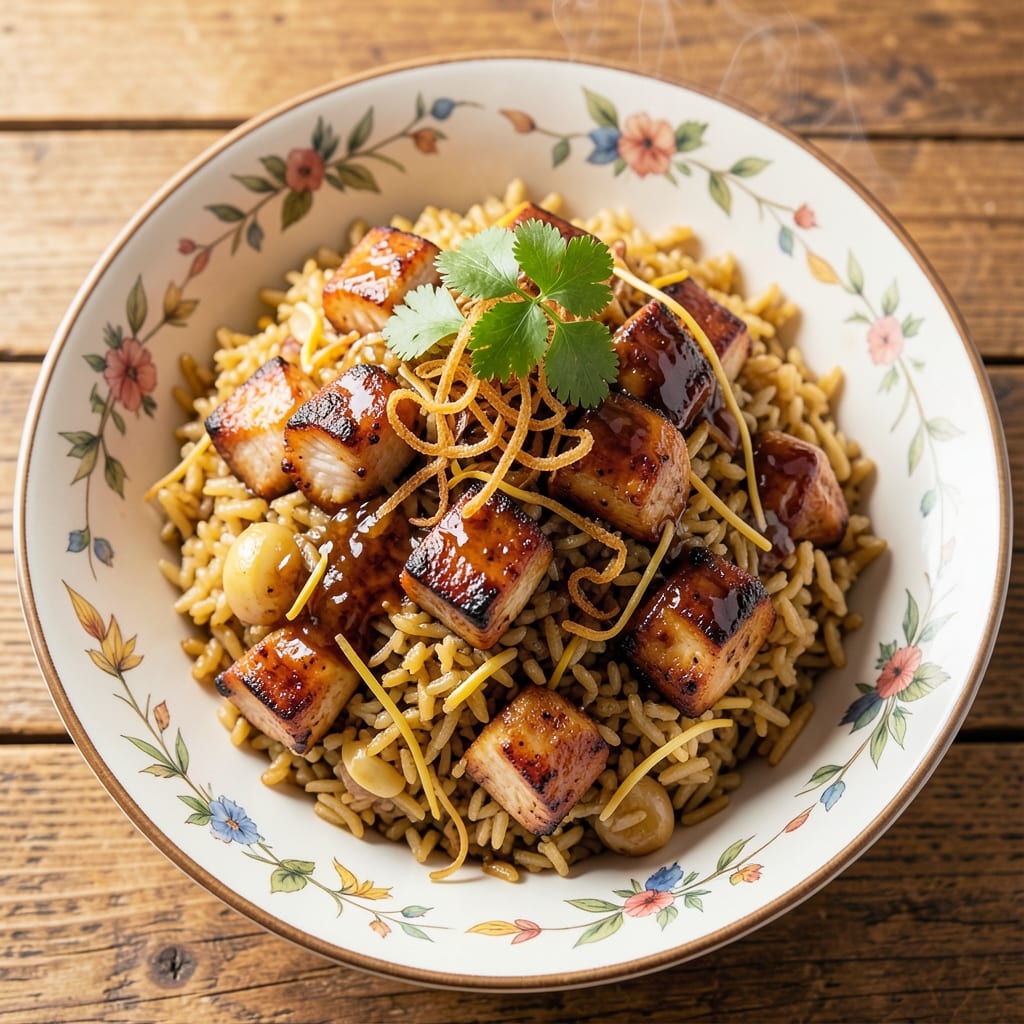
This Asian dirty rice recipe transforms simple ingredients into a fragrant, umami-rich dish with wok-seared aromatics and crispy edges. The secret lies in high-heat stir-frying—where garlic, ginger, and chili infuse the rice with layers of flavor while keeping it perfectly textured. I developed this version after years of perfecting the balance between tender rice, savory protein, and bold seasonings that feel authentically Asian without requiring specialty ingredients.
What sets this recipe apart is the two-step cooking process: first, the protein (chicken, pork, or shrimp) is marinated and seared to lock in juices, then stir-fried with aromatics until caramelized. Meanwhile, the rice cooks in a fragrant broth infused with fish sauce, soy sauce, and a touch of coconut milk for depth. The final wok-toss combines everything into a dish that’s restaurant-quality but achievable at home with basic tools.
The result is a crunchy, flavor-packed one-pan meal where each bite delivers a symphony of textures—crispy fried shallots, tender rice, and succulent protein—all bound together by a sauce that’s tangy, sweet, and deeply savory. This dish shines as a weeknight dinner or a showstopper for gatherings, especially when paired with a cold Vietnamese beer or a crisp green salad to balance the richness.
For extra authenticity, garnish with fresh herbs like cilantro or Thai basil, and serve with lime wedges to brighten every bite. The recipe scales effortlessly, so double it for leftovers or a crowd—just be prepared to clear your plate first. Let’s get cooking!
Ingredients for asian dirty rice
Jasmine rice, wok-seared aromatics, and umami-packed proteins create this restaurant-quality Asian dirty rice.
| Ingredient | Amount | Notes |
|---|---|---|
| Jasmine Rice 🍚 | 1 ½ cups | Uncooked, long-grain preferred |
| Chicken Breast 🍗 | 1 ½ lb | Boneless, skinless, cut into 1-inch cubes |
| Shallots 🧅 | ½ cup | Thinly sliced, about 6-8 cloves |
| Garlic Cloves 🧄 | 6 cloves | Minced finely for aromatic punch |
| Fresh Ginger 🌿 | 2 tbsp | Grated finely, about 1-inch piece |
| Fish Sauce 🍶 | 2 tbsp | Red Boat preferred for authenticity |
| Soy Sauce 🥫 | 3 tbsp | Light or all-purpose variety |
| Coconut Milk 🥥 | ½ cup | Full-fat for creamy richness |
| Thai Chili Paste 🌶️ | 1 tbsp | Maesri or similar for heat |
| Vegetable Oil 🫒 | ½ cup | High smoke point for wok-searing |
| Green Onions 🧅 | ¼ cup | Sliced thin for garnish |
| Fresh Cilantro 🌿 | ¼ cup | Chopped, for fresh finish |
| Lime Juice 🍋 | 2 tbsp | Freshly squeezed for brightness |
| Salt 🧂 | 1 ½ tsp | Diamond Crystal preferred |
| Black Pepper 🌶️ | ½ tsp | Freshly ground for heat |
The jasmine rice is non-negotiable for its fragrant aroma and delicate texture. Day-O brand from Asian markets delivers the best quality, but any long-grain variety works in a pinch. For the protein, chicken breast is ideal—cut into even 1-inch cubes to ensure consistent cooking. If you prefer pork or shrimp, adjust the cooking time accordingly; shrimp cooks in half the time. The shallots and garlic should be freshly sliced and minced just before cooking to preserve their bright flavors—don't use pre-chopped bags. Fresh ginger is essential too; avoid powdered substitutes as they lack the complexity of freshly grated.
No fish sauce? Soy sauce plus a dash of Worcestershire approximates the umami, though it won't be identical. The Thai chili paste adds depth—Maesri or Sriracha work well if you can't find authentic. For extra crunch, fry shallots separately until golden and sprinkle them on top at the end. The coconut milk should be full-fat for that creamy texture, but light coconut milk works if you're watching calories. Fresh herbs like cilantro and Thai basil elevate the dish, but skip them if you prefer a more traditional presentation. Lime juice brightens everything, so always use freshly squeezed.
This dish reheats beautifully—just add a splash of water and cover to steam. Store leftovers in an airtight container for up to 4 days in the fridge, or freeze for 3 months. For make-ahead prep, cook the rice and protein separately, then combine just before serving to maintain crispy textures. Garnish with lime wedges and fried shallots right before eating to preserve the freshness. The flavors actually improve overnight as everything melds together—perfect for meal prep.
Why You'll Love This Recipe
- One-Pan Magic: I swear by this—just toss everything in one skillet, stir occasionally, and walk away. No fancy techniques, no extra pots. The chicken cooks right in the rice, soaking up all that fragrant ginger and shallot goodness while you do whatever else needs doing.
- Umami Bomb: That crispy chicken, caramelized shallots, and fresh ginger? It’s like a flavor explosion in your mouth. The jasmine rice soaks up the juices, turning each bite into a little burst of savory-sweet perfection—no heavy sauces needed.
- Lunchbox Hero: Between us, this is my go-to for meal prep. The rice stays fluffy for days, and the chicken reheats like a dream. Pack it in containers, and you’ve got a satisfying lunch that tastes like you spent hours cooking—even on a Monday morning.
- Budget-Friendly Feast: Jasmine rice and chicken breast stretch into a full meal without breaking the bank. Honestly, I make this twice a month because it’s so cost-effective, yet still feels special. Leftovers? Even better the next day—if there are any.
Step-by-step instructions for wok-seared Asian dirty rice
This method delivers restaurant-quality dirty rice with perfectly seared aromatics and balanced umami flavors.
Prepare the Chicken and Aromatics
Cut the 1.5 lb chicken breast into 1-inch cubes and set aside. In a small bowl, combine the 6 cloves minced garlic cloves, 2 tbsp finely grated fresh ginger, 1.5 tsp salt, and 0.5 tsp black pepper. Mix well to create a flavorful marinade for the chicken.
Heat 0.25 cup vegetable oil in a large wok or skillet over medium-high heat until shimmering. Add the chicken cubes in a single layer, ensuring they don't overcrowd the pan. Sear for 4-5 minutes until the chicken develops a golden-brown crust and reaches 165°F internally. Remove the chicken and set aside on a plate.
Build the Aromatic Base
In the same wok, add 0.25 cup vegetable oil and let it heat until it reaches 350°F. Add the 0.5 cup thinly sliced shallots and cook for 2-3 minutes until they begin to soften and turn translucent. This is your signal to add the 1 tbsp Thai chili paste and stir for 1 minute to distribute the heat evenly.
Immediately add the garlic-ginger mixture to the wok and stir vigorously for 30 seconds—this prevents burning. The aromatics should sizzle and release their fragrance. Reduce heat to medium and cook for another 2 minutes until the garlic turns golden and the mixture emits an intense, aromatic scent.
Toast the Rice and Combine Ingredients
Add the 1.5 cups jasmine rice to the wok and stir for 1-2 minutes until the grains become translucent at the edges. This toasting step enhances the rice's nutty flavor and prevents mushiness. Pour in 2 cups water (or enough to cover the rice by about ½ inch) and bring to a boil.
Once boiling, reduce heat to low, cover the wok with a tight-fitting lid, and simmer for 15 minutes. After 15 minutes, stir the rice gently and add the 0.5 cup coconut milk, 2 tbsp fish sauce, and 3 tbsp soy sauce. Stir well to distribute the flavors evenly. Return the chicken to the wok and mix gently to coat the rice in the sauce.
Finish and Rest
Continue cooking uncovered for 5-7 minutes until the rice absorbs most of the liquid and develops a slightly crispy texture on the edges. The rice should be tender but still have a slight bite. Stir in the 2 tbsp lime juice and adjust seasoning if needed—add more fish sauce for saltiness or lime juice for brightness.
Remove the wok from heat and let the rice rest for 5 minutes, covered. This resting period allows the flavors to meld and the rice to steam slightly, resulting in a more cohesive texture. Garnish with 0.25 cup chopped fresh cilantro and 0.25 cup sliced green onions just before serving.
Pro Tips For Making Asian Dirty Rice
- CHAR THE GINGER: Use a microplane instead of grating—it releases oils and aroma instantly. I learned this the hard way after burning my nose twice trying to mince it by hand.
- COOK RICE SEPARATELY: Toast the jasmine rice in the same pan until fragrant, then remove and cook it separately in broth or water. This keeps the grains intact and prevents a mushy, gluey texture that ruins the dish.
- SALT THE CHICKEN FIRST: Season the chicken breast with salt and pepper before searing—it crisps better and stays juicier. I used to skip this, and the chicken always ended up dry and bland.
- SAUTE SHALLOTS LOW AND SLOW: Cook the shallots on medium-low heat until they’re golden, not brown—high heat burns them fast and turns bitter. Patience here makes the flavor sing.
Pro cooking tips for this dish
Wok-Seared Aromatics
High-heat searing is the secret to unlocking deep flavor in this dish. Start by heating your wok until it's smoking hot—this ensures your shallots and garlic caramelize properly. I use a carbon steel wok from Made In because it retains heat better than stainless steel. Add the shallots first and let them cook until they're golden and translucent before adding garlic—this prevents burning. 🔥
Protein Timing
Chicken should be seared until it reaches 165°F internally, but don't overcook it—this makes it dry. Remove it from the wok as soon as it hits temperature and set it aside. For extra flavor, I like to toss the cooked chicken with 1 tsp fish sauce and 1 tsp lime juice before mixing it back into the rice. This gives it a bright, umami kick.
Rice Texture Control
The key to perfect rice texture is toasting it first. Stir the raw jasmine rice in the hot wok for 1-2 minutes until the edges turn translucent. This step builds flavor and prevents mushy rice. Use 1.5 cups uncooked rice for 4 servings—it expands significantly when cooked. After adding water, let it boil vigorously for 1 minute before reducing to low heat to steam.
Sauce Balance
Fish sauce and soy sauce form the umami backbone of this dish, but coconut milk adds richness. I recommend Red Boat fish sauce for its clean, authentic flavor. For the perfect balance, taste as you go—add ½ tsp more fish sauce if it needs saltiness or 1 tsp lime juice for brightness. The sauce should coat the rice but not make it soggy. 💫
Resting Matters
Never skip the 5-minute rest after cooking. This allows the rice to absorb any remaining liquid and the flavors to meld. Cover the wok tightly with a lid or foil to trap steam. I've learned the hard way that serving immediately can result in dry rice—patience pays off here. Garnish with fresh herbs right before eating to keep them vibrant.
Equipment Upgrades
A wok with a lid is ideal, but a heavy-bottomed skillet works too. I use a wok thermometer to monitor oil temperature—350°F is perfect for searing. For extra crispy edges, finish the rice uncovered for the last 2-3 minutes of cooking. If you don't have a thermometer, watch for small bubbles forming around the rice as your indicator. ✨
Nutrition facts
Frequently asked questions
Can I substitute jasmine rice with another type?
Jasmine rice is ideal for its fragrant aroma and delicate texture, but you can use basmati rice or even long-grain white rice in a pinch. Avoid short-grain rice like sushi rice—it becomes too sticky and loses the perfect texture. For extra authenticity, opt for Thai jasmine rice from an Asian market.
How do I make this recipe spicier?
Add ½ to 1 teaspoon of chili flakes or an extra 1 tablespoon of Thai chili paste when building the aromatic base. For heat lovers, stir in 1 sliced Thai chili or a dash of Sriracha at the end. Adjust to taste—start with less and add more gradually.
Can I use pork or shrimp instead of chicken?
For pork, use 1.5 lb pork shoulder cut into 1-inch cubes and sear until golden. For shrimp, use 1.5 lb peeled shrimp and cook for just 2-3 minutes (they’re done when opaque). Shrimp releases moisture quickly, so pat them dry before cooking.
Why did my rice turn out mushy?
Mushy rice usually happens from overcooking or not toasting the rice first. Always toast the rice for 1-2 minutes in the wok before adding water, and reduce heat to low after boiling. If using a pot instead of a wok, cover tightly and cook for 15 minutes max. Let it rest 5 minutes before serving.
What’s the best way to reheat leftovers?
Reheat in a skillet over medium heat with 1 tablespoon of water or oil to steam the rice and prevent drying. Cover for 2-3 minutes, then stir in a splash of lime juice or fish sauce to revive flavors. Avoid microwaving—it makes the rice rubbery. Store leftovers in an airtight container for up to 4 days.