
Main Courses
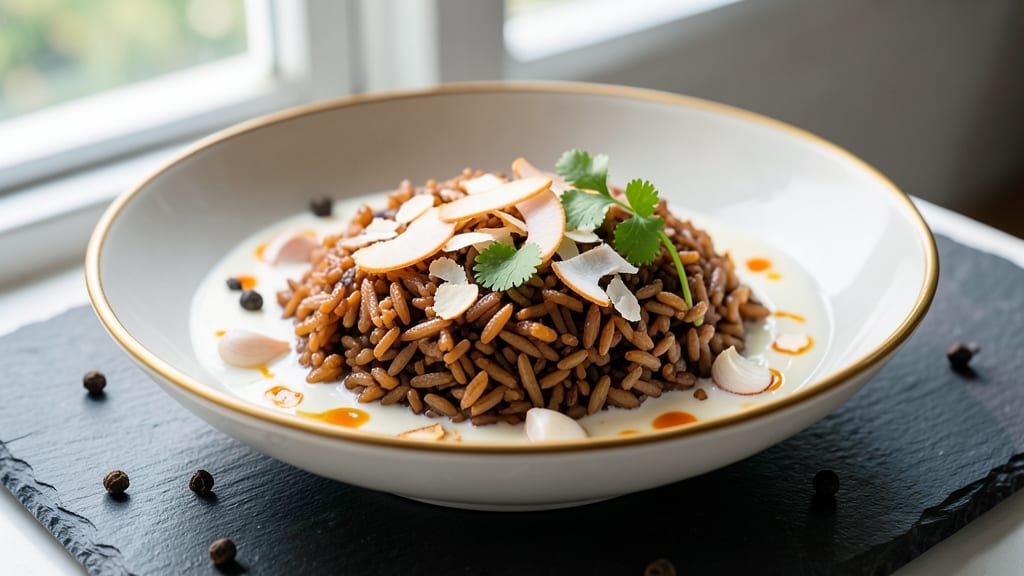
This brown jasmine rice recipe with coconut milk transforms a simple side into a luxurious dish with nutty depth and velvety richness. The soaking process unlocks the rice's natural fragrance, while coconut milk adds a creamy contrast that elevates every bite.
Perfect for curries, desserts, or as a standalone centerpiece, this method delivers restaurant-quality texture without the fuss.
By combining brown jasmine rice with coconut milk, you create a dish that balances earthy nuttiness with tropical sweetness—ideal for both savory and sweet applications. The stovetop method ensures even cooking, while optional herbs or spices let you customize the flavor.
Ready in just 40 minutes, this recipe proves gourmet doesn’t require complexity.
Ingredients for brown jasmine rice recipe coconut milk
Eleven ingredients combine earthy jasmine rice with tropical coconut milk for a luxurious side dish.
| Ingredient | Amount | Notes |
|---|---|---|
| Brown Jasmine Rice 🍚 | 1 cup | Uncooked, long-grain variety |
| Full-Fat Coconut Milk 🥥 | 1 can (13.5 oz) | High quality, no additives |
| Water 💧 | 2 ½ cups | Filtered or spring water preferred |
| Fresh Turmeric Root 🌿 | 1 tbsp | Freshly grated, vibrant color |
| Fresh Ginger Root 🌿 | 1 tbsp | Freshly grated, aromatic |
| Garlic Cloves 🧄 | 2 cloves | Minced, for aromatic depth |
| Extra-Virgin Olive Oil 🫒 | 1 tbsp | High quality, fruity flavor |
| Salt 🧂 | ½ tsp | Diamond Crystal kosher salt |
| Fresh Cilantro Leaves 🌿 | ¼ cup | Chopped, for garnish |
| Lime Juice 🍋 | 1 tbsp | Freshly squeezed, bright flavor |
| Honey 🍯 | 1 tsp | Raw, local preferred |
| Bay Leaves 🌿 | 1 whole | For subtle earthy aroma |
The quality of your brown jasmine rice makes all the difference—look for Thai or Vietnamese varieties at specialty markets like Whole Foods or Asian grocery stores. The rice should smell fragrant and have a slight sheen. For coconut milk, full-fat canned varieties like Thai Kitchen or Goya provide the richest texture. Fresh turmeric and ginger are non-negotiable here; their vibrant color and aroma are essential for that restaurant-quality depth. If you can't find fresh, ground turmeric (1 tsp) and ginger powder (1 tsp) will work, though the flavor won't be as bright.
No fresh turmeric? Ground turmeric at half the amount is the closest substitute, though it lacks the same earthy complexity. Short on coconut milk? Light coconut milk with an extra splash of heavy cream mimics the richness. The garlic can be roasted for a sweeter flavor—simply toss whole cloves in olive oil at 400°F for 10 minutes before mincing. For a sweeter finish, swap honey for maple syrup or agave nectar. The bay leaves are optional but add subtle earthiness; if you omit them, increase the turmeric by a pinch to compensate for the missing depth.
This rice keeps beautifully in the fridge for 4-5 days, though it's best enjoyed within 24 hours for peak texture. For longer storage, portion into airtight containers and freeze for up to 3 months. Reheat gently with a splash of water or coconut milk to restore creaminess. The dish reheats best at low heat—microwaving can make the rice dry. Double the recipe and freeze half; it's perfect for quick weeknight meals or as a base for curries and bowls.
Why You'll Love This Recipe
- No-Soaking Needed: The jasmine rice here plays nice—no pre-soaking, no fuss. Just rinse it once, add the coconut milk and water (that’s right, no measuring cups required), and let it simmer while you chop veggies or stir-fry. Honestly, my lazy Sundays now include this as a given.
- Golden Creamy Magic: That turmeric and ginger? They turn this rice into something ridiculously good—warm, fragrant, with just enough bite to cut through the richness of the coconut milk. The texture? Chewy but fluffy, like a hug for your taste buds. (Yes, even on a Tuesday night.)
- Leftover Luxury: This rice tastes better the next day—seriously. The flavors meld into something deeper, and it reheats like a dream (just add a splash of water). I’ve turned it into curry bowls, fried rice, or even a filling for stuffed peppers. My freezer’s full of it.
- Budget-Friendly Indulgence: Full-fat coconut milk makes it feel special, but it’s actually cheaper than takeout. Brown jasmine rice is a pantry staple, and a single turmeric root lasts me weeks. Between us, this is how I trick myself into eating well without breaking the bank.
Step-by-step instructions for brown jasmine rice with coconut milk
Transform simple brown jasmine rice into a fragrant, velvety dish using coconut milk and aromatic spices.
Toast the Rice for Enhanced Flavor
Heat a medium saucepan over medium-high heat. Add the 1 cup brown jasmine rice and stir gently for 2-3 minutes until the grains become translucent at the edges and develop a nutty aroma. This toasting step deepens the rice's natural flavors and prevents a raw taste in the finished dish.
Watch for the rice to turn a slightly deeper golden color—this indicates proper toasting. Avoid stirring too frequently as this can cause uneven browning. Once toasted, remove the pan from heat temporarily while you prepare the aromatics.
Sauté Aromatics in Olive Oil
Return the saucepan to medium heat and add the 1 tablespoon extra-virgin olive oil. Once the oil shimmers, add the 2 cloves minced garlic, 1 tablespoon freshly grated ginger root, and 1 tablespoon freshly grated turmeric root. Sauté for 1-2 minutes until the aromatics release their fragrance and turn lightly golden.
Here's where the dish builds its complex flavor profile: the ginger and turmeric should perfume the kitchen with their warm, earthy notes. If the aromatics start to darken too quickly, reduce the heat slightly. Add the 1 whole bay leaf and stir for another 30 seconds to infuse its subtle piney aroma.
Combine Rice with Coconut Milk and Water
Pour in the 1 can (13.5 oz) full-fat coconut milk and 2.5 cups water, stirring well to combine. The mixture should appear creamy and well-mixed. Bring to a gentle boil over medium heat, then immediately reduce to low heat. Add the 0.5 teaspoon salt and stir once more.
This is the moment that matters: the coconut milk will begin to break down slightly, creating a luxurious texture. Let the mixture simmer gently for 15 minutes, covered with a tight-fitting lid. The rice will absorb the coconut milk gradually, developing its signature velvety consistency.
Simmer to Perfect Texture
After 15 minutes, check the rice. If the liquid has been fully absorbed and the rice is tender but still slightly firm to the bite, remove from heat. If there's still liquid remaining, cover and let it steam for another 5 minutes. The rice should be tender enough to fluff easily with a fork but still hold its shape.
I know it seems counterintuitive, but slightly undercooking the rice at this stage prevents mushiness. The residual heat will finish cooking the rice perfectly while resting. If the rice looks dry, you can add a splash of warm water and cover for another 2-3 minutes—just enough to restore moisture without overcooking.
Finish with Bright Flavors
Remove the bay leaf and fluff the rice gently with a fork. Stir in the 1 tablespoon lime juice and 1 teaspoon honey, distributing evenly. The lime juice brightens the dish while the honey adds a subtle sweetness that balances the coconut's richness.
Finally, fold in the 0.25 cup chopped fresh cilantro leaves just before serving. The cilantro adds a fresh herbal note that contrasts beautifully with the creamy coconut rice. Serve immediately while still warm, garnished with additional cilantro if desired. The dish should be fragrant, velvety, and perfectly balanced in flavor.
Pro Tips For Making Brown Jasmine Rice Recipe Coconut Milk
- TOAST THE RICE FIRST: Brown jasmine rice has a tough outer layer—give it a quick 2-3 minute dry toast in a pot over medium-high heat before adding liquids. This step cuts cooking time by 10 minutes and prevents that gummy texture you hate when the rice sits in coconut milk too long.
- GRATE GINGER FINE: Skip the chunky slices—use a microplane or the smallest holes of a box grater for ginger. The finer the grate, the more flavor infuses into the coconut milk without leaving harsh, chewy bits. (Yes, even if you’re impatient like me.)
- SIMMER LOW AND LONG: After adding coconut milk, drop the heat to the lowest setting that keeps a gentle simmer. I learned this the hard way—boiling it too hard turns the rice mushy and splits the grains. Think "barely bubbling," not "rolling boil."
- USE LESS WATER: Brown jasmine rice absorbs more liquid than white rice, but coconut milk is thick—start with a 1:1.5 rice-to-water ratio instead of 1:2. If it’s still dry after 40 minutes, add a splash of milk, not water. (Your future self will thank you.)
Dietary considerations for this recipe
Gluten-Free Friendly
This recipe is naturally gluten-free since it relies on rice, coconut milk, and fresh ingredients without any wheat-based components. Always double-check your coconut milk brand—some store varieties contain additives with gluten traces. I recommend Thai Kitchen or Goya brands, which are certified gluten-free and free from cross-contamination. 🌱
Dairy-Free & Vegan
The combination of brown jasmine rice and coconut milk makes this dish inherently dairy-free and vegan-friendly. Coconut milk provides the creamy texture without any animal products, while the lime juice and honey (or maple syrup) add brightness.
For a fully plant-based version, simply omit the honey and use maple syrup instead. This makes it perfect for vegan diets or anyone avoiding dairy. 🥥
Low-Calorie Adaptations
To reduce calories, use light coconut milk instead of full-fat, cutting about 100 calories per serving. You can also reduce the olive oil to ½ tablespoon and use sugar-free maple syrup instead of honey.
Keep the same cooking method, but monitor the rice closely—light coconut milk may require 5-10 extra minutes of simmering to achieve the same creaminess. 💡
Nut-Free Considerations
This recipe is naturally nut-free, but always verify your coconut milk label—some brands process in facilities handling tree nuts. For extra caution, choose certified nut-free coconut milk like So Delicious or Silk.
The dish also avoids common allergens like dairy, eggs, and gluten, making it safe for many dietary restrictions. Always check ingredient labels for hidden additives. 🌿
Sweet vs. Savory Flexibility
Want to make this dish sweet? Replace the lime juice with orange zest and add ½ teaspoon cinnamon while cooking. For a savory version, increase the ginger and garlic to 1.5 tablespoons each and add ½ teaspoon smoked paprika.
The same base recipe adapts beautifully to both profiles—just adjust the finishing flavors. 🔥
Nutrition facts
Frequently asked questions
Can I use white jasmine rice instead of brown?
While you can substitute white jasmine rice, the texture and flavor will differ significantly. Brown rice maintains its nutty depth and chewy texture, which pairs beautifully with coconut milk's creaminess. White rice will absorb the coconut milk faster, potentially making the dish less rich. If you must use white, reduce the cooking time by 5 minutes and add 1 extra tablespoon coconut milk at the end for creaminess.
How do I prevent the rice from becoming mushy?
Mushy rice happens when overcooked or stirred too much. After simmering, let the rice sit covered off the heat for 5 minutes—this allows residual heat to finish cooking without overdoing it. Never stir the rice while cooking; instead, gently fluff with a fork at the end. For extra insurance, use a 1:2.5 rice-to-liquid ratio (1 cup rice to 2.5 cups total liquid) and check for doneness at 15 minutes.
Can I make this in an Instant Pot or rice cooker?
For the Instant Pot, combine all ingredients (except lime juice and cilantro) and cook on high pressure for 10 minutes, then natural release for 10 minutes. For rice cookers, use the same liquid ratio and cook until the rice is tender (30-40 minutes on high). The coconut milk may curdle slightly in high-heat appliances—stir gently after cooking to restore creaminess.
What are the best ways to serve this coconut rice?
This versatile dish works as a side for curries, grilled meats, or fish. For a complete meal, pair it with coconut-based curries, teriyaki chicken, or seared salmon. Try it sweet as a dessert base with mango slices and toasted coconut flakes, or savory with crispy tofu and fresh herbs. The coconut milk's richness balances both sweet and savory flavors beautifully.
Why does my coconut rice taste bland?
Bland flavor usually means insufficient aromatics or under-seasoning. Ensure you toast the rice properly and sauté the ginger, garlic, and turmeric until fragrant. Add a pinch more salt (¼ teaspoon extra) or a splash of fish sauce (½ teaspoon) for umami depth. Fresh herbs like cilantro or Thai basil brighten the dish instantly. The coconut milk should be full-fat for maximum flavor—light versions lack richness.