
Main Courses
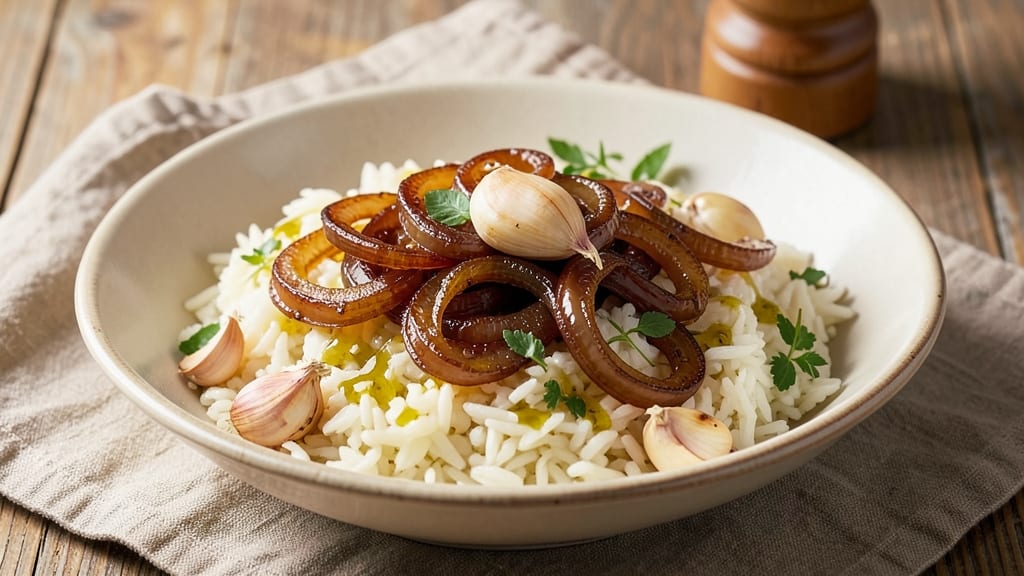
This brown onion rice recipe transforms simple ingredients into a fragrant, caramelized base that elevates any meal. The key lies in slow-cooking sliced brown onions until they develop deep sweetness and rich color—a process that infuses the rice with layers of flavor.
Unlike basic white rice dishes, this method creates a dish that’s both comforting and sophisticated, perfect for weeknight dinners or holiday sides.
By toasting the onions until golden before adding rice and broth, you build a foundation of nutty, caramelized depth that pairs beautifully with proteins like chicken, shrimp, or tofu. The result is rice that’s tender yet distinct, with each grain coated in a subtle onion essence.
This approach turns a basic side into a standout centerpiece—one that’s easy to customize yet impossible to overlook.
Ingredients for brown onion rice
Simple ingredients that build layers of caramelized sweetness and savory depth.
| Ingredient | Amount | Notes |
|---|---|---|
| Brown Onions 🧅 | 2 whole | Sliced into 1/4-inch pieces |
| Long-Grain White Rice 🍚 | 1 ½ cups | Uncooked, jasmine or basmati preferred |
| Chicken Broth 🥫 | 2 ½ cups | Low-sodium preferred, homemade or quality store-bought |
| Unsalted Butter 🧈 | 2 tbsp | For toasting onions, full-fat preferred |
| Extra-Virgin Olive Oil 🫒 | 1 tbsp | For even cooking, fruity variety |
| Garlic Cloves 🧄 | 3 cloves | Minced, for depth of flavor |
| Bay Leaves 🌿 | 2 whole | Fresh preferred, dried works too |
| Salt 🧂 | 1 tsp | Kosher or sea salt, adjust to taste |
| Black Pepper 🌶️ | ½ tsp | Freshly ground for best flavor |
| Fresh Thyme Leaves 🌿 | ¼ cup | Or 1 tsp dried thyme |
| Fresh Parsley 🌿 | 0.1 cup | Chopped, for garnish |
| Lemon Juice 🍋 | 1 tbsp | Freshly squeezed, brightens flavors |
The brown onions are the star here—look for onions with dry, papery skins and a rich golden hue. Whole Foods or local farmers markets often carry the best quality, but the regular grocery store will do. Avoid onions with sprouting or soft spots. For even cooking, slice them consistently—about 1/4-inch thick pieces. If you're prepping ahead, store sliced onions in the fridge for up to 3 days, but they'll caramelize faster once sliced. Fresh thyme and bay leaves elevate the dish without overpowering, so grab them from the grocery store's produce section where they're kept refrigerated.
No chicken broth? Vegetable broth works just as well, or even water in a pinch (though flavor will be milder). Fresh thyme is ideal, but dried thyme at one-third the amount gets you close. The butter matters here—full-fat for best flavor development, though you can use olive oil if you prefer. For extra depth, add a pinch of smoked paprika to the rice while cooking. If you're short on time, pre-sliced onions from the salad bar work, but they won't caramelize as beautifully. The rice? Jasmine or basmati stays distinct when cooked this way—avoid sticky short-grain varieties if you want separate grains.
This rice reheats beautifully—just add a splash of water or broth to keep it moist. Keeps for 4-5 days in the fridge, though the flavor deepens overnight. For longer storage, freeze portions for up to 3 months. I like to make a big batch on Sundays and portion it into containers for easy weeknight meals. The onions lose some sweetness when reheated, so freshly cooked rice is always best. Garnish with parsley and a squeeze of lemon just before serving to brighten the dish.
Why You'll Love This Recipe
- Foolproof Basics: I swear by this—just brown onions, rice, and broth. No fancy techniques, no last-minute grocery runs. The onions caramelize right in the pot while the rice cooks, so you’re not juggling multiple pans or timers.
- Rich Without Effort: That butter and olive oil combo? It turns simple rice into something luxurious. The onions develop a deep, sweet caramelization that cuts through the savory broth, and honestly, it tastes like you spent hours when you didn’t.
- Meal Prep MVP: Make a big batch on Sunday, and you’ve got lunch or sides covered for days. It reheats beautifully—just add a splash of water or broth—and keeps its texture better than takeout. My kids grab it straight from the fridge for school lunches.
- Budget-Friendly Luxury: Brown onions are cheap, rice is a staple, and broth stretches miles. For under $5, I feed my family a dish that feels special without breaking the bank. Plus, leftovers taste just as good the third day—no sad, dry rice here.
Step-by-step instructions for brown onion rice
Transform simple rice into a fragrant, caramelized base with these precise techniques.
Sauté Onions Until Deeply Caramelized
Heat the 1 tablespoon extra-virgin olive oil in a medium saucepan over medium heat. Add the 2 whole brown onions sliced into ¼-inch pieces and cook for 15 minutes, stirring occasionally. The onions will release moisture at first, but keep cooking until they turn a rich golden brown and develop sweet caramelized edges.
This slow cooking process develops the natural sugars in the onions, creating complex flavor that infuses the entire dish. If the onions stick, add a splash of water and scrape up any browned bits from the bottom of the pan—these contain concentrated flavor. Real talk: don't rush this step. Patience here makes all the difference in the final result.
Toast Garlic and Add Rice
Once the onions are caramelized, add the 2 tablespoons unsalted butter and stir until melted. Add the 3 cloves minced garlic and cook for 30 seconds until fragrant but not browned. Immediately add the 1.5 cups long-grain white rice, stirring to coat each grain with the caramelized onion mixture.
This toasting step creates a flavorful crust around each rice grain that prevents sticking during cooking. The butter adds richness while balancing the sweetness of the caramelized onions. Don't skip this step—it's what transforms basic rice into something extraordinary.
Deglaze and Season
Pour in the 2.5 cups chicken broth and scrape the bottom of the pan with a wooden spoon to release any browned bits. Add the 2 whole bay leaves, 1 teaspoon salt, and ½ teaspoon black pepper. Bring to a gentle boil, then reduce heat to low and cover the pan with a tight-fitting lid.
The broth should just barely cover the rice—this ensures even cooking without making the rice mushy. The bay leaves add subtle earthy depth, while the salt and pepper balance the sweetness. Here's the thing—don't peek at the rice during cooking. Every time you lift the lid, you release steam and potentially dry out the rice.
Simmer Until Perfectly Cooked
Cook the rice for 15 minutes on low heat. Then, remove the lid and check the rice. If there's still liquid remaining, cover and cook for another 5 minutes. The rice should be tender but still have a slight bite—this is what we call "al dente." If it's still too firm, add 2 tablespoons water and cook covered for another 3-5 minutes.
Your oven might run hot, so start checking at the 12-minute mark if you're concerned about overcooking. The rice should absorb all the liquid and be tender with a slight resistance when pressed between your fingers. This texture ensures each grain stays distinct rather than turning into a mushy mass.
Finish with Herbs and Brighten
Once the rice is perfectly cooked, remove from heat and stir in the ¼ cup fresh thyme leaves and 1 tablespoon lemon juice. Let it sit covered for 5 minutes to steam and allow the flavors to meld. Finally, garnish with the ⅛ cup chopped fresh parsley before serving.
The thyme adds an aromatic depth while the lemon juice brightens the dish, cutting through the richness of the caramelized onions. The parsley not only looks beautiful but also adds a fresh, herbal note. Serve immediately while the rice is hot and the aromas are at their peak—this dish tastes best fresh from the pot.
Pro Tips For Making Brown Onion Rice
- Sear the Onions First: I learned this the hard way—skip the sauté, and your rice will taste bland. Brown the onions in olive oil over medium heat until deeply golden (about 10 minutes), then add butter for richness. The caramelized flavor is the backbone of this dish.
- Rinse Rice Twice: Yes, even if the package says "minimal prep." Giving long-grain rice a quick rinse under cold water removes excess starch, so it stays separate and fluffy instead of gummy. Do it right before cooking—no need to soak.
- Simmer, Don’t Boil: After adding broth, keep the heat low enough that tiny bubbles just break the surface. Boiling turns rice mushy, and this dish needs texture. If it’s too vigorous, drop the heat or cover and let it settle.
- Finish with Butter: Tossing in unsalted butter at the very end coats each grain and adds a velvety finish. Skip this, and the rice will taste flat—even if you used good broth. A pat of butter (1-2 tablespoons) makes all the difference.
Best sauces and condiments for this dish
Creamy Garlic Sauce
Transform your rice into a rich, velvety dish by adding a garlic-herb cream sauce at the end. After cooking the rice, stir in ½ cup heavy cream with 1 tsp minced garlic and ½ tsp dried thyme, then simmer for 2 minutes until warmed through.
The cream coats each grain beautifully, adding a luxurious texture that pairs perfectly with the caramelized onions. For extra depth, finish with a sprinkle of grated Parmesan cheese and a pinch of smoked paprika. 🧈
Spicy Sriracha Mayo
For a bold kick, mix 2 tbsp mayonnaise with 1 tsp sriracha and ½ tsp lime juice to create a vibrant topping. Drizzle this over your finished rice just before serving—it cuts through the sweetness of the onions while adding a tangy, spicy contrast.
I like to serve this with grilled chicken or shrimp for a restaurant-worthy flavor boost. Adjust the sriracha to taste for more or less heat. 🌶️
Lemon-Herb Butter
Infuse 2 tbsp softened butter with 1 tsp lemon zest, 1 tsp chopped parsley, and ½ tsp chopped thyme. Warm this mixture in a small pan for 1 minute, then swirl it into your cooked rice just before serving.
The bright citrus and fresh herbs elevate the dish without overpowering the caramelized onion base. This works beautifully as a garnish or can be mixed right into the rice for a cohesive flavor. 🍋
Miso-Ginger Glaze
Create a savory-sweet glaze by combining 1 tbsp white miso paste, 1 tsp grated ginger, and 1 tsp honey in a small bowl. Warm this mixture gently in a saucepan for 2 minutes until smooth, then drizzle over the rice.
The umami from the miso pairs wonderfully with the sweet caramelized onions, while the ginger adds a fresh, zesty note. This glaze is especially delicious with roasted vegetables or grilled fish. 🌟
Tahini-Yogurt Dressing
For a creamy, nutty topping, whisk together 2 tbsp tahini, 2 tbsp plain yogurt, 1 tsp lemon juice, and ½ tsp garlic powder. Drizzle this over your rice and garnish with toasted pine nuts for crunch.
The tahini adds a rich, nutty depth that complements the sweet onions beautifully. This dressing is perfect for a vegetarian or vegan version of the dish. 🥛
Nutrition facts
Frequently asked questions
Why do brown onions work better than yellow or red for this recipe?
Brown onions have a natural sweetness and deeper flavor that caramelizes beautifully, creating a rich, complex base for the rice. Their papery skin also holds up better during the long cooking process, preventing them from burning. Yellow onions can work in a pinch, but they'll have a milder taste and less sweetness in the final dish.
Can I use instant rice or a rice cooker for this recipe?
While you can adapt this recipe for instant rice, the texture won't be as ideal. For a rice cooker, use the same ratio of rice to liquid (1:1.5) and follow the caramelization steps first. The key is the slow cooking of the onions—don't skip this step! If using a rice cooker, transfer the caramelized onions to the cooker pot before adding rice and liquid.
What's the best way to store leftovers?
Store cooked rice in an airtight container in the fridge for up to 4-5 days. For longer storage, freeze portions for 3 months. Reheat gently with a splash of water or broth to restore moisture. The flavors actually improve overnight, but the texture may be slightly firmer. To revive, cover with a damp paper towel and microwave for 1-2 minutes.
How can I make this vegetarian or vegan?
Swap chicken broth for vegetable broth and use olive oil instead of butter. For extra flavor, add sautéed mushrooms, bell peppers, or spinach along with the onions. A splash of soy sauce or miso paste can add umami depth. The caramelized onions remain the star, but these additions create a hearty vegetarian version.
What if my onions burn before caramelizing?
If the onions start burning, reduce the heat to low-medium and add 1-2 tablespoons water to deglaze the pan. Stir well to release the browned bits (fond) which contain concentrated flavor. This will help salvage the onions while preventing them from burning completely.