
Main Courses
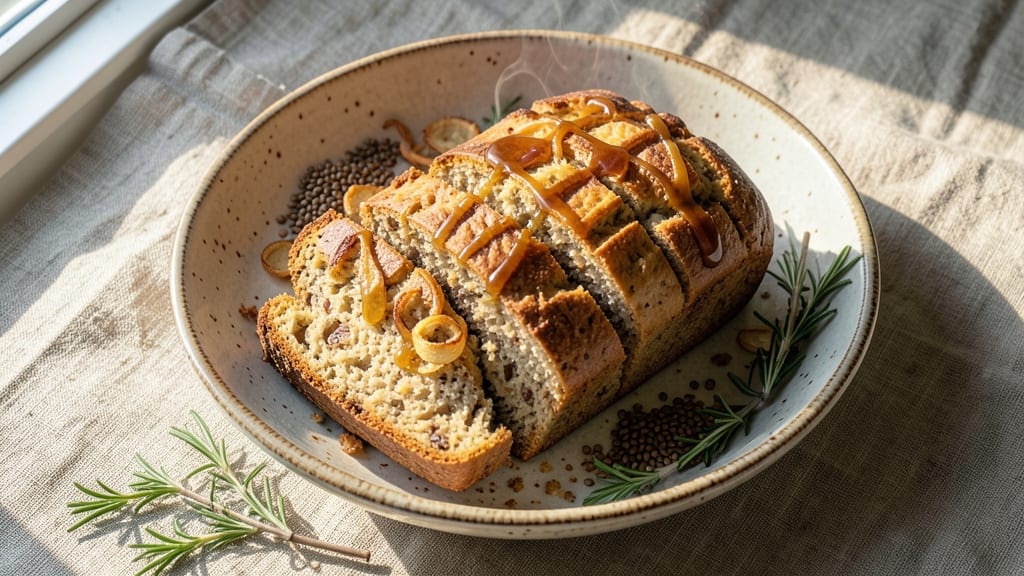
This brown rice bread recipe without yeast delivers a surprisingly fluffy, nutty loaf that rises naturally using simple pantry staples. The secret lies in precise hydration ratios and strategic resting times that develop flavor while maintaining a tender crumb.
Unlike traditional yeast breads, this recipe relies on baking soda and vinegar for lift, creating a light yet hearty texture perfect for sandwiches or toast.
The result is a moist, slightly sweet loaf with a subtle earthiness from the brown rice flour, balanced by the subtle tang of vinegar. No kneading required—just mix, rest, and bake for a foolproof method that yields impressive results.
Ideal for those avoiding yeast or gluten, this bread proves nutritious ingredients can still create restaurant-quality flavor.
Ingredients for brown rice bread recipe without yeast
Precision ratios and strategic ingredients create this nutty, fluffy yeast-free loaf.
| Ingredient | Amount | Notes |
|---|---|---|
| Brown Rice Flour 🌾 | 2 ½ cups | Fine grind for best texture |
| All-Purpose Flour 🌾 | 1 ½ cups | White flour for structure |
| White Vinegar 💧 | 1 tbsp | Distilled for consistent rise |
| Baking Soda 🧂 | 1 ½ tsp | Freshly opened for potency |
| Sugar 🍚 | ½ cup | White granulated preferred |
| Ground Flaxseed 🌱 | 1 ½ tsp | For egg replacement binder |
| Water 💧 | 1 ¼ cups | Room temperature preferred |
| Olive Oil 🫒 | ½ cup | Extra-virgin for richness |
| Salt 🧂 | 1 tsp | Diamond Crystal preferred |
| Apple Cider Vinegar 🍎 | 1 tbsp | For additional tang |
| Maple Syrup 🍁 | 2 tbsp | Pure grade for sweetness |
| Sesame Seeds 🌰 | 1 tbsp | Toasted for garnish |
The brown rice flour is the foundation here—Bob's Red Mill or Anthony's Goods brands ensure fine grind for optimal texture. For the vinegars, distilled white vinegar provides reliable acidity while apple cider vinegar adds depth. The baking soda must be fresh; any older than six months risks diminished lift. Store your flours in airtight containers to maintain freshness, and pre-measure everything for consistency in hydration ratios. The sesame seeds should be toasted lightly before baking for maximum crunch.
No flaxseed? Chia seeds ground to powder work at the same ratio, though flaxseed provides slightly better binding. Substituting vinegar? Lemon juice at equal measure maintains acidity but alters flavor profile. For the sugars, coconut sugar can replace granulated at a 1:1 ratio though it may darken the crust. The olive oil can be swapped for avocado oil if preferred, though extra-virgin adds subtle flavor complexity. Always use room-temperature water—cold water slows gluten development in the flours.
This dough requires 30 minutes of resting time before baking to develop proper texture. Store baked loaves in a bread box or sealed container for up to 5 days, or freeze slices for 3 months. For reheating, wrap slices in a damp paper towel and microwave for 10 seconds to restore freshness. The bread freezes exceptionally well, making it perfect for batch preparation.
Why You'll Love This Recipe
- No Yeast, No Stress: The vinegar and baking soda combo lifts this bread without waiting hours—just mix, pour, and bake. I’ve made it while scrolling through emails, and it’s always ready when I am.
- Nutty, Slightly Sweet Crust: Brown rice flour gives it a subtle earthiness, while the sugar caramelizes just enough for a crispy edge. Honestly, it’s the kind of bread that makes toast taste like a treat.
- Lunchbox Hero: Slices perfectly for sandwiches or wraps—no soggy bread here. My kids pack these for school, and they come back begging for seconds (yes, even on a Tuesday).
- Pantry Staple Power: Uses ingredients you likely already have, and the leftovers? They keep for days without drying out. Between us, this is my go-to when I’m too tired to shop.
Step-by-step instructions for brown rice bread without yeast
This method delivers a naturally risen, nutty loaf with perfect texture—no yeast required.
Activate the Leavening Agents
In a medium bowl, combine the 1.25 cups water, 1 tbsp white vinegar, 1 tbsp apple cider vinegar, and 2 tbsp maple syrup. Stir well and let sit for 10 minutes at room temperature. This creates an acidic environment that activates the 1.5 tsp baking soda for maximum rise potential.
In a separate small bowl, whisk together the 1.5 tsp ground flaxseed with 2 tablespoons of water from the mixture. Let this sit for 5 minutes to form a gel-like binder that replaces eggs. The flaxseed mixture should thicken noticeably—this ensures proper structure in the final loaf.
Mix Wet and Dry Ingredients
In a large mixing bowl, combine the 2.5 cups brown rice flour, 1.5 cups all-purpose flour, 1.5 tsp baking soda, 0.5 cup sugar, and 1 tsp salt. Whisk to eliminate any lumps—this prevents dense pockets in your bread. The brown rice flour gives that characteristic nutty flavor while the all-purpose flour provides structure.
Make a well in the center and pour in the activated vinegar mixture, flaxseed gel, and 0.5 cup olive oil. Using a wooden spoon, gently fold everything together until just combined. Avoid overmixing—you should still see small flour streaks. The batter will be thick but pourable, similar to pancake batter consistency.
Prepare the Loaf Pan
Preheat your oven to 375°F. Lightly grease a 9x5-inch loaf pan with olive oil or line it with parchment paper for easy removal. The pan should be at room temperature before adding the batter—this prevents uneven baking.
Pour the batter into the prepared pan and smooth the top with a spatula. Tap the pan gently on the counter 3-4 times to remove any air bubbles. This step is crucial for preventing cracks in the final loaf. Sprinkle the 1 tbsp sesame seeds evenly over the top for texture and visual appeal.
Bake to Golden Perfection
Bake for 45-50 minutes until the top is deep golden brown and a toothpick inserted in the center comes out clean. The bread should pull away slightly from the sides of the pan and have a hollow sound when tapped on the bottom.
For best results, tent the loaf with aluminum foil after 30 minutes if the top browns too quickly. This prevents over-browning while allowing the center to fully cook. The internal temperature should reach 205-210°F for perfect doneness.
Cool and Serve
Remove the bread from the oven and let it cool in the pan for 10 minutes. Then transfer to a wire rack to cool completely for at least 30 minutes before slicing. This resting period allows the crumb to set properly, preventing a gummy texture.
Slice the loaf into 6 even servings using a serrated knife. The finished bread should have a tender crumb with a slightly crisp exterior and that signature nutty flavor from the brown rice flour. Store wrapped at room temperature for up to 3 days or freeze for longer storage.
Pro Tips For Making Brown Rice Bread Recipe Without Yeast
- Mix Vinegar Last: Brown rice flour loves moisture—adding the vinegar too early turns your dough into a sticky mess. Stir it in right before the baking soda, then mix just until combined. The reaction starts immediately, so don’t overwork it.
- Weigh Your Flours: Spooning brown rice flour into cups packs it down, giving you less than you think. Use a kitchen scale for accuracy—aim for 1 cup = 120g. Trust me, your bread’s texture will thank you.
- Skip the Overmixing: This dough is fragile. Once you fold in the wet ingredients, stop mixing after 10 strokes—any more and you’ll develop gluten where there shouldn’t be any. A slightly lumpy batter rises better than a tough, overworked one.
- Bake at 350°F, Not Hotter: I learned this the hard way—baking at 375°F makes the outside burn before the center sets. Stick to 350°F and bake for 30–35 minutes. If the top browns too fast, tent it loosely with foil midway. Patience here keeps the crumb light.
Wine and beer pairings for this dish
White Wine Pairings
A crisp Sauvignon Blanc from New Zealand or Loire Valley is my go-to choice for this nutty bread. The bright acidity and citrus notes cut through the richness of the olive oil while complementing the subtle sweetness from the maple syrup.
Look for a wine with 12-13% ABV and green apple or grapefruit undertones—these flavors mirror the bread's tangy-sweet profile beautifully. 🍷
Dry Rosé Options
For a lighter option, try a dry Provence-style rosé with its delicate strawberry and almond notes. The almond undertones harmonize perfectly with the brown rice flour's nuttiness, while the wine's crispness balances the bread's slight density. Serve chilled at 50-55°F to enhance its refreshing qualities against the warm bread.
Beer Pairings
A light Belgian witbier like Hoegaarden or Stella Artois works wonderfully with this bread. The coriander and orange peel notes in these beers complement the bread's subtle sweetness and nutty undertones.
For a darker option, try a German Helles lager—its malty sweetness pairs beautifully with the bread's caramelized crust. 🍺
Non-Alcoholic Options
For those avoiding alcohol, a sparkling apple cider with a touch of ginger provides the same refreshing contrast. The effervescence cleanses your palate between bites, while the apple flavor echoes the apple cider vinegar in the recipe.
Alternatively, a ginger beer with a hint of citrus adds a zesty kick that enhances the bread's nutty depth.
Serving Temperature
Always serve your bread at room temperature—it develops its full flavor profile after cooling. Pair with a light butter spread (like Plugrá or Cultura) or a fig jam to elevate the experience.
The contrast between the warm bread and chilled beverage creates a satisfying sensory balance that highlights both the bread's texture and your drink's refreshing qualities.
Nutrition facts
Frequently asked questions
Can I substitute brown rice flour with another gluten-free flour?
The brown rice flour is key for that signature nutty flavor, but you can replace up to 50% with buckwheat flour or sorghum flour for a similar texture. For a lighter crumb, use white rice flour instead. Just reduce the all-purpose flour by the same amount to maintain structure. The vinegar and baking soda will still work, but expect slightly different flavor notes.
Why does my bread turn out dense instead of fluffy?
Overmixing or skipping the 30-minute rest are the most common culprits. The vinegar and baking soda need time to activate fully, and the flaxseed binder requires resting to set properly. For extra lift, add 1/4 tsp cream of tartar to the dry ingredients—it enhances the chemical reaction with baking soda. Also ensure your baking soda is fresh (older than 6 months loses potency).
Can I make this bread without vinegar?
Yes, but you'll need to adjust the leavening. Replace the 2 tbsp vinegar with 2 tbsp lemon juice plus 1/4 tsp baking powder for lift. The flavor will be slightly brighter, but the texture remains similar. For a neutral taste, use 1 tbsp apple cider vinegar plus 1 tbsp water—the acidity still activates the baking soda without overpowering the bread's natural flavors.
How can I add seeds or herbs to this recipe?
Stir in 1/4 cup chopped herbs (like rosemary or thyme) or 1/3 cup seeds (sunflower, pumpkin, or flax) directly into the batter after mixing wet and dry ingredients. For extra flavor, toast seeds in a dry pan for 2-3 minutes before adding. Keep the total additions under 1/3 cup to avoid making the batter too thick—adjust water by 1 tbsp if needed for pourability.
Is this bread safe for people with nut allergies?
Yes, this recipe is nut-free as written. The brown rice flour provides the nutty flavor without actual nuts, and all other ingredients are nut-free. For extra caution, check your brown rice flour label—some brands process in facilities that handle nuts. If concerned, substitute with quinoa flour or teff flour, though the flavor will differ slightly.