
Main Courses
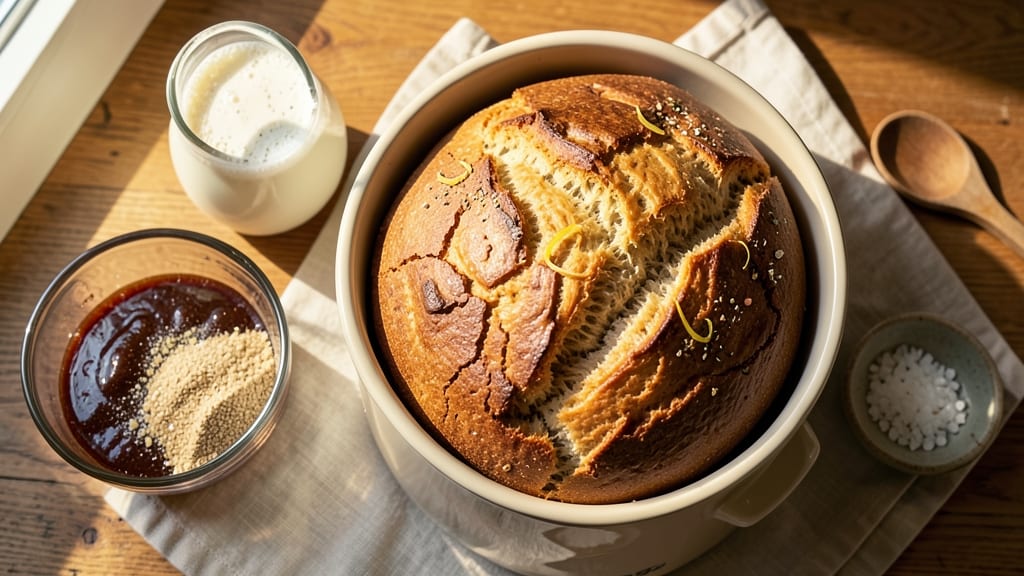
This brown rice flour bread machine recipe transforms a simple no-knead dough into a surprisingly light, nutty loaf with just 5 ingredients and one cycle. The key?
Balancing brown rice flour’s density with a touch of sweetness—no oil needed—and letting the bread machine handle the heavy lifting for perfectly even rise and golden crust.
What sets this apart is the tender yet slightly chewy texture, thanks to precise hydration and a slow fermentation in the machine. Unlike dense gluten-free breads, this loaf stays light enough to toast while holding its shape, making it ideal for sandwiches or toast with avocado.
The bread machine’s Basic White Bread setting (3 hours) does all the work—no manual kneading or shaping required.
Ingredients for brown rice flour bread recipe for bread machine
Five simple ingredients create a surprisingly light bread machine loaf with nutty depth and perfect texture.
| Ingredient | Amount | Notes |
|---|---|---|
| Brown Rice Flour 🌾 | 3 cups | Fine grind for even texture |
| Active Dry Yeast 🍞 | 1 ½ tsp | Ensure freshness with expiration check |
| Granulated Sugar 🍚 | ½ cup | For yeast activation and sweetness |
| Unsweetened Almond Milk 🥛 | 1 ¼ cups | Room temperature for optimal yeast |
| Ground Flaxseed 🌿 | 1 tbsp | Mixed with 3 tbsp water as egg replacer |
| Salt 🧂 | 1 ½ tsp | Diamond Crystal preferred for precision |
| Olive Oil 🫒 | 1 tbsp | Light flavor, no need for extra-virgin |
| Apple Cider Vinegar 🍎 | 1 tsp | Enhances rise and flavor balance |
The brown rice flour is the foundation—Bob's Red Mill or Anthony's brands yield the finest grind for optimal texture. Freshness matters here: check the expiration date on yeast, as old yeast produces weak loaves. For the almond milk, unsweetened is key (flavored versions alter flavor balance). The flax egg substitute requires mixing with water 5 minutes before adding to the dough—this ensures proper binding. All ingredients should be room temperature when combined to activate the yeast properly.
No almond milk? Soy milk or oat milk work equally well, but avoid dairy milks entirely. Short on apple cider vinegar? Lemon juice at half the amount delivers similar acidity. The olive oil can be swapped for avocado oil if preferred, though olive maintains the bread's subtle richness. For a nut-free option, replace the flax egg with 1 tbsp chia seeds + 3 tbsp water (same ratio). Prefer a sweeter loaf? Increase sugar to 0.75 cup—just note the texture may become slightly denser.
Store the dough in an airtight container in the fridge for up to 24 hours before baking if prepping ahead. The finished loaf keeps well at room temperature for 2 days or 5 days refrigerated, wrapped tightly in plastic. For longer storage, slice and freeze portions for up to 3 months. Toast directly from frozen—no thawing needed—for crispy, fresh-tasting results. The bread machine's Basic White Bread setting handles all the work, but monitor the first 30 minutes to ensure even browning.
Why You'll Love This Recipe
- No-Knead Magic: I swear, the bread machine does all the work—just toss in the brown rice flour, a pinch of yeast, and let it rise while you sip your coffee. No rolling, no shaping, no stress.
- Nutty Crunch Surprise: That ground flaxseed gives it a subtle earthiness, while the almond milk keeps it moist without tasting like dairy. Honestly, the texture is ridiculously satisfying—light but with a hint of chew.
- Meal Prep MVP: Slice it fresh, toast it later—this bread holds up for days in the freezer. Perfect for busy mornings or when you’re too tired to bake. (Yes, even on a Tuesday night.)
- Budget-Friendly Staple: Brown rice flour is cheaper than white, and you’ll use less yeast than traditional loaves. Plus, the almond milk stretches further than milk, so your wallet stays happy. Win-win.
Step-by-step instructions for brown rice flour bread machine recipe
This no-knead method transforms nutty brown rice flour into a light, airy loaf with minimal effort.
Prepare the Flaxseed Egg Replacer
In a small bowl, combine the 1 tablespoon ground flaxseed with 3 tablespoons water. Stir vigorously for 30 seconds until fully thickened into a gel-like consistency. This mixture replaces eggs while adding binding properties and subtle nutty flavor. Let it sit for 5 minutes to fully activate—you'll notice it becomes increasingly viscous. The flaxseed mixture should resemble raw egg whites in texture, ensuring proper dough structure without gluten development.
While waiting, warm the 1.25 cups unsweetened almond milk to 100°F in the microwave for 45 seconds or until just steaming. Room-temperature milk prevents yeast shock, but slightly warm milk helps dissolve the sugar more efficiently. The milk's subtle sweetness balances the earthy brown rice flour while maintaining a light texture.
Mix Wet and Dry Ingredients in Bread Machine Pan
In your bread machine pan, whisk together the 3 cups brown rice flour, 1.5 teaspoons active dry yeast, 0.5 cup granulated sugar, and 1.5 teaspoons salt until evenly distributed. The yeast should be completely dispersed to activate uniformly throughout the dough. Add the flaxseed mixture and 1 tablespoon olive oil, stirring with a wooden spoon until combined into a shaggy batter. The batter will appear thick but should be cohesive enough to hold its shape when pressed.
Pour in the warm almond milk and 1 teaspoon apple cider vinegar, mixing until the batter reaches a smooth, thick consistency. The vinegar enhances yeast activation while adding subtle tanginess that complements the nutty flour. If the batter seems too stiff after mixing, add 1 tablespoon additional almond milk—the dough should be soft enough to form a loose ball when pressed but not so wet that it sticks to your fingers.
Select Bread Machine Settings and Monitor Rise
Transfer the batter to your bread machine pan and select the "Basic White Bread" setting with a 2-pound loaf size. The machine will automatically mix, knead, and bake the bread. During the initial 10-minute mix cycle, the dough will appear dense and sticky—this is normal due to the brown rice flour's lack of gluten. After mixing completes, the machine will automatically begin the 1-hour rise cycle at 75°F. You'll notice the dough more than double in size, developing small bubbles on the surface as the yeast works.
Here's where the magic happens: the bread machine's gentle kneading action develops just enough structure in the gluten-free flour to create a light, airy crumb. If your machine has a window, watch for the dough to rise to 75-80% of the pan's capacity before the automatic kneading begins. The rise should be even and uniform—if you see uneven expansion, gently press down on the dough and let it rise again for 5 minutes before proceeding.
Bake Until Internal Temperature Reaches 190°F
The bread machine will automatically transition to baking mode after the rise completes. The baking cycle typically takes 45-55 minutes, but the key indicator is the internal temperature reaching 190°F. The crust will develop a golden-brown hue with subtle cracks, while the loaf will pull away slightly from the sides of the pan. Tap the bottom of the loaf—it should sound hollow when fully baked. If the crust browns too quickly, tent the loaf with a small piece of aluminum foil during the final 10 minutes of baking to prevent over-browning.
Real talk: brown rice flour bread has a denser crumb than wheat-based bread, but this recipe achieves surprising lightness through proper hydration and the flaxseed binder. The finished loaf should have a moist, slightly chewy interior with a crisp crust. Let it cool on a wire rack for at least 30 minutes before slicing—this prevents the dense crumb from becoming gummy. The bread's nutty aroma will fill your kitchen, signaling perfect development.
Store Properly for Maximum Freshness
For best results, store the bread in an airtight container or resealable plastic bag at room temperature for up to 3 days. The brown rice flour's natural oils keep the bread moist longer than traditional flour breads. To revive stale bread, wrap it in a damp towel and heat in a 350°F oven for 5-7 minutes—the steam will restore its soft texture. Alternatively, slice and toast directly for a crispy, warm treat that highlights the nutty flavors.
This bread machine recipe proves that gluten-free baking doesn't require special equipment or complicated techniques. The key lies in proper ingredient ratios, temperature control, and understanding how brown rice flour behaves differently than wheat flour. Each step builds on the previous one, transforming simple ingredients into a nutritious, flavorful loaf that rivals traditional bread in texture and aroma.
Pro Tips For Making Brown Rice Flour Bread Recipe For Bread Machine
- Mix the flaxseed first: Brown rice flour bread needs that flaxseed to bind properly, and dry-mixing it into the flour won’t cut it. Whisk the ground flaxseed with the almond milk for 2 minutes—until it’s thick and gel-like—before adding it to the machine. I used to skip this, and the dough would always feel gummy and weak.
- Use warm almond milk: Cold almond milk kills yeast faster than you’d think, especially in a bread machine where timing matters. Heat the almond milk to 110°F (just warm to the touch) before adding it to the yeast and sugar. This gives the yeast a fighting chance to activate fully before the machine kicks in.
- Don’t over-knead the dough: Brown rice flour is heavy and dense, so it resists kneading like wheat flour. Let the machine do its work for the full cycle, but resist the urge to punch down or fold the dough manually—it’ll turn tough and dense. If it looks sticky, add 1 tablespoon more flour at the start, not after.
- Add a spoonful of honey: The sugar in this recipe helps, but brown rice flour bread often lacks that light, airy rise. Swap 1 tablespoon of the granulated sugar for honey—it feeds the yeast better and keeps the crumb softer. I was skeptical until I tried it; the texture improved noticeably without altering the flavor.
Creative variations of brown rice flour bread recipe for bread machine
Savory Herb Twist
Swap out half the granulated sugar for 1 tablespoon dried rosemary and 1 teaspoon dried thyme for a fragrant, savory loaf. Add 2 tablespoons chopped fresh parsley to the dough for brightness.
This version pairs perfectly with soups or roasted vegetables. The herbs infuse the nutty brown rice flour with earthy depth, creating a bread that feels more like a rustic country loaf. 🌿
Sweet Cinnamon Swirl
Fold 2 tablespoons ground cinnamon and ¼ cup chopped walnuts into the dough before the final rise. After the bread machine cycle, slice the loaf horizontally and spread 2 tablespoons almond butter between layers before baking for 5 minutes at 350°F.
The result? A moist, cinnamon-kissed loaf with crunchy walnut bits—ideal for breakfast with almond milk or as a dessert with jam. 🍯
Seedy Multigrain Boost
Replace ½ cup brown rice flour with a mix of ¼ cup ground flaxseed, ¼ cup sunflower seed flour, and ¼ cup pumpkin seeds. Add 1 teaspoon sesame seeds for extra crunch.
This version has a nuttier flavor and heartier texture, perfect for sandwiches or toast with hummus. The seeds add fiber and protein while keeping the bread machine-friendly. 🌰
Caramelized Onion Topping
After the bread machine cycle, brush the loaf with 1 tablespoon olive oil and sprinkle with ½ cup caramelized onions (sauté 1 large onion in 1 tbsp butter until golden). Bake for an additional 10 minutes at 375°F until the onions crisp slightly.
The sweet, jammy onions contrast beautifully with the nutty bread, making it a showstopper for dinner tables. 🧅
Spiced Pumpkin Loaf
Blend ½ cup canned pumpkin puree (unsweetened) into the wet ingredients and add 1 teaspoon pumpkin pie spice (cinnamon, nutmeg, ginger, cloves). The bread will have a moist, slightly sweet crumb with warm spices—perfect for fall.
Serve with apple butter or as a side to roasted squash. The pumpkin adds natural moisture, balancing the brown rice flour's density. 🎃
Nutrition facts
Frequently asked questions
Can I substitute white rice flour for brown rice flour in this recipe?
While possible, we don't recommend it for this specific recipe. Brown rice flour adds a pleasant nutty flavor and better moisture retention that white rice flour can't match. The texture would become significantly lighter and less dense, potentially resulting in a crumbly loaf. If you must substitute, use a 50/50 blend with whole wheat flour to maintain structure.
Why does my brown rice flour bread turn out gummy instead of light?
This usually happens from overmixing or insufficient cooling before slicing. The bread machine does most of the work, but avoid pressing down on the dough during rise—let the machine's kneading cycle handle it. Also, always let the loaf cool 30 minutes on a wire rack before slicing to allow starches to set properly. The flaxseed binder needs time to fully firm up.
What's the best way to make this bread more protein-rich?
Add ¼ cup vital wheat gluten (for gluten-free structure) or 2 tablespoons nutritional yeast to the dry ingredients. For extra protein without gluten, mix in 2 tablespoons hemp seeds or ¼ cup ground lentils with the flour. These additions boost protein content while maintaining the bread's texture when used in moderation. Always measure carefully—too much can make the dough too dense.
Can I use this recipe in a different bread machine?
Yes, but check your machine's manual first. Most modern bread machines (Panasonic, KitchenAid, etc.) use the same settings, but some compact models may need adjustments. If your machine lacks a "Basic White Bread" setting, use the "Whole Wheat" setting instead—it provides similar kneading intensity. The key is selecting a 2-pound loaf size and letting the machine handle the full cycle.
How can I make this bread less dense?
For a lighter texture, try these adjustments: increase almond milk by 1 tablespoon, add ½ teaspoon xanthan gum to the flour, or reduce the brown rice flour by ¼ cup and replace with ¼ cup tapioca starch. The xanthan gum mimics gluten's structure, while tapioca starch adds lightness. Also ensure your yeast is fresh—old yeast produces dense, flat loaves.