
Soups & Stews
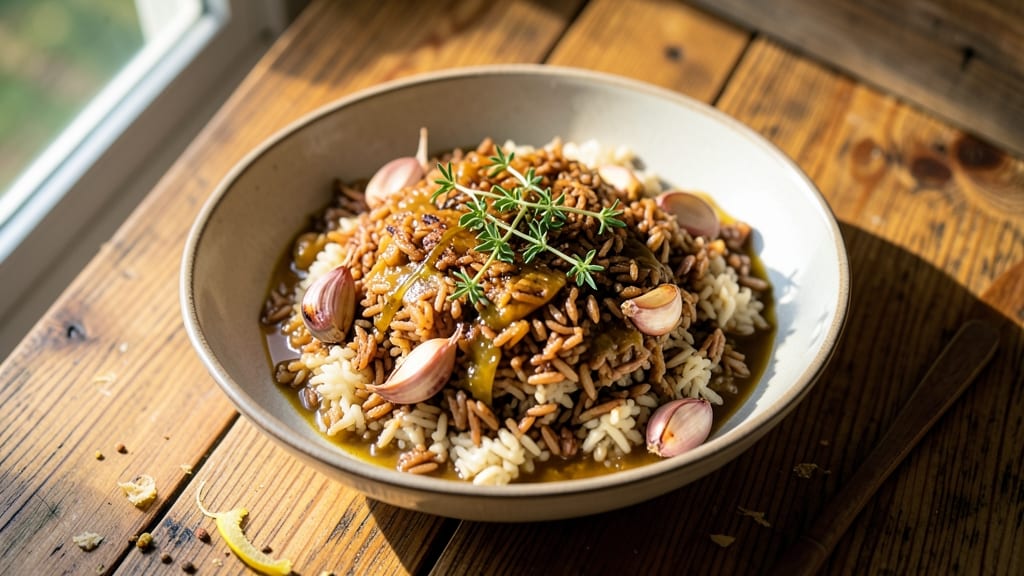
Martha Stewart’s brown rice recipe transforms this humble grain into a nutty, earthy centerpiece that elevates any meal. The secret lies in thorough rinsing and proper cooking ratios—techniques Stewart swears by for achieving perfectly fluffy, individual grains every time. This isn’t just a side; it’s the foundation for one-pan wonders like stir-fries or pilafs.
With a 1:2 rice-to-water ratio and simmering at low heat, you’ll unlock that signature chewy texture and rich, toasted flavor. The key? Patience—no peeking!—and a tight lid to trap steam.
Serve it as a standalone dish with a sprinkle of toasted sesame seeds or pair it with roasted vegetables for a restaurant-worthy plate. Stewart’s method ensures foolproof results, even for beginners.
Ingredients for brown rice recipe martha stewart
Martha Stewart’s signature brown rice recipe relies on precise ratios and aromatic enhancements for restaurant-quality texture.
| Ingredient | Amount | Notes |
|---|---|---|
| Long-Grain Brown Rice 🌾 | 1 cup | Uncooked, rinsed thoroughly |
| Water 💧 | 2 cups | Filtered preferred for clarity |
| Vegetable Broth 🍲 | 1 cup | Low-sodium preferred for balance |
| Extra-Virgin Olive Oil 🫒 | 1 tbsp | For toasted aroma |
| Garlic Cloves 🧄 | 2 cloves | Minced for depth |
| Fresh Thyme Leaves 🌿 | ¼ cup | Chopped, stems removed |
| Salt 🧂 | ¾ tsp | Diamond Crystal preferred |
| Black Peppercorns 🌶️ | ¼ tsp | Freshly cracked |
| Toasted Sesame Seeds 🥜 | 1 tbsp | For garnish |
| Fresh Parsley Leaves 🌿 | ⅛ cup | Chopped, for garnish |
| Lemon Zest 🍋 | 1 tsp | Brightens flavor |
The brown rice selection matters—jasmine or basmati varieties from Whole Foods bulk bins deliver the most satisfying chew and nutty aroma. For the vegetable broth, Pacific Foods or Imagine brand offer the cleanest, most flavorful options without excessive sodium. Fresh thyme and parsley should be bright green with no wilting, indicating peak flavor. The sesame seeds? Trader Joe's toasted variety is the most convenient—just sprinkle directly from the bag. Stewart’s method emphasizes thorough rinsing to remove excess starch, which prevents clumping and ensures those signature individual grains.
No vegetable broth? Water plus 1 tsp soy sauce mimics umami depth, though the flavor won’t be identical. Fresh herbs wilting? Dried thyme at one-third the amount works in a pinch, but the texture won’t be as vibrant. The garlic can be pre-minced from a jar (like Walmart Great Value), but fresh is always preferred for that pungent aroma. For the olive oil, California Olive Ranch or Bertolli provide consistent quality without overpowering the dish. The lemon zest can be substituted with 1/2 tsp bottled lemon juice if zest isn’t available, though the texture will differ slightly.
This rice reheats beautifully—steam method preferred to maintain moisture. Store in an airtight container in the fridge for 4-5 days or freeze portions for up to 3 months. For meal prep, cook a double batch—the extra rice transforms into fried rice or rice pudding effortlessly. The toasted sesame seeds and parsley should be added fresh after reheating to preserve their vibrant color and aroma. Stewart’s method yields 1.5 cups cooked rice per 1 cup uncooked, perfect for pilafs or stir-fry bases.
Why You'll Love This Recipe
- No-Chop Required: I swear by this—just toss in whole garlic cloves (no peeling!) and let the broth work its magic. The rice soaks up all that savory depth while you’re still deciding what to watch on TV.
- Umami Bomb: That vegetable broth and olive oil combo? Chef’s kiss. The rice ends up with this rich, almost caramelized edge—like a simpler, healthier take on risotto, but with half the fuss.
- Lunchbox Hero: Between us, this is my go-to for meal prep. Cold rice? Still tasty. Reheated? Even better. Pack it in jars for work or toss it in a thermos—no one will guess it’s just brown rice.
- Pantry Staple: Honestly, you’re already halfway there if you’ve got rice and broth. No specialty ingredients, no last-minute grocery runs. And since it stretches easily, it’s the perfect way to use up veggies (or not—it’s fine alone).
Step-by-step instructions for Martha Stewart's brown rice
This method delivers perfectly nutty, earthy brown rice with vibrant aromatics and balanced seasoning.
Toast the Rice for Enhanced Nuttiness
Heat a heavy-bottomed pot over medium heat and add the 1 tablespoon extra-virgin olive oil. Once the oil shimmers, add the 1 cup long-grain brown rice and toast for 2-3 minutes, stirring constantly. You'll notice the rice turning a deeper golden color and emitting a nutty aroma—this toasting step develops complex flavors that plain cooking can't achieve.
I use a heavy pot because it distributes heat evenly and prevents burning. Keep the heat at medium—too high will char the rice before proper toasting occurs. The goal is to lightly brown the grains while maintaining their shape. Once the rice is toasted to a pale golden color, immediately add the 2 cups water and 1 cup vegetable broth to prevent over-browning.
Simmer with Aromatics and Seasonings
Bring the liquid to a boil, then reduce heat to low and cover the pot with a tight-fitting lid. Add the 2 minced garlic cloves, 0.25 cup chopped fresh thyme leaves, 0.75 teaspoon salt, and 0.25 teaspoon freshly cracked black peppercorns. Gently stir to combine, being careful not to disturb the rice too much—this prevents the grains from breaking.
The broth and water should just cover the rice by about ½ inch. If it looks too shallow, add a splash more water. The thyme and garlic will infuse the rice with their flavors as it cooks. I like to leave the lid slightly ajar for the first 5 minutes to allow excess steam to escape—this prevents the rice from becoming mushy. After that, seal the lid completely and maintain a gentle simmer.
Cook Until Tender and Flavor-Infused
Simmer the rice for 40-45 minutes without peeking or stirring. You'll know it's done when the liquid has been completely absorbed and the rice is tender with a slight bite—it should be creamy but not mushy. Brown rice takes longer than white rice because it retains its bran layer, which requires more time to break down.
During the final 10 minutes, the rice will begin absorbing liquid more aggressively. If you notice steam escaping from under the lid, reduce the heat to lowest setting to prevent boiling over. The rice should be al dente—each grain should hold its shape but yield slightly when pressed between your fingers. If it's still firm, continue cooking for another 5-10 minutes.
Finish with Bright Aromatics
Once the rice is perfectly tender, remove it from heat and let it sit covered for 5 minutes. This resting period allows the rice to finish steaming and absorb any remaining liquid. After resting, fluff the rice gently with a fork, then stir in the 1 teaspoon lemon zest and 1 tablespoon toasted sesame seeds. The lemon zest brightens the earthy flavors, while the sesame seeds add a delightful nutty crunch.
Finally, fold in the 0.125 cup chopped fresh parsley leaves just before serving. The parsley not only adds freshness but also provides a beautiful contrast in color. For best results, serve the rice immediately while it's still warm and the aromatics are most vibrant. The finished rice should have a rich, nutty flavor with layers of garlic, thyme, and citrus brightness—perfect as a base for one-pan meals or as a side dish.
Pro Tips For Making Brown Rice Recipe Martha Stewart
- Toast the Rice First: Before adding liquid, dry-toast the brown rice in olive oil over medium heat for 3-4 minutes until it smells nutty. I learned this the hard way—skipping it leaves the rice bland and mushy, no matter how long you simmer.
- Use Twice the Broth: Martha’s recipe likely calls for a 1:2 rice-to-liquid ratio, but brown rice absorbs differently. Double-check your measurements—underestimating means gummy rice, and overestimating wastes broth.
- Mince Garlic Like You Mean It: Roughly chop those cloves into tiny pieces, not thin slices. Finely minced garlic cooks faster and infuses the broth evenly—no one wants to taste raw garlic bits in their stew.
- Simmer Covered, But Vent It: Cover the pot with a tight lid, but leave a 1-inch gap or crack it slightly after 10 minutes. This prevents steam buildup, which can turn your perfectly cooked rice into a sad, soggy mess.
Best sauces and condiments for this recipe
Sesame-Ginger Sauce
This bright, nutty sauce elevates brown rice by adding a perfect balance of sweet, spicy, and umami.
Whisk together 2 tablespoons toasted sesame oil, 1 tablespoon soy sauce, 1 tablespoon rice vinegar, 1 teaspoon grated fresh ginger, 1 teaspoon honey, and ½ teaspoon red pepper flakes. Drizzle over the rice just before serving—it clings beautifully to each grain. 🌶️
Garlic-Herb Butter
For a rich, aromatic finish, melt 2 tablespoons unsalted butter with 1 minced garlic clove and 1 teaspoon chopped fresh parsley over low heat. Drizzle this fragrant butter over the cooked rice and gently toss.
The butter adds a velvety texture while enhancing the rice’s natural nuttiness. I love using Plugrá European-style butter for its superior flavor.
Spicy Peanut Dressing
Blend ¼ cup creamy peanut butter, 1 tablespoon lime juice, 1 teaspoon sriracha, ½ teaspoon honey, and 2 tablespoons water until smooth.
This creamy, slightly spicy sauce pairs wonderfully with brown rice, especially in stir-fry bowls. For extra richness, stir in 1 teaspoon toasted sesame seeds before serving.
Lemon-Tahini Sauce
Mix 2 tablespoons tahini, 1 tablespoon lemon juice, 1 teaspoon maple syrup, and 2 tablespoons warm water until emulsified. This tangy, creamy sauce adds a Middle Eastern flair to the rice.
Garnish with a sprinkle of toasted pine nuts for added crunch and texture. The tahini’s nutty depth complements the earthy rice beautifully.
Miso-Ginger Glaze
Combine 1 tablespoon white miso paste, 1 tablespoon mirin, 1 teaspoon grated ginger, and 1 teaspoon honey, then simmer for 2 minutes until smooth.
This umami-rich glaze adds depth to the rice’s flavor profile. Drizzle lightly over the rice and top with thinly sliced scallions for a fresh contrast.
Creamy Avocado Lime Sauce
Blend ½ ripe avocado, 2 tablespoons Greek yogurt, 1 tablespoon lime juice, ½ teaspoon salt, and 2 tablespoons water until creamy. This refreshing sauce adds a bright, creamy element to the earthy rice.
Garnish with cilantro leaves and a pinch of Tajín seasoning for a zesty kick. Perfect for summer meals! 💛
Nutrition facts
Frequently asked questions
Why does Martha Stewart's recipe toast the rice first?
Toasting the rice develops deeper, nuttier flavors that plain cooking can't achieve. The 2-3 minute toasting step caramelizes the natural sugars in the rice, creating that signature toasted aroma Martha is known for. This simple step transforms basic brown rice into a flavorful centerpiece.
Can I use regular water instead of vegetable broth?
Yes, but you'll lose some depth of flavor. For best results, use 2 cups water plus 1 teaspoon soy sauce to mimic the umami from broth. The recipe's aromatic ingredients (garlic, thyme) still work well, but the broth adds that restaurant-quality richness Martha's method is famous for.
What if my rice turns out mushy?
Mushy rice usually means too much liquid or insufficient cooking time. For future batches, use the 1:2 rice-to-water ratio exactly and maintain a gentle simmer. If it's still mushy after cooking, spread it on a baking sheet and bake at 350°F for 10-15 minutes to dry it out. The key is patience—don't peek during cooking!
How do I make this recipe gluten-free?
This recipe is naturally gluten-free, but check your vegetable broth for hidden gluten. Use a certified gluten-free broth like Pacific Foods or Imagine brand. The rice itself is gluten-free, and all other ingredients (garlic, thyme, lemon) are safe. Just ensure your broth label confirms gluten-free status.
Can I cook this rice in a rice cooker?
Use the same 1:2 rice-to-water ratio and add the aromatics (garlic, thyme) after the rice has absorbed the liquid. Cook on high for 40 minutes, then let it steam for 10 minutes off heat. The rice cooker maintains consistent moisture, which works perfectly for this method.