
Main Courses
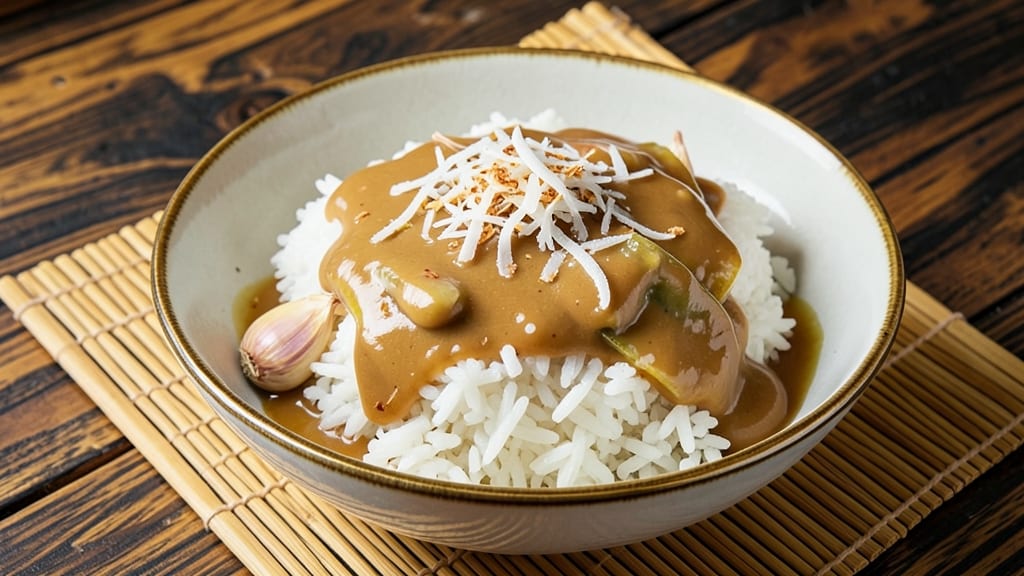
This Burmese coconut rice recipe transforms simple jasmine rice into a fragrant, golden masterpiece with layers of toasted coconut crunch. 🌟 The secret lies in cooking the rice with coconut milk until tender, then finishing it in a dry pan to achieve that perfect balance of creamy and crispy textures—just like in Myanmar's bustling street markets.
What sets this dish apart is the aromatic blend of spices that infuses the rice while it cooks, creating a subtle sweetness that pairs beautifully with the nutty coconut flavor.
The key technique involves toasting the rice after cooking to develop that signature crunch, while the coconut milk reduction adds depth without overpowering the delicate jasmine rice.
By the time you serve this dish, you'll have fragrant, golden rice with pockets of creamy coconut milk and crispy coconut flecks throughout. Each bite delivers a perfect harmony of textures and flavors, making it an impressive centerpiece for any meal.
The best part? It's surprisingly simple to make with just a few essential ingredients.
This Burmese coconut rice pairs wonderfully with grilled meats, fresh herbs, or even as a standalone dish. The aroma alone will transport you to the streets of Yangon, where this dish is a beloved staple. Let's get started on creating this fragrant masterpiece in your own kitchen.
Ingredients for burmese coconut rice
Simple ingredients transform into fragrant, golden rice with crispy coconut crunch—just like Myanmar's street markets.
| Ingredient | Amount | Notes |
|---|---|---|
| Jasmine Rice 🍚 | 1 ½ cups | Uncooked, long-grain preferred |
| Coconut Milk 🥥 | 1 can | Full-fat, 13.5 oz can |
| Unsweetened Shredded Coconut 🥥 | ½ cup | Toasted for extra crunch |
| Coconut Oil 🫒 | 2 tbsp | Refined for neutral flavor |
| Garlic Cloves 🧄 | 3 cloves | Minced for aromatic base |
| Galangal Slice 🌿 | 1 slice | Fresh, substitute ginger if unavailable |
| Kaffir Lime Leaves 🍋 | 2 whole | Torn into strips, or lime zest |
| Turmeric Powder 🌶️ | ½ tsp | Bright yellow for color |
| Coriander Seeds 🌿 | ½ tsp | Toasted for depth of flavor |
| Salt 🧂 | 1 tsp | Kosher or sea salt |
| Brown Sugar 🍯 | 1 tbsp | Lightly packed |
| Fresh Cilantro 🌿 | ¼ cup | Chopped, for garnish |
| Lime Juice 🍋 | 1 tbsp | Freshly squeezed |
The jasmine rice is the star here—look for long-grain varieties at Asian markets or the international aisle for that authentic texture. Coconut milk makes all the difference: Thai Kitchen or Aroy-D brands are my go-tos, but any full-fat can works. Toasting the unsweetened shredded coconut in a dry pan until golden gives that signature crunch—don't skip this step! For galangal, Asian grocery stores carry it fresh, but if you can't find it, ginger works in a pinch (use half the amount). Kaffir lime leaves? Trader Joe's sells them frozen, or grab lime zest if you're desperate.
No galangal? Ginger or lemongrass both work—just halve the quantity. Pre-toasted coconut from the baking aisle saves time, but fresh is always better. Coconut oil is non-negotiable here—it adds richness without overpowering. The turmeric and coriander seeds? Toast them in a dry pan for 30 seconds first—trust me on this, it deepens the flavor. Brown sugar adds subtle sweetness, but white sugar works too if that's what you've got. Fresh cilantro brightens it up, but dried won't cut it—this is one herb where freshness matters.
This rice tastes even better the next day as flavors meld. Store leftovers in an airtight container for up to 4 days in the fridge. Freeze for 3 months if you want to make ahead—just reheat gently with a splash of coconut milk. The toasted coconut loses crunch when reheated, so save some fresh for garnishing before serving. Serve with grilled meats or fresh herbs for that authentic Burmese street food vibe!
Why You'll Love This Recipe
- No Chopping Needed: The only prep is rinsing rice and mincing garlic—honestly, I’ve burned dinner trying to make it look fancy. Just toast the garlic in coconut oil until it smells like a Burmese street market, and boom.
- Creamy Without Effort: That first bite of jasmine rice soaked in coconut milk? It’s like a hug for your taste buds. The shredded coconut on top adds crunch, but the real magic is how the garlic infuses the whole dish—no fancy techniques, just pure flavor.
- Lunchbox Hero: Pack it cold for work or school—it stays creamy and satisfying. My kids actually eat their rice now, and I’ve even sent it in Tupperware for potlucks. (Yes, even when I’m the one bringing dessert.)
- Budget Magic: A single can of coconut milk and a bag of rice stretch for days. I’ve fed a houseful of guests for less than $10, and the leftovers reheat like a dream. Not the prettiest, but the taste makes up for it every time.
Step-by-step instructions for Burmese coconut rice
Here's how to make this fragrant, creamy coconut rice with perfect texture and aromatic depth.
🍳 Step 1: Toast the Spices and Infuse the Coconut Oil
Heat a small dry skillet over medium heat and add the 2 tablespoons coconut oil. Once the oil shimmers, add the 3 cloves minced garlic, 1 slice galangal, 2 whole kaffir lime leaves torn into strips, 0.5 teaspoon coriander seeds, and 0.5 teaspoon turmeric powder. Toast for 1-2 minutes until the spices release their aroma and the oil becomes fragrant.
Here's the thing—don't walk away. The coriander seeds burn quickly, and you want that nutty aroma without bitterness. When you smell that toasty, citrusy fragrance, it's time to move to the next step. Pour the infused oil into a large bowl and set aside.
👨🍳 Step 2: Prepare the Jasmine Rice and Coconut Mixture
In the same bowl with the infused oil, add the 1.5 cups jasmine rice, 1 can coconut milk, 1 tablespoon brown sugar, and 1 teaspoon salt. Use your hands to gently mix everything together, making sure each grain of rice is coated with the coconut milk and oil. This coating is what creates that signature creamy texture.
I like to press down gently on the rice mixture to help distribute the coconut milk evenly. This ensures every bite has that rich coconut flavor. Add the 0.5 cup unsweetened shredded coconut now—it'll toast beautifully during cooking and add that perfect crunchy texture at the end.
🔥 Step 3: Cook the Rice to Perfect Texture
Transfer the rice mixture to a heavy-bottomed pot with a tight-fitting lid. Bring to a boil over medium-high heat, then immediately reduce to low heat. Cover and cook for 15 minutes without stirring. This initial cooking builds the rice's structure before we finish it gently.
After 15 minutes, check the rice. You should see steam rising from the lid and hear a soft sizzle. If the rice looks dry or the bottom is sticking, add 2-3 tablespoons hot water through the steam vent. The rice should be tender but still slightly firm—it'll finish cooking during the resting period.
⏰ Step 4: Rest and Finish with Lime and Cilantro
Turn off the heat and let the rice sit covered for 10 minutes. This resting period is crucial—it allows the rice to absorb any remaining liquid and develop its final texture. The coconut milk will thicken slightly, creating that perfect creamy consistency without being mushy.
After resting, fluff the rice gently with a fork. Stir in the 1 tablespoon lime juice and 0.25 cup chopped fresh cilantro. The lime brightens the dish, cutting through the richness of the coconut, while the cilantro adds freshness. Taste and adjust seasoning if needed—you might want to add a pinch more salt or a squeeze of extra lime.
🍽️ Step 5: Serve with Crunchy Coconut Topping
Transfer the rice to a serving dish and sprinkle the remaining 0.25 cup unsweetened shredded coconut on top. For extra crunch, toast this coconut in a dry skillet over medium heat for 2-3 minutes until golden brown, then sprinkle it over the rice just before serving.
This dish tastes best served immediately while the rice is still warm and the coconut is crisp. The combination of creamy coconut rice with that toasty coconut crunch on top is what makes this Burmese classic so special. Pair it with grilled fish or a simple cucumber salad for a complete meal.
Pro Tips For Making Burmese Coconut Rice
- SOAK THE GARLIC: I learned this the hard way—mincing garlic cloves whole for this dish just doesn’t cut it. Crush them with the flat side of your knife first, then chop fine. The oils release better this way, and your rice gets that deep, nutty garlic aroma instead of just a fleeting hit.
- USE FULL-FAT COCONUT MILK: Skip the light version—this isn’t a diet dish. Full-fat coconut milk (40% or higher) adds richness and a proper creamy texture. If you’re worried about cost, split a can with another recipe, but don’t skimp here. The rice will taste watery otherwise.
- STIR THE RICE ONCE: After the initial simmer with coconut milk, let the rice cook undisturbed for 10 minutes. Then give it one gentle stir—just enough to break up clumps. Over-stirring turns it into mush. Think of it like tucking the rice into the coconut broth, not fluffing it like a pillow.
- TOAST THE COCONUT FIRST: Toss the unsweetened shredded coconut in a dry pan over medium heat for 2-3 minutes until it smells toasty and turns a lighter gold. Let it cool, then fold it into the rice at the end. This adds a nutty depth that raw coconut just can’t match—plus, it prevents clumping when mixed in later.
Serving suggestions for burmese coconut rice
Protein Pairings
This fragrant coconut rice pairs beautifully with grilled lemongrass chicken or pan-seared fish like snapper. The bright citrus notes in the rice complement the charred flavors of grilled meats perfectly.
For a vegetarian option, try crispy tofu with a peanut-lime dipping sauce—the nutty crunch contrasts wonderfully with the creamy rice. 🍗
For a traditional Burmese meal, serve with slow-cooked pork ribs or spicy shrimp curry. The coconut rice soaks up the rich flavors of these proteins while providing a creamy, fragrant base.
If you're feeling adventurous, try beef laphet thoke (Burmese salad) on the side for a mix of textures and flavors.
Vegetable Sides
A simple cucumber salad with lime juice, chili, and cilantro cuts through the richness of the coconut rice. Thinly slice cucumbers, tomatoes, and red onion, then toss with 1 tablespoon lime juice, ½ teaspoon chili flakes, and 2 tablespoons chopped cilantro.
This refreshing side balances the dish beautifully. 🥒
For a heartier option, serve with steamed bok choy or sautéed green beans. Toss the greens with 1 teaspoon toasted sesame oil, 1 clove minced garlic, and a pinch of salt for a quick, flavorful side.
The earthy flavors of these vegetables complement the creamy coconut rice without overpowering it.
Dipping Sauces
Offer a spicy shrimp paste (nam prik pao) on the side for dipping. Mix 1 tablespoon shrimp paste, 1 teaspoon lime juice, 1 teaspoon fish sauce, and ½ teaspoon sugar for a bold, umami-packed condiment. This adds an extra layer of flavor that guests can enjoy with every bite. 🌶️
For a milder option, prepare a coconut-chili sauce by blending ½ cup coconut milk, 1 teaspoon chili flakes, 1 clove garlic, and 1 tablespoon lime juice.
This creamy, slightly spicy sauce enhances the coconut rice while adding a tangy kick. Serve it in a small bowl for dipping or drizzling over the rice.
Presentation Tips
Serve the coconut rice in a wide, shallow bowl to showcase its golden color and crispy coconut topping. Garnish with extra lime wedges and fresh cilantro for a pop of color and freshness.
For an elegant touch, arrange the rice in a rustic wooden bowl or ceramic platter to highlight its vibrant hues. 🍽️
If serving a full meal, create a two-tiered platter with the coconut rice on the bottom and protein or vegetables on top. This not only looks stunning but also makes it easy for guests to serve themselves.
For a festive touch, sprinkle edible flowers or toasted sesame seeds on top before serving.
Nutrition facts
Frequently asked questions
Can I substitute regular rice for jasmine rice in this recipe?
While you can use regular long-grain white rice, jasmine rice is ideal for its delicate, floral aroma and slightly sticky texture. If substituting, opt for brown jasmine rice if you want a nuttier flavor, but increase cooking time by 10-15 minutes as it absorbs liquid more slowly. The coconut milk will still create a creamy texture, but the fragrance won't be as pronounced.
What if I can't find galangal? What's the best substitute?
Galangal adds a unique citrusy, peppery flavor that's hard to replicate, but you can use ginger as a substitute. Use half the amount (about ½ teaspoon grated ginger for 1 slice galangal) and add a pinch of cardamom for depth. For extra zing, squeeze in a bit of lime zest—it mimics galangal's bright, aromatic quality.
How do I prevent the rice from becoming mushy or dry?
The key is low and slow cooking with the right liquid ratio. Use 1 can (13.5 oz) coconut milk for 1.5 cups rice—this gives enough moisture without making it soggy. After the initial 15-minute cook, let it rest covered for 10 minutes to absorb residual liquid. If the bottom sticks, add 2-3 tbsp hot water through the steam vent. Never stir while cooking!
Can I make this coconut rice ahead of time?
Yes! This dish actually tastes better the next day as flavors meld. Store in an airtight container in the fridge for up to 4 days. Reheat gently in a pot with a splash of coconut milk or water until warm. For freezing, portion into containers and freeze for up to 3 months. Thaw overnight in the fridge—microwaving can make the coconut soggy. Save fresh toasted coconut for garnishing before serving.
Why does my coconut rice taste bland? What am I missing?
Bland flavor usually means under-seasoned spices or insufficient toasting. Toast your spices (garlic, galangal, coriander seeds) until fragrant—this unlocks their full flavor. Ensure you're using full-fat coconut milk (light versions lack richness). Taste as you go and adjust with salt, lime juice, or a pinch of sugar to balance. Fresh herbs like cilantro and lime zest add brightness—don't skip these!