
Main Courses
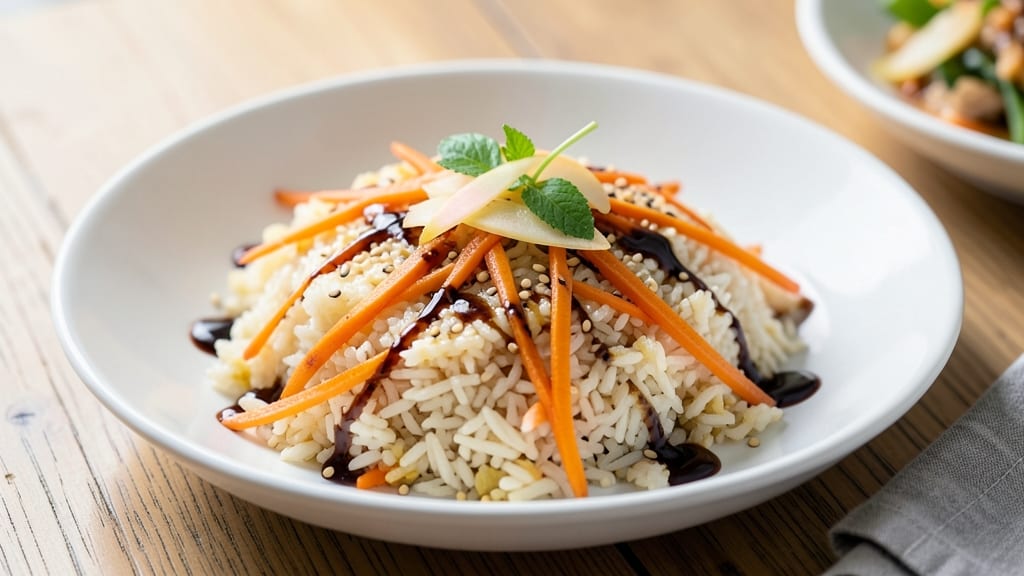
This carrot fried rice recipe transforms simple ingredients into a vibrant, one-pan meal that delivers sweet-crunchy texture and bold Asian-inspired flavors. The secret lies in properly prepping the carrots—julienning them into thin, even strips so they caramelize perfectly while staying crisp-tender.
This method creates restaurant-quality wok hei (breath of the wok) right in your home kitchen, with just 15 minutes of active cooking time.
What sets this dish apart is the balance of natural sweetness from the carrots, aromatic ginger, and umami-packed soy sauce, all coming together in a fragrant, golden-brown medley. The recipe builds flavor through layering—first toasting the rice properly, then sautéing the vegetables until they develop that signature caramelized crust.
For extra protein, simply add scrambled eggs, tofu, or shrimp at the end, making this adaptable for any dietary preference.
Ingredients for carrot fried rice
Julienned carrots and day-old rice create a vibrant, restaurant-quality fried rice with sweet-crunchy texture.
| Ingredient | Amount | Notes |
|---|---|---|
| Day-Old Cooked White Rice 🍚 | 4 cups | Cold or room temperature preferred |
| Carrots 🥕 | 3 medium | Julienned into thin strips |
| Extra-Virgin Olive Oil 🫒 | 2 tbsp | For high-heat sautéing |
| Sesame Oil 🫒 | 1 tbsp | For aroma, added at end |
| Fresh Ginger 🧄 | 1 inch | Peeled, finely minced |
| Low-Sodium Soy Sauce 🥢 | 3 tbsp | For umami depth |
| Rice Vinegar 🍶 | 1 tbsp | Balances flavors |
| Garlic Cloves 🧄 | 3 cloves | Minced for aromatic base |
| Scallions 🧅 | 3 whole | Thinly sliced, green parts reserved |
| Vegetable Oil 🫒 | 1 tbsp | For additional high-heat cooking |
| Sesame Seeds 🌾 | 1 tsp | Toasted for garnish |
| Diamond Crystal Kosher Salt 🧂 | ½ tsp | Adjust to taste |
| Black Pepper 🌶️ | ¼ tsp | Freshly ground |
The carrots are non-negotiable—organic carrots from the produce section at Whole Foods or your local farmers market yield the best texture. Look for firm, vibrant orange carrots with crisp ends. If using conventional carrots, peel them first to remove any wax coating. The julienne cut is critical: thin, even strips caramelize perfectly while maintaining their signature crunch. For extra efficiency, use a mandoline slicer with the julienne blade, but be cautious with the finger guard. The rice should be day-old, cold, and dry—freshly cooked rice releases too much moisture and steams instead of frying. Store-bought sushi rice works beautifully for this dish.
No sesame oil? Toasted peanut oil provides a similar nutty aroma, though with a slightly different profile. Substituting regular soy sauce for low-sodium? Reduce the amount by one-third and add an extra 0.5 tsp of Diamond Crystal kosher salt to compensate. Fresh ginger is ideal, but ground ginger at half the amount works in a pinch. The scallions can be swapped for green onions, but the white parts should be removed to avoid bitterness. For extra protein, add firm tofu pressed and cubed or scrambled eggs at the end of cooking. If you're using tofu, marinate it in soy sauce and a pinch of sugar for 10 minutes before adding to the pan.
This dish reheats beautifully—simply toss with a splash of water or broth and microwave for 90 seconds. For best results, store in an airtight container in the refrigerator for up to 4 days. The carrots may soften slightly over time, so it's best enjoyed fresh. Freezing isn't recommended as the texture breaks down, but you can freeze the base mixture without the carrots for up to 3 months. When reheating from frozen, add the carrots fresh after warming the rice. The sesame seeds and scallions should always be added at the end to preserve their freshness and vibrant color.
Why You'll Love This Recipe
- Uses Day-Old Rice: I swear by this trick—cold rice fries up perfectly instead of turning mushy. No need to stress over fresh-cooked grains here; just raid the fridge and get cooking.
- Sweet-Savory Magic: That caramelized ginger and sesame oil? Chef’s kiss. The carrots add a natural sweetness that balances the umami, and the olive oil keeps it from tasting greasy—just rich and satisfying.
- Lunchbox Hero: Between us, this is my go-to for packed lunches. It reheats beautifully, stays fresh for days, and my kids actually eat their veggies without complaint. (Yes, even the picky ones.)
- Pantry Staple Power: Honestly, you’re using things you already have. Rice, carrots, oil—no fancy ingredients, no last-minute grocery runs. It’s the kind of meal that saves money and time without sacrificing flavor.
Step-by-step instructions for sweet-crunchy carrot fried rice
This method transforms simple ingredients into a vibrant, flavor-packed dish with perfect texture balance.
Prepare the Carrot Strips and Aromatics
Using a sharp mandoline or vegetable peeler, julienne the 3 medium carrots into thin strips—about ¼-inch wide. This ensures they cook quickly and maintain their natural crunch. Spread the strips on a paper towel and sprinkle with 0.5 tsp Diamond Crystal Kosher Salt to draw out excess moisture, which prevents soggy vegetables during frying.
While the carrots sweat, peel and finely mince the 1 inch fresh ginger using a microplane or sharp knife. Separate the 3 whole scallions into white and green portions, slicing the whites thinly and reserving the greens for garnish. Minced garlic cloves should be as fine as possible—this ensures they dissolve completely into the oil without becoming bitter.
High-Heat Sauté for Maximum Crunch
Heat a 14-inch nonstick skillet over high heat until a drop of water sizzles violently. Add 1 tbsp vegetable oil and swirl to coat the pan evenly. Add the carrot strips in a single layer and cook undisturbed for 2-3 minutes until they blister at the edges. Stir briefly, then repeat until all carrots develop a golden-brown crust—this is where their sweetness caramelizes.
Push the carrots to one side of the pan and add 2 tbsp extra-virgin olive oil. When the oil shimmers, add the minced garlic and ginger, cooking for 30 seconds until fragrant. Immediately add the sliced scallion whites and stir for 20 seconds until softened but still vibrant. The high heat here prevents the aromatics from turning bitter.
Build the Umami Base
Add the 4 cups day-old cooked white rice to the pan, breaking up any clumps with a spatula. Stir vigorously for 1-2 minutes until the rice absorbs the caramelized carrot juices and aromatics. This step ensures every grain gets coated in flavor rather than just sitting in a pool of oil.
Pour in the 3 tbsp low-sodium soy sauce and 1 tbsp rice vinegar, stirring constantly for 30 seconds. The vinegar brightens the dish while the soy sauce deepens the umami. Let the mixture cook for 1 minute until the rice begins to sizzle—this creates a slightly sticky texture that holds together when served.
Finish with Toasted Sesame and Crispy Garnish
Reduce heat to medium-low and drizzle 1 tbsp sesame oil over the rice, tossing gently to distribute evenly. The oil adds nutty aroma and prevents the dish from drying out. Cook for 1-2 minutes until the rice is heated through and the sesame oil is fully incorporated—you'll smell its distinct toasted fragrance.
Transfer the fried rice to a serving platter and sprinkle with 1 tsp toasted sesame seeds and the reserved scallion greens. Finish with a final crack of 0.25 tsp black pepper for brightness. Serve immediately while the carrots retain their crisp-tender texture and the rice stays separate and flavorful.
Pro Tips For Making Carrot Fried Rice
- SHRED CARROTS SMALL: I learned this the hard way—big chunks stay tough even after stir-frying. Cut them into matchsticks (about 1/8-inch thick) so they soften fast and soak up the sesame oil’s flavor. If you’re impatient like me, you’ll be tempted to skip this, but trust me, it makes a real difference.
- USE COLD DRY RICE: That day-old rice isn’t just for texture—it’s non-negotiable. Spread it on a tray and let it sit uncovered for 10 minutes before frying. Cold, dry grains crisp up better and resist mushiness, especially when you’re tossing everything together fast.
- STOP STIR-FRYING WHEN CARROTS ARE AL DENTE: Overcooked carrots turn to mush, and no one wants that. Pull them out when they’re still slightly firm—just yielding but not falling apart. They’ll keep cooking from the residual heat while you finish the rice, and the bite stays perfect.
- FINISH WITH SESAME OIL LAST: Drizzle that sesame oil in the final 30 seconds, off the heat if possible. It’s delicate stuff—heat turns it bitter. Let the aroma bloom while you toss everything together, then serve immediately. (Yes, even if you’re impatient to eat.)
Dietary considerations for this carrot fried rice
Vegetarian-Friendly Base
This carrot fried rice is naturally vegetarian, but you can easily customize it to fit other dietary needs. The base recipe relies on plant-based ingredients like carrots, ginger, garlic, and rice, making it a great option for those avoiding meat or dairy.
For added protein, stir-fry ½ cup firm tofu (pressed and cubed) or 2 scrambled eggs at the end—both work beautifully. 🥕
Vegan Adaptations
To make this dish fully vegan, simply omit any animal products. Ensure your soy sauce is vegan-certified (most low-sodium brands are), and use a neutral oil like vegetable or canola oil.
For extra umami, add 1 tsp nutritional yeast or ½ tsp white miso paste when building the flavor base. The dish remains rich and satisfying without dairy or eggs.
Gluten-Free Swaps
Traditional soy sauce contains gluten, so for a gluten-free version, replace the 3 tbsp low-sodium soy sauce with 3 tbsp gluten-free tamari or coconut aminos. These alternatives provide the same savory depth without the gluten.
The rice vinegar and sesame oil remain safe for gluten-free diets, so no other substitutions are needed. Always check labels to avoid cross-contamination if necessary.
Low-Carb Option
For a lower-carb twist, replace the white rice with cauliflower rice—use 4 cups riced cauliflower (about 1 medium head) instead. Sauté the cauliflower rice first until tender before adding the carrots and aromatics.
The texture will be slightly different but still delicious. Add an extra 1 tbsp vegetable oil to ensure the cauliflower doesn’t stick, and reduce the cooking time by 1-2 minutes.
Allergen Considerations
This recipe is naturally free from common allergens like nuts, dairy, and eggs, but always double-check ingredient labels. Sesame seeds and sesame oil are potential allergens—omit them if needed and replace with extra scallions or a sprinkle of toasted pumpkin seeds for crunch.
For soy allergies, substitute soy sauce with coconut aminos or gluten-free tamari (ensure it’s soy-free if necessary).
Nutrition facts
Frequently asked questions
Why do the carrots need to be julienned for fried rice?
Julienning creates thin, even strips that caramelize perfectly in 2-3 minutes while maintaining their crisp-tender texture. Thicker slices would steam instead of fry, losing that signature sweet-crunchy contrast. The thin cut also allows the carrots to absorb the savory sauce more evenly throughout the dish.
Can I use fresh rice instead of day-old rice?
Fresh rice releases too much moisture and turns mushy when fried. Day-old rice is essential because its dry surface creates that perfect wok-hei texture. If you must use fresh rice, spread it on a tray and refrigerate for 30 minutes to dry it out before cooking. Never skip this step—it makes all the difference!
How do I prevent my fried rice from getting soggy?
Soggy fried rice happens when moisture isn't properly managed. Always use cold, day-old rice and stir-fry over high heat for quick cooking. Avoid overcrowding the pan—cook in batches if needed. The key is high heat and constant stirring to evaporate excess moisture while building flavor.
What's the best way to add protein to this vegetarian fried rice?
For extra protein, stir-fry ½ cup firm tofu (pressed and cubed) or 2 scrambled eggs in the pan for 2-3 minutes before adding the rice. For a seafood option, add ½ cup cooked shrimp at the end. The protein should be cooked separately first to avoid overcrowding the pan.
Can I make this ahead of time?
This dish tastes best fresh, but you can prep components ahead: cook the rice a day in advance, julienne the carrots (store in water to prevent drying), and mince the garlic/ginger. Reheat gently with a splash of water or broth for 90 seconds in the microwave. The carrots may soften slightly—best to add fresh ones when reheating.