
Main Courses
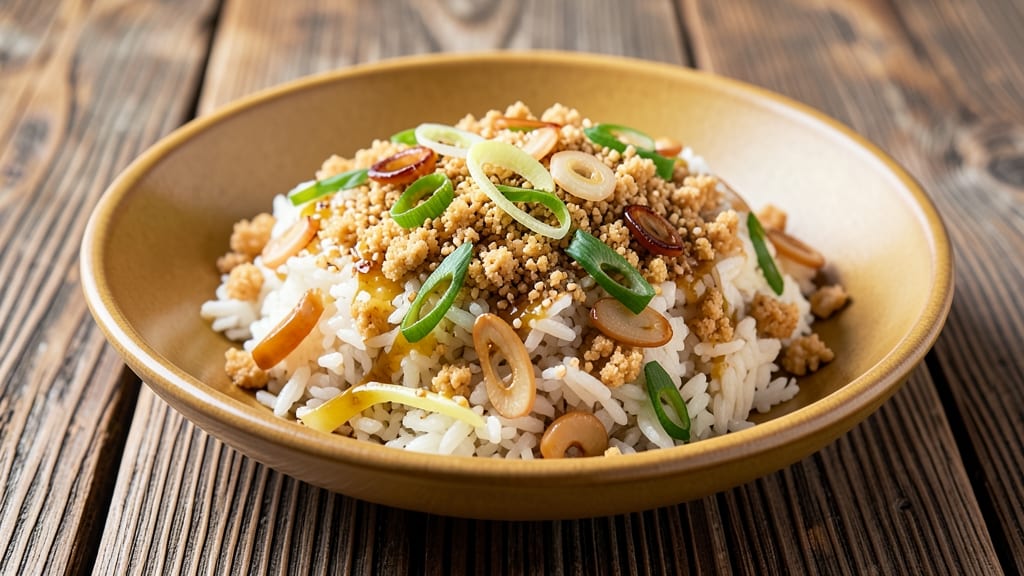
This cashew fried rice recipe transforms simple ingredients into a restaurant-worthy vegetarian dish with crispy wok-tossed rice, buttery cashews, and aromatic seasonings that balance sweet, savory, and umami flavors.
The secret lies in perfectly cooked jasmine rice—firm enough to hold its shape but tender enough to soak up the savory sauce, while toasted cashews add a satisfying crunch and nutty depth that elevates every bite.
What sets this dish apart is the fusion of textures and flavors: the high-heat stir-fry creates a smoky aroma, the cashews provide a protein-rich crunch, and a quick homemade sauce ties everything together with a glossy sheen.
Unlike traditional fried rice, this version skips meat while delivering the same hearty satisfaction—ideal for weeknight dinners, meal prep, or impressing guests with minimal effort.
Ingredients for cashew fried rice
Perfectly balanced rice, nutty cashews, and aromatic seasonings create this restaurant-style vegetarian dish.
| Ingredient | Amount | Notes |
|---|---|---|
| Jasmine Rice 🍚 | 3 cups | Uncooked, day-old preferred |
| Raw Cashews 🥜 | 1 ½ cups | Whole, unsalted, toasted |
| Vegetable Oil 🫒 | ½ cup | High smoke point preferred |
| Green Onions 🧅 | ½ cup | White and green parts separated |
| Garlic Cloves 🧄 | 6 cloves | Minced, fresh preferred |
| Ginger Root 🌿 | 1 tbsp | Fresh, grated, peeled |
| Low-Sodium Soy Sauce 🥢 | ⅓ cup | Vegetarian-friendly brand |
| Sesame Oil 🫒 | 1 tbsp | Toasted, for aroma |
| Oyster Sauce 🍶 | 1 tbsp | Vegetarian version preferred |
| Rice Vinegar 🍶 | 1 tbsp | White or seasoned |
| White Sugar 🍚 | 1 tbsp | Or coconut sugar |
| Black Pepper 🌶️ | ½ tsp | Freshly ground |
| Diamond Crystal Kosher Salt 🧂 | ½ tsp | For seasoning |
| Sesame Seeds 🌾 | 1 tbsp | Toasted, for garnish |
| Scallions 🧅 | 2 whole | Thinly sliced, extra for garnish |
The foundation starts with jasmine rice—day-old works best as it holds its shape during the high-heat stir-fry. For optimal texture, cook it slightly underdone (al dente) and let it cool completely before using. Whole, unsalted cashews are essential; they toast beautifully and provide that rich, buttery crunch. Toast them separately in a dry skillet until golden—about 3-4 minutes—then chop coarsely. Vegetable oil with a high smoke point (like avocado or grapeseed) ensures your wok stays hot without burning. For the aromatics, fresh garlic and ginger make all the difference—avoid pre-minced jars, which often contain anti-caking agents that dull flavor.
No sesame oil? Toasted peanut oil delivers a similar nutty aroma, though with a different profile. Short on oyster sauce? A mix of soy sauce and a dash of sugar mimics its umami-sweet balance. The vegetarian oyster sauce (brands like Annie Chun's or Lee Kum Kee) ensures no hidden animal products. For extra depth, add a splash of mushroom sauce or vegetable bouillon to the sauce base. The green onions should be separated—white parts for cooking, green for garnish. If you can't find fresh ginger, powdered ginger at half the amount works in a pinch, though fresh is preferred for that bright zing.
Prep ahead by toasting the cashews and making the sauce in advance—both keep well in airtight containers. Fridge storage for up to 4 days works best; reheat gently in a skillet with a splash of water to restore crispiness. For freezing, portion the fried rice into single servings before adding fresh garnishes—this keeps texture intact for up to 3 months. The dish reheats beautifully, though the cashews may soften slightly. To revive, toss with a drizzle of sesame oil and a pinch of salt before serving.
Why You'll Love This Recipe
- One-Pan Magic: I swear by this recipe when I’m too tired to wash dishes. Toss everything—rice, cashews, garlic—into one hot pan with oil, and let the residual heat do the work. No chopping boards, no extra bowls, just pure, satisfying simplicity.
- Nutty Crunch Surprise: That first bite? The cashews add this unexpected crunch that makes it feel fancy, but honestly, it’s just a handful of raw cashews toasted right in the pan. The garlic and green onions hit like a fresh breeze, balancing the richness perfectly.
- Lunchbox Hero: Between us, this is my go-to for meal prep. Cook a big batch on Sunday, and I’ve got crispy, flavorful rice for lunches all week. Pack it cold or reheat it—either way, it’s a hit with my kids (even the picky ones).
- Budget-Friendly Luxury: Jasmine rice and cashews sound fancy, but they stretch so far. A single batch feeds four, and the leftovers taste just as good the next day. I’ll be real: it’s the kind of meal that makes me feel like I’m treating myself without breaking the bank.
Step-by-step instructions for cashew fried rice
Master the balance of texture and flavor with this nutty, aromatic fried rice technique.
Prepare the Cashew Paste for Creamy Texture
Toast the 1.5 cups raw cashews in a dry skillet over medium heat for 3-4 minutes until fragrant and lightly golden. Transfer to a food processor and pulse until you achieve a fine, sand-like texture—not a paste yet. This ensures proper blending with the oil later.
In a small bowl, combine the toasted cashews with the 0.5 cup vegetable oil. Using a mortar and pestle or food processor, work the mixture until it forms a smooth, thick paste with no visible cashew particles. This will serve as your creamy base. Set aside—this step is the secret to that luxurious texture that sets this fried rice apart from traditional versions.
Cook the Aromatics and Rice Foundation
Heat a wok or large skillet over high heat until smoking. Add the 0.5 cup vegetable oil (reserve 1 tablespoon for later) and swirl to coat. Add the 6 cloves minced garlic and 1 tablespoon grated ginger root, cooking for 30 seconds until fragrant but not browned—this prevents bitterness. Immediately add the 3 cups jasmine rice (day-old works best) and stir vigorously for 1-2 minutes to toast the grains lightly.
Pour in the 0.33 cup low-sodium soy sauce and 1 tablespoon oyster sauce, stirring constantly. Add 1 tablespoon rice vinegar and 1 tablespoon white sugar, mixing well. The rice should begin to sizzle and release steam. This is your flavor foundation—don't rush this step as the aromatics need time to meld with the rice.
Incorporate the Cashew Cream and Vegetables
Push the rice to one side of the wok and add the remaining 1 tablespoon vegetable oil. Toss in the white and green parts of the 0.5 cup separated green onions and the 2 whole thinly sliced scallions. Stir-fry for 1 minute until bright green and just tender. Spread the rice back into the center and add the cashew paste, stirring vigorously for 2-3 minutes until fully incorporated and the rice is evenly coated.
Season with the 0.5 teaspoon diamond crystal kosher salt and 0.5 teaspoon black pepper. The rice should now have a glossy sheen from the cashew cream. If it looks too dry, add 2-3 tablespoons hot water and stir until absorbed. The texture should be moist but not soggy—this is where your technique matters most.
Finish with Sesame Oil and Garnish
Reduce heat to medium-low and drizzle in the 1 tablespoon toasted sesame oil. Stir immediately to distribute evenly—this adds depth of aroma. Taste and adjust seasoning if needed, remembering that the cashew paste may slightly dilute the saltiness. The dish should balance nutty sweetness, umami from the sauces, and fresh vegetable brightness.
Transfer to serving plates and garnish with the remaining thinly sliced scallions and 1 tablespoon toasted sesame seeds. Serve immediately while the rice maintains its perfect texture. The contrast of warm, creamy cashew rice with the crisp sesame seeds and fresh scallions makes every bite exciting.
Pro Tips For Making Cashew Fried Rice
- TOAST THE CASHEWS FIRST: I learned this the hard way—raw cashews taste bitter when tossed into hot oil. Lightly toast them in a dry pan for 2-3 minutes until golden before adding to the rice. That nutty aroma turns them from a bland addition to the star of the dish.
- USE DAY-OLD RICE: Freshly cooked rice is too sticky and clumps like glue. Break out the leftovers (or cook extra) because cold, slightly dry jasmine rice fries up crisp and separates perfectly. No one wants mushy fried rice—trust me, I’ve made it.
- STIR-FRY IN BATCHES: Crowd the pan and you’ll steam the rice instead of sear it. Work in 2-3 portions, letting each batch get a good crisp before adding more. High heat is your friend here—keep it sizzling, not simmering.
- GARLIC BEFORE GREEN ONIONS: My grandmother swore by this order: Cook the garlic until it’s just golden (not brown) before adding the green onions. That way, the onions stay bright and fresh instead of turning limp. (Yes, even if you’re impatient like me.)
Regional styles of this dish
Chinese Takeout Twist
This version leans into the familiar flavors of Chinese-American fried rice by adding a touch of sweet chili sauce (about 1 tablespoon) and diced bell peppers (about ½ cup) for color and crunch.
Use day-old rice and stir-fry with high heat to achieve that signature wok hei—smoky aroma. Garnish with crushed red pepper flakes for a subtle kick, just like takeout. 🌶️
Thai-Inspired Peanut
Transform your fried rice into a Thai-inspired dish by blending 2 tablespoons peanut butter (unsweetened) with 1 tablespoon soy sauce, 1 tablespoon rice vinegar, and ½ teaspoon chili flakes.
Stir this into the cashew paste before combining with the rice. Top with crushed peanuts and cilantro for an aromatic, nutty profile. Serve with a side of lime wedges for brightness.
Japanese-Inspired Teriyaki
For a Japanese-inspired version, replace the oyster sauce with 2 tablespoons teriyaki sauce (ensure it's vegetarian). Add ½ cup shredded carrots and ½ cup sliced shiitake mushrooms for umami depth. Finish with a drizzle of mirin (about 1 teaspoon) and toasted sesame seeds.
The teriyaki glaze adds a glossy sheen and sweet-savory balance that pairs beautifully with the cashews.
Korean-Inspired Kimchi
Infuse your fried rice with Korean flavors by adding ½ cup chopped kimchi (drained) and 1 tablespoon gochujang (Korean chili paste) to the sauce mixture. Use short-grain rice for a stickier texture and garnish with sesame seeds and extra kimchi bits.
The tangy, spicy kick from the kimchi elevates the dish with bold, complex flavors. Serve with a side of pickled radish for extra crunch. 🌟
Vietnamese-Inspired Lemongrass
Bring Vietnamese flavors to your fried rice by adding 1 stalk lemongrass (minced) and 1 tablespoon fish sauce substitute (vegetarian version) to the sauce. Stir in ½ cup bean sprouts and ¼ cup sliced green onions for freshness.
Garnish with fresh mint leaves and a squeeze of lime juice before serving. The citrusy, herbal notes create a refreshing twist on the classic fried rice.
Modern Fusion with Miso
For a fusion approach, blend 1 tablespoon white miso paste into the cashew paste for an umami-rich depth. Add ½ cup shredded napa cabbage and ½ cup sliced scallions for texture.
Finish with a sprinkle of furikake (Japanese seasoning) and a drizzle of yuzu kosho (if available) for a modern, Japanese-inspired flair. This version balances nutty, savory, and slightly sweet elements seamlessly.
Nutrition facts
Frequently asked questions
Why does the recipe call for day-old rice?
Day-old rice is crucial because it's drier and firmer, which prevents it from turning mushy during the high-heat stir-fry. Freshly cooked rice releases too much steam and lacks the proper texture for crispy fried rice. Store cooked rice uncovered in the fridge for 24 hours before using—this ensures perfect grains every time.
Can I substitute cashews with another nut?
Yes! For a similar texture, try peanuts (toasted and chopped) or almonds (blended into a paste). Macadamia nuts work too but have a richer, buttery flavor. Avoid walnuts—they're too soft when cooked. If using peanuts, reduce oil slightly as they contain natural fats.
How do I fix fried rice that's too dry or too wet?
For dry rice, add 1-2 tablespoons hot water and stir quickly to restore moisture. If it's too wet, spread it on a baking sheet and dry it in the oven at 300°F for 5-10 minutes while stirring occasionally. The key is high heat and quick stirring—don't overcrowd your pan.
What's the best way to make this dish gluten-free?
Use tamari (gluten-free soy sauce) instead of regular soy sauce, and check your oyster sauce for hidden gluten. For extra umami, add 1 tablespoon nutritional yeast or ½ cup mushrooms (like shiitake). All other ingredients are naturally gluten-free. Always verify labels on sauces and seasonings.
Can I make this with brown rice?
Brown rice works but requires adjustments: Use 1.5 cups uncooked brown rice (it expands more) and cook it 10 minutes longer than usual. The texture will be nuttier and heartier, but it may absorb more moisture. For best results, rinse the rice thoroughly before cooking to remove excess starch.