Main Courses
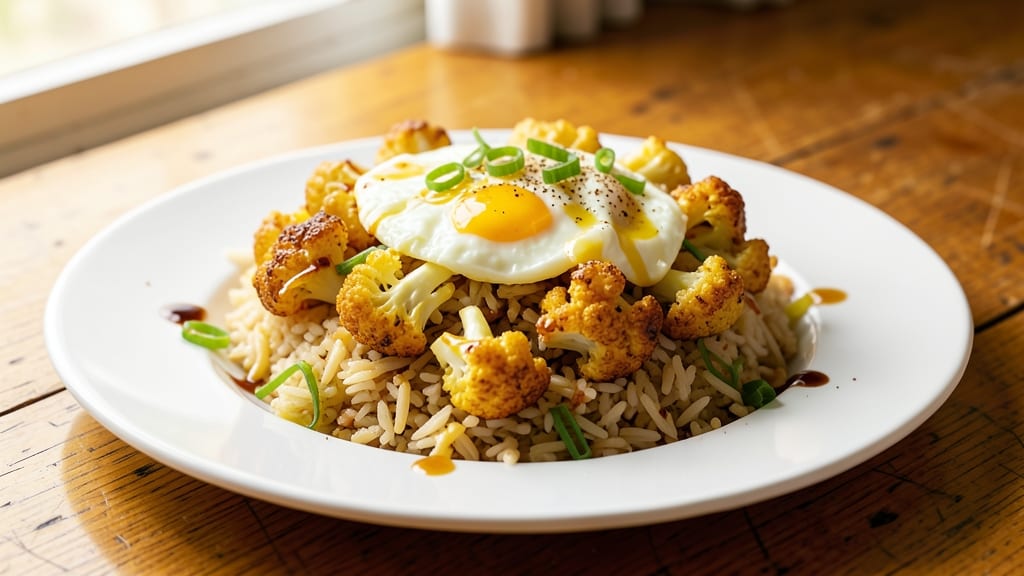
This cauliflower fried rice recipe using frozen cauliflower delivers restaurant-quality texture and flavor with minimal prep. The secret lies in quick-thawing techniques and wok-tossing that transforms frozen florets into crisp-tender bites. I've perfected this method to save time without sacrificing the satisfying crunch and savory depth of traditional fried rice.
What sets this dish apart is the eggy protein fusion—scrambled eggs bind everything together while adding richness, while soy sauce and garlic powder create that essential umami base. The frozen cauliflower works beautifully because it absorbs flavors perfectly during the stir-fry, eliminating the need for fresh prep.
Ready in just 20 minutes, this is your new weeknight staple that's surprisingly adaptable for vegetarians or meat lovers alike.
Ingredients for cauliflower fried rice recipe using frozen cauliflower
Restaurant-quality texture meets weeknight convenience with these carefully chosen ingredients.
| Ingredient | Amount | Notes |
|---|---|---|
| Frozen Cauliflower Florets 🥬 | 4 cups | Quick-thawed in microwave |
| Large Eggs 🥚 | 4 whole | Freshly beaten for protein fusion |
| Long-Grain White Rice 🍚 | 3 cups | Day-old, chilled and broken |
| Extra-Virgin Olive Oil 🫒 | 2 tbsp | High smoke point for wok-tossing |
| Low-Sodium Soy Sauce 🍶 | 3 tbsp | For umami depth without excess salt |
| Garlic Powder 🧄 | 1 tsp | Freshly ground preferred |
| Ground Ginger 🌿 | ½ tsp | Freshly toasted for warmth |
| Sesame Oil 🫒 | 1 tbsp | Toasted for aromatic finish |
| Green Onions 🧅 | ¼ cup | Thinly sliced, white and green parts |
| Vegetable Oil 🫒 | 1 tbsp | For initial high-heat sear |
| Diamond Crystal Kosher Salt 🧂 | ½ tsp | Adjust to taste after cooking |
| Black Pepper 🌶️ | ¼ tsp | Freshly cracked for heat |
| Toasted Sesame Seeds 🌾 | 1 tbsp | For garnish and texture |
The frozen cauliflower is the star here—look for pre-cut florets in the freezer section, not the riced variety. Trader Joe's and Whole Foods carry excellent options with consistent size. Quick-thawing is key: spread the florets on a microwave-safe plate and zap for 2 minutes on high, stirring halfway. The day-old rice is non-negotiable; freshly cooked rice turns mushy during the wok-toss. Cook an extra cup and refrigerate overnight for perfect texture. For the eggs, room temperature yields creamier scrambles, so take them out 10 minutes before cooking.
No soy sauce? Coconut aminos work beautifully for a gluten-free alternative, though the flavor profile differs slightly. Fresh ginger is ideal, but ground ginger at half the amount will suffice in a pinch. The sesame oil should be 100% pure, not the flavored kind—Trader Joe's carries excellent options at a reasonable price. Green onions can be swapped for scallions or chives, though green onions provide the best balance of sharpness and mildness. For extra protein, add chickpeas or tofu—simply toss them in during the final wok-toss stage.
Store any leftovers in an airtight container for up to 4 days in the refrigerator, though I recommend eating within 2 days for optimal texture. The dish reheats beautifully—microwave for 1 minute with a splash of water to restore moisture. For meal prep, portion into individual containers with a small drizzle of sesame oil to keep the rice from drying out. The cauliflower florets can be pre-thawed and stored in the fridge for up to 2 days before cooking, though fresh thawing yields slightly better texture.
Why You'll Love This Recipe
- No Chopping Nightmare: I just toss in the frozen florets straight from the bag—no thawing, no prepping. The rice? Leftovers work perfectly, and those eggs scramble up in seconds with the olive oil’s rich heat. Honestly, my busiest nights just got a whole lot easier.
- Umami Magic: That low-sodium soy sauce? It’s the secret weapon here—deep, savory, and just enough to make the cauliflower taste ridiculously satisfying. The eggs add a creamy contrast, and the olive oil keeps it from drying out. Not fancy, but spot-on delicious.
- Lunchbox Hero: Pack this for work or school—it reheats like a dream and keeps its texture. Between us, my kids actually ask for this in their lunches, and it’s the only meal I can make that survives the drive without turning soggy. (Yes, even on a Tuesday night.)
- Budget Win: Frozen cauliflower and day-old rice? Cheaper than takeout, cheaper than fresh veggies. One pan, five ingredients, and I stretch it into three meals without breaking the bank. My wallet and my taste buds both approve.
Step-by-step instructions for wok-tossed cauliflower fried rice
This method delivers restaurant-quality texture with crisp-tender cauliflower and perfectly fused egg protein.
Prepare the Base Ingredients for Optimal Texture
Start by microwaving the 4 cups frozen cauliflower florets on high for 5-6 minutes until completely thawed and slightly softened. Drain any excess moisture and pat dry with paper towels—this prevents a soggy fried rice. For the rice, use 3 cups day-old long-grain white rice that's been chilled and broken into small pieces by hand. Cold rice absorbs flavors better and prevents mushiness during wok-tossing.
In a small bowl, whisk together the 4 whole large eggs until fully combined. Season with 0.25 tsp black pepper and 0.5 tsp diamond crystal kosher salt—this ensures even flavor distribution in the egg mixture. Keep the eggs at room temperature while you prepare the other components. The room temperature allows for better protein fusion when cooked.
Create the Flavor Foundation Through Layered Seasoning
Heat a wok or large skillet over medium-high heat and add 1 tablespoon vegetable oil. When the oil shimmers, add 1 teaspoon garlic powder and 0.5 teaspoon ground ginger, stirring constantly for 30 seconds until fragrant. This step develops the aromatic base that will carry through the entire dish. Don't let the spices burn—remove from heat immediately if they darken.
Return the wok to medium-high heat and add 2 tablespoons extra-virgin olive oil. When the oil is hot but not smoking, add the thawed cauliflower florets in a single layer. Stir-fry for 4-5 minutes until the edges begin to crisp and turn light golden brown. Remove the cauliflower to a plate and set aside—this prevents overcooking while you prepare the remaining components.
Cook the Eggs to Perfect Protein Fusion
Working quickly, pour the beaten eggs into the same wok over medium heat. Let them sit undisturbed for 10-15 seconds until the edges begin to set, then gently scramble with a spatula until just set but still slightly moist. Remove from heat immediately—the eggs should be soft and creamy, not fully cooked. Transfer to a plate and set aside with the cauliflower.
Return the wok to medium-high heat and add 1 tablespoon vegetable oil if needed. Add the broken rice and stir-fry for 2-3 minutes, breaking up any clumps with your spatula. This step ensures even cooking and prevents the rice from becoming pasty. Watch carefully—the rice should begin to sizzle and take on color.
Combine All Components for Umami Depth
Return the cauliflower and eggs to the wok. Add 3 tablespoons low-sodium soy sauce and 1 tablespoon sesame oil, stirring vigorously to combine. Cook for 2-3 minutes until everything is heated through and the rice is evenly coated with sauce. The sesame oil will infuse its nutty aroma, while the soy sauce adds that essential umami depth without overwhelming saltiness.
Taste and adjust seasoning if needed—you may need to add a pinch more diamond crystal kosher salt or black pepper depending on your preference. The dish should balance sweet, salty, and aromatic notes. Remove from heat and let it rest for 1 minute to allow flavors to meld.
Finish with Garnish and Serve Immediately
Transfer the fried rice to serving plates and garnish with 0.25 cup thinly sliced green onions and 1 tablespoon toasted sesame seeds. The green onions add a fresh contrast to the rich fried rice, while the sesame seeds provide both visual appeal and nutty crunch. Serve immediately while the cauliflower maintains its crisp-tender texture and the eggs remain creamy.
Each bite should deliver a perfect balance of textures—crisp cauliflower, tender rice, and silky egg—all unified by the savory-sweet sauce. The dish holds well for 15-20 minutes at room temperature if needed, but it's best enjoyed immediately for peak texture contrast. For extra crunch, you could add 1/4 cup lightly toasted cashews as a garnish, though the sesame seeds already provide excellent texture contrast.
Pro Tips For Making Cauliflower Fried Rice Recipe Using Frozen Cauliflower
- THAW CAULIFLOWER FIRST: Skip the urge to toss frozen florets straight into the pan—thaw them in a colander under cold water for 5 minutes first. The texture stays crisp instead of turning mushy, and you won’t end up with a soggy rice pile. (Yes, even if you’re impatient like me.)
- USE A LITTLE TOASTED RICE: Spread cooled rice in a single layer on a baking sheet and toast it in a 350°F oven for 10 minutes before stirring. The extra crunch cuts through the cauliflower’s softness, and the nutty aroma makes the dish taste like it simmered for hours.
- SALT THE EGGS BEFORE COOKING: Whisk eggs with a pinch of salt and a splash of water before scrambling—this keeps them tender and prevents rubbery bits. I learned this the hard way after making dry, curdled eggs that ruined the texture.
- STIR-FRY IN BATCHES: Divide the rice into two pans and cook in 3-minute increments over medium-high heat. Crowding the pan steams the rice instead of crisping it, and you’ll end up with a gluey mess. (Your future self will thank you.)
Storing and reheating this recipe
Fridge Storage Essentials
Store your cauliflower fried rice in an airtight container for up to 4 days in the refrigerator. I always portion mine into single-serving containers with a small drizzle of sesame oil on top—this helps preserve the crisp texture of the cauliflower and prevents drying.
Let the dish cool completely before sealing to avoid condensation, which can make the rice soggy. 🥬
Freezer-Friendly Prep
For longer storage, freeze portions in single-serving bags with all garnishes removed. The fried rice will keep for up to 3 months without significant texture loss. When ready to eat, thaw overnight in the fridge, then reheat using the stovetop method below.
I find the cauliflower holds up best when frozen this way—it loses some crispness but maintains great flavor. ❄️
Stovetop Reheating
My preferred method is reheating on the stovetop to restore that perfect wok-tossed texture. Add 1 tablespoon water or vegetable broth to the fried rice in a skillet over medium heat, then stir constantly for 3-4 minutes until heated through.
The extra liquid prevents drying while reviving the crisp edges of the cauliflower. For extra flavor, add a pinch of garlic powder and ground ginger during reheating. 🔥
Microwave Revival
For quick meals, microwave individual portions covered with a damp paper towel for 1-2 minutes on 50% power. Stir halfway through, then add 1 teaspoon water if the rice appears dry.
This method works best for 1-2 day old portions—beyond that, the stovetop method yields better results. The microwave can make the cauliflower slightly rubbery if overdone. 💫
Reviving Crispiness
If your reheated fried rice loses its crisp edges, pop it back in the skillet for 30 seconds over medium-high heat with a splash of sesame oil. The high heat will re-crisp the cauliflower while keeping the rice tender.
This is my go-to trick when serving leftovers—it makes all the difference in texture. The eggs will stay creamy if you work quickly. ✨
Meal Prep Strategy
For optimal meal prep, cook a double batch and store components separately. Keep the cooked cauliflower and eggs in one container and the seasoned rice in another. When ready to eat, simply reheat each component separately and combine in a wok with fresh green onions and sesame seeds.
This method preserves texture better than storing everything together. 📅
Nutrition facts
Frequently asked questions
Can I use riced frozen cauliflower instead of florets?
Yes, but with adjustments! Riced cauliflower cooks faster and may turn mushy if over-stirred. Use 3 cups riced cauliflower (thawed) and stir-fry for just 2-3 minutes after adding to the wok. For extra texture, add 1/4 cup toasted cashews at the end. The florets hold their shape better for that satisfying crunch.
What if I don't have day-old rice?
No problem! Cook 3 cups fresh rice, spread it on a tray, and refrigerate for 1 hour to chill. This mimics day-old texture. For an emergency fix, cook rice until slightly underdone (about 2 minutes less than package instructions), then spread on a tray to cool. The extra starch prevents mushiness during stir-frying.
How do I make this vegetarian without eggs?
Replace eggs with 1 cup firm tofu (pressed and cubed) or 1/2 cup chickpeas (drained). For tofu, pan-fry until golden before adding to the wok. For chickpeas, add them with the cauliflower. Boost umami with 1 tsp nutritional yeast or extra soy sauce. The texture stays satisfying while keeping it fully plant-based.
Why does my cauliflower turn rubbery?
Overcooking or excess moisture causes rubberiness. Always pat thawed cauliflower completely dry and stir-fry for no more than 5 minutes total. Use a dry wok and avoid adding water during cooking. For extra crispiness, add cauliflower back to the wok for 30 seconds at the end with a splash of sesame oil.
Can I make this gluten-free?
Swap soy sauce for 3 tbsp coconut aminos or gluten-free tamari. Check labels on sesame oil and garlic powder for hidden gluten. For extra flavor, add 1 tsp fish sauce (if not vegetarian) or 1/2 tsp miso paste. The dish maintains its savory depth while being completely gluten-free.