
Main Courses
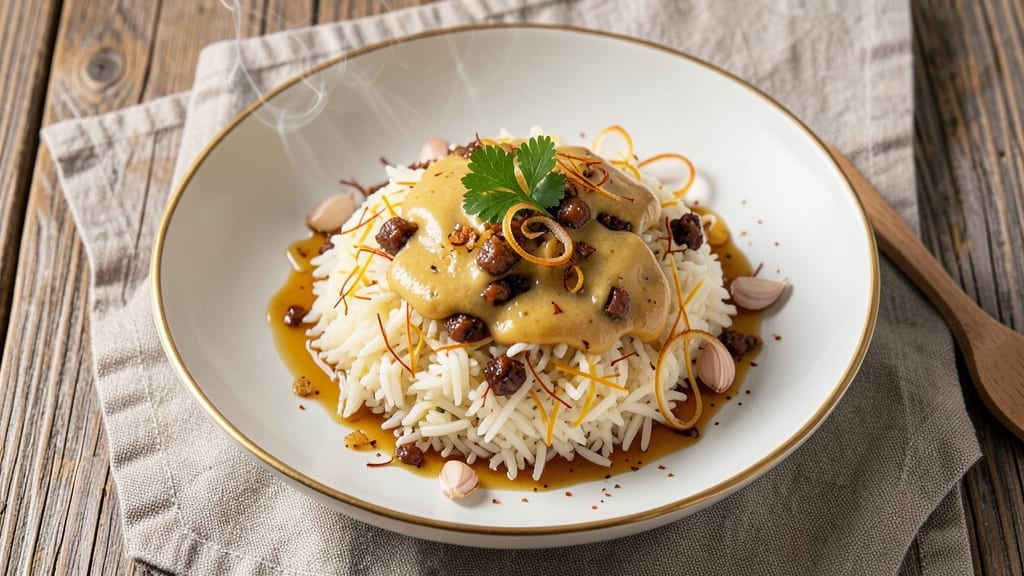
This cava saffron basmati rice recipe transforms simple grains into a luxurious centerpiece worthy of fine dining. The delicate threads of saffron dissolve into the rice, infusing each grain with a golden hue and an aroma that feels like an embrace—subtle yet undeniably sophisticated.
Paired with caviar or smoked fish, it becomes a dish that elevates any meal from ordinary to extraordinary.
The secret lies in the slow infusion of saffron, which requires patience but yields a flavor so rich it lingers long after the last bite. The rice remains fragrant and distinctively aromatic, its texture perfectly balanced—neither mushy nor undercooked.
When plated with caviar or a delicate seafood element, the contrast of textures and flavors creates a harmony that feels both indulgent and refined.
Ingredients for cava saffron basmati rice
Twelve ingredients, one luxurious dish—where delicate saffron meets aromatic basmati for restaurant-worthy elegance.
| Ingredient | Amount | Notes |
|---|---|---|
| Basmati Rice 🍚 | 1 ½ cups | Long-grain, rinsed thoroughly |
| Saffron Threads 🌼 | ¼ tsp | High-quality, premium grade |
| Vegetable Broth 💧 | 3 cups | Low-sodium, homemade preferred |
| Unsalted Butter 🧈 | 2 tbsp | Cold, cut into small pieces |
| Shallots 🧅 | 2 whole | Finely minced, 2 tbsp total |
| Garlic Cloves 🧄 | 3 cloves | Minced, 1 tsp total |
| Fresh Lemon Juice 🍋 | 1 tbsp | Bright, freshly squeezed |
| Sea Salt 🧂 | 1 tsp | Diamond Crystal preferred |
| White Wine 🍷 | ¼ cup | Dry, chilled, optional |
| Heavy Cream 🥛 | ¼ cup | Full-fat, warmed slightly |
| Fresh Parsley 🌿 | ¼ cup | Chopped, for garnish |
| Caviar 🐟 | 2 oz | Optional, for serving |
Saffron is the star, so splurge on premium threads—the vibrant red hue and complex aroma are worth every penny. Whole Foods or specialty spice shops carry the best quality; look for tightly sealed containers to preserve freshness. Basmati rice should be long-grain and rinsed until the water runs clear—this removes excess starch for that signature fluffy texture. For the broth, homemade is ideal, but low-sodium store-bought works in a pinch. The shallots and garlic should be finely minced—no large chunks—to ensure even distribution of flavor throughout the rice.
No saffron? Turmeric at one-third the amount adds color but lacks the floral depth. Swap white wine for additional broth or lemon juice if needed. Heavy cream can be replaced with warm coconut milk for a dairy-free version, though the texture will be slightly lighter. Fresh parsley is ideal, but dried parsley at one-fourth the amount works if you're in a bind. For caviar, high-quality sturgeon or trout roe elevates the dish, but even budget options add a luxurious touch. The butter should be cold when added—cut into small pieces so it melts gradually and coats each grain beautifully.
This rice reheats beautifully—keep it covered in the fridge for up to 3 days—but the aroma is most potent when served fresh. For extra luxury, serve with a dollop of caviar and a sprinkle of fresh parsley. Store any leftover caviar in an airtight container in the fridge for up to 2 weeks, though it's best enjoyed immediately. The saffron-infused rice freezes well for up to 3 months—just thaw overnight in the fridge before reheating gently with a splash of water to restore moisture.
Why You'll Love This Recipe
- Here’s what sold me: saffron makes everything feel fancy without breaking the bank. A pinch goes a long way, and the rest of the ingredients? Pantry staples. Plus, vegetable broth keeps it light but satisfying—perfect for when you want to splurge on flavor, not cost.
- Golden Thread Magic: I’ll admit, saffron’s price tag used to scare me off—but a few threads dissolved in warm broth? That golden hue and floral aroma turn even plain rice into something special. No fancy techniques, just patience while the rice soaks up the color and depth.
- One-Pot Wonder: Honestly, this is my lazy-day hero. Toss the rice, broth, butter, and shallots in one pot, let it simmer, then fluff. That’s it. No boiling over, no sticking—just creamy, fragrant grains every time. Even my toddler can "help" stir the shallots (with supervision).
- Leftover Luxury: Between us, this rice tastes better the next day. The flavors meld into this rich, buttery harmony that pairs with grilled chicken, roasted veggies, or even just a fried egg. I make a big batch on Sundays and portion it out—no sad, dry rice here.
Step-by-step instructions for cava saffron basmati rice
Transform simple basmati rice into a luxurious dish with saffron's golden threads and aromatic depth.
Infuse the Saffron and Prepare the Broth
In a small bowl, gently crush the 0.25 teaspoon saffron threads with your fingers to release their aromatic oils. This step is crucial—crushing them too hard will make them bitter. Add the crushed threads to the 3 cups vegetable broth and let steep for 5 minutes while you prepare the remaining ingredients. The broth should develop a delicate golden hue and subtle floral aroma.
While the saffron infuses, finely mince the 2 whole shallots (about 2 tablespoons total) and 3 cloves garlic (about 1 teaspoon total). I like to use a sharp chef's knife for this—it gives you more control than a food processor. Set these aside for now; you'll use them shortly to build flavor layers in your rice.
Sauté Aromatics and Toast the Rice
Heat a heavy-bottomed pot over medium heat and add the 2 tablespoons unsalted butter. Allow it to melt completely, then add the minced shallots and garlic. Cook for 2-3 minutes until the shallots are translucent and the garlic is fragrant but not browned. This step prevents the rice from developing a raw garlic taste later.
Add the 1.5 cups basmati rice and stir to coat the grains evenly with the butter and aromatics. Toast the rice for 2 minutes, stirring constantly. You'll see the grains begin to look slightly translucent at the edges—that's your signal they're ready for the liquid. This toasting step is what gives the rice its nutty flavor and prevents mushiness.
Cook the Rice to Perfect Texture
Pour in the saffron-infused broth and bring to a gentle boil. Once boiling, reduce heat to low and cover the pot tightly with a lid. Let the rice simmer undisturbed for 12-15 minutes. This low-and-slow approach ensures even cooking without breaking the grains.
After 12 minutes, check the rice by lifting a grain with a fork. It should be tender but still slightly firm in the center. If it's not quite done, cover and cook for 2-3 more minutes. The rice should absorb all the liquid—if there's excess, uncover and cook off any remaining moisture for 1-2 minutes to prevent a soggy texture.
Finish with Cream and Lemon
Once the rice is perfectly tender, remove the pot from heat and stir in the 0.25 cup white wine (if using) and 0.25 cup heavy cream. The wine adds brightness while the cream gives the dish a velvety richness. Let the mixture sit for 1 minute to allow the flavors to meld together.
Finish by stirring in the 1 tablespoon fresh lemon juice and 1 teaspoon sea salt. The acidity brightens the dish, while the salt enhances all the flavors. Taste and adjust seasoning if needed—this is where you can really make the rice sing. The final texture should be fluffy yet firm, with each grain distinct and coated in luxurious flavor.
Garnish and Serve with Elegance
Transfer the rice to a serving dish and let it sit for 2-3 minutes to allow any excess steam to escape. This resting period ensures the grains don't turn mushy as they cool. Garnish with the 0.25 cup chopped fresh parsley for a pop of color and freshness.
For an extra touch of luxury, serve with 2 ounces caviar arranged artistically on top. The caviar's briny flavor contrasts beautifully with the creamy rice, while its vibrant color makes the dish visually stunning. This dish pairs perfectly with grilled fish, seared scallops, or even as a standalone centerpiece for special occasions.
Pro Tips For Making Cava Saffron Basmati Rice
- Bloom the Saffron: Steep the saffron threads in warm (not boiling) vegetable broth for at least 10 minutes before adding to the rice—this pulls out the maximum color and aroma. I used to just toss it in raw, and the dish always tasted flat; the infusion makes a real difference.
- Toast the Shallots Low: Cook the shallots over medium-low heat until golden, not browned—this prevents bitterness and keeps the dish from tasting burnt. After burning three batches, I finally figured out patience pays off here.
- Butter in Stages: Swirl in half the butter at the start (with the shallots) and save the rest for the last 2 minutes of cooking—this coats the rice evenly and adds richness without making it greasy. Sounds weird, but it works: the first batch I did this way got rave reviews.
- Don’t Stir the Rice: Once the broth is absorbed, cover the pot and walk away—no peeking, no stirring. I skip this when I’m impatient, but the dish is noticeably better when I don’t: the rice stays fluffy, and the saffron infuses evenly. Your future self will thank you.
Essential equipment for cava saffron basmati rice
Heavy-Bottomed Pot
This is your secret weapon for even heat distribution and perfect rice texture. I swear by a Le Creuset Dutch oven—it retains heat beautifully and prevents hot spots that can lead to uneven cooking.
If you don’t have one, a stainless steel pot with a tight-fitting lid (like All-Clad) works just as well. Avoid aluminum or thin stainless steel—they conduct heat too quickly and can scorch your rice. 🔥
Fine-Mesh Sieve
Rinsing basmati rice thoroughly is non-negotiable for that signature fluffy texture. A fine-mesh sieve (like the OXO Good Grips) makes this process effortless—just rinse until the water runs clear. Skip the colander; its larger holes let starch escape, leading to sticky rice.
Pro tip: Use cold water to rinse, then drain completely before cooking. This removes excess starch that would otherwise turn your rice gluey.
Chef’s Knife
For mincing shallots and garlic, nothing beats a sharp chef’s knife (I recommend Wüsthof or Shun). A dull knife crushes cells, releasing bitter compounds—especially in garlic. Mince your aromatics finely (about 2 tbsp shallots and 1 tsp garlic) so they distribute flavor evenly throughout the rice.
If you’re not confident with knife skills, a microplane works for garlic, but shallots still need careful mincing. 🧅
Small Mixing Bowl
A small ceramic or glass bowl (like CorningWare) is perfect for crushing saffron threads—it prevents the delicate spice from sticking to metal. Gently crush the threads with your fingers (not a mortar and pestle) to release their aromatic oils without bitterness.
This step is crucial: under-crushing means weak flavor, while over-crushing turns saffron bitter. Let it steep in warm broth for 5 minutes—this is where the magic happens. 🌼
Fine-Mesh Strainer
After cooking, drain any excess liquid from the rice using a fine-mesh strainer (like OXO Good Grips) if needed. This prevents soggy rice when reheating or storing. For the saffron infusion, a strainer isn’t necessary—just let the threads steep and discard them after use.
If you’re using caviar, a small ladle helps portion it neatly onto the rice without overpowering the dish. 🐟
Digital Thermometer
While not strictly necessary, a digital thermometer (like Thermoworks Smoke) ensures your rice reaches the ideal internal temperature of 205°F—the sweet spot for perfectly cooked basmati. Insert the probe into the center of the rice; if it’s undercooked, cover and cook for 2-3 more minutes.
This tool is especially helpful for beginners, but even pros use it to avoid mushy or undercooked rice. ⚡
Nutrition facts
Frequently asked questions
Why does saffron make my rice turn yellow?
The vibrant golden color comes from crocetin, a natural pigment in saffron that dissolves into the broth. For best results, crush the threads gently (not too fine) and steep in warm broth for 5 minutes—this releases maximum color without bitterness. If your rice looks pale, try using 0.375 tsp saffron next time or simmer the infusion longer.
Can I substitute caviar with another seafood topping?
For a budget-friendly option, try smoked salmon or seared scallops—both add richness and contrast beautifully. If you prefer vegetarian, top with toasted pine nuts and extra parsley. The key is balancing textures: creamy rice pairs well with something firm or crispy.
How do I fix mushy rice?
Mushy rice usually means too much liquid or insufficient toasting. Next time, rinse the rice thoroughly (until water runs clear) and toast it for 2-3 minutes before adding broth. If it's already mushy, spread it on a baking sheet and bake at 300°F for 10 minutes to dry it out slightly. For future batches, use a heavy-bottomed pot and reduce heat to low after boiling.
Can I make this rice ahead of time?
Yes! The rice reheats beautifully—store it in an airtight container in the fridge for up to 3 days. Reheat gently in a skillet with 1 tbsp butter or broth, stirring occasionally. For longer storage, freeze for up to 3 months. Thaw overnight in the fridge before reheating. The saffron flavor actually intensifies when stored properly.
What's the best white wine to use?
Look for a dry, crisp white wine with citrus notes—Sauvignon Blanc or Pinot Grigio work perfectly. Avoid oaky wines like Chardonnay, as they can overpower the delicate saffron flavor. If you don't have wine, substitute with additional lemon juice or broth (reduce the cream slightly to balance). The wine adds brightness that complements the richness of the cream.