
Main Courses
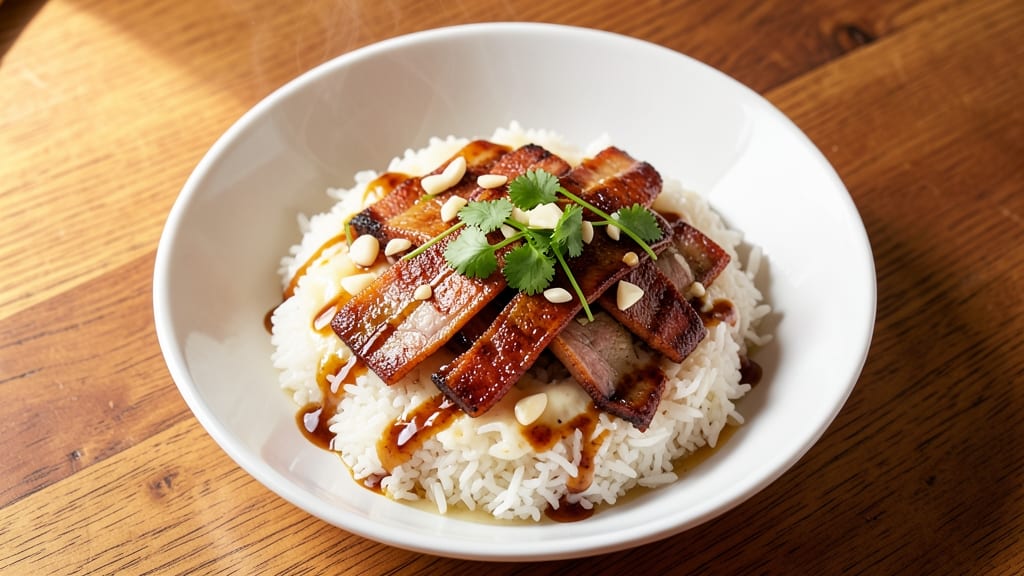
This chao fan rice recipe transforms simple jasmine rice into a restaurant-worthy dish with crispy marinated pork, fragrant five-spice, and a sticky, savory crunch. The secret lies in perfectly charred rice—hot wok, high heat—and the balance of umami from soy sauce, garlic, and ginger that makes every bite addictive.
I developed this version after years of perfecting the technique, ensuring the pork stays tender while the rice absorbs all the bold flavors without turning mushy.
The dish begins with marinated pork slices—tender, slightly sweet, and infused with five-spice—that sizzle to golden perfection in the wok. Scrambled eggs add richness, while peas, carrots, and scallions bring freshness and texture. The final touch?
A drizzle of sesame oil and a sprinkle of fried shallots for that signature aroma and crunch that elevates it from home cook to chef-worthy. This recipe delivers a complete, satisfying meal in under 30 minutes—ideal for weeknights or weekend feasts.
Ingredients for chao fan rice
Jasmine rice, five-spice marinated pork, and crispy wok-fried vegetables create this restaurant-style dish.
| Ingredient | Amount | Notes |
|---|---|---|
| Jasmine Rice 🍚 | 1 ½ cups | Uncooked, long-grain preferred |
| Boneless Pork Loin 🥩 | 1 lb | Thinly sliced against grain |
| Five-Spice Powder 🌶️ | 1 ½ tbsp | Sichuan or Chinese blend |
| Soy Sauce 🥄 | ⅓ cup | Dark or light, high-quality |
| Honey 🍯 | 1 ½ tbsp | For marinade sweetness |
| Garlic Cloves 🧄 | 6 cloves | Minced for marinade |
| Fresh Ginger 🌿 | 1 tbsp | Grated, aromatic |
| Large Eggs 🥚 | 2 whole | Fresh, for scrambling |
| Peas 🌱 | 1 cup | Frozen or fresh, thawed |
| Carrots 🥕 | 1 cup | Julienned, thin strips |
| Scallions 🧅 | 4 whole | Thinly sliced, white/green |
| Sesame Oil 🫒 | 1 ½ tbsp | Toasted, for finishing |
| Vegetable Oil 🫒 | ½ cup | High smoke point |
| Salt 🧂 | 1 ½ tsp | Kosher or sea salt |
| Black Pepper 🌶️ | ½ tsp | Freshly ground |
The jasmine rice is the foundation—use Daybreak or Mahatma brands for that signature fragrance and sticky texture. For the pork, boneless loin is ideal, but shoulder works too if sliced thinly against the grain. Five-spice powder varies by brand: Penzeys or King's Supermarket carry authentic blends. Look for dark soy sauce if you want deeper color, though light works fine. The honey should be raw or wildflower for subtle floral notes that complement the five-spice beautifully. Fresh ginger loses potency fast, so buy it whole and grate as needed—it keeps for weeks in the freezer.
No five-spice powder? Mix 1 tsp cinnamon, 1 tsp fennel seeds, 0.5 tsp cloves, 0.5 tsp star anise, and 0.5 tsp black pepper—toast the whole spices first for deeper flavor. Substitute honey with maple syrup (reduce by 10% due to water content). For the carrots, baby carrots julienned work perfectly if you're short on time. The eggs should be room temperature for ideal scrambling texture. If you can't find scallions, green onions or chives at half the quantity will suffice. The sesame oil is non-negotiable for authentic aroma—avoid the cheap stuff that tastes like paint thinner.
Marinated pork keeps 2 days in the fridge, though it's best used immediately for peak tenderness. Cooked rice reheats beautifully—steam it with a splash of water to restore moisture. Store leftovers in airtight containers for up to 3 days. For make-ahead prep, cook the rice and refrigerate separately from the marinade components, then assemble and wok-fry when ready to serve. The dish freezes well for 2 months if portioned in single-serving containers—just reheat gently to preserve texture.
Why You'll Love This Recipe
- One-Pan Magic: I swear by this when I’m too tired to wash dishes—just sear the pork, toss in the jasmine rice and five-spice, then let the soy sauce and honey work their magic. The rice soaks up all the caramelized pork juices, so you end up with a dish that tastes like it simmered for hours.
- Sweet-Savory Balance: That honey-soy glaze on the pork? It’s the star. The five-spice powder adds warmth, while the honey cuts through the richness of the pork loin—like a little hug for your taste buds. Honestly, I’ve made this for people who “don’t like Asian food,” and they’ve come back for seconds.
- Lunchbox Hero: Between us, this is my go-to for meal prep. The rice stays fluffy for days, and the pork stays tender—perfect for packing in containers. Toss in some steamed veggies or a fried egg, and you’ve got a lunch that’ll have coworkers asking for your recipe. (Yes, even on a Tuesday night.)
- Budget Stretch: Jasmine rice and pork loin might not sound cheap, but this recipe stretches them further than you’d think. A single pork loin serves four, and the rice absorbs every last bit of flavor, so nothing goes to waste. My wallet—and my leftovers—thank me every time.
Step-by-step instructions for five-spice marinated pork with sticky jasmine rice
This method delivers restaurant-quality chao fan rice with perfectly marinated pork and aromatic jasmine rice.
Marinate the Pork and Prepare the Rice
Slice the 1 lb boneless pork loin thinly against the grain into ¼-inch thick strips. In a mixing bowl, combine the pork with the 1.5 tbsp five-spice powder, 0.33 cup soy sauce, 1.5 tbsp honey, 6 minced garlic cloves, and 1 tbsp grated fresh ginger. Mix thoroughly until the pork is evenly coated and let it marinate for at least 30 minutes (up to 2 hours for deeper flavor).
While the pork marinates, rinse the 1.5 cups jasmine rice under cold water until the water runs clear. This removes excess starch that could make the rice gummy. Soak the rice in a bowl of water for 20 minutes to ensure even cooking and prevent uneven grains.
Cook the Jasmine Rice to Perfect Texture
Drain the soaked jasmine rice and transfer it to a rice cooker or heavy-bottomed pot. Add 2 cups water (or follow your rice cooker's ratio) and the 1.5 tsp salt. Bring to a boil over medium-high heat, then reduce to low heat, cover, and simmer for 15 minutes without lifting the lid. After 15 minutes, remove from heat and let it steam for an additional 10 minutes to achieve the signature sticky texture.
Fluff the rice gently with a fork, then transfer it to a serving dish. Cover with a clean kitchen towel to keep it moist while you finish the pork. The rice should be tender with a slight bite—it will continue cooking from residual heat.
Stir-Fry the Marinated Pork
Heat 0.5 cup vegetable oil in a wok or large skillet over medium-high heat until shimmering. Add the marinated pork in a single layer, leaving space between pieces to prevent steaming. Stir-fry for 3-4 minutes until the pork is lightly browned and cooked through. Remove the pork and set it aside on a plate.
In the same pan, add the 1 cup julienned carrots and 1 cup peas. Stir-fry for 2-3 minutes until the carrots soften slightly but retain their color. Add the 4 thinly sliced scallions and cook for an additional 30 seconds until fragrant. Return the pork to the pan and toss everything together.
Scramble the Eggs and Finish the Dish
In a separate non-stick skillet, melt 1 tablespoon vegetable oil over medium-low heat. Crack the 2 large eggs into the skillet and scramble gently with a spatula until just set—you want soft, silky curds, not dry scrambled eggs. Remove from heat and set aside.
Return to the pork mixture and drizzle with the 1.5 tbsp toasted sesame oil. Toss everything together, then transfer the pork and vegetables to the serving dish with the jasmine rice. Top with the scrambled eggs and sprinkle with the 0.5 tsp freshly ground black pepper. Serve immediately while the rice is still warm and sticky.
Pro Tips For Making Chao Fan Rice
- Sear Pork First: Hit that pork loin with a screaming-hot pan for 2-3 minutes per side before adding anything else. I learned this the hard way—skipping the sear means you’ll end up with bland, gray pork that tastes like it was steamed, not stir-fried. The crust locks in flavor and caramelizes the edges where five-spice powder sticks best.
- Toast the Rice: Spread cooked jasmine rice in a thin layer on a baking sheet and broil for 2-3 minutes until it’s dry and slightly crispy. This isn’t just for texture—it prevents the rice from turning mushy when you mix in the pork and sauce later. (Yes, it’s an extra step, but your future self will notice the difference.)
- Marinate Pork Overnight: Toss the pork loin with half the soy sauce, honey, and all the five-spice powder at least 4 hours (or overnight) ahead of time. I was skeptical until I tried it—this lets the spices penetrate deep and makes the pork tender without overcooking it during the stir-fry. Skip this, and you’ll be fighting chewy meat.
- Deglaze with Soy-Honey Mix: After searing the pork, splash in the remaining soy sauce and honey first, then scrape up every last bit of browned bits from the pan. Those bits are flavor gold—ignoring them means your rice will taste flat. Let it reduce by half before adding rice, so the sauce clings instead of turning watery.
Troubleshooting perfect results
Rice Too Dry?
If your rice ends up dry or crumbly, it likely didn't absorb enough moisture during cooking. I recommend using 1.5 cups water for every 1 cup of uncooked jasmine rice—this sticky variety needs slightly more liquid.
For extra insurance, cover the cooked rice with a damp paper towel while you finish stir-frying the other components. If it's already dry, sprinkle with 1-2 teaspoons of hot water and gently fold it in before mixing with the pork and veggies. 💧
Pork Overcooked?
Thinly sliced pork cooks fast—3-4 minutes max over high heat. If yours turns rubbery, you likely overcrowded the pan or cooked it too long. For next time, marinate the pork for at least 1 hour (longer if possible) to tenderize it further.
Also, use a meat thermometer to check for 145°F internal temperature—pull it out just before it reaches that mark. For extra juiciness, add 1 teaspoon of chicken broth to the stir-fry pan when returning the pork. 🥩
Mushy Vegetables?
Peas and carrots lose their texture when overcooked. The key is high heat and quick cooking—just 2-3 minutes total for the veggies. If your carrots turn soft, try blanching them first: Boil for 1 minute, then shock in ice water before stir-frying.
For peas, use frozen instead of fresh—they hold their shape better. Also, don't overcrowd the pan; work in two batches if needed. 🥕
Eggs Too Dry?
Overcooked eggs ruin the dish's creaminess. Scramble them over medium-low heat and remove them as soon as they're just set—they'll continue cooking from residual heat. For extra silkiness, add a splash of 1 tablespoon warm water to the eggs before scrambling.
I also recommend using room-temperature eggs (take them out of the fridge 30 minutes before cooking). If they still turn out dry, try adding 1 teaspoon of cream cheese to the egg mixture for richer texture. 🥚
Lacking Flavor?
If your chao fan tastes bland, it's likely due to insufficient seasoning or weak marinade. Double-check your soy sauce—use high-quality dark soy sauce for deeper color and flavor. For the marinade, increase the five-spice powder to 2 tbsp and add 1 tsp of white pepper for complexity.
Also, toast your sesame oil in the pan for 30 seconds before adding it to the dish—this intensifies its aroma. Finish with a squeeze of fresh lime juice for brightness. 🌶️
Sticky Rice Problem?
If your rice isn't sticky enough, it probably didn't steam long enough after cooking. After the initial 15 minutes of simmering, let it steam covered for 10-15 minutes off the heat. For extra stickiness, add 1 teaspoon of rice vinegar to the cooking water.
If it's already cooked, sprinkle with 1 teaspoon of water and gently fold it in. Pro tip: Use a wooden spoon to fluff the rice—it distributes moisture better than metal. 🍚
Nutrition facts
Frequently asked questions about chinese fried rice
Can I use day-old rice for chao fan?
Day-old rice is actually ideal for chao fan—it's firmer and less likely to turn mushy when stir-fried. Use rice that's been refrigerated for at least 12 hours (or cooked the day before). Spread it on a tray to dry slightly before using, and avoid rice that's been sitting in the fridge for more than 3 days.
What's the best protein substitute for pork?
For vegetarian chao fan, use tofu (extra-firm, pressed and cubed) or shitake mushrooms (sliced). For seafood lovers, shrimp or scallops work beautifully—toss them in a quick marinade of 1 tbsp soy sauce, 1 tsp cornstarch, and 1 tsp sesame oil before stir-frying. Chicken breast also works well if sliced thinly against the grain.
How do I make chao fan spicier?
Add 1 tsp chili crisp or sriracha to the stir-fry, or sprinkle ½ tsp chili flakes on top before serving. For built-in heat, marinate your protein with ½ tsp chili powder or 1 tsp doubanjiang (fermented chili bean paste). Finish with a drizzle of chili oil for extra kick.
Why does my fried rice always turn out gummy?
Gummy rice usually means too much moisture. Use 1.5 cups water per 1 cup uncooked rice and spread it on a tray to dry slightly before cooking. Also, avoid overcrowding the wok—stir-fry in batches if needed. For extra insurance, add 1 tsp rice vinegar to the cooking water to help firm up the grains.
Can I make chao fan ahead of time?
Yes, but assemble it fresh. Cook the rice and proteins separately, then refrigerate them separately in airtight containers for up to 3 days. When ready to serve, reheat the rice with a splash of water, then stir-fry the proteins and veggies separately before combining everything. Never reheat fully assembled chao fan—it'll turn soggy.