
Main Courses
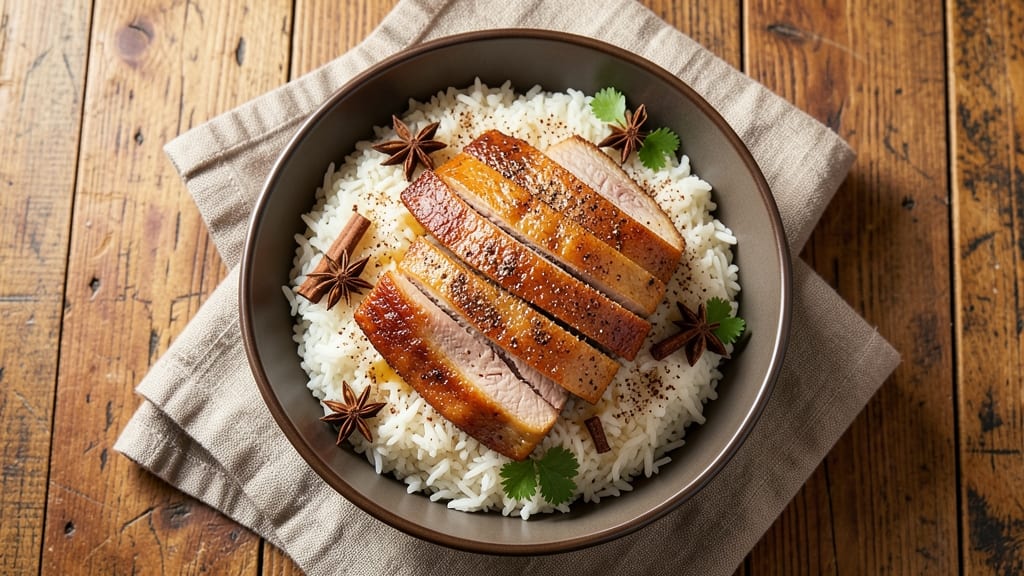
This chashu rice bowl recipe delivers restaurant-quality five-spice pork belly over fragrant jasmine rice in under 2 hours. The secret lies in a slow-braised pork belly marinated with star anise, cinnamon, and soy sauce—transforming tough cuts into tender, flavorful slices that melt over steamed rice.
Every bite balances sweet, savory, and aromatic notes, making this dish a weeknight staple that feels like a celebration.
The key to perfect chashu is patience: simmering the pork belly in its marinade until it's fork-tender while maintaining a crispy exterior. Pair it with fluffy jasmine rice and classic toppings like pickled ginger, sesame seeds, and a soft-boiled egg for texture and freshness.
This recipe simplifies traditional techniques without sacrificing depth, ensuring your chashu rice bowl is both authentic and approachable for home cooks.
Ingredients for chashu rice bowl
Pork belly, aromatic spices, and fragrant rice create this restaurant-quality chashu rice bowl.
| Ingredient | Amount | Notes |
|---|---|---|
| Pork Belly (Skin-On) 🐷 | 2 lb | Thick-cut, 1-inch slices preferred |
| Jasmine Rice 🍚 | 2 cups | Uncooked, long-grain preferred |
| Soy Sauce 🥢 | ½ cup | Japanese or tamari preferred |
| Star Anise Pods 🌿 | 4 whole | Whole, not ground |
| Cinnamon Sticks 🌿 | 2 whole | 1-inch pieces, not powder |
| Five-Spice Powder 🌶️ | 1 tbsp | Authentic Chinese blend |
| Rock Sugar 🍚 | ¼ cup | Or granulated sugar |
| Garlic Cloves 🧄 | 6 cloves | Smashed, not minced |
| Fresh Ginger 🌿 | 2 tbsp | Grated, not powdered |
| Sesame Oil 🫒 | 1 tbsp | Toasted, not flavored |
| Pickled Ginger 🍋 | ¼ cup | Thinly sliced, store-bought |
| Black Sesame Seeds 🥜 | 1 tbsp | Toasted, for garnish |
| Large Eggs 🥚 | 2 whole | Soft-boiled, 6-minute cook |
| Neutral Oil 🫒 | 2 tbsp | Avocado or vegetable oil |
| Kosher Salt 🧂 | 1 ½ tsp | Diamond Crystal preferred |
The pork belly is the foundation—thick-cut, skin-on pieces ensure both tenderness and crispy edges. Look for well-marbled cuts at specialty butchers or Asian markets, as supermarket pork belly often lacks the fat content needed for authentic flavor. Star anise and cinnamon sticks should be whole and intact, not powdered, to infuse the marinade properly. If you can't find rock sugar, granulated works fine—just dissolve it fully. For the five-spice powder, authentic Chinese blends (like those from Penzeys or Asia Supermarket) deliver the best balance of flavors. Fresh ginger and garlic should be bright and firm, with no signs of drying out.
No star anise? Substitute 1/2 teaspoon ground star anise (though texture will differ). Running short on cinnamon sticks? 1 teaspoon ground cinnamon works in a pinch, but the sticks impart deeper flavor. For the soy sauce, Japanese or tamari is ideal, but low-sodium soy sauce can be used if needed—just reduce the rock sugar slightly to balance saltiness. Pickled ginger can be homemade (simmer ginger slices in rice vinegar and sugar) or store-bought. If you're missing black sesame seeds, white sesame seeds toasted make a decent substitute, though the color will differ. The eggs should be soft-boiled for 6 minutes—overcooking turns them rubbery, which ruins the dish's texture contrast.
Pork belly marinade keeps for up to 5 days in the fridge, though flavor deepens after 24 hours. Store it in an airtight container with the marinade. Cooked pork belly reheats beautifully—wrap slices in foil and warm in a 300°F oven for 10 minutes. Jasmine rice should be cooked and kept warm in a rice cooker or insulated container. Pickled ginger and sesame seeds can be prepped a day ahead and stored separately. The soft-boiled eggs should be peeled and refrigerated in cold water until ready to use—this keeps them fresh for up to 2 days. For meal prep, assemble bowls just before serving to maintain crispness.
Why You'll Love This Recipe
- One-Pot Magic: The pork belly braises right in the same pot as the rice—no extra pans, no extra stress. Just dump, simmer, and let the star anise and cinnamon work their slow-cooked charm while you scroll through your phone or sip wine. (Yes, even on a Tuesday night.)
- Crispy-Creamy Payoff: That skin-on pork belly? It delivers—crispy, crackling edges with melt-in-your-mouth fat that turns every bite into a little flavor explosion. The soy sauce and spices marry perfectly, giving the rice a deep, savory kiss without tasting like you followed a recipe.
- Leftovers That Don’t Suck: Honestly, this dish begs for seconds—and thirds. The pork stays tender for days, and the rice absorbs all the rich braising liquid, making cold leftovers just as satisfying. Pack it for lunch or reheat it for dinner; it’s always a win.
- Weeknight Hero: Between us, this is my go-to when I’m too tired to think. Throw in a slab of pork belly, a handful of rice, and those aromatic spices, then walk away. By the time you’re ready to eat, your kitchen smells like a cozy diner, and dinner’s already done. Minimal chopping required.
Step-by-step instructions for five-spice marinated pork belly
This method transforms simple pork belly into melt-in-your-mouth chashu with deep five-spice aroma and tender texture.
Prepare the Pork Belly for Marination
Begin by scoring the skin of the 2 lb pork belly in a diamond pattern using a sharp knife—cut through the fat layer but stop just before reaching the meat. This creates channels for the marinade to penetrate while allowing the skin to crisp beautifully. Pat the skin dry with paper towels to remove any surface moisture, which is crucial for crisping later.
In a small bowl, combine the 0.5 cup soy sauce, 1 tbsp five-spice powder, 0.25 cup rock sugar, 6 smashed garlic cloves, and 2 tbsp freshly grated ginger. Mix until the sugar dissolves completely, creating a thick, aromatic marinade. Generously coat the scored pork belly with this mixture, pressing it into the cuts and massaging it over the meat. Place the pork belly in a resealable plastic bag, seal tightly, and refrigerate for at least 12 hours—or up to 24 hours—for maximum flavor penetration. The longer it marinates, the deeper the five-spice flavor becomes, but even 12 hours yields impressive results.
Render the Fat and Cook the Pork Low and Slow
Preheat your oven to 275°F. Remove the pork belly from the marinade (reserve the marinade for later use) and place it fat-side up in a roasting pan. Pour the reserved marinade over the top and cover tightly with aluminum foil. This low-temperature cook ensures the pork belly renders its fat slowly while staying tender. Bake for 3 hours, then carefully flip the pork belly and continue cooking for another 3 hours. The total cook time should be 6 hours, but use a meat thermometer to check doneness—it's ready when the internal temperature reaches 195°F and the meat pulls apart easily with a fork.
Here's the thing—don't rush this step. The slow cook transforms the pork belly from tough to silky, and the rendered fat creates a luxurious sauce. If the pork belly starts to brown too quickly, adjust the oven temperature to 250°F to prevent overcooking. The skin should be golden and crispy by the end, with a deep, caramelized aroma filling your kitchen.
Rest and Slice the Pork Belly
Once the pork belly reaches 195°F, remove it from the oven and transfer it to a cutting board. Tent loosely with foil and let it rest for 30 minutes. This resting period allows the juices to redistribute, ensuring every slice is moist and flavorful. While it rests, carefully pour the rendered fat from the roasting pan into a fat separator or a heatproof container, leaving behind any sediment. You should have about 1 cup of golden, fragrant pork fat—this is liquid gold for your rice bowl.
Slice the pork belly against the grain into ¼-inch thick pieces. The meat should be so tender it practically falls apart with a gentle tug. If the slices aren't perfectly even, don't worry—chashu is forgiving. Arrange the slices on a plate and drizzle with the reserved pork fat. The fat will keep the pork belly moist and add an extra layer of richness to each bite.
Cook the Jasmine Rice with Aromatics
While the pork belly rests, rinse the 2 cups jasmine rice under cold water until the water runs clear. This removes excess starch and prevents the rice from becoming gummy. In a medium saucepan, combine the rinsed rice with 2 cups water, the 4 whole star anise pods, 2 whole cinnamon sticks, and 1.5 tsp kosher salt. Bring to a boil over medium-high heat, then reduce the heat to low, cover tightly with a lid, and simmer for 15 minutes. Remove from heat and let the rice steam undisturbed for another 10 minutes. The rice should be fluffy and fragrant with the warm, spiced aroma of the star anise and cinnamon.
Once the rice is cooked, discard the star anise and cinnamon sticks. Fluff the rice gently with a fork and stir in 1 tbsp toasted sesame oil. This step infuses the rice with a nutty depth that complements the rich pork belly. The rice should be light, fragrant, and perfectly cooked—each grain separate and tender.
Assemble the Chashu Rice Bowl
To assemble each bowl, start with a generous serving of the jasmine rice. Top with 4-5 slices of the chashu pork belly, arranging them neatly on top of the rice. Add 2 soft-boiled eggs (cooked for 6 minutes for a runny yolk) and 2 tbsp pickled ginger for a tangy contrast. Drizzle lightly with the remaining pork fat and sprinkle with 1 tbsp toasted black sesame seeds for crunch and visual appeal.
Serve immediately while the pork belly is still warm and the rice is fragrant. The combination of tender, five-spice-infused pork belly, aromatic jasmine rice, and the bright acidity of the pickled ginger creates a harmonious balance of flavors and textures. Each bite delivers a perfect marriage of savory, spiced, and umami-rich elements that define this classic dish.
Pro Tips For Making Chashu Rice Bowl
- CRANK THE HEAT FIRST: Start your pork belly searing at maximum heat—no half-measures—until the skin turns deep golden and crackles like bacon. I used to babysit it, turning it too soon, and ended up with greasy, pale skin that didn’t crisp. Let it scream for 5 minutes before touching it.
- SALT THE BELLY 12 HOURS EARLY: Generously coat the pork belly with kosher salt and let it sit uncovered in the fridge overnight. This isn’t just for flavor—it breaks down the fat and collagen so the meat falls apart tender. Skip this, and you’ll be left with chewy, uncooperative slices.
- STEAM THE RICE WITH STAR ANISE: Tuck a whole star anise pod and cinnamon stick into the rice cooker with the jasmine rice and water. The aroma infuses the rice while it cooks, giving it that subtle, warm spice note. I was skeptical until I tried it—now I never cook it without them.
- REST THE PORK UNDER FOIL: After braising, transfer the pork belly to a tray, tent it loosely with foil, and let it rest for 15 minutes. This keeps the meat juicy and makes slicing clean cuts a breeze. I learned this the hard way—skipping it turns the pork into a greasy mess when you slice.
Make-ahead tips for this recipe
Marinade Prep Ahead
Make the chashu marinade 2 days ahead—it develops deeper flavor over time. Store it in an airtight container in the fridge. The longer it sits, the more complex the five-spice notes become.
I like to marinate mine for 48 hours when possible, but even 12 hours works in a pinch. Just ensure the pork belly stays submerged in the marinade to prevent drying. 🌿
Pork Belly Pre-Cook
For busy weeknights, partially cook the pork belly ahead. After the first 3 hours in the oven (before flipping), remove it and refrigerate uncovered for up to 2 days. When ready to finish, return it to the oven at 275°F for 2-3 hours until it reaches 195°F.
This shortcut saves time without sacrificing tenderness. The skin will crisp beautifully during the final cook.
Rice and Toppings Prep
Cook the jasmine rice 1 day ahead and store it in an airtight container at room temperature. Reheat gently in a steamer or microwave with a damp towel to keep it fluffy. Pickled ginger and toasted sesame seeds can be prepped 3 days ahead—just store them separately.
Soft-boil the eggs 1 day ahead and refrigerate in cold water until serving to maintain their creamy texture. 🍚
Assemble Bowls Fresh
While components reheat well, assemble bowls just before serving to preserve crispness. Keep the chashu pork belly wrapped in foil until ready to slice, then arrange it over warm rice.
The contrast of warm pork and fresh toppings elevates every bite. For meal prep, store components separately and assemble within 2 hours of serving for the best texture.
Freezer-Friendly Chashu
Slice the cooked pork belly and freeze in a single layer on a tray before transferring to airtight containers. It keeps for up to 3 months. To reheat, thaw overnight in the fridge, then warm in a 300°F oven for 10 minutes or until heated through.
The fat will melt slightly, keeping the meat juicy. Avoid microwaving—it turns the slices rubbery. ❄️
Nutrition facts
Frequently asked questions
Can I use pork shoulder instead of pork belly for chashu?
While pork shoulder works in a pinch, it won't give you the same luxurious texture or crispy skin. Pork belly's fat content is key for that melt-in-your-mouth tenderness and rich flavor. If you must substitute, look for a well-marbled cut and reduce the cooking time to 4-5 hours total—pork shoulder cooks faster than belly.
What's the best way to crisp the pork belly skin?
Scoring the skin in a diamond pattern and patting it completely dry before cooking is essential. For extra crispiness, broil the pork belly uncovered for 3-5 minutes at the very end of cooking. Just watch it closely—it burns fast! The fat should render beautifully, creating a golden, crackling crust.
How do I prevent my jasmine rice from getting mushy?
Rinsing the rice thoroughly until the water runs clear removes excess starch. Use a 1:1 rice-to-water ratio and cook it at a gentle simmer (not a rolling boil) after the initial boil. Let it steam undisturbed for 10 minutes off the heat—this keeps the grains separate and fluffy.
Can I make this dish gluten-free?
Yes! Replace regular soy sauce with tamari or gluten-free coconut aminos in the marinade. For the rice, use gluten-free jasmine rice and ensure all spices (like five-spice powder) are certified gluten-free. The pickled ginger should also be checked for gluten additives.
Why does my chashu taste bland?
Bland chashu usually means the marinade wasn't infused long enough or the oven temperature was too high. Let the pork marinate for at least 24 hours and cook it at 275°F or lower. Also check your soy sauce—use Japanese or tamari for authentic depth, and don't skip the star anise and cinnamon sticks!