
Side Dishes
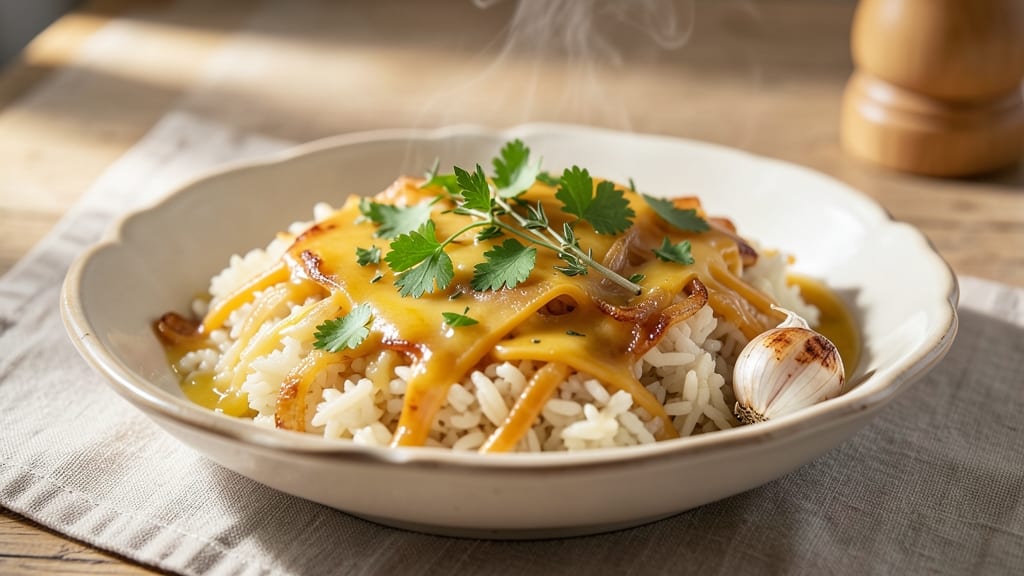
This cheddars rice pilaf recipe transforms simple ingredients into a rich, cheesy side dish with herbed crunch in just one pan. The sharp cheddar melts into the rice, creating pockets of creamy texture while toasted herbs add a savory depth that elevates any meal.
Perfect for weeknight dinners or holiday tables, this pilaf delivers restaurant-quality results without the fuss.
With a precise balance of rice, cheese, and aromatics, this recipe delivers a dish that's tender yet satisfying. The key lies in proper liquid ratios and resting time, ensuring each grain absorbs flavor while maintaining its texture.
Whether served alongside roasted chicken or as a hearty vegetarian main, this pilaf brings bold cheesy satisfaction to every bite.
Ingredients for cheddars rice pilaf
Sharp cheddar, aromatic herbs, and toasted pecans create a rich pilaf with restaurant-quality depth.
| Ingredient | Amount | Notes |
|---|---|---|
| Long-Grain White Rice 🍚 | 1 ½ cups | Uncooked, rinsed thoroughly |
| Shredded Sharp Cheddar Cheese 🧀 | 1 ½ cups | Freshly shredded, not pre-shredded |
| Unsalted Butter 🧈 | ½ cup | Cold, cubed for even melting |
| Chicken Broth 💧 | 2 cups | Low-sodium preferred |
| Fresh Thyme Leaves 🌿 | ¼ cup | Chopped, stems removed |
| Fresh Parsley Leaves 🌿 | ¼ cup | Chopped, for garnish |
| Garlic Cloves 🧄 | 3 cloves | Minced, for aromatic base |
| Yellow Onion 🧅 | 1 whole | Diced, medium size |
| Pecans 🥜 | ½ cup | Toasted, roughly chopped |
| Salt 🧂 | 1 ½ tsp | Kosher or sea salt |
| Black Pepper 🌶️ | ½ tsp | Freshly ground |
| Extra-Virgin Olive Oil 🫒 | 1 tbsp | For toasting rice |
The cheese is non-negotiable here—sharp cheddar melts into the rice for that signature creamy texture. Kraft or Cabot are solid choices, but avoid pre-shredded (it gets gummy). For the pecans, toasting them first amplifies their nutty flavor—do this in a dry pan over medium heat until golden. The thyme and parsley should be fresh; dried works in a pinch but lacks that bright herbal note. If you're short on time, Trader Joe's sells pre-chopped fresh herbs in containers that keep for days.
No sharp cheddar? Pepper jack or Gruyère work surprisingly well—just reduce to 1 cup to avoid overpowering. Fresh herbs wilt fast, so wrap them in damp paper towels and store in a sealed container. For the pecans, walnuts or almonds are great substitutes if you're avoiding nuts. The chicken broth can be swapped for vegetable broth if preferred, but the umami depth matters. If your rice is undercooked, cover and steam for 5 more minutes—don't add more liquid, or it'll turn mushy.
This pilaf reheats beautifully—just add a splash of broth and cover for 5 minutes. Keeps for 4 days in the fridge, though the texture softens slightly after day 2. For longer storage, freeze portions in a single layer before transferring to a bag—3 months at peak freshness. The pecan topping stays crisp longer if you toast it fresh before serving, but you can prep it ahead and store it separately. Double the batch; it disappears fast at holiday meals.
Why You'll Love This Recipe
- One-Pot Magic: I swear by this recipe when I’m too tired to wash another dish—just rice, broth, butter, and cheese in one pot. The cheese melts into that golden, creamy blanket over the rice, and honestly? No extra pans means no extra stress.
- Cheesy Crunch Factor: That sharp cheddar doesn’t just sit there—it gets crispy in spots while staying gooey in the middle, like a little flavor bomb in every bite. Add fresh thyme at the end, and suddenly, you’ve got restaurant-quality depth without the fuss.
- Lunchbox Hero: Between us, this is my go-to for meal prep because it reheats like a dream. Pack it cold for sandwiches or warm it up for a quick dinner—no soggy rice here. My kids (and my husband) fight over the leftovers, and that’s never happened before.
- Budget Flexibility: I can make this for under $10 and feed four people easily. Swap the chicken broth for veggie broth if you’re vegetarian, or bulk it up with rotisserie chicken for a hearty meal. It’s the kind of dish that stretches your grocery money without stretching your patience.
Step-by-step instructions for cheddars rice pilaf
Here's how to create a rich, cheesy rice pilaf with crispy pecans and aromatic herbs—all in one pan.
Toast the Rice and Build the Flavor Base
Heat a large skillet or deep oven-safe pan over medium-high heat. Add the 1 tablespoon extra-virgin olive oil and swirl to coat the bottom. Add the 1 whole yellow onion and 3 cloves garlic, cooking for 3-4 minutes until the onion becomes translucent and the garlic is fragrant but not browned.
This step develops the aromatic foundation. Don't rush it—you want those onions to soften completely before adding the rice. Once fragrant, push the onions and garlic to the sides of the pan and add the 1.5 cups long-grain white rice. Stir for 1 minute until the rice grains are evenly coated with oil and begin to sizzle. This toasting step prevents the rice from becoming mushy and adds nutty depth to the final dish.
Cook the Rice in Butter and Broth
Reduce heat to medium and add the 0.5 cup unsalted butter, stirring constantly for 1 minute until the butter melts and coats the rice. Pour in the 2 cups chicken broth and add the 1.5 teaspoons salt and 0.5 teaspoon black pepper. Bring to a gentle simmer, then reduce heat to low.
Here's the thing—cover the pan with a tight-fitting lid and cook for 15 minutes without peeking. The rice needs undisturbed time to absorb the broth and develop its texture. After 15 minutes, check if the liquid has been absorbed. If there's still liquid remaining, cover and cook for another 5 minutes. If the rice looks dry, you can add a splash of water or broth later.
Incorporate Cheese and Herbs
Once the rice is tender but still slightly firm to the bite (it should have a slight resistance when pressed with a fork), remove the pan from heat. Stir in the 1.5 cups shredded sharp cheddar cheese, 0.25 cup chopped fresh thyme leaves, and 0.25 cup chopped fresh parsley leaves until the cheese is fully melted and evenly distributed. The residual heat from the rice will melt the cheese completely, creating a creamy, cheesy texture.
I like to press the cheese into the rice gently with a spatula to ensure it melts smoothly. If the mixture looks too thick, you can stir in a tablespoon or two of warm broth to loosen it. The cheese should coat the rice evenly, giving it that rich, tangy flavor we're after.
Toast the Pecans and Finish
While the cheese melts, heat a separate dry skillet over medium heat. Add the 0.5 cup pecans and toast for 3-4 minutes, stirring constantly, until they turn a light golden brown and become fragrant. Remove from heat immediately to prevent burning.
Once the pecans are toasted, transfer the rice pilaf to a serving dish and top with the toasted pecans. The contrast between the creamy, cheesy rice and the nutty, crunchy pecans is what makes this dish truly special. Garnish with an additional sprinkle of chopped parsley for freshness and serve immediately while the cheese is still melty and the pecans are crisp.
Rest and Serve for Perfect Texture
Let the pilaf rest for 5 minutes before serving. This allows the flavors to meld together and the rice to firm up slightly, making it easier to serve without falling apart. If you're serving this as a side dish, it pairs beautifully with grilled meats, roasted vegetables, or a simple green salad.
The final dish should have a creamy, cheesy texture with a slight resistance when pressed—a perfect balance between tender rice and chewy pecans. Each bite should deliver a harmonious blend of sharp cheddar, aromatic herbs, and nutty crunch. Enjoy while warm for the best experience!
Pro Tips For Making Cheddars Rice Pilaf
- Toast the Rice First: Dry-toast the rice in butter for 2-3 minutes before adding broth—this builds flavor and prevents mushiness. I used to skip this, and the dish always tasted flat; now it’s the thing that makes the cheddar sing.
- Use Block Cheese: Skip pre-shredded cheddar—it’s coated with anti-caking agents that make the rice grainy. Buy a block, shred it yourself, and melt it in at the end for a smoother, richer texture. Yes, it’s a pain, but the difference is noticeable.
- Simmer, Don’t Boil: Once the broth hits the rice, reduce to a bare simmer—no rolling boil. I learned this the hard way after burning the bottom of my pot and ending up with undercooked rice. Low and slow keeps the grains intact and lets the thyme infuse properly.
- Salt the Broth Early: Season the chicken broth before adding it to the rice, not after. The salt needs time to distribute, and if you add it later, you’ll end up with uneven flavor. Trust me, your taste buds will notice the difference.
Essential equipment for perfect results
One-Pan Essentials
This pilaf comes together beautifully in a large, deep skillet or oven-safe pan—I love my Calphalon 12-inch stainless steel for even heat distribution. The pan needs to be deep enough to hold the rice and broth without spilling, but wide enough to toast the rice properly.
A tight-fitting lid is critical for trapping steam during cooking—I use a glass lid so I can peek without losing heat. 🔥
Cheese Tools
Freshly shredded cheese is a game-changer—avoid pre-shredded (it contains anti-caking agents that make it gummy). Use a box grater or food processor with the shredding blade for the best texture.
For portion control, I measure the cheese in 1-cup increments using a dry measuring cup, then transfer directly to the pan. A small offset spatula helps distribute the cheese evenly without breaking the rice grains. 🧀
Herb Prep Station
Fresh herbs make all the difference—chop thyme and parsley with a sharp chef's knife or herb scissors for precision. I like to prep herbs in a small bowl while the rice cooks, then sprinkle them in at the end.
A microplane works great for garlic if you want ultra-fine mincing. Store fresh herbs in airtight containers with a damp paper towel to keep them crisp for up to 5 days in the fridge. 🌿
Pecan Toasting
Toast pecans in a small, dry skillet over medium heat—never over medium-high or they'll burn. I use a 10-inch cast iron skillet for even browning. Stir constantly with a wooden spoon to prevent sticking.
For extra crunch, spread toasted pecans on a wire rack to cool completely before adding to the pilaf. Store leftover toasted pecans in an airtight container at room temperature for up to 1 week. 🥜
Broth and Butter
Use low-sodium chicken broth to control seasoning—Swanson or Pacific Foods are my go-tos. For butter, Plugrá or Land O'Lakes work well, but avoid salted butter since you're adding salt separately.
Measure broth in a liquid measuring cup for accuracy. Keep a small saucepan nearby to reheat broth if needed—just warm it to 160°F before adding back to the rice. ❄️
Optional Upgrades
For a crispy top, transfer the finished pilaf to a baking dish and broil for 2-3 minutes until golden. A fine-mesh sieve helps drain rinsed rice perfectly. For extra flavor, toast garlic powder in the pan before adding onions—I use Penzeys for the best quality.
If you're short on time, pre-cooked rice works, but toasting it in the pan still adds depth. 💡
Nutrition facts
Frequently asked questions
Can I make this cheesy rice pilaf without pecans?
Swap pecans for toasted walnuts, almonds, or even sunflower seeds for a nut-free version. For extra crunch without nuts, try crispy fried onions or breadcrumbs. The key is maintaining that textural contrast with the creamy cheese and rice.
Why does my rice pilaf turn out mushy?
Mushy rice usually happens from too much liquid or peeking too often during cooking. Stick to the 2 cups broth for 1.5 cups rice ratio and avoid stirring while cooking. If it's still too wet, spread it on a baking sheet and broil for 2-3 minutes to crisp the top.
Can I make this pilaf ahead of time?
Yes! This pilaf actually tastes better the next day as flavors meld. Store in an airtight container in the fridge for up to 4 days. Reheat gently with a splash of broth, covering for 5 minutes off the heat. For serving, toast fresh pecans and parsley separately to keep them crisp.
What's the best cheese substitute if I don't have sharp cheddar?
Pepper jack, Gruyère, or even smoked Gouda work beautifully—just reduce to 1 cup to avoid overpowering. For a dairy-free option, try nutritional yeast or vegan cheddar shreds with a splash of lemon juice for tang. The key is sharpness and meltability.
How do I keep the cheese from separating when reheating?
Stir in 1 tablespoon of broth or milk when reheating to help bind the cheese. Cover and warm on low heat for 3-4 minutes—never microwave, as it causes cheese to oil out. For extra insurance, sprinkle a pinch of cornstarch over the pilaf before reheating.