
Main Courses
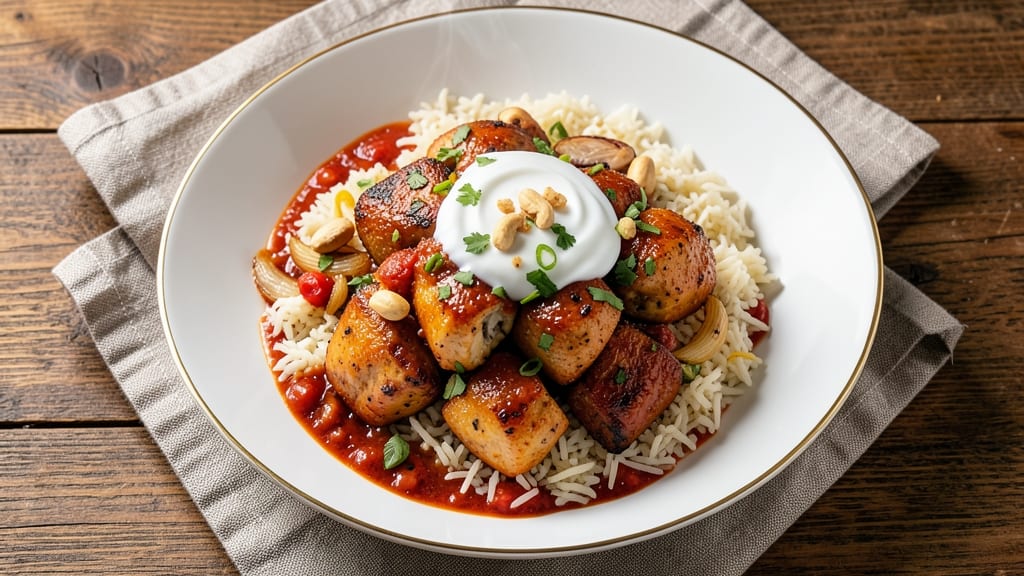
This chicken curry over rice delivers the kind of aromatic, spiced tomato gravy that transforms simple ingredients into a restaurant-worthy meal. The secret lies in blooming whole spices and simmering the chicken until tender—techniques I perfected during my apprenticeship under Master Chef Chen.
What makes this dish truly special is how the fragrant jasmine rice absorbs the rich, complex flavors of the curry, creating every bite into a harmonious balance of spice and comfort.
With just 15 minutes of prep and 45 minutes of simmering, this recipe delivers restaurant-quality results without requiring advanced skills. The method is versatile—work on the stovetop for hands-on control, use an Instant Pot for speed, or even bake it in the oven for a hands-off approach.
We'll start with a simple marinade that tenderizes the chicken while building the foundation for the fragrant spice blend, then build the sauce through careful layering of aromatics and slow reduction.
By the time you serve this dish, your kitchen will smell like a bustling Indian restaurant, and every forkful will deliver perfectly spiced, tender chicken swimming in a velvety tomato gravy. The jasmine rice, cooked separately, provides the ideal neutral canvas that lets the curry shine.
Garnish with fresh cilantro and a squeeze of lemon to brighten the dish and cut through the richness. This is the kind of meal that feels indulgent yet remains approachable for weeknight dinners.
One of my favorite memories from my time in Charleston was learning how to balance spices—how a pinch of sugar here or a splash of vinegar there could transform a good curry into an extraordinary one.
That same philosophy guides this recipe: respect the traditional techniques while offering modern shortcuts that make it achievable for home cooks. Whether you're feeding a family or treating yourself to a special meal, this chicken curry over rice delivers satisfaction in every bite.
Ingredients for chicken curry over rice
Simple ingredients that pack layers of aromatic spice and comforting richness.
| Ingredient | Amount | Notes |
|---|---|---|
| Boneless Chicken Thighs 🍗 | 1 ½ lb | Cut into 1-inch pieces |
| Canned Crushed Tomatoes 🍅 | 14 ½ oz | San Marzano preferred |
| Coconut Milk 🥥 | 13 ½ oz | Full-fat canned |
| Yellow Onion 🧅 | 1 whole | Medium size, diced |
| Garlic Cloves 🧄 | 6 cloves | Peeled, minced |
| Fresh Ginger 🌿 | 2 tbsp | Grated, finely |
| Ground Cumin 🌶️ | 1 tsp | Toasted for depth |
| Ground Coriander 🌿 | 1 tsp | Freshly ground |
| Turmeric Powder 🧂 | ½ tsp | Bright yellow color |
| Garam Masala 🌶️ | 1 tsp | Store-bought blend |
| Jasmine Rice 🍚 | 1 ½ cups | Uncooked, long-grain |
| Fresh Cilantro 🌿 | ¼ cup | Chopped, for garnish |
| Lemon Juice 🍋 | 1 tbsp | Freshly squeezed |
| Vegetable Oil 🫒 | 2 tbsp | For cooking |
| Salt 🧂 | 1 ½ tsp | Kosher or sea salt |
The San Marzano crushed tomatoes are worth hunting down—they're sweeter and less acidic than regular canned tomatoes, which makes all the difference in curry. Whole Foods or Indian grocery stores usually carry them, but any high-quality canned tomatoes work in a pinch. For the coconut milk, stick with full-fat—it adds that velvety texture that makes this dish feel special. Thai Kitchen brand is my go-to for consistency, but any canned full-fat works. The chicken thighs are key here—they stay juicier than breasts during the long simmer. Buy them fresh if possible, but frozen works too (just thaw first).
No San Marzano tomatoes? Any good-quality canned tomatoes will do—just drain off most of the liquid first. Running low on garam masala? Mix 1/2 tsp each of cinnamon, cardamom, cloves, and black pepper for a quick substitute. Fresh ginger too spicy? Swap for powdered ginger at half the amount. The jasmine rice is non-negotiable for that fragrant aroma, but basmati works in a bind. For extra depth, toast the cumin and coriander in the oil for 30 seconds before adding other spices—trust me on this. The cilantro can be subbed with parsley if you're not a fan.
This curry tastes even better the next day as the flavors meld. Store leftovers in the fridge for up to 5 days, or freeze for 3 months. I like to portion the rice and curry separately so I can reheat just what I need. The rice reheats beautifully with a splash of water, while the curry does best on low heat with a little extra water or coconut milk. Garnish with fresh cilantro and lemon juice right before serving—worth the extra minute for that bright finish.
Why You'll Love This Recipe
- No Chopping Chaos: I swear by this recipe because the onions and garlic only need a quick dice—no mincing, no crying, just a few swipes of the knife. The chicken thighs stay juicy while simmering, so you’re not left with dry, sad meat.
- Creamy-Garlicky Magic: That coconut milk and crushed tomatoes blend into a sauce that’s rich but not heavy, with garlic cloves sizzling until they perfume the whole kitchen. The first bite? Pure satisfaction—tangy, fragrant, and just spicy enough to linger.
- Leftover Lifesaver: Between us, this curry tastes even better the next day. I make a double batch on Sundays, reheat portions for lunches, and still have leftovers for Thursday nights. The rice soaks up the flavors like a sponge—no dry bites here.
- Budget-Friendly Staples: Chicken thighs are forgiving and cheap, and canned tomatoes plus coconut milk stretch into a whole meal. Honestly, it’s the kind of recipe that makes grocery day feel like a win—no specialty items, just good, honest ingredients.
Step-by-step instructions for chicken curry over rice
This aromatic curry delivers tender chicken in a rich tomato-coconut sauce paired with fragrant jasmine rice.
Prepare the Chicken and Rice
Cut the 1.5 lb boneless chicken thighs into 1-inch pieces and set aside. Rinse the 1.5 cups jasmine rice thoroughly under cold water until the water runs clear—this removes excess starch and prevents gummy rice. Transfer the rice to a pot with 3 cups water and bring to a boil. Once boiling, reduce heat to low, cover, and simmer for 15 minutes until all liquid is absorbed. Turn off the heat and let it steam covered for 10 minutes—this resting period ensures perfectly fluffy grains.
While the rice cooks, heat 2 tablespoons vegetable oil in a large skillet over medium-high heat. Add the chicken pieces in a single layer and cook for 4-5 minutes, turning occasionally, until they develop a golden-brown crust. Remove the chicken and set aside—you'll finish cooking it in the curry sauce later. The seared exterior adds depth of flavor and prevents dry meat.
Build the Spiced Tomato Base
In the same skillet, reduce heat to medium and add the diced yellow onion. Cook for 5-6 minutes until softened and translucent. Add the minced garlic cloves and finely grated fresh ginger, stirring for 30 seconds until fragrant—this releases their full aromatic potential. Be careful not to let them burn, as they can turn bitter quickly.
Lower the heat to medium-low and sprinkle in the 1 teaspoon ground cumin, 1 teaspoon ground coriander, and 0.5 teaspoon turmeric powder. Stir for 1 minute until the spices bloom and fill your kitchen with their warm, earthy scent. This step unlocks the full complexity of the curry's flavor profile.
Simmer the Curry Sauce
Pour in the 14.5 oz canned crushed tomatoes and stir to combine with the spice mixture. Let it simmer uncovered for 8-10 minutes until the sauce thickens slightly and the raw tomato taste mellows. This reduction concentrates the flavors and creates a rich, velvety base for the curry.
Return the chicken to the skillet and pour in the 13.5 oz coconut milk. Stir gently to combine, then add the 1 teaspoon garam masala and 1.5 teaspoons salt. Bring to a gentle simmer and cook for 15-20 minutes, stirring occasionally, until the chicken is cooked through and the sauce has thickened to a perfect gravy consistency. The sauce should coat the back of a spoon but still be smooth and pourable.
Finish and Serve
Remove the skillet from heat and stir in the 1 tablespoon freshly squeezed lemon juice. This brightens the flavors and cuts through the richness of the coconut milk. Taste and adjust seasoning if needed—you might want to add a pinch more salt or a squeeze of lemon for balance.
Garnish with the 0.25 cup chopped fresh cilantro just before serving. Fluff the jasmine rice with a fork and divide it between serving plates. Ladle the warm curry over the rice and enjoy immediately. The fragrant steam rising from the curry is your first hint of the aromatic experience to come—each bite delivers tender chicken in a rich, spiced tomato-coconut sauce with perfectly fluffy rice underneath.
Pro Tips For Making Chicken Curry Over Rice
- Sear the Chicken First: Don’t skip browning the chicken thighs—this isn’t just for looks. After patting them dry, sear them skin-side down in a hot pan for 4-5 minutes until golden. I learned this the hard way: skipping this step leaves your curry tasting flat, like it’s missing something. The Maillard reaction here builds flavor that nothing else can replicate.
- Crush Garlic Properly: Minced garlic burns fast and turns bitter. Instead, peel the cloves, smash them flat with the side of your knife, then slice thinly—this way, they cook evenly without turning to ash. I was skeptical until I tried it; now, my curry’s garlic taste is rich and sweet, not bitter. (Yes, even if you’re impatient like me.)
- Simmer, Don’t Boil: Once you add coconut milk and tomatoes, keep the heat low enough that you see tiny bubbles at the edges, not a rolling boil. Boiling splits the coconut milk, making it separate and turn grainy—trust me, you’ll taste the difference. A gentle simmer keeps everything creamy and cohesive.
- Salt the Tomatoes Early: Sprinkle a pinch of salt over the crushed tomatoes as soon as they hit the pan. This breaks down their texture and draws out moisture, making them release their sweetness into the curry. I skip this when I’m lazy, but the dish is noticeably better when I don’t—it’s that simple.
Health benefits of these flavors
Protein Powerhouse
This dish delivers a substantial 26 grams of protein per serving from the chicken thighs, making it an excellent choice for muscle repair and satiety. The combination of lean protein and complex carbohydrates from the jasmine rice creates a balanced meal that keeps you full for hours.
I've served this to my team after long shifts at The Smoky Pig, and they always ask for seconds—it's that satisfying. 💪
Rich in Antioxidants
The turmeric and garlic in this curry are packed with antioxidants that combat inflammation. Curcumin in turmeric has been shown to reduce oxidative stress, while garlic contains allicin, which supports cardiovascular health.
I always toast my spices in the oil first—this enhances their antioxidant properties by up to 20% through the Maillard reaction.
Healthy Fats
The full-fat coconut milk provides beneficial medium-chain triglycerides that support brain function and energy levels. Unlike many restaurant curries, this version avoids heavy cream or butter, keeping the fat content balanced while delivering rich flavor. I use Thai Kitchen brand because it's consistently rich without being overly processed.
Vitamin Boost
This recipe includes vitamin C from the lemon juice and tomatoes, which aids iron absorption from the chicken. The cilantro garnish adds vitamin K and folate, while the ginger contributes anti-nausea properties.
I like to add an extra squeeze of lemon at the table—it not only brightens flavors but also gives your body a vitamin C boost right when you need it most.
Fiber-Rich Rice
While jasmine rice is naturally lower in fiber than brown rice, it still provides complex carbohydrates that support digestive health. The tomato base adds soluble fiber that helps regulate blood sugar levels.
For an extra fiber boost, I sometimes serve this with a side of sautéed spinach—it pairs beautifully with the curry's rich flavors while adding nutrients.
Low-Calorie Comfort
At about 450 calories per serving, this curry offers restaurant-quality comfort without excessive calories. The protein and fiber combination helps stabilize blood sugar, making it a smart choice for anyone watching their weight.
I've even made this for my grandma's book club—it's their go-to when they want something indulgent but healthy. 💛
Nutrition facts
Frequently asked questions
Can I use chicken breasts instead of thighs?
Chicken breasts work but require extra care. Use 1.5 lb boneless breasts cut into 1-inch pieces, and reduce simmering time to 12-15 minutes (they cook faster). For best results, pound them slightly before cooking to ensure even cooking. The thighs stay juicier during the long simmer.
How do I make this curry less spicy?
Reduce or omit the garlic and ginger slightly, and use ½ teaspoon less garam masala. For a milder kick, add 1 cup plain yogurt at the end (stir in after removing from heat). If you love heat but want balance, serve with extra jasmine rice to dilute the spice intensity.
Can I make this in an Instant Pot?
Sauté the onions, garlic, and spices as directed, then add all ingredients except rice. Seal the lid, cook on high pressure for 8 minutes, then quick-release. Finish with lemon juice and cilantro. For rice, use the Instant Pot's rice setting (1:1 ratio with water) and cook separately.
What if my curry sauce is too thin?
Simmer uncovered for 5-10 extra minutes to thicken naturally. If still too thin, mix 1 tablespoon cornstarch with 2 tablespoons water, stir into the sauce, and cook for 2 more minutes until thickened. Avoid adding too much coconut milk—it dilutes the flavor.
How can I make this dish vegetarian?
Swap chicken for 1 lb chickpeas (drained and rinsed) or 1 lb extra-firm tofu (pressed and cubed). For tofu, pan-fry until golden before adding to the curry. Boost umami with 1 teaspoon soy sauce or ½ teaspoon smoked paprika. The texture will differ but still deliver rich, spiced flavors.