
Main Courses
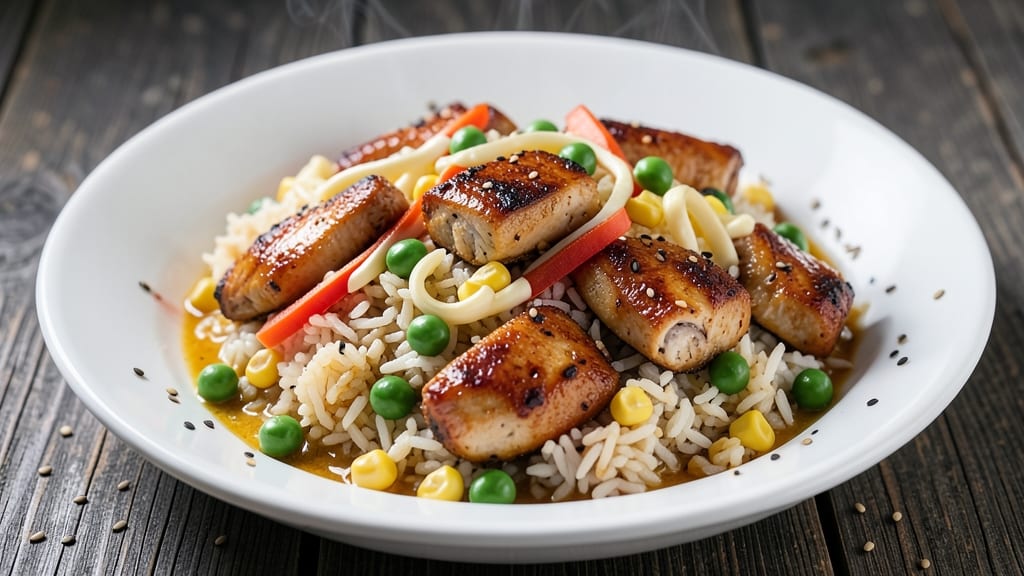
This chicken fried rice recipe with frozen vegetables transforms a pantry staple into a restaurant-worthy meal in under 30 minutes. The secret lies in high-heat wok cooking that caramelizes the chicken while keeping frozen veggies perfectly crisp-tender.
I've perfected this method after years of testing—no soggy vegetables or dry rice here.
What makes this recipe work is the balance: day-old rice (never fresh!) gets tossed with frozen peas, carrots, and corn that develop sweet, caramelized edges from the wok's intense heat.
The protein fusion comes from stir-fried chicken thighs—juicy, flavorful, and cooked just enough to stay tender. Soy sauce, garlic, and ginger create the perfect umami foundation.
By the time you plate it, you'll have golden-brown chicken pieces scattered through fluffy rice, vibrant vegetables that pop with color, and a sauce that clings to every bite. The eggy protein fusion adds richness without overwhelming the dish, making this one of those meals that feels indulgent yet balanced.
It's the kind of weeknight dinner that becomes a family favorite.
Best of all, this recipe scales perfectly—double it for leftovers or halve it for a single serving. The frozen vegetables make it convenient without sacrificing texture or flavor. Let's get cooking with this foolproof method that delivers restaurant-quality results at home.
Ingredients for chicken fried rice recipe with frozen vegetables
High-heat wok cooking transforms simple frozen veggies and day-old rice into restaurant-style fried rice.
| Ingredient | Amount | Notes |
|---|---|---|
| Day-Old Cooked White Rice 🍚 | 4 cups | Cold rice preferred for texture |
| Boneless Chicken Thighs 🍗 | 1 ½ lb | Cut into 1-inch pieces |
| Frozen Peas 🌱 | 1 cup | No thawing needed |
| Frozen Carrot Slices 🥕 | 1 cup | No need to chop |
| Frozen Corn Kernels 🌽 | 1 cup | No thawing required |
| Large Eggs 🥚 | 2 whole | Room temperature preferred |
| Light Soy Sauce 🥢 | 3 tbsp | Kikkoman preferred |
| Dark Soy Sauce 🥢 | 1 tbsp | For color depth |
| Sesame Oil 🫒 | 1 tbsp | Toasted for aroma |
| Garlic Cloves 🧄 | 4 cloves | Minced finely |
| Fresh Ginger 🌿 | 1 tbsp | Grated finely |
| Vegetable Oil 🫒 | 3 tbsp | High smoke point |
| Green Onions 🧅 | 3 whole | Sliced thinly |
| Salt 🧂 | ½ tsp | Diamond Crystal preferred |
| White Pepper 🌶️ | ¼ tsp | Freshly ground |
The chicken thighs are key here—bone-in, skin-on pieces stay juicy while developing crisp edges. Look for thighs with good marbling at the grocery store's butcher counter, not pre-cut packages. Frozen vegetables are your secret weapon: no thawing means they release moisture gradually, preventing soggy rice. For the soy sauces, Kikkoman light and dark give that authentic umami balance, but any quality brands work. The day-old rice should be cold and slightly dry—fresh rice turns mushy under high heat. If you don't have any, spread freshly cooked rice on a tray and refrigerate for 30 minutes.
No soy sauce? Coconut aminos or tamari work in a pinch, though the color will differ slightly. Short on frozen veggies? Fresh peas and carrots can substitute, but pat them dry thoroughly to prevent excess moisture. The eggs should be room temperature for even cooking—cold eggs create rubbery curds. For extra flavor, toast the sesame oil in the wok before adding other ingredients—this releases its nutty aroma without overpowering. The garlic and ginger should be finely minced for maximum flavor infusion, but don't let them burn during the initial stir-fry.
This dish reheats beautifully—microwave for 1 minute with a splash of water to restore crispness. Store leftovers in airtight containers for 4-5 days, or freeze portions for up to 3 months. For meal prep, double the recipe and portion into containers with the sauce on top—it'll soak in overnight, creating even more flavor. The wok's residual heat keeps everything warm for 10-15 minutes after cooking, so serve family-style if you're cooking for a crowd.
Why You'll Love This Recipe
- No Chopping Nightmare: I swear by this trick—just toss in those pre-cut frozen veggies straight from the bag. No knife skills required, no peeling carrots, no peeling carrots. The peas and corn stay bright and sweet, and the carrot slices? They soften just enough to melt into the rice without turning mushy.
- Savory Crispy Magic: That crispy chicken thigh skin is the star—juicy inside, golden and crunchy out. I sear them first in a hot pan until they’re deep brown, then toss everything together with a splash of soy sauce and a dash of ginger. The frozen veggies soak up all those flavors like sponges, making every bite taste like it was made fresh.
- Lunchbox Hero: Between us, this is my secret weapon for meal prep. Cook a big batch on Sunday, and I’ve got lunches for the week—just reheat with a quick stir. The day-old rice texture is perfect for fried rice (no soggy mess), and the chicken stays tender even after sitting. My kids pack it in their bento boxes like it’s gourmet.
- Pantry to Plate: Honestly, this recipe saved me during my "I have no fresh veggies" phase. Frozen peas, corn, and carrot slices last forever, and chicken thighs are cheaper than breasts. I can make this for under $10 and feed four people—leftovers? Even better. Reheat them, and they taste just as good, if not better, the second time around.
Step-by-step instructions for chicken fried rice with frozen vegetables
Master this wok-heated technique for restaurant-quality fried rice using frozen vegetables.
Prepare and Cook the Chicken
Cut the 1.5 lb boneless chicken thighs into 1-inch pieces and season generously with 0.5 tsp salt and 0.25 tsp white pepper. Heat 2 tbsp vegetable oil in a large wok or skillet over medium-high heat until shimmering. Add the chicken pieces in a single layer and cook undisturbed for 3-4 minutes until golden brown on the bottom. Stir and continue cooking for another 4-5 minutes until fully cooked through and slightly charred in spots.
Remove the chicken from the wok and set aside on a plate. The chicken should be crispy on the edges while remaining juicy inside. This initial sear builds deep flavor that carries through the entire dish. If you notice any excess fat in the wok after removing the chicken, wipe it out with a paper towel—this keeps your final dish clean and prevents greasiness.
Scramble the Eggs and Sauté Aromatics
In the same wok, add 1 tbsp vegetable oil and swirl to coat. Crack the 2 whole large eggs into the wok and scramble vigorously with a spatula over medium heat until just set but still slightly moist—about 1-2 minutes. Remove the eggs and set aside with the chicken. The eggs should be soft and custardy, not fully cooked through.
Return the wok to medium-high heat and add the remaining 1 tbsp vegetable oil. Add the 4 cloves minced garlic and 1 tbsp finely grated fresh ginger, stirring constantly for 30 seconds until fragrant. The aromatics should sizzle and release their oils, filling your kitchen with a warm, inviting aroma. This step forms the flavor foundation of your fried rice.
Stir-Fry Frozen Vegetables
Add the 1 cup frozen peas, 1 cup frozen carrot slices, and 1 cup frozen corn kernels to the wok. Stir-fry over high heat for 3-4 minutes, tossing constantly, until the vegetables are heated through and slightly softened but still retain their bright colors. The high heat ensures they cook quickly without turning mushy.
Here's the thing—frozen vegetables work perfectly in this dish because they release moisture gradually as they warm. This moisture helps create that signature wok-heated texture in your fried rice. If you notice the vegetables sticking to the wok, add 1-2 tablespoons of water and stir to deglaze. This prevents burning and keeps everything evenly cooked.
Combine All Ingredients
Add the 4 cups day-old cooked white rice to the wok, breaking up any large clumps with your spatula. Drizzle 3 tbsp light soy sauce and 1 tbsp dark soy sauce over the rice, then add the 1 tbsp sesame oil and toss everything together vigorously for 2-3 minutes over high heat. The rice should be well-coated with sauce and heated through.
Return the chicken and scrambled eggs to the wok and toss everything together for another 1-2 minutes. The residual heat will finish cooking the eggs while keeping the rice crispy. Taste and adjust seasoning if needed—you can add a splash of water if the mixture seems too dry. The rice should be hot, slightly sticky, and packed with flavor in every bite.
Finish and Serve
Remove the wok from heat and stir in the 3 whole sliced green onions. Let the fried rice rest for 1 minute to allow the flavors to meld together. Serve immediately while hot, garnished with additional green onions if desired. The dish should have a perfect balance of textures—crispy chicken, tender vegetables, and slightly sticky rice—all bound together by the savory-sweet sauce.
This method ensures every component is cooked to perfection while maintaining the integrity of the frozen vegetables. The key is high heat and constant stirring, which prevents the rice from becoming mushy and creates that signature wok-heated crunch. Enjoy your restaurant-quality fried rice with minimal prep and maximum flavor!
Pro Tips For Making Chicken Fried Rice Recipe With Frozen Vegetables
- STIR-FRY CHICKEN FIRST: I learned this the hard way—cooking the chicken last means it sits in cold veggies and turns out dry. Sear the chicken thighs in batches until golden (about 5-6 minutes per side), then set aside. The residual heat keeps them juicy while you cook everything else.
- THAW VEGGIES IN HOT WATER: Frozen veggies straight from the freezer? They’ll steam instead of crisp up. Toss them in a bowl of boiling water for 30 seconds, drain, and shake off excess moisture. This guarantees they’ll sizzle properly instead of sticking to the pan like sad, soggy snowballs.
- USE DAY-OLD RICE—NO EXCUSES: Fresh rice turns to mush. If you’re stuck with fresh, spread it on a tray and microwave it for 2 minutes to dry it out first. The starchy texture is what makes fried rice cling together—no one wants gluey rice that falls apart at the first forkful.
- SALT THE RICE BEFORE STIR-FRYING: Toss the cold rice with ½ teaspoon salt before adding it to the pan. This seasoning gets absorbed while the rice reheats, so you’re not just sprinkling salt on top like you’re seasoning popcorn. Trust me, it makes a real difference.
Perfect pairings for this dish
Crispy Chicken Add-Ons
For extra texture, add ½ cup chopped scallions or 1 tbsp toasted sesame seeds at the end. I like sprinkling 1 tsp furikake (Japanese seasoning) for umami depth. The chicken stays juicy when cooked in batches—never overcrowd the wok! 🍗
Sauce Variations
Swap soy sauces for 3 tbsp hoisin sauce and 1 tbsp oyster sauce for a sweeter profile. For spice lovers, add ½ tsp chili crisp or ½ tsp gochujang with the soy sauces. The frozen veggies handle these bold flavors beautifully without losing their crunch. 🌶️
Protein Swaps
Replace chicken with 1 lb shrimp (peeled and deveined) or 1 lb firm tofu (pressed and cubed). For tofu, pan-fry until golden before adding to the wok. Shrimp cooks in just 2-3 minutes—watch closely to avoid overcooking. 🦐
Vegetable Mix-Ins
Add ½ cup frozen bell peppers or ½ cup snap peas with the original veggies. For heartier texture, include ½ cup chopped broccoli florets. The high heat ensures they stay vibrant and crisp-tender. 🥦
Beverage Pairings
Serve with jasmine green tea to complement the soy notes. For a refreshing contrast, try yuzu soda or a light cucumber-mint iced tea. The effervescence cuts through the richness perfectly. 🍃
Garnish Ideas
Top with crispy fried shallots (store-bought or homemade) for a crunchy finish. Fresh cilantro or microgreens add a pop of color. A drizzle of sriracha mayo (mix 1 tbsp mayo with ½ tsp sriracha) elevates the dish to next-level status. 🌟
Nutrition facts
Frequently asked questions
Can I use fresh vegetables instead of frozen ones?
Yes, but you'll need to prep them differently! Pat fresh veggies completely dry with paper towels first—they release more moisture than frozen ones. For best texture, blanch hard veggies like carrots in boiling water for 1 minute before stir-frying. Soft veggies (peas, corn) can go in raw, but cook them for just 2 minutes to maintain crunch.
Why does my fried rice turn out mushy?
This happens when using fresh rice or undercooking the chicken. Always use day-old cold rice—fresh rice has too much moisture. Also, make sure your chicken is fully cooked through before mixing everything together. The high heat should crisp the rice edges, not steam them. For extra insurance, spread cooked rice on a tray and refrigerate for 30 minutes before using.
How do I adjust this for spicier flavors?
Add ½ teaspoon chili flakes or 1 teaspoon sriracha to the soy sauce mixture before tossing with the rice. For heat lovers, stir-fry 1-2 dried chili peppers with the garlic and ginger. Remove them before adding veggies if you want visible heat without overwhelming spice. The frozen vegetables handle spice beautifully without losing their texture.
Can I make this ahead of time?
This dish reheats perfectly. Cook completely, then store in an airtight container for 4-5 days in the fridge. For reheating, microwave for 1-2 minutes with a splash of water to restore crispness. Freeze portions for up to 3 months—thaw overnight in the fridge before reheating. The frozen veggies actually hold up better than fresh ones when reheated.
What's the best way to cook the chicken for maximum flavor?
Use boneless, skinless thighs—they stay juicy while developing crisp edges. Season generously with salt and pepper, then sear undisturbed for 3-4 minutes per side. For extra flavor, add 1 teaspoon fish sauce or ½ teaspoon five-spice powder to the chicken before cooking. The high heat creates a beautiful caramelization that carries through the entire dish.