
Main Courses
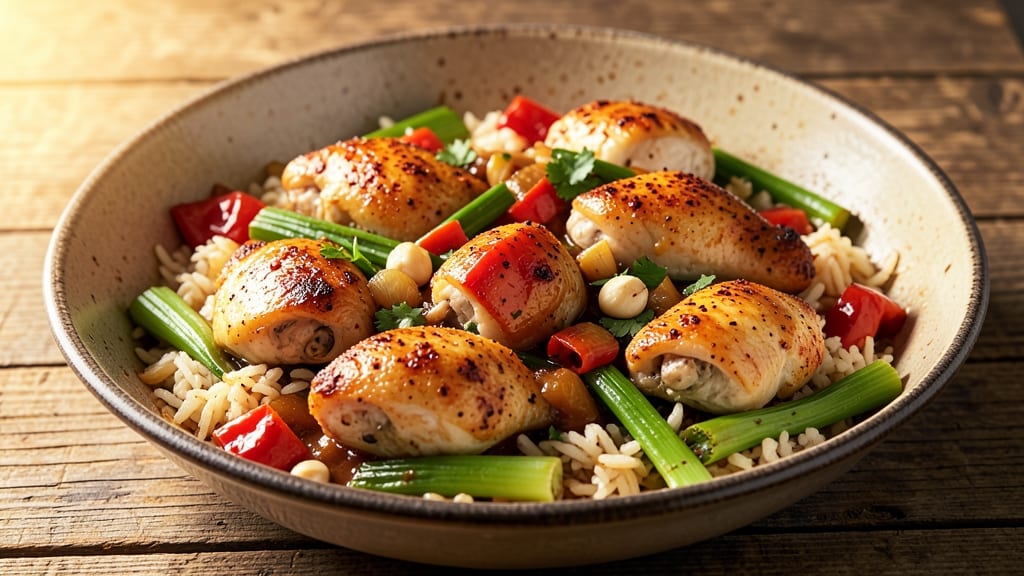
This one-pot chicken jambalaya rice recipe transforms weeknight dinners into a smoky, spiced celebration of Cajun flavors without the fuss. The secret lies in building layers of flavor—browning chicken for depth, toasting spices until fragrant, and letting everything simmer together until the rice absorbs a rich, savory broth.
I developed this version after years of testing, ensuring every bite delivers that perfect balance of heat, smokiness, and tender chicken.
What sets this recipe apart is its simplicity: just one pot, minimal prep, and a method that works for both beginners and seasoned cooks. The chicken cooks low and slow, staying juicy while the rice absorbs the aromatic spices and broth.
No need for complicated techniques—just patience and a few key steps to unlock restaurant-quality results at home.
By the time you serve this dish, your kitchen will smell like a Louisiana bayou, and your table will be covered with golden rice studded with tender chicken, crisp vegetables, and a sauce that’s bold yet balanced.
The spices—paprika, cayenne, thyme—infuse every bite with warmth, while the smoky notes from the chicken create depth that lingers.
Perfect for feeding a crowd or meal prepping for the week, this jambalaya scales effortlessly. Serve with crusty bread to soak up every last drop of that flavorful sauce. Let’s get cooking—your taste buds will thank you.
Ingredients for chicken jambalaya rice
One-pot magic with Cajun spices and tender chicken. Everything simmers together for bold, smoky flavor.
| Ingredient | Amount | Notes |
|---|---|---|
| Boneless Chicken Thighs 🍗 | 1 ½ lb | Cut into 1-inch pieces |
| Long-Grain White Rice 🍚 | 1 cup | Uncooked, like jasmine or basmati |
| Yellow Onion 🧅 | 1 whole | Diced, medium size |
| Green Bell Pepper 🌶️ | 1 whole | Diced, medium size |
| Celery Stalks 🥬 | 2 whole | Diced, medium stalks |
| Garlic Cloves 🧄 | 4 cloves | Mince or finely chop |
| Smoked Paprika 🌶️ | 2 tbsp | For authentic smoky flavor |
| Ground Cumin 🌿 | 1 tbsp | Toasted for deeper flavor |
| Dried Thyme 🌿 | 1 tsp | Or 1 tbsp fresh thyme |
| Cayenne Pepper 🔥 | ½ tsp | Adjust for heat preference |
| Salt 🧂 | 1 ½ tsp | Kosher or sea salt |
| Black Pepper 🌶️ | ½ tsp | Freshly ground preferred |
| Chicken Broth 💧 | 2 cups | Low-sodium preferred |
| Tomato Paste 🍅 | 2 tbsp | Squeeze tube or canned |
| Olive Oil 🫒 | 2 tbsp | For browning chicken |
The chicken thighs are key here—they stay juicy and flavorful while the rice cooks. Look for bone-in, skin-on thighs at Whole Foods or your local butcher for extra richness, but boneless works too. The rice should be long-grain like jasmine or basmati—it absorbs the broth beautifully without getting mushy. For the veggies, Trader Joe's has pre-diced onion, bell pepper, and celery mixes that save time. If you're using fresh thyme, grab extra—half goes in the pot, half gets torn over the top at the end for that restaurant-quality garnish.
No smoked paprika? Regular paprika plus a pinch of liquid smoke works in a pinch. Fresh thyme unavailable? Dried works at one-third the amount. The tomato paste can be the squeeze tube kind from Trader Joe's—it's perfect for small batches and keeps forever. For extra depth, toast your spices in the pot with the olive oil for 30 seconds before adding the chicken. That step makes all the difference. And if you're worried about the cayenne being too spicy, start with half and adjust to taste—you can always add more later.
This reheats beautifully—honestly tastes better the next day once everything melds. Keeps 4-5 days in the fridge, freezes for 3 months. I portion mine into containers so lunches are sorted for the week. The rice can get dry if stored too long, so add a splash of broth when reheating. For serving, crusty bread is a must—it soaks up every last drop of that smoky sauce. Leftovers? Double the batch and freeze half—it's perfect for busy nights.
Why You'll Love This Recipe
- One-Pot Magic: I swear by this recipe when I’m too tired to scrub pots—just brown the chicken, toss in the holy trinity (onion, bell pepper, celery), then dump everything into one pot with the rice and broth. No measuring cups, no extra pans, no stress. The rice soaks up all the smoky, spiced goodness while it cooks, and honestly? The cleanup is just rinsing one bowl.
- Spice Without Guilt: Between us, I’m not a spice addict—but jambalaya’s heat sneaks up on you. The chicken thighs stay juicy while the rice gets that perfect toast at the edges, and the bell pepper adds a bright crunch that cuts through the richness. It’s bold enough to impress guests but simple enough that even my picky teen doesn’t complain. (Yes, even on a Tuesday night.)
- Meal Prep MVP: I make double batches on Sundays because this stuff begs to be reheated. The flavors actually deepen overnight—just add a splash of water or broth when warming, and it’s like you’re eating fresh again. Pack it for lunches, freeze portions for lazy days, or bring it to potlucks. It’s the kind of dish that tastes like effort, even when it’s not.
- Budget-Friendly Feast: Chicken thighs are cheaper than breasts, and a big bag of rice stretches for days. Throw in some andouille sausage if you’re feeling fancy, or skip it—this still hits the spot. I’ll be real: my grocery bill stays low, but my family’s full. It’s the kind of recipe that makes you feel like you’re feeding a crowd without breaking the bank.
Step-by-step instructions for smoky Cajun-spiced one-pot Feast
Here's how to create a rich, flavorful jambalaya that simmers into perfect harmony.
Sear the Chicken Until Golden
Heat the 2 tablespoons olive oil in a large, heavy-bottomed pot over medium-high heat. Once shimmering, add the 1.5 pounds boneless chicken thighs cut into 1-inch pieces. Cook undisturbed for 4-5 minutes until the chicken develops a deep golden-brown crust on all sides.
This searing step is crucial—it builds deep flavor through the Maillard reaction. You'll know it's ready when the chicken releases easily from the pot. Transfer the seared chicken to a plate and set aside. Don't drain the pot; those flavorful browned bits will form the base of your jambalaya sauce.
Sauté the Holy Trinity Vegetables
In the same pot, add the diced yellow onion, green bell pepper, and celery stalks. Cook over medium heat for 5-6 minutes, stirring occasionally, until the vegetables soften and begin to release their juices. You should see them turn tender and slightly caramelized.
Here's where the flavor foundation happens. The vegetables should be cooked down enough to lose their raw bite but not so soft they disappear. Add the 4 minced garlic cloves and cook for another 30 seconds until fragrant—this prevents the garlic from burning and adds that essential aromatic depth.
Toast the Spices for Maximum Flavor
Reduce the heat to medium-low and add the 2 tablespoons smoked paprika, 1 tablespoon ground cumin, 1 teaspoon dried thyme, ½ teaspoon cayenne pepper, 1½ teaspoons salt, and ½ teaspoon black pepper. Stir constantly for 1-2 minutes until the spices become fragrant and toast slightly.
This toasting step is what transforms ordinary spices into flavor bombs. You'll smell that rich, smoky aroma developing—this is the signature Cajun flavor profile coming to life. Be careful not to let the spices burn; they should just warm through and release their essential oils.
Build the Jambalaya Base
Return the seared chicken to the pot. Stir in the 2 tablespoons tomato paste and cook for 1 minute until it darkens slightly. Pour in the 2 cups chicken broth and bring the mixture to a gentle simmer. Add the 1 cup long-grain white rice, stirring to combine.
This is where everything comes together. The tomato paste adds depth while the broth creates the perfect liquid-to-rice ratio. The rice should be well-coated in the flavorful liquid. Bring to a boil, then immediately reduce heat to low and cover the pot with a tight-fitting lid.
Simmer to Perfect Texture
Simmer the jambalaya for 20-25 minutes without lifting the lid. You'll know it's ready when the rice has absorbed all the liquid and the chicken is tender enough to easily pull apart with a fork. The dish should have a thick, creamy consistency with just a slight bite remaining in the rice.
If the jambalaya looks dry before the rice is fully cooked, add ¼ cup water at a time until the rice reaches your desired texture. The key is patience—this low-and-slow cooking method ensures each grain absorbs all that smoky, spiced flavor. Let it rest for 5 minutes covered before serving to allow the flavors to meld completely.
Pro Tips For Making Chicken Jambalaya Rice
- Sear Chicken in Batches: Don’t drown your chicken thighs in their own juices—work in 2-3 batches over medium-high heat until the bottoms turn golden brown. Crowding the pan steams them instead of searing, and you’ll end up with bland, gray meat. A hot pan and a little patience make all the difference here.
- Slice Celery Like a Pro: Dice that celery into ¼-inch pieces, not the usual ½-inch chunks you’d use for soup. Smaller bits cook faster and blend into the dish instead of sitting like awkward, crunchy afterthoughts. (Yes, I’ve served jambalaya with half-cooked celery sticks—don’t be that person.)
- Toast the Holy Trinity: Cook your onions, bell peppers, and celery in oil over medium heat until the onions turn deep golden and the peppers start to blister—about 8-10 minutes. Skipping this step leaves your jambalaya tasting raw and dull. The deeper the color, the richer the flavor.
- Rinse Rice Until Clear: Give that long-grain rice a thorough rinse under cold water until the water runs nearly clear. This removes excess starch, preventing gummy rice later. Trust me, you’ll notice the difference when the grains stay separate and fluffy instead of clumping like glue.
Regional styles of this recipe
Louisiana Bayou Style
This is the classic jambalaya you'd find in New Orleans, where the Holy Trinity (onion, bell pepper, celery) forms the flavor base. The key difference? Louisiana jambalaya often includes Andouille sausage, but I keep it chicken-focused here.
For authenticity, use hot sauce (like Crystal) at the table—it's a must in Cajun culture. The rice should be wild rice blend if you want to get traditional, though long-grain white works perfectly. 🌶️
Texas-Style Twist
Texas takes jambalaya in a bolder direction by adding chopped tomatoes and okra for texture. I like to stir in ½ cup diced Roma tomatoes with the Holy Trinity and add ½ cup sliced okra (fresh or frozen) when simmering the rice.
Texas versions also often include black-eyed peas—add ½ cup cooked peas at the end for extra heartiness. The result is a thicker, more rustic dish with Southern comfort vibes. 🥘
Creole vs. Cajun
While both are Louisiana classics, Creole jambalaya uses tomatoes as a base (like a stew), while Cajun jambalaya (this recipe) builds flavor from the spices and broth. For a Creole version, add 1 cup crushed tomatoes with the Holy Trinity and simmer longer.
Cajun-style keeps the tomato paste minimal—just 2 tbsp—to maintain that smoky, spice-forward profile. The difference comes down to tomatoes vs. spices as the star. 💫
Modern Fusion Adaptations
Looking to update this classic? Swap the chicken for shredded rotisserie chicken for quick prep, or add shrimp (½ lb) in the last 5 minutes of cooking. For a vegetarian version, use chickpeas instead of chicken and vegetable broth.
I've also seen amazing jambalaya with chorizo (Spanish-style) instead of Andouille—it adds a different kind of smoky heat. The rice stays the same, but the protein gets creative. ✨
Caribbean-Inspired
For a Caribbean twist, add 1 tablespoon sofrito (blended bell peppers, onions, garlic) to the pot with the spices. Stir in 1 cup coconut milk with the broth for creaminess, and finish with fresh cilantro and lime wedges.
This version has a tropical vibe while keeping the jambalaya's soul. The rice absorbs the coconut beautifully, giving it a slightly sweet contrast to the spicy notes. 🌴
Slow Cooker Adaptation
For hands-off cooking, brown the chicken first, then transfer everything to a 6-quart slow cooker. Cook on LOW for 4-5 hours or HIGH for 2-3 hours, stirring once halfway. The slow cooker keeps the rice perfectly tender without sticking.
I like to add ½ cup frozen peas in the last 30 minutes for extra veggie goodness. This method is perfect for busy weeknights—just dump and cook! ⏰
Nutrition facts
Frequently asked questions
Can I use chicken breasts instead of thighs?
Chicken breasts will work, but thighs are ideal for jambalaya because they stay juicier during the long simmering time. If using breasts, cut them into 1-inch cubes and cook them for 10-12 minutes instead of 4-5 to ensure tenderness. For extra moisture, add ¼ cup water to the pot if needed.
How do I adjust the heat level?
The cayenne pepper controls the heat—start with ½ teaspoon and taste before serving. For milder heat, reduce to ¼ teaspoon or omit it entirely. If you love spice, add ¼ teaspoon extra and finish with hot sauce (like Crystal) at the table.
What if my jambalaya is too dry?
If the rice absorbs all the liquid too quickly, stir in ¼ cup warm broth or water during the last 5 minutes of cooking. The rice should be tender but still have a slight bite. Never add liquid after cooking—it’ll turn mushy. For future batches, use 2¼ cups broth instead of 2 cups.
Can I make this in an Instant Pot?
Yes! Follow the same steps until Step 4, then add the rice and broth to your Instant Pot. Seal the lid, cook on High Pressure for 4 minutes, then let it naturally release for 10 minutes. Stir in 1 tablespoon butter at the end for extra richness. The pressure cooker cuts time in half while keeping flavors deep.
How do I store and reheat leftovers?
Store in an airtight container in the fridge for 4-5 days or freeze for 3 months. Reheat on the stovetop with 2 tablespoons broth to restore moisture, or microwave for 2 minutes, stirring halfway. Leftovers often taste better the next day as flavors meld!