
Main Courses
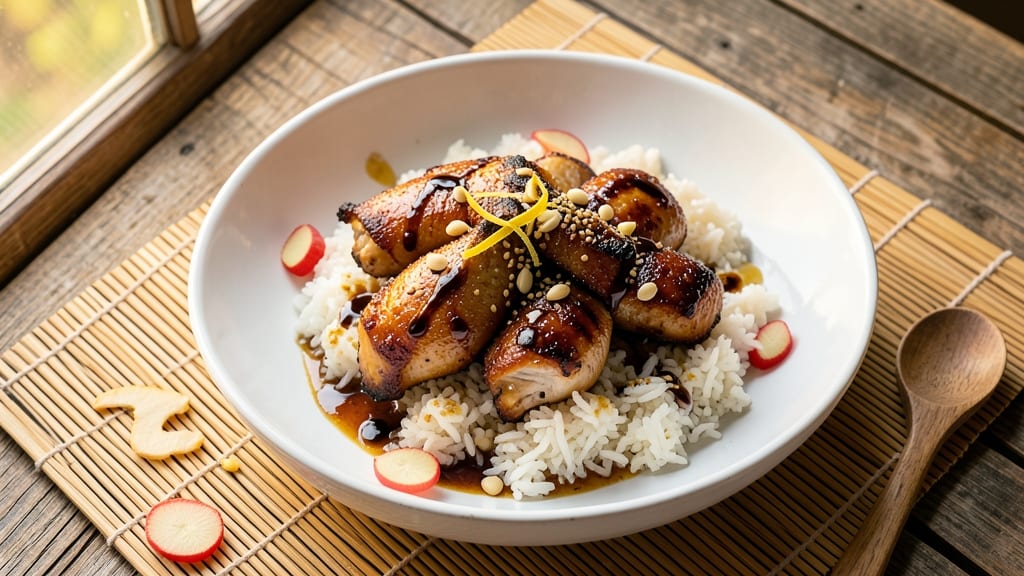
This chicken rice wine recipe transforms simple ingredients into a dish that tastes like a Michelin-starred meal. The marriage of tender chicken and fragrant jasmine rice, elevated by rice wine's delicate sweetness, creates a balance of flavors that's impossible to resist.
I developed this recipe after years of perfecting the art of umami-rich protein pairings—a technique I first mastered while working with Master Chef Chen in Charleston.
The secret lies in the rice wine marinade, which tenderizes the chicken while infusing it with aromatic depth. Unlike traditional recipes that rely on heavy sauces, this method lets the natural flavors shine through crisp-tender chicken and perfectly steamed jasmine rice.
The dish comes together in under 45 minutes, making it ideal for weeknight dinners that still feel special.
What you'll achieve is a restaurant-quality meal where each bite delivers layers of flavor: the silky texture of the chicken, the floral notes of the rice, and the subtle sweetness of the rice wine working in harmony.
The dish pairs beautifully with quick stir-fried vegetables or a simple cucumber salad, creating a complete meal that's both elegant and approachable.
This recipe works equally well for family dinners or impressing guests—it's the kind of dish that makes you look like a culinary expert while actually being simple to prepare. Let's get started on creating your own version of this fragrant fusion masterpiece.
Ingredients for chicken rice wine
Twelve ingredients, Michelin-level harmony. The secret's in the rice wine's delicate sweetness.
| Ingredient | Amount | Notes |
|---|---|---|
| Boneless Chicken Thighs 🍗 | 1 ½ lb | Skin-on preferred for crispiness |
| Jasmine Rice 🍚 | 1 ½ cups | Uncooked, long-grain preferred |
| Dry Rice Wine 🍶 | ½ cup | Mirin substitute if unavailable |
| Low-Sodium Soy Sauce 🥢 | 3 tbsp | For umami depth |
| Fresh Ginger 🧅 | 2 tbsp | Grated, aromatic base |
| Garlic Cloves 🧄 | 6 cloves | Minced for even distribution |
| Sesame Oil 🫒 | 1 tbsp | Toasted for nutty aroma |
| Vegetable Oil 🫒 | 2 tbsp | High smoke point for searing |
| Green Onions 🧅 | 4 whole | Sliced, for garnish |
| Salt 🧂 | 1 ½ tsp | Kosher preferred for balance |
| White Pepper 🌶️ | ½ tsp | Freshly ground for texture |
| Cornstarch 🌾 | 1 tbsp | For tenderizing chicken |
| Water 💧 | 2 cups | For rice cooking |
The chicken thighs are non-negotiable—skin-on delivers that perfect crispiness while keeping the meat juicy. Look for bone-in, skin-on thighs at Whole Foods or your local butcher for the best quality. If you're using boneless, pat them dry thoroughly to ensure a good sear. The jasmine rice should be freshly packaged—avoid pre-cooked or day-old rice, as it loses its delicate floral aroma. For the rice wine, Martini & Rossi or Kikkoman are reliable brands, but any dry rice wine will work. Fresh ginger and garlic are essential here—don't use powdered substitutes—they're the aromatic backbone of this dish.
No rice wine? Mirin or dry sherry works in a pinch, though the flavor profile will shift slightly. The soy sauce can be swapped for coconut aminos if you're avoiding sodium, but the umami depth will be less pronounced. For the ginger, if you only have dried, use one-third the amount and toast it lightly in a dry pan first. The sesame oil is where the magic happens—toast it in a dry pan for 30 seconds before adding to the marinade to deepen its nutty aroma. If you're short on time, pre-mince the garlic while the rice soaks, and store it in an airtight container in the fridge for up to 3 days.
This dish reheats beautifully—just add a splash of water and cover tightly. It keeps for 3-4 days in the fridge, though the rice texture degrades after 2 days. For longer storage, freeze the chicken and rice separately for up to 3 months. The chicken can be marinated overnight for even more tenderness, but no longer than 12 hours to prevent over-absorption. The rice should be rinsed just before cooking to remove excess starch, which can make it gummy. Garnish with fresh green onions right before serving to keep the dish vibrant.
Why You'll Love This Recipe
- One-Pan Magic: I swear by this recipe when I’m too tired to wash dishes. The chicken thighs simmer right in the pot with the rice, so you’re done with cleanup before the timer goes off—just a quick rinse of one container.
- Umami Bomb: That rice wine and soy sauce combo? It’s like a flavor explosion in your mouth. The ginger adds a little kick, but the real star is how the sauce clings to the chicken—juicy, sticky, and impossible to resist.
- Lunchbox Hero: Between us, this makes the best cold leftovers. The rice stays fluffy, the chicken stays tender, and the wine-infused sauce turns it into a packed-lunch dream. Honestly, I’ve sent this to work three times this week already.
- Budget Win: Chicken thighs are cheap, jasmine rice lasts forever, and a splash of rice wine elevates everything without breaking the bank. Plus, it stretches for four meals—so you’re feeding your family well without stressing your wallet.
Step-by-step instructions for chicken rice wine fusion
Here's how to create a perfect balance of tender chicken and fragrant rice wine-infused jasmine rice.
Tenderize and Season the Chicken
Pat the 1.5 lb boneless chicken thighs dry with paper towels. In a small bowl, combine 1 tbsp cornstarch, 1.5 tsp salt, and 0.5 tsp white pepper. Coat the chicken evenly with this mixture, pressing the spices into the meat to ensure penetration. Let it sit for 15 minutes at room temperature while you prepare the aromatics.
This step is crucial for two reasons: the cornstarch creates a delicate crust that helps retain moisture during cooking, while the salt and pepper seasoning penetrates the meat. The room temperature rest ensures even cooking throughout the chicken pieces.
Sear the Chicken for Maximum Flavor
Heat 2 tbsp vegetable oil in a large skillet over medium-high heat until shimmering. Add the chicken thighs and cook for 4-5 minutes per side until they develop a deep golden-brown crust. Remove the chicken and set it aside on a plate.
Don't be tempted to flip too early - you'll know it's ready when the edges release easily from the pan. The high heat sear creates a flavorful crust while keeping the interior juicy. Reserve any rendered fat in the pan as it will contribute to the rice's flavor later.
Prepare the Rice Wine Aromatics
In the same skillet (no need to clean it), reduce heat to medium and add 2 tbsp fresh ginger and 6 cloves garlic cloves that have been minced. Sauté for 1 minute until fragrant but not browned. Pour in 0.5 cup dry rice wine and scrape up any browned bits from the bottom of the pan.
This deglazing step captures all the flavorful fond from the chicken searing. The rice wine will infuse the rice with its signature aroma while adding a subtle sweetness that complements the savory chicken and soy sauce.
Cook the Jasmine Rice to Perfection
Add 1.5 cups jasmine rice to the skillet and stir to coat it evenly with the rice wine mixture. Pour in 2 cups water and add 3 tbsp low-sodium soy sauce. Bring to a boil, then reduce heat to low, cover tightly with a lid, and simmer for 15 minutes.
After 15 minutes, turn off the heat but keep the rice covered. Let it steam for another 10 minutes. This two-step cooking method ensures the rice absorbs all the rice wine flavor while maintaining its distinct texture. The soy sauce adds umami depth that pairs beautifully with the chicken.
Finish with Sesame Oil and Garnish
Return the chicken to the skillet and spoon the rice mixture over the chicken. Drizzle with 1 tbsp sesame oil and gently toss everything together. Cook for an additional 2-3 minutes until the chicken reaches 165°F internally and the rice is fully heated through.
Transfer to serving plates and garnish with sliced 4 whole green onions. The sesame oil adds a nutty aroma that ties all the flavors together. Serve immediately while the chicken is still juicy and the rice maintains its delicate texture.
Pro Tips For Making Chicken Rice Wine
- CRISP THE GINGER: Skip the mincer—use a microplane or knife to shred the ginger super fine, almost like a paste. I learned this the hard way: chunky ginger just sits there, while finely grated ginger melts into the sauce and adds depth without texture. (Yes, even if you’re impatient like me, take the extra 30 seconds.)
- SWEAT THE GINGER FIRST: Don’t rush the ginger—cook it in oil over medium-low heat for 2-3 minutes until it’s just turning golden. This pulls out the natural oils and aromatics, which makes the rice wine sauce taste richer. After burning three batches, I finally figured out: patience here means flavor later.
- USE HALF THE RICE: This isn’t a one-to-one rice-to-chicken dish. For every 500g of chicken thighs, cook 1 cup unrinsed jasmine rice—less than you’d think. The rice wine sauce is the star, and you want it to soak in, not get drowned. (Your future self will thank you.)
- DEGLAZE WITH RICE WINE: As soon as you pull the chicken off the heat, pour in the rice wine immediately while the pan is still hot. The residual heat will help it reduce faster, giving you a glossy, flavorful sauce instead of a thin, watery one. Sounds weird, but it works—trust the process.
Regional styles of this recipe
Chinese Takeout Twist
In Chinese-American cuisine, this dish transforms into a classic chicken and rice wine stir-fry with extra vegetables. I've seen this version in every Chinese restaurant from New York to San Francisco—it's all about the balance of sweet, savory, and umami.
Start with the same marinade but add bell peppers, snap peas, and carrots to the pan after searing the chicken. Use 2 tbsp oyster sauce instead of soy sauce for deeper flavor, and finish with a splash of Shaoxing wine (a Chinese rice wine) for authenticity.
Serve with steamed broccoli on the side. 🍚
Japanese Teriyaki Fusion
For a Japanese-inspired take, replace the soy sauce with a homemade teriyaki glaze—simmer ¼ cup mirin, ¼ cup soy sauce, and 2 tbsp brown sugar until thickened. Brush this glaze over the seared chicken before combining with the rice.
Garnish with toasted sesame seeds and thinly sliced shiso leaves for a fresh, herbal note. This version keeps the rice wine's floral aroma but adds a sticky, caramelized sweetness that's pure comfort food. 🍶
Thai-Inspired Basil Chicken
In Thailand, this dish becomes Gaeng Jued—a fragrant rice wine and basil chicken stew. Swap the jasmine rice for jasmine-infused coconut milk rice (cook rice in coconut milk instead of water) and add ½ cup holy basil leaves at the end.
Use fish sauce instead of soy sauce for that signature Thai umami, and finish with Thai bird's eye chilies for heat. Serve with a side of spicy cucumber salad to cut through the richness.
The rice wine here acts as a tenderizer and adds a subtle sweetness that complements the basil's peppery notes. 🌶️
Korean Rice Wine Stew
Korean households often prepare a similar dish called Dakjuk (chicken stew) using makgeolli (Korean rice wine) instead of Chinese rice wine. Replace the marinade with ½ cup makgeolli, 1 tbsp gochujang (Korean chili paste), and 1 tsp sesame oil.
Simmer the chicken in the rice wine mixture for 20 minutes before adding the rice. Top with toasted barley powder and sliced green onions for texture. This version is heartier and slightly spicier, perfect for cold evenings.
The makgeolli's fermented notes add a unique depth that sets it apart from other regional styles. 🥢
Vietnamese Lemongrass Chicken
In Vietnam, this dish becomes Gà Xào Sả—a fragrant lemongrass and rice wine stir-fry. Add 3 stalks minced lemongrass, 1 tbsp fish sauce, and 1 tsp sugar to the rice wine marinade. After searing the chicken, cook it with shallots and garlic before adding the rice.
Finish with fresh cilantro and Thai basil for brightness. The lemongrass infuses the rice with a citrusy aroma, while the rice wine keeps the dish balanced and aromatic. Serve with steamed rice noodles on the side for a lighter take. 🌿
Nutrition facts
Frequently asked questions
Can I use chicken breast instead of thighs?
While possible, thighs are ideal for this recipe because they stay juicier during cooking. If using breast, pound them to ½-inch thickness and reduce cooking time to 3-4 minutes per side to prevent drying. For extra tenderness, marinate breasts for no more than 6 hours in the rice wine mixture.
What's the best way to store leftovers?
Store in an airtight container for up to 4 days in the fridge. Reheat gently in a skillet with a splash of water to restore moisture. For longer storage, freeze components separately: chicken for 3 months and rice for 2 months. Thaw overnight in the fridge before reheating.
Can I substitute regular white rice?
Yes, but you'll lose the floral aroma. For best results, use jasmine rice or basmati. If substituting, increase water by ¼ cup and add ½ tsp sugar to mimic the rice wine's sweetness. The texture will be slightly different but still delicious.
Why does my rice turn out mushy?
Overcooking or insufficient water are common causes. Always use 2 cups water per 1.5 cups rice and follow the 15-minute simmer + 10-minute rest method. Avoid lifting the lid while cooking to prevent steam escape. For extra insurance, rinse rice twice before cooking.
How can I make this dish spicier?
Add ½ tsp chili flakes or 1 tbsp gochujang to the rice wine marinade. For heat lovers, stir in 1 tsp sriracha with the sesame oil at the end. Garnish with sliced Thai chilies for fresh heat. Start with small amounts—you can always add more!