
Main Courses
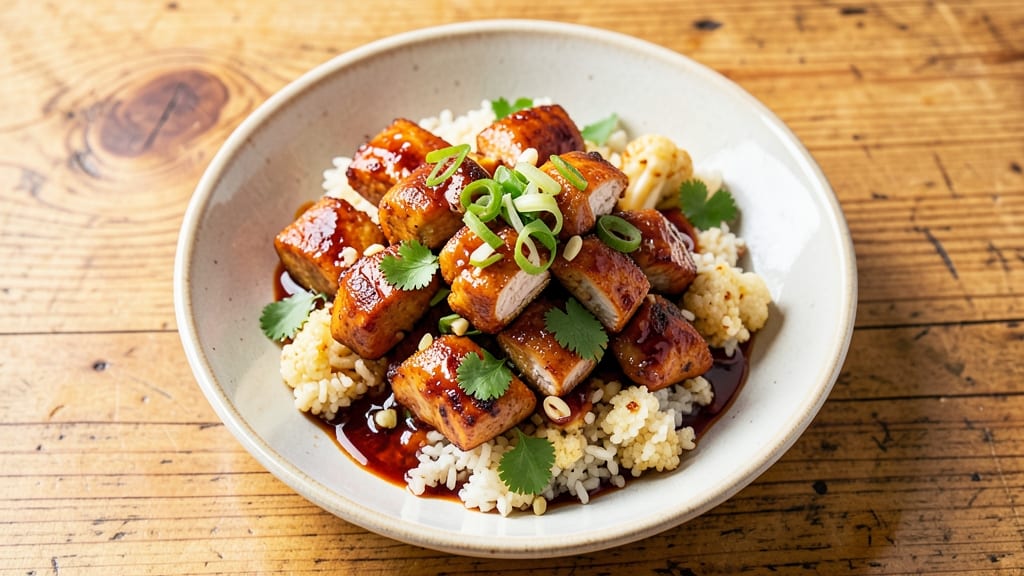
This chicken stir fry with cauliflower rice delivers restaurant-quality wok-heated crunch and bold savory-spice fusion in under 30 minutes. The secret lies in high-heat searing for tender, caramelized chicken and perfectly textured cauliflower rice that absorbs flavor without losing its natural bite.
I developed this technique during a particularly busy week when I needed a protein-packed meal that didn't require constant attention—yet still tasted like it came from a bustling Asian wok.
The foundation begins with properly prepped chicken thighs or breasts, marinated in a simple soy-ginger-garlic blend to ensure they stay juicy while developing a crispy exterior. Meanwhile, the cauliflower rice gets a quick sauté in the same pan, where it develops a satisfying crunch before absorbing the stir-fry sauce.
This simultaneous cooking method means you'll have dinner ready before the sauce has time to cool—hot, aromatic, and packed with wok hei (that signature smoky-wok flavor).
What you'll end up with is a vibrant dish where tender, golden-brown chicken pieces contrast beautifully with the crisp-tender cauliflower rice. The sauce—balanced with sweet, tangy, and umami notes—coats everything evenly, creating a harmonious blend of textures and flavors.
The best part? Every bite delivers that satisfying crunch while keeping the dish light enough for a weeknight dinner.
This recipe scales perfectly for meal prep or feeding a crowd, and the cauliflower rice makes it naturally lower-carb without sacrificing satisfaction. Let's get cooking—your taste buds will thank you for the perfect balance of protein, crunch, and bold flavors.
Ingredients for chicken stir fry with cauliflower rice
Pantry staples meet wok-heat magic for this protein-packed stir-fry with crisp-tender cauliflower rice.
| Ingredient | Amount | Notes |
|---|---|---|
| Boneless Chicken Thighs 🍗 | 1 ½ lb | Cut into 1-inch pieces, skin-on preferred |
| Fresh Cauliflower 🥬 | 1 head | Riced with a food processor or grater |
| Extra-Virgin Olive Oil 🫒 | 3 tbsp | For high-heat searing |
| Low-Sodium Soy Sauce 🍶 | ⅓ cup | Kikkoman or San-J brand preferred |
| Fresh Ginger 🌿 | 2 tbsp | Finely grated, aromatic |
| Garlic Cloves 🧄 | 6 cloves | Minced for marinade |
| Sesame Oil 🫒 | 1 tbsp | Toasted sesame oil for aroma |
| Honey 🍯 | 1 tbsp | For sweet-tangy balance |
| Rice Vinegar 🍶 | 1 tbsp | White or seasoned |
| Red Bell Pepper 🌶️ | 1 whole | Sliced into thin strips |
| Green Onion 🧅 | 1 whole | Sliced, white and green parts |
| Toasted Sesame Seeds 🌾 | 1 tbsp | For garnish |
| Diamond Crystal Kosher Salt 🧂 | ½ tsp | For seasoning |
| Ground Black Pepper 🌶️ | ¼ tsp | Freshly ground |
| Sriracha Sauce 🔥 | 1 tbsp | Adjust for heat preference |
The chicken thighs are non-negotiable here—skin-on for extra crispiness, but boneless for ease. Costco or Trader Joe's carry great pre-cut packages, but if you're buying whole, trim the fat and cut into even 1-inch pieces for consistent cooking. Fresh cauliflower is ideal, but pre-riced from the freezer section works in a pinch—just pat it dry before cooking. For the stir-fry sauce, low-sodium soy sauce is key to avoid over-salting, and Kikkoman or San-J brands deliver that authentic umami punch. Toast your sesame seeds in a dry pan for 30 seconds before garnishing—that nutty aroma makes all the difference.
No fresh ginger? Powdered ginger at half the amount works, but it lacks the bright zing. Short on sesame oil? Avocado oil for searing plus a splash of toasted sesame oil at the end mimics the flavor. The honey and rice vinegar balance the soy's saltiness—substitute maple syrup and apple cider vinegar if you prefer. Red bell pepper can be swapped for broccoli florets or snap peas, but the sweetness helps cut through the soy's intensity. For extra wok hei, throw in a dried chili or star anise while cooking—it burns quickly but adds smoky depth.
Prep the chicken marinade first—it needs at least 15 minutes to tenderize. Cauliflower rice keeps 3 days in the fridge, but it's best used fresh for that satisfying crunch. Double the recipe? Portion into airtight containers with a thin layer of oil on top to prevent browning—reheats beautifully in a skillet or microwave. Store sesame seeds in the freezer to preserve their aroma, and keep your ginger root whole in the fridge for up to 2 weeks.
Why You'll Love This Recipe
- One-Pan Magic: I swear by this for nights when I don’t want to scrub three bowls. The cauliflower rice cooks right alongside the chicken—no separate pots, no extra pans. Just toss everything in one skillet, let the soy sauce and olive oil work their magic, and boom. Done.
- Ginger-Soy Zing: That fresh ginger and low-sodium soy sauce combo? It’s the secret weapon. The ginger adds a bright, warm kick that cuts through the richness of the chicken thighs, while the soy gives it that deep, savory umami. Honestly, I’ve tried store-bought sauces, but homemade with these ingredients is next level.
- Meal Prep MVP: Between us, this is my go-to for lunches. Cook a big batch on Sunday, portion it out, and reheat it all week—no soggy rice here. The cauliflower holds up better than regular rice, and the chicken stays juicy. Even my picky-eating coworker asks for seconds.
- Budget-Friendly Protein: Chicken thighs are cheaper than breasts, and cauliflower rice stretches the meal further than white rice ever could. I make this for four people for under $15, and it’s still hearty enough to feel like a real dinner. (Yes, even on a Tuesday night.)
Step-by-step instructions for wok-heated chicken stir fry with cauliflower rice
Here's how to create a restaurant-quality stir fry with crispy chicken and perfectly textured cauliflower rice.
Prep the Chicken and Marinade
Cut the 1.5 lb boneless chicken thighs into 1-inch pieces, keeping any skin attached for extra flavor. In a bowl, whisk together 0.33 cup low-sodium soy sauce, 1 tbsp honey, 1 tbsp rice vinegar, 1 tbsp sriracha sauce, 2 tbsp finely grated fresh ginger, and 6 minced garlic cloves. Add the chicken pieces and toss to coat completely. Let this marinate for at least 15 minutes—this ensures deep flavor penetration and tender results.
While the chicken marinates, rice the 1 head fresh cauliflower using a food processor or fine grater. Spread the cauliflower rice on a clean kitchen towel and gently squeeze out excess moisture. This step is crucial for achieving that perfect wok-heated texture later.
Sear the Chicken for Maximum Crispiness
Heat 2 tbsp extra-virgin olive oil in a large wok or skillet over high heat until shimmering. Add the marinated chicken in a single layer, being careful not to overcrowd the pan. Let the chicken sear undisturbed for 3-4 minutes until the edges turn golden brown and crispy. Flip and cook for another 2-3 minutes until fully cooked through.
Remove the chicken from the wok and set aside. If the pan starts to smoke excessively, reduce the heat slightly—you want a hot pan, not a smoking one. The high heat is key here; it creates that signature wok-heated flavor and texture we're after.
Stir-Fry the Vegetables and Sauce
In the same wok, add 1 tbsp extra-virgin olive oil and increase the heat to maximum. Add the 1 whole red bell pepper sliced into thin strips and stir-fry for 2-3 minutes until slightly softened but still vibrant. Add the drained cauliflower rice and stir-fry for another 3-4 minutes until it begins to crisp at the edges.
Pour in the remaining 1 tbsp extra-virgin olive oil, 1 tbsp sesame oil, and return the chicken to the wok. Add 0.5 tsp diamond crystal kosher salt and 0.25 tsp ground black pepper, then toss everything together vigorously for 2-3 minutes. The cauliflower rice should be tender-crisp with slightly charred edges—this is the perfect texture we want.
Finish with Fresh Herbs and Garnish
Remove the wok from heat and let it sit for 1 minute to allow the flavors to meld. Stir in the 1 whole green onion sliced into white and green parts. The green onions add a fresh contrast to the rich, savory stir fry. Taste and adjust seasoning if needed—you can add a splash more soy sauce or a drizzle of honey if it needs more balance.
To serve, transfer the stir fry to a platter and sprinkle generously with 1 tbsp toasted sesame seeds. The sesame seeds add a nutty crunch that complements the tender chicken and crisp cauliflower rice. Serve immediately while everything is hot and the cauliflower rice maintains its perfect texture.
Pro Tips For Making Chicken Stir Fry With Cauliflower Rice
- Cut Chicken Thin: I learned this the hard way—thick slices of chicken thigh stay chewy no matter how long you cook them. Use a sharp knife and slice against the grain into ¼-inch strips. If you’re in a rush, freeze the chicken for 20 minutes first; it’ll slice cleaner.
- Salt Chicken First: Toss the chicken thighs with a teaspoon of salt and let them sit for 10 minutes before cooking. The seasoning penetrates deeper, and the meat stays juicier. Trust me, your stir-fry won’t taste bland if you do this—it’ll taste right.
- Skip Raw Cauliflower Rice: Fresh cauliflower rice releases too much water and turns mushy. Pulse it in a food processor, then microwave for 2 minutes to dry it out. This isn’t the prettiest method, but it’s the tastiest—no soggy texture here.
- Ginger Matters: Don’t just grate ginger and toss it in. Mince it finely and let it sit in the wok for 30 seconds before adding the chicken. The heat releases its oils, and the flavor actually sticks to the food instead of floating away. (Yes, even if you’re impatient like me.)
Dietary considerations for this recipe
Gluten-Free Adaptations
This stir-fry is naturally gluten-free when using tamari instead of soy sauce—I always keep a bottle of San-J Tamari on hand for these kinds of dishes.
The cauliflower rice base makes it inherently low-carb, but you can boost protein further by adding 1 cup edamame or ½ cup crumbled tempeh for extra texture. Just make sure any added ingredients are certified gluten-free, especially if you're sensitive. 🌱
Low-Carb Options
For an even lower-carb version, swap the cauliflower rice for shirataki noodles—they absorb the sauce beautifully while keeping carbs minimal. I like House Foods brand because they hold up well to high-heat stir-frying.
You can also add ½ cup sliced mushrooms to bulk up the dish without adding many carbs. The key is keeping the cooking time short to maintain their crisp texture.
Dairy-Free Considerations
This recipe is already dairy-free, but the sesame oil and soy sauce can sometimes contain trace amounts of dairy in processing. Always check labels, especially if you're highly sensitive.
For extra richness, stir in 1 tbsp coconut aminos instead of soy sauce—it adds a subtle sweetness that pairs perfectly with the stir-fry flavors. The toasted sesame seeds also provide a nutty depth without any dairy.
Allergen-Friendly Swaps
If you need to avoid sesame, replace the sesame oil with avocado oil and garnish with crushed peanuts instead of sesame seeds. For nut-free versions, I've had great success using pumpkin seeds toasted in a dry pan for 2 minutes—they add a different but still satisfying crunch.
Always check your soy sauce for cross-contamination warnings if you're dealing with severe allergies.
Protein Variations
Want to make this dish vegetarian? Swap the chicken for extra-firm tofu pressed and cubed, or use chickpeas for a heartier texture. For a seafood twist, try shrimp sautéed just until pink—about 2-3 minutes per side.
The cauliflower rice holds up perfectly to all these variations while keeping the dish light and flavorful. 🍤
Meal Prep Adaptations
For meal prep, store components separately to maintain texture: chicken and cauliflower rice in one container, sauce in another. Reheat the chicken and rice together in a skillet with a splash of water or sauce to restore moisture.
I find this method works best for up to 3 days in the fridge. If freezing, cook the chicken completely first, then freeze it separately from the sauce to prevent sogginess when reheated.
Nutrition facts
Frequently asked questions
Can I use chicken breast instead of thighs for this recipe?
Yes, but with one key adjustment: chicken breast cooks faster and can dry out at high heat. Use 1 lb boneless breasts instead of thighs, cut them into ½-inch pieces, and reduce cooking time to 2-3 minutes per side. For extra moisture, add 1 tbsp water or chicken broth to the pan while cooking.
How do I get the cauliflower rice extra crispy like in restaurants?
The secret is high heat and proper prep: pat the cauliflower rice very dry with towels, then stir-fry in batches if needed to avoid steaming. Cook over maximum heat for 4-5 minutes until edges are golden. A splash of sesame oil at the end adds crispiness too.
What's the best way to reheat leftovers without making them soggy?
Reheat in a skillet over medium-high heat with 1 tsp oil for 2-3 minutes, stirring constantly. Add 1 tbsp water or broth to restore moisture. Microwave only if desperate—cover with a damp paper towel to prevent rubbery texture.
Can I make this dish ahead of time for meal prep?
Yes, but separate components: cook chicken fully and store separately from raw cauliflower rice. Reheat chicken first, then stir-fry the rice fresh. For complete prep, marinate chicken overnight for deeper flavor. Store all ingredients in airtight containers for up to 3 days.
What if I don't have a wok? Can I use a regular skillet?
A 12-inch cast iron skillet works perfectly. Preheat it over high heat until smoking hot, then follow the same searing technique. The key is maintaining high heat—just stir frequently to mimic wok action. A nonstick pan also works but won't develop the same caramelized flavor.