
Main Courses
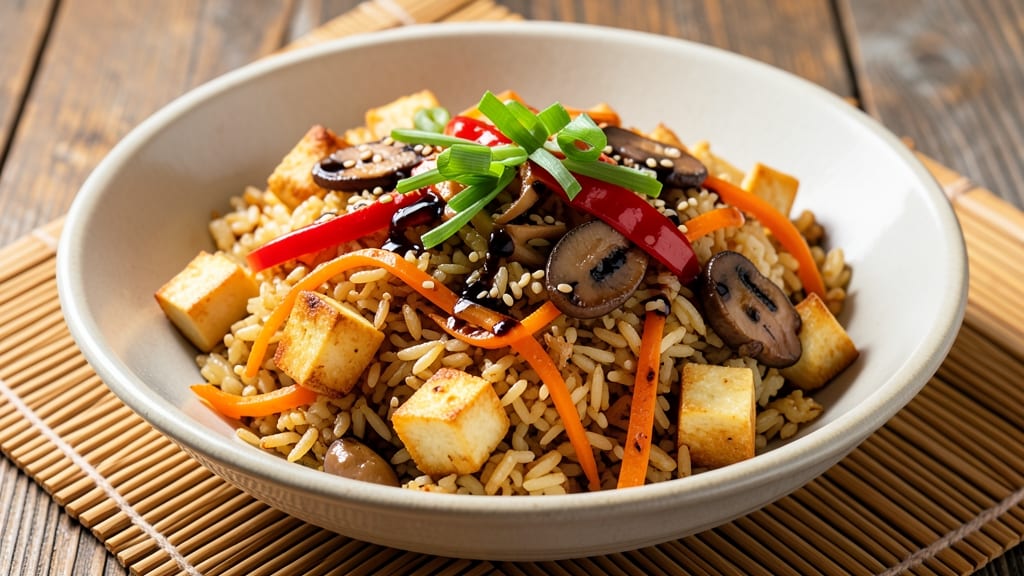
This Chinese fried rice recipe delivers vegetarian wok-tossed perfection in 20 minutes without eggs—just crispy rice, vibrant veggies, and bold flavors. The secret lies in high-heat stir-frying and proper rice texture: slightly undercooked grains that crisp beautifully when tossed.
I developed this version after years of testing, ensuring every bite balances chewiness with that signature wok crunch.
Using day-old rice (never fresh!) and a mix of protein alternatives—like tofu, mushrooms, or bell peppers—creates depth while keeping it plant-based. Traditional seasonings (soy sauce, sesame oil, scallions) build authentic umami, while quick stir-frying preserves color and texture.
The result? A restaurant-quality dish that’s ready in one pan, with no leftovers.
Ingredients for chinese fried rice recipe no egg
Four cups of day-old rice and vibrant veggies transform into restaurant-style fried rice without eggs.
| Ingredient | Amount | Notes |
|---|---|---|
| Day-Old Cooked White Rice 🍚 | 4 cups | Cold, slightly undercooked preferred |
| Extra-Firm Tofu 🍳 | ¾ lb | Pressed, cubed into 1-inch pieces |
| Bell Peppers (Assorted Colors) 🍅 | 2 whole | Red, yellow, or green, sliced into strips |
| Carrots 🥕 | 2 whole | Julienned into thin matchsticks |
| Green Onions 🧅 | ½ cup | White and green parts, chopped |
| Shiitake Mushrooms 🍄 | 4 whole | Stems removed, sliced |
| Fresh Garlic Cloves 🧄 | 4 cloves | Minced finely for aromatic base |
| Light Soy Sauce 🥄 | ⅓ cup | Kikkoman preferred for authentic flavor |
| Sesame Oil 🫒 | 1 tbsp | Toasted for nutty aroma |
| Vegetable Oil 🫒 | ½ cup | High smoke point for wok-frying |
| White Pepper 🌶️ | ½ tsp | Freshly ground for subtle heat |
| Diamond Crystal Kosher Salt 🧂 | 1 tsp | Adjust to taste after cooking |
| Toasted Sesame Seeds 🌰 | 1 tbsp | For garnish and crunch |
The rice is non-negotiable—day-old, cold grains develop that signature wok crunch. Day-old jasmine or basmati works best, but any white rice will do. For extra texture, use slightly undercooked rice (about 10% more water than package instructions). The tofu should be extra-firm and pressed for 20 minutes—pat dry before cubing to prevent splattering. Whole Foods or Trader Joe's carry excellent pre-pressed tofu, but any brand will work if you do the pressing yourself. Shiitake mushrooms add meaty texture; swap for cremini or oyster mushrooms if unavailable.
No sesame oil? Toasted peanut oil at half the amount mimics the nutty depth, though sesame remains ideal. Light soy sauce is essential for umami—Kikkoman or Pearl River Bridge brands deliver authentic flavor. For extra protein, add 1/2 cup edamame or 1 cup chopped broccoli. The bell peppers should be colorful (red/yellow/green) for visual appeal, but any variety works. Fresh garlic is a must—pre-minced garlic lacks punch. For a smoky twist, add 1/2 tsp smoked paprika to the seasoning mix.
Rice reheats beautifully—store in an airtight container for up to 5 days. For longer storage, freeze portions for 3 months (thaw overnight in the fridge). The tofu and mushrooms can be prepped ahead and kept in the fridge for 2 days. Garnish with sesame seeds just before serving to preserve their crunch. This dish tastes even better the next day as flavors meld—perfect for meal prep.
Why You'll Love This Recipe
- One-Pan Magic: I swear by this recipe because it’s actually one pan—no messy bowls, no extra pots. Toss in the day-old rice, cubed tofu, and chopped veggies, then let the wok do the work. Honestly, the only cleanup is wiping down the same pan.
- Tofu Crunch Factor: That crispy tofu edge? Chef’s kiss. Press it first, cube it right, and pan-fry until golden—it’s the star here. The bell peppers add sweetness, but the tofu? It’s the secret weapon that makes this dish ridiculously satisfying.
- Lunchbox Hero: Between us, this is my go-to for meal prep. Pack it in containers with a sprinkle of sesame seeds, and it’s a full, flavorful lunch the next day. My daughter picks out the carrots but still asks for seconds—proof it’s a winner.
- Budget-Friendly Staple: Day-old rice? Tofu on sale? Bell peppers in bulk? This recipe runs on leftovers and smart shopping. I’ve fed four people for under $10, and it’s still the best fried rice we’ve had. No guilt, all flavor.
Step-by-step instructions for wok-tossed veggie fried rice
Here's how to transform simple ingredients into restaurant-quality fried rice with perfect texture and bold flavor.
Prepare the Tofu for Maximum Crispiness
Begin by pressing the 0.75 lb extra-firm tofu between two paper towels or a clean kitchen towel for 15-20 minutes. This removes excess moisture, which is critical for achieving a crispy exterior. Cut the pressed tofu into 1-inch cubes using a sharp knife—uniform size ensures even cooking.
Heat 0.25 cup vegetable oil in a wok or large skillet over medium-high heat until shimmering. Add the tofu cubes in a single layer and cook undisturbed for 4-5 minutes, turning occasionally, until golden brown on all sides. Remove the tofu and set aside on a paper towel-lined plate to drain excess oil. This step creates the foundation of texture in your fried rice.
Sauté Aromatics and Vegetables in Stages
In the same wok, add 0.25 cup vegetable oil and heat over medium-high heat. Add the 4 cloves minced fresh garlic cloves and stir for 10 seconds until fragrant—this prevents burning. Immediately add the 2 whole bell peppers (sliced into strips) and 2 whole carrots (julienned). Stir-fry for 3-4 minutes until the vegetables begin to soften but still retain a slight crunch.
Next, add the 4 whole shiitake mushrooms (sliced) and continue cooking for another 2 minutes. The mushrooms should release their moisture while maintaining their texture. Remove the vegetables from the wok and set aside with the tofu. This staged cooking prevents overcrowding, which is essential for achieving that signature wok-hei flavor.
Stir-Fry the Day-Old Rice with Seasonings
Return the wok to medium-high heat and add the remaining 0.25 cup vegetable oil. Spread the 4 cups day-old cooked white rice evenly in the wok, breaking up any clumps with a spatula. Stir-fry for 2-3 minutes, allowing the rice to absorb the oil and heat through. This step reactivates the starches in the rice, creating the perfect base for your dish.
Add the 0.33 cup light soy sauce and 0.5 tsp white pepper, stirring constantly for 1 minute until the rice is evenly coated. The soy sauce should blend smoothly into the rice, enhancing its flavor without overpowering it. If the rice appears dry, add 1-2 tablespoons of water to maintain moisture. This is where the authentic umami flavor develops.
Combine All Ingredients and Finish with Sesame Oil
Return the tofu and vegetables to the wok, tossing everything together for 1-2 minutes until heated through. The combination of textures—crispy tofu, tender vegetables, and slightly chewy rice—should be balanced. Taste and adjust seasoning with the 1 tsp Diamond Crystal kosher salt if needed. The dish should be savory, slightly sweet, and subtly spicy from the white pepper.
Remove the wok from heat and drizzle with 1 tbsp sesame oil, tossing gently to distribute evenly. The sesame oil adds a nutty aroma and depth of flavor that ties everything together. Garnish with 1 tbsp toasted sesame seeds and 0.5 cup chopped green onions for color and crunch. Serve immediately while hot for the best texture and flavor.
Pro Tips For Making Chinese Fried Rice Recipe No Egg
- PREP TOFU LIKE A PRO: Press that extra-firm tofu for at least 30 minutes between paper towels—no, skipping this won’t make it crispier, it’ll just turn soggy. I learned this the hard way when my tofu absorbed all the oil like a sponge. Cut it into ½-inch cubes afterward so they brown evenly.
- STIR-FRY IN BATCHES: Don’t overload the wok—crowding steams your veggies instead of searing them. Work in two batches if needed: tofu first (until golden), then peppers and carrots (cut into matchsticks—smaller pieces cook faster). Your future self will thank you for that crisp-tender texture.
- USE DAY-OLD RICE: Cold, dry rice fries up light and separate—fresh rice turns into glue. Spread your leftover rice on a tray to dry out for 10 minutes before stirring it into the wok. (Yes, even if you’re impatient like me.)
- FINISH WITH GREEN ONIONS: Toss in those green onions last—they’ll wilt into oblivion if you add them too early. A handful at the end adds freshness and color without overpowering. Slice them thin so they melt into the dish instead of sitting like little flags.
Serving suggestions for this chinese fried rice recipe no egg
Garnish Like a Pro
Finish your fried rice with 1 tbsp toasted sesame seeds and ½ cup chopped green onions for that restaurant-quality touch. I like to sprinkle them just before serving to keep the sesame seeds crisp.
For extra flair, add ¼ cup chopped cilantro or thinly sliced scallions—both add freshness and color. 🌿
Pair with Classic Sides
Serve your veggie fried rice alongside steamed bok choy or stir-fried bok choy for a classic Chinese combo. The crisp-tender greens balance the richness of the fried rice perfectly.
I also love adding egg drop soup (made with 2 eggs and chicken broth) on the side—it’s comforting and complements the bold flavors. 🥘
Sauce for Dipping
Prepare a quick sriracha mayo by mixing 2 tbsp mayonnaise with 1 tsp sriracha and a pinch of salt. This adds a creamy, spicy contrast to the savory fried rice.
For a tangier option, whisk 1 tbsp rice vinegar with 1 tsp soy sauce and ½ tsp sesame oil—drizzle lightly over the top or serve on the side. 🌶️
Beverage Pairings
Match your fried rice with a jasmine green tea or oolong tea to cleanse your palate between bites. For something refreshing, try a lychee lemonade—the sweet-tart flavors cut through the umami. If you prefer alcohol, a dry Riesling or light lager (like Asahi) works beautifully. 🍶
Meal Prep Serving Ideas
Divide leftovers into airtight containers and store in the fridge for up to 5 days. Reheat in a skillet with a splash of water to restore crispiness. For a quick lunch, pack fried rice in a bento box with steamed edamame and pickled ginger for a balanced meal. 📦
Presentation Tips
Use a wide, shallow bowl to showcase the vibrant colors of your fried rice. Arrange the tofu and vegetables in an even layer for visual appeal. For a modern twist, serve in a banana leaf or lotus leaf for an aromatic touch.
Garnish with edible flowers (like nasturtiums) for a pop of color. ✨
Nutrition facts
Frequently asked questions
Why does my veggie fried rice turn out mushy instead of crispy?
Overcrowding the wok and using fresh rice are the top culprits. Always use day-old rice (never fresh) and cook in batches to maintain high heat. Spread the rice in a single layer and stir-fry over medium-high heat for 2-3 minutes before adding other ingredients. This reactivates the starches for that signature wok crunch.
Can I substitute tofu with another protein?
For extra protein, try chickpeas (½ cup, rinsed and drained), tempeh (½ cup, cubed and pan-fried), or seitan (½ cup, sliced thin). For a meatier texture, use shredded king oyster mushrooms (1 cup) or textured vegetable protein (TVP) (½ cup, rehydrated). Just adjust cooking times—mushrooms and TVP cook faster than tofu.
What’s the secret to getting that smoky wok-hei flavor?
High heat and proper oil are key! Use a wok or cast-iron skillet and heat the oil until it shimmers (medium-high heat). Add ingredients in small batches to avoid steaming, and keep the wok moving—constant tossing creates those signature charred bits. A splash of dark soy sauce (1 tsp) at the end adds depth, but light soy sauce is traditional.
How do I make this recipe gluten-free?
Swap the soy sauce for tamari or coconut aminos (use the same amount). Check your sesame oil and sesame seeds for gluten-free labels, as some brands process them in shared facilities. For extra umami, add 1 tsp gluten-free fish sauce or ½ tsp nutritional yeast to the seasoning mix.
Can I make this with brown rice or quinoa?
Brown rice works but requires extra oil and longer cooking time—it’s denser and absorbs less moisture. For quinoa, use ½ cup uncooked quinoa (cooked) per 1 cup rice and reduce oil by 1 tbsp**. Cook quinoa separately and mix in at the end. Both grains add nuttiness but may yield a softer texture than white rice.