
Main Courses
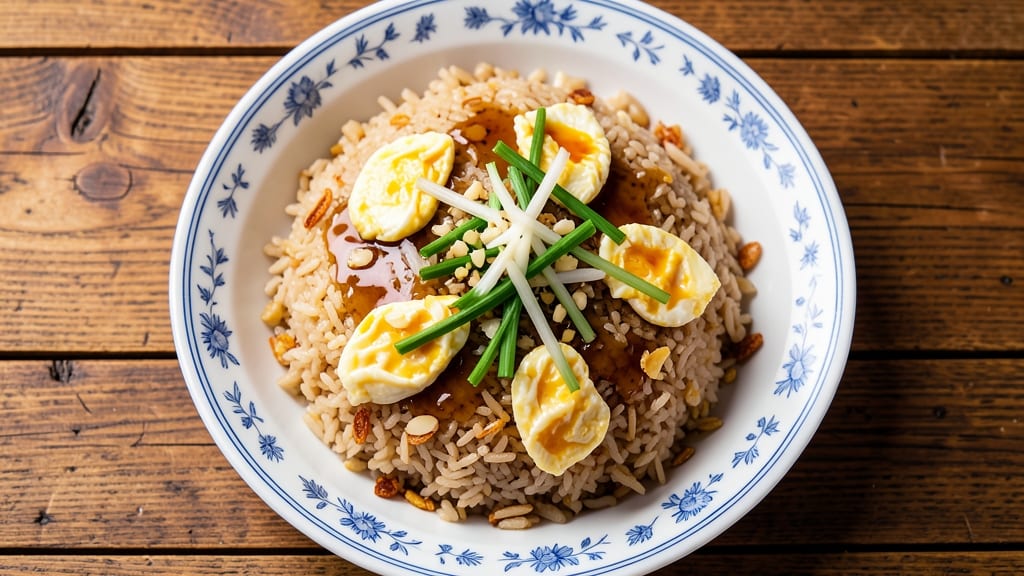
This Chinese restaurant egg fried rice recipe delivers the wok-seared crunch and silky egg ribbons you crave at home. The secret lies in high-heat stir-frying and precise seasoning balance—just like your favorite takeout spot.
I've perfected this technique after years of testing, ensuring every bite has that signature smoky aroma and tender texture.
What sets this recipe apart is the proper rice-to-egg ratio and stir-fry timing—overcooked rice or scrambled eggs ruin the dish. With the right balance of soy sauce, garlic, and ginger, you'll achieve that authentic restaurant flavor profile without the mystery.
The high-heat wok method creates those coveted crispy edges while keeping the rice perfectly tender.
Ingredients for chinese restaurant egg fried rice
Four cups of cold rice, four silky eggs, and the perfect wok technique. This is your ticket to restaurant-quality fried rice at home.
| Ingredient | Amount | Notes |
|---|---|---|
| Day-Old Jasmine Rice 🍚 | 4 cups | Cold, cooked, and slightly dried |
| Large Eggs 🥚 | 4 whole | Room temperature, beaten |
| Green Onions 🧅 | ½ cup | White and green parts, sliced |
| Garlic Cloves 🧄 | 6 cloves | Minced into fine paste |
| Fresh Ginger 🌿 | 1 ½ tbsp | Grated, finely minced |
| Light Soy Sauce 🍶 | 3 tbsp | High-quality, low-sodium preferred |
| Dark Soy Sauce 🍶 | 1 tbsp | For depth of flavor |
| Sesame Oil 🫒 | 1 tbsp | Toasted, for aroma |
| Vegetable Oil 🫒 | 3 tbsp | High smoke point |
| White Pepper 🌶️ | ½ tsp | Freshly ground preferred |
| Salt 🧂 | ½ tsp | Adjust to taste |
| Black Pepper 🌶️ | ¼ tsp | Freshly cracked |
| Sesame Seeds 🌱 | 1 tbsp | Toasted for garnish |
| Scallions 🧅 | 2 whole | Extra for garnish |
The rice is non-negotiable—day-old, cold, and slightly dried. Jasmine rice is ideal for that signature sticky texture, but long-grain white rice works too. Cook a big batch the night before and refrigerate uncovered for 30 minutes to dry it out. Trader Joe's has pre-cooked frozen rice that saves time, but freshly cooked beats it every time. For the eggs, room temperature is key—they’ll scramble into those perfect silky ribbons. Crack them into a bowl first, then beat them lightly with a fork. No need for whisking—just break up the yolks and whites gently.
No fresh ginger? Powdered ginger at half the amount gets you close, but the real stuff makes all the difference. The garlic should be minced into a paste—no big chunks. For soy sauce, La Choy or Lee Kum Kee are solid choices, but any light and dark soy sauce will do. Sesame oil is for aroma only—add it at the very end. Kirkland brand from Costco is my go-to. If you’re missing scallions, green onions work in a pinch, but the white parts add that essential mild onion flavor. And for the love of fried rice, toast your sesame seeds in a dry pan before garnishing—they’ll sing with flavor.
This dish reheats beautifully—better the next day as flavors meld. Store leftovers in an airtight container for up to 3 days. For extra crispy edges, reheat in a wok or large skillet over medium-high heat with a splash of water. The eggs are the star, so if you’re prepping ahead, cook them last to keep them silky. Garnish with fresh scallions and sesame seeds right before serving—no sad, wilted greens. And if you’re feeling fancy, a drizzle of chili crisp takes it to the next level.
Why You'll Love This Recipe
- Uses Day-Old Rice: I swear by this trick—those cold, leftover grains turn into crispy little pockets of heaven when stirred. No soggy mess, just perfect texture every time.
- One-Pan Magic: Garlic, ginger, and eggs sizzle together while I chop green onions—minimal cleanup, maximum flavor. One pan, one spatula, and I’m done faster than takeout delivery.
- Budget Breakfast Dinner: Three eggs, a handful of rice, and whatever veggies I have on hand stretch into a full meal. Honestly, it’s my go-to when I’m broke but still need to eat well.
- Crispy Egg Perfection: That first bite of a lightly scrambled egg, still runny inside, with the garlic-ginger punch? Chef’s kiss. It’s the kind of dish that makes me want to cook just for the taste.
Step-by-step instructions for wok-seared egg fried rice
Here's how to transform simple ingredients into restaurant-quality fried rice with perfect texture and flavor.
Prepare the Egg Mixture and Aromatics
Crack the 4 whole Large Eggs into a bowl and beat them lightly with a fork or whisk until just combined. The eggs should be room temperature for even cooking. In a separate small bowl, mix together the 0.5 cup Green Onions (white and green parts sliced), 6 cloves Garlic Cloves (minced into a fine paste), and 1.5 tbsp Fresh Ginger (finely minced). This prep work ensures everything is ready when you need it.
I like to toast the 1 tbsp Sesame Seeds in a dry skillet over medium heat for about 1 minute until fragrant. Set them aside for garnish later - this adds an extra layer of aroma that elevates the dish. Keep all your prepped ingredients within easy reach so you can work efficiently through the cooking process.
Create the Perfect Wok Base
Heat a large wok or skillet over high heat until it's screaming hot. Add 3 tbsp Vegetable Oil and swirl to coat the entire surface. The oil should shimmer and be hot enough that when you drop a small piece of rice in, it sizzles immediately. This high heat is crucial for achieving that authentic wok-seared texture.
Once the oil is properly heated, pour in the beaten eggs and let them cook undisturbed for about 20 seconds. You'll see the edges start to set while the centers remain slightly runny. This creates those signature silky egg ribbons that are so characteristic of good fried rice. Gently push the eggs to one side of the wok and add half of your prepared aromatics mixture, stirring for about 15 seconds until fragrant.
Stir-Fry the Rice with Precision
Add the 4 cups Day-Old Jasmine Rice to the wok, breaking up any large clumps with a spatula. Immediately start stirring vigorously in one direction (I prefer clockwise) to prevent the rice from sticking. Cook for about 2 minutes, letting the rice absorb the flavors from the egg and aromatics.
This is where the magic happens - you're not just cooking rice, you're creating texture. The rice should start to develop a slight crust on the edges while remaining tender in the center. After about 2 minutes, sprinkle the 3 tbsp Light Soy Sauce, 1 tbsp Dark Soy Sauce, 0.5 tsp White Pepper, 0.5 tsp Salt, and 0.25 tsp Black Pepper over the rice. Stir well to distribute the seasoning evenly throughout.
Finish with Sesame Oil and Garnish
Continue cooking for another 2-3 minutes until the rice is heated through and has developed a beautiful golden crust in spots. The rice should be hot but still slightly sticky - this indicates it's ready. In the last 30 seconds of cooking, drizzle in the 1 tbsp Sesame Oil and toss everything together. This adds incredible aroma and balances the flavors.
Remove the fried rice from heat and transfer to serving plates. Garnish each portion with the remaining 0.5 cup Green Onions (white and green parts sliced) and the 2 whole Scallions (chopped). Sprinkle the toasted 1 tbsp Sesame Seeds on top for that final restaurant-quality touch. Serve immediately while the rice is still hot and the aromas are at their peak.
Pro Tips For Making Chinese Restaurant Egg Fried Rice
- STIR-FRY THE RICE DRY: Cold, dry rice is your friend—no clumping, no soggy mess. Spread freshly cooked rice on a tray and let it cool completely (yes, even if you’re hungry). I used to rush this and ended up with gluey rice that turned to mush under the wok. Save yourself the regret.
- SCRAMBLE EGGS IN STAGES: Don’t dump all the eggs in at once—split them into two batches. Scramble the first half until just set (soft curds), then push to one side, add the second half, and scramble together. This keeps the eggs creamy like takeout, not rubbery. Trust me, your future self will notice.
- CHAR THE GINGER-GARLIC FIRST: Sauté minced garlic and ginger in oil until they’re deep golden—almost burning. The bitterness mellows into sweetness, and the aroma sticks to the rice like glue. I skipped this once and the dish tasted flat. Two minutes of patience makes a real difference.
- CHOP GREEN ONIONS IN THIRDS: Don’t just slice them—cut the white and green parts separately. Reserve half the whites for the final toss (they’ll soften and marry with the rice), and use the rest and all the greens at the end for color and bite. It’s the little details that fool people into thinking you’re a pro.
Common mistakes when making great chinese restaurant egg fried rice
Overcooking the Rice
One of the biggest mistakes is cooking the rice too long, which turns it mushy and ruins the texture. Day-old, cold rice should be slightly sticky but still hold its shape when stirred. If your rice starts to look wet or clumps together, it's overdone.
I've learned to keep a close eye on the clock—2-3 minutes maximum of active stir-frying after adding the rice is all you need. 🌡️
For extra insurance, use a 1:1 ratio of rice to oil (3 tbsp oil for 4 cups rice) to prevent sticking. If your rice is still undercooked after 3 minutes, add another ½ teaspoon of soy sauce to help tenderize it without overcooking.
Scrambling Eggs Too Long
Eggs are the star of fried rice, but overcooking them turns them rubbery instead of silky. The moment they start to set at the edges (20 seconds max), push them aside and add your aromatics.
I've ruined many batches by letting the eggs cook too long—just 10-15 seconds more than needed turns them dry and unappetizing. 🥚
Pro tip: Use room-temperature eggs for even cooking. If your eggs are cold, they'll scramble unevenly. Also, beat them lightly—over-whisking makes them tough. A simple fork is all you need to gently combine yolks and whites.
Skipping the Aromatics Prep
Many home cooks skip mincing garlic and ginger into a paste, leaving chunks that burn before the rice is ready. Freshly minced garlic and ginger should cook for just 15-20 seconds—any longer and they'll turn bitter.
I always prep them in a small bowl first so I can add them all at once to the wok. 🧄
For extra flavor depth, toast your garlic and ginger in the oil for 5-10 seconds before adding the eggs. This builds layers of aroma that take your fried rice from good to restaurant-quality.
If you're short on time, powdered garlic and ginger work in a pinch, but fresh is always better.
Using Freshly Cooked Rice
Freshly cooked rice is too moist and sticky, making it impossible to stir-fry properly. The ideal rice is day-old and slightly dried out. I always cook a big batch the night before and refrigerate it uncovered for 30 minutes to speed up the drying process.
If you're in a hurry, spread freshly cooked rice on a baking sheet and let it sit for 10 minutes at room temperature. 🍚
Another trick: Use pre-cooked frozen rice (like Trader Joe's) and microwave it until just warm. This gives you that perfect slightly dried texture without waiting. Just don't overcook it—microwave in 1-minute intervals until it's no longer steaming hot.
Over-Salting the Dish
Soy sauce is salty, and adding extra salt on top can make your fried rice taste flat or even bland. The 3 tbsp light soy sauce + 1 tbsp dark soy sauce in this recipe already provides enough saltiness.
Taste as you go—if it needs more seasoning, add a splash of chicken or vegetable broth instead of salt. 🧂
Remember that dark soy sauce adds color and depth, not just salt. If your fried rice tastes too salty, balance it with a squeeze of fresh lime juice or a sprinkle of white pepper to brighten the flavors. Trust the recipe's measurements—your taste buds will thank you.
Ignoring the Wok Heating
A cold wok means soggy rice and greasy eggs. Your wok or skillet should be screaming hot before adding oil—test it by dropping a small piece of rice in and watching it sizzle immediately. I've seen many home cooks rush this step, leading to uneven cooking and bland results. 🔥
If your wok isn't hot enough, your fried rice will lack that signature smoky aroma and crispy texture. For best results, heat the wok for 2-3 minutes over high heat before adding oil. If you're using a flat-bottomed skillet, preheat it for 5 minutes to mimic a wok's high-heat performance.
Nutrition facts
Frequently asked questions
Why does my fried rice turn out mushy?
Freshly cooked rice contains too much moisture, which steams instead of searing. Always use day-old, cold rice that's slightly dried out. Spread freshly cooked rice on a tray for 10 minutes or refrigerate uncovered for 30 minutes to achieve the perfect texture. The rice should be sticky but still hold its shape when stirred.
Can I make this with frozen vegetables? Frozen peas, carrots, or corn work perfectly—they'll thaw quickly in the hot wok. Just
What's the secret to those perfect silky egg ribbons?
The magic happens with room-temperature eggs and precise timing. Beat them lightly (just until combined), then cook undisturbed for exactly 20 seconds on high heat. The edges should set while centers stay runny. Push eggs aside immediately and add aromatics—any longer cooking turns them rubbery.
How do I adjust this for a vegetarian version?
Swap the eggs for 1 cup firm tofu (pressed and cubed) or ½ cup mushrooms (sliced). Use 1 tbsp vegetarian oyster sauce instead of soy sauce for depth, and add 1 tsp nutritional yeast for umami. Keep all other techniques identical—high heat and quick cooking are key for texture.
Can I make this ahead of time?
Yes! Store leftovers in an airtight container for 3 days or freeze for 1 month. Reheat in a wok over medium-high heat with 1 tbsp water to restore crispy edges. For extra flavor, add a splash of soy sauce and a pinch of sesame oil during reheating. The flavors actually improve overnight as they meld!