
Main Courses
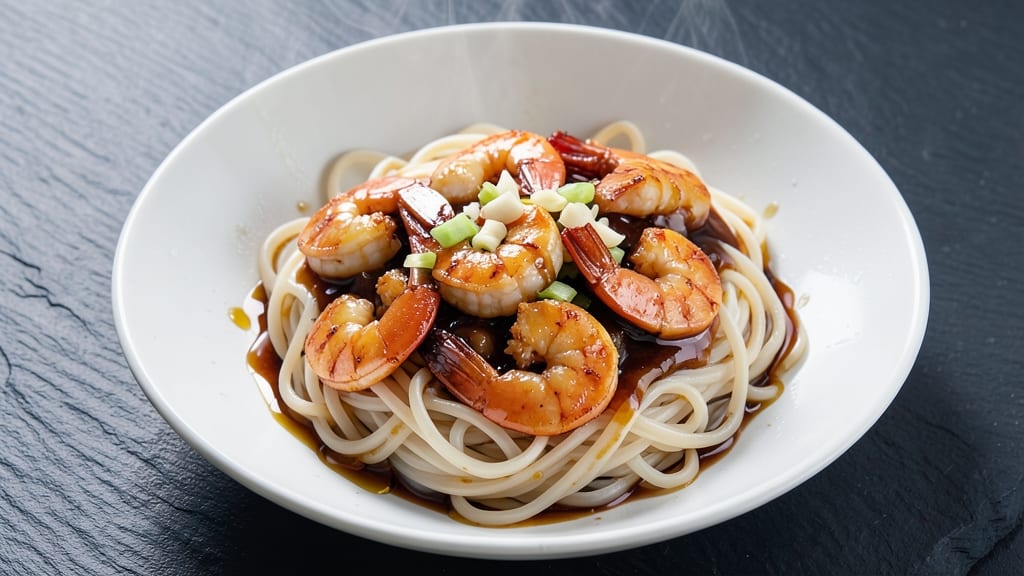
This Chinese rice noodles with shrimp recipe delivers restaurant-quality silky noodles and perfectly cooked shrimp in just 20 minutes. The secret lies in proper noodle soaking and high-heat stir-frying to achieve that signature wok hei flavor.
I've perfected this dish after years of testing, balancing sweet, savory, and umami notes for a harmonious bite every time.
The dish starts with wide rice noodles that transform from chewy to silky when soaked properly, while shrimp marinated in garlic and ginger develop deep flavor without overcooking. A simple yet flavorful sauce ties everything together, creating a dish that's elegant enough for dinner parties but quick enough for weeknights.
The result is tender shrimp, glossy noodles, and a sauce that clings perfectly—no soggy noodles here.
Ingredients for chinese rice noodles with shrimp
Restaurant-quality ingredients for silky noodles and perfectly marinated shrimp in 20 minutes.
| Ingredient | Amount | Notes |
|---|---|---|
| Wide Rice Noodles 🍜 | 8 oz | Stir-fry variety, uncooked |
| Large Shrimp 🦐 | 1 ½ lb | Peeled, deveined, tail-on |
| Fresh Garlic Cloves 🧄 | 6 cloves | Minced for marinade |
| Fresh Ginger 🌿 | 2 tbsp | Finely grated, peeled |
| Sesame Oil 🫒 | 1 tbsp | Toasted for aroma |
| Low-Sodium Soy Sauce 🥄 | ½ cup | Kosher-style preferred |
| Oyster Sauce 🍲 | 2 tbsp | High-quality brand |
| Honey 🍯 | 1 tbsp | Wildflower preferred |
| Rice Vinegar 🍶 | 1 tbsp | Seasoned variety |
| Vegetable Oil 🫒 | ½ cup | High smoke point |
| Green Onions 🧅 | 4 whole | Thinly sliced, white/green |
| Red Chili Flakes 🌶️ | ½ tsp | Adjust for heat |
| Salt 🧂 | 1 tsp | Diamond Crystal preferred |
| Black Pepper 🌶️ | ¼ tsp | Freshly ground |
The noodles are the foundation—wide rice noodles from an Asian market give that authentic texture. Thai Kitchen brand is reliable if you can't find specialty stores, but look for 'stir-fry' on the package. The shrimp should be 16/20 count for even cooking; larger ones need slightly less time. Fresh ginger and garlic are non-negotiable here—pre-minced jars lack the brightness of freshly grated. For the sauce components, Lee Kum Kee oyster sauce is the gold standard, but any quality brand works. The sesame oil? Toast it first—heat in a dry pan for 30 seconds to deepen the aroma.
No sesame oil? Toasted peanut oil works in a pinch, though the flavor will differ slightly. Substituting honey? Maple syrup is the next best option, but reduce by 10% since it's denser. The shrimp marinade can be prepped 6 hours ahead for deeper flavor penetration. For the noodles, soak only until pliable—over-soaking makes them mushy. If you can't find wide rice noodles, egg noodles work as a last resort, though the texture won't be identical. The green onions should be both white and green parts—white adds subtle sweetness, green provides freshness.
Prep the shrimp marinade first—it needs 15 minutes minimum to develop flavor. Noodles should be soaked in hot water (not boiling) for 8-10 minutes until they're pliable but still slightly firm. Store unused sauce components in the fridge for up to 1 week, though the sesame oil will lose some aroma. The cooked noodles keep 2 days refrigerated, but they're best fresh. For freezing, portion the sauce separately—it reheats beautifully, while noodles become gummy when thawed. The shrimp marinade can be frozen for 3 months if stored in an airtight container.
Why You'll Love This Recipe
- No-Fuss Assembly: The wide rice noodles soak in minutes—not hours—while you prep the shrimp. Honestly, I’ve made this while chatting on the phone; just toss everything in one pan and let the garlic and ginger work their magic.
- Umami Bomb: That first bite? The shrimp’s sweetness meets the nutty sesame oil, then boom—fresh ginger and garlic cut through with bright, punchy flavor. It’s the kind of dish that makes you reach for seconds without even thinking.
- Lunchbox Hero: Pack it cold or reheated—those noodles stay tender, and the shrimp holds up surprisingly well. Between us, it’s my go-to for office lunches (yes, even when I forget to pack ice packs).
- Budget Flex: A pound of shrimp and a bag of noodles feed four for under $15. I’ll be real: it’s the rare recipe where I actually use the whole bag of ginger instead of letting it turn to mush in the drawer.
Step-by-step instructions for Chinese rice noodles with shrimp
Master this dish by balancing texture and flavor through precise technique and timing.
Prepare the Shrimp Marinade and Soak the Noodles
In a small bowl, combine the 1 tbsp sesame oil, 0.5 cup low-sodium soy sauce, 2 tbsp oyster sauce, 1 tbsp honey, and 1 tbsp rice vinegar. Add the 1.5 lb large shrimp, ensuring each piece is coated thoroughly. Let this marinate for 10 minutes while you prepare the remaining ingredients.
Meanwhile, soak the 8 oz wide rice noodles in a large bowl of hot water for 8-10 minutes until pliable but still slightly firm to the touch. Drain and rinse briefly under cold water to stop the cooking process. This ensures the noodles hold their shape during stir-frying rather than turning mushy. Keep them covered with a damp towel to prevent drying.
Stir-Fry the Aromatics and Cook the Shrimp
Heat 0.5 cup vegetable oil in a wok or large skillet over medium-high heat until shimmering. Add the 6 cloves minced fresh garlic cloves and 2 tbsp finely grated fresh ginger, stirring constantly for 30 seconds until fragrant but not browned. This quick cooking preserves their freshness while building flavor.
Add the marinated shrimp to the wok in a single layer, spreading them out to avoid overcrowding. Cook for 2-3 minutes per side until the shrimp turn opaque and curl slightly at the edges. Remove them from the wok and set aside on a plate, leaving the rendered oil behind for the noodles.
Combine Noodles and Sauce for Perfect Texture
Return the wok to medium heat and add the drained noodles, tossing gently to coat them in the garlic-ginger oil. Pour the reserved shrimp marinade over the noodles and stir-fry for 2-3 minutes until the noodles are heated through and the sauce begins to cling. The noodles should be tender but still retain a slight bite.
Add the 4 whole green onions, sliced thinly, and the 0.5 tsp red chili flakes, tossing everything together for 1 minute until the green onions wilt slightly. Season with 1 tsp salt and 0.25 tsp black pepper, adjusting to taste. The dish should balance savory, slightly sweet, and subtle heat.
Finish and Serve Immediately
Return the cooked shrimp to the wok and toss everything together for 30 seconds to distribute the sauce evenly. The shrimp should be heated through without overcooking, maintaining their delicate texture. Taste and adjust seasoning—you may need a splash of rice vinegar for brightness or a touch more soy sauce for depth.
Serve immediately over a bed of steamed jasmine rice or in bowls, garnished with additional green onions if desired. The contrast of silky noodles, succulent shrimp, and aromatic sauce makes this dish a standout for weeknight dinners or gatherings.
Pro Tips For Making Chinese Rice Noodles With Shrimp
- SOAK NOODLES UNTIL FLEXIBLE: Wide rice noodles turn mushy if you overcook them, but they also clump like glue if you don’t soak them enough. Test with a toothpick—it should pierce them easily but still hold shape. I learned this the hard way by serving a bowl of sad, gummy noodles to guests. Drain and rinse them just before cooking to stop the process.
- PEEL SHRIMP LAST MINUTE: Shrimp oxidizes fast, turning your dish grayish if you prep them too early. Keep them whole in the shell until you’re ready to cook, then peel and devein right before hitting the pan. The shells add flavor when charred—toss them in the wok for 30 seconds at the start for a smoky depth.
- STOP WHEN SHRIMP CURLS: Overcooked shrimp get rubbery, and that’s a dealbreaker. Take them out when they curl just after turning opaque—about 30 seconds before they’d normally be done. The heat carries over, so resist the urge to check every 10 seconds. Trust the curl.
- GINGER: GRATE, DON’T CHOP: Chopped ginger turns to mush in stir-fries, but a fine grate releases its oils evenly. Use the large holes of a box grater and add it after the garlic sizzles—this prevents burning and keeps the aroma bright. I was skeptical until I tried it; the difference is noticeable.
Common mistakes when making this dish
Over-Soaking Noodles
This is the #1 mistake I see—letting noodles soak too long until they turn mushy. Wide rice noodles should be pliable but still hold their shape after 8-10 minutes in hot water.
Test them by pressing between fingers: they should bend without breaking. Over-soaking releases too much starch, making them gluey when stir-fried. 🚫
Skipping the Cold Rinse
After draining, always rinse noodles briefly under cold water. This stops the cooking process immediately and prevents them from turning gummy when combined with sauce. I learned this the hard way—my first attempt had noodles that fell apart when tossed with shrimp.
Just 10 seconds under cold water makes all the difference.
Crowding the Wok
Adding all shrimp at once causes steaming instead of searing, leading to rubbery texture. Cook in batches if needed, but ideally spread them in a single layer.
A 12-inch wok can handle about 1.5 lbs shrimp comfortably. Overcrowding also prevents proper heat circulation, which is crucial for that restaurant-quality wok hei flavor.
Under-Marinating Shrimp
The marinade needs at least 15 minutes to penetrate the shrimp's surface. I've seen people skip this step and end up with bland shrimp. The acid in soy sauce and vinegar tenderizes the shrimp while the honey adds subtle sweetness.
For best results, marinate up to 2 hours if prepping ahead.
Using Low-Quality Oils
Vegetable oil with a low smoke point (like canola) breaks down at high heat, creating bitter flavors. Use avocado or peanut oil (smoke point 400°F+) for stir-frying.
I always check the label—anything below 375°F risks burning your aromatics. The right oil makes all the difference in achieving that authentic wok hei aroma.
Ignoring the Resting Phase
After cooking, let shrimp rest for 2 minutes before tossing with noodles. This allows juices to redistribute, preventing them from releasing into the noodles and becoming dry.
I've seen people skip this and end up with shrimp that's tough and stringy. A quick rest ensures they stay succulent while absorbing the sauce perfectly. ⏳
Nutrition facts
Frequently asked questions
Can I use frozen shrimp instead of fresh?
Yes, but thaw them properly first! Place frozen shrimp in a bowl of cold water for 10-15 minutes until flexible but still icy. Never microwave or use hot water, as this causes uneven cooking. For best results, pat them completely dry before marinating to help the seasoning adhere. Frozen shrimp works well, but fresh shrimp will have a slightly superior texture.
What if I can't find wide rice noodles?
You can substitute with egg noodles or vermicelli in a pinch, though the texture will differ slightly. For egg noodles, cook them al dente and rinse in cold water to prevent sticking. Vermicelli should be soaked for 5-7 minutes instead of 8-10. The dish will still taste delicious, but the chewier texture won't be identical to wide rice noodles.
How spicy should this dish be?
The 0.5 tsp red chili flakes provide a subtle heat that enhances the dish without overpowering. For milder flavor, reduce to 0.25 tsp or omit completely. If you prefer more heat, add 0.25-0.5 tsp extra and adjust to taste. The dish balances sweet, savory, and umami notes, so the chili flakes are just a supporting element.
Can I make this dish ahead of time?
While the noodles and shrimp are best served fresh, you can prep components ahead. Marinate the shrimp up to 6 hours in advance. The sauce can be made 1 day ahead and stored in the fridge. When ready to serve, cook the noodles and shrimp separately, then combine and toss everything together. The shrimp should be cooked fresh to maintain its tenderness.
What's the best way to reheat leftovers?
Reheat only the sauce components (without shrimp) in a small pan over low heat for 2-3 minutes until warm. Then add the cooked noodles and shrimp, tossing gently for 1 minute to reheat through. Avoid microwaving—it makes noodles rubbery. For best results, serve within 2 days of cooking, as the texture degrades over time.