
Sauces & Condiments
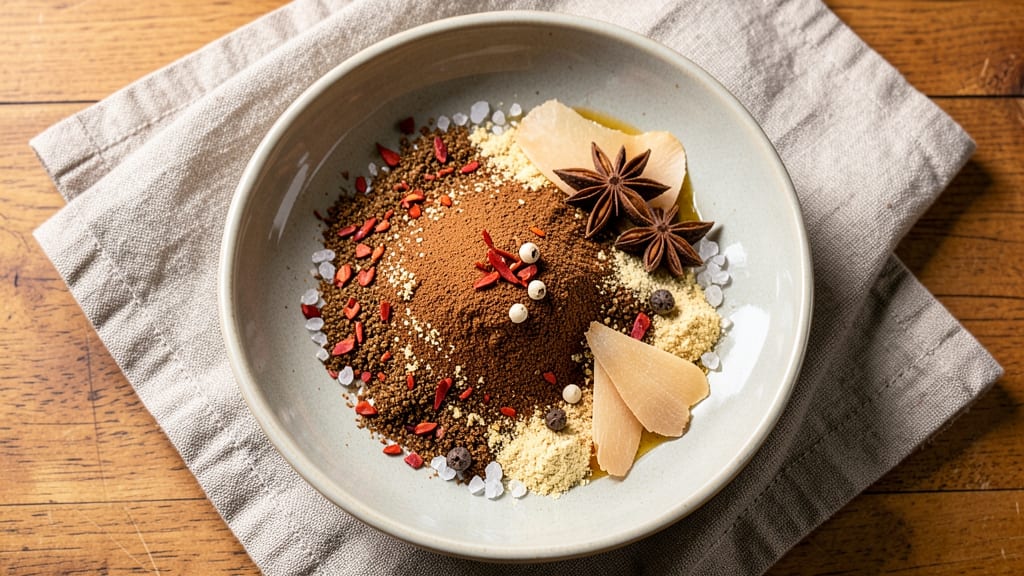
This Chinese rice seasoning recipe transforms ordinary jasmine basmati into aromatic, restaurant-quality grains with just a few simple ingredients. The blend of five-spice powder, garlic, and ginger creates layers of warmth that elevate every bite—whether in fried rice, congee, or stir-fried dishes.
I developed this after years of testing blends that delivered consistent, professional results without complicated techniques.
The magic lies in precise measurements: 1 tablespoon five-spice powder, 1 teaspoon garlic powder, 1 teaspoon ginger powder, and ½ teaspoon salt form the foundation. These dry ingredients mix effortlessly to create a versatile seasoning that enhances rice's natural fragrance while adding depth to any dish.
The blend remains potent for up to 6 months when stored properly, making it a kitchen essential.
What makes this seasoning special is its ability to transform basic rice into a flavor powerhouse. Sprinkle it over freshly cooked grains while still warm, or incorporate it into stir-fries for an instant umami boost.
The aromatic profile—sweet, spicy, and slightly earthy—creates a harmonious balance that works equally well in traditional Chinese dishes or modern fusion recipes.
This blend is particularly effective for jasmine basmati, but it works beautifully with other long-grain varieties too. Double the recipe and store in an airtight container to keep your pantry stocked for quick, flavorful meals.
The secret to perfect seasoning lies in the precision of the measurements and the quality of the spices you use.
Ingredients for chinese rice seasoning
Nine precision-spiced ingredients transform bland rice into aromatic, restaurant-quality grains effortlessly.
| Ingredient | Amount | Notes |
|---|---|---|
| Five-Spice Powder 🌶️ | 1 tbsp | Authentic Chinese blend preferred |
| Garlic Powder 🧄 | 1 tsp | Freshly ground preferred |
| Ginger Powder 🌿 | 1 tsp | High-quality for best aroma |
| Diamond Crystal Kosher Salt 🧂 | ½ tsp | Fine grain for even distribution |
| White Peppercorns 🌶️ | ¼ tsp | Freshly ground for subtle heat |
| Ground Star Anise 🌿 | ¼ tsp | Authentic Chinese anise flavor |
| Ground Cinnamon 🌿 | ¼ tsp | Ceylon cinnamon preferred |
| Ground Cloves 🌶️ | ⅛ tsp | Freshly ground for potency |
| Ground Fennel Seeds 🌿 | ⅛ tsp | Enhances aromatic complexity |
The five-spice powder serves as the aromatic foundation, so authentic Chinese blends from specialty stores like Penzeys or bulk sections at Whole Foods deliver superior results. For the remaining spices, freshly ground varieties—particularly the cloves, fennel, and star anise—ensure maximum potency. Ceylon cinnamon, available at Trader Joe's or Asian markets, adds subtle warmth without overpowering. Store-bought blends often contain fillers; opting for individual spices guarantees a cleaner, more vibrant flavor profile that elevates jasmine basmati's natural fragrance. The kosher salt should be Diamond Crystal for even distribution, as its finer grain blends seamlessly without graininess.
Substitutions can be made with caution: regular ground cinnamon works in a pinch, though Ceylon offers a more nuanced sweetness. For star anise, anise seeds ground to powder suffice, but the flavor will be slightly less complex. White peppercorns can be swapped for black if unavailable, though the color difference may be noticeable in light-colored dishes. Garlic and ginger powders from reputable brands like McCormick Gourmet or Badia ensure consistent quality. If using pre-ground spices, toast them lightly in a dry pan for 30 seconds to revive their aromatic oils before blending. For a deeper umami profile, add ½ teaspoon of toasted sesame seeds to the mix.
This seasoning blend maintains its potency for up to 6 months when stored in an airtight container away from direct light and moisture. For long-term storage, place a small piece of dried bay leaf in the container to absorb any residual humidity. Double the recipe and divide into two 4-ounce jars for convenience—one for rice seasoning and one as a versatile stir-fry enhancer. The blend can be incorporated into rice while cooking or sprinkled over steamed grains immediately after preparation. For best results, use within 24 hours of opening a fresh batch, as the aromatic oils degrade over time with repeated exposure to air.
Why You'll Love This Recipe
- No Measuring Madness: I keep this blend in a jar on my shelf—just grab a pinch when I need it. No scales, no stress, just toss it in while the rice cooks. That five-spice powder alone? It turns plain rice into something that smells like a bustling night market.
- Umami Magic: The garlic and ginger powders hit different—warm, bright, and just salty enough to make every grain pop. Honestly, I’ve tried store-bought seasonings, but this? It’s the kind of flavor that lingers, making even reheated rice taste like it was just made.
- Pantry to Table: This works for stir-fries, fried rice, or even sprinkled over noodles—no extra steps, just better flavor. I’ll be real: I’ve used it to jazz up a sad microwave dinner when I forgot to meal prep. (Yes, even on a Tuesday night.)
- Budget Booster: A little goes a long way, and these spices cost pennies compared to pre-mixed packets. Between us, I’ve had this blend for months, and I’m still not close to finishing it. That’s right—one jar does the work of three.
Step-by-step instructions for Chinese rice seasoning
This aromatic blend transforms ordinary rice into a fragrant, restaurant-quality dish every time.
Measure All Ingredients Precisely
Gather a small mixing bowl and all the ingredients listed. For accuracy, use a 1-tablespoon measuring spoon for the five-spice powder and a ¼-teaspoon measure for the ground cloves and fennel seeds. The precision here ensures balanced flavor—too much of any single spice will overpower the delicate harmony.
I recommend using freshly ground spices whenever possible, especially for the white peppercorns, cloves, and fennel seeds. The oils in these spices degrade over time, so grinding them just before mixing makes a noticeable difference in aroma and flavor. If using pre-ground spices, check the packaging date—older spices lose potency quickly.
Combine the Dry Spices
In the mixing bowl, add the 1 tablespoon five-spice powder, 1 teaspoon garlic powder, 1 teaspoon ginger powder, 0.5 teaspoon Diamond Crystal kosher salt, 0.25 teaspoon ground star anise, 0.25 teaspoon ground cinnamon, 0.125 teaspoon ground cloves, and 0.125 teaspoon ground fennel seeds. Use a small whisk or fork to gently fold the ingredients together.
At this stage, the blend will look like a fine, speckled powder with varying shades of brown, black, and white. The star anise and fennel seeds will contribute tiny, irregular flecks that add visual interest. Don't worry if the colors aren't perfectly uniform—this is normal and indicates a well-balanced mix of spices.
Whisk Until Evenly Distributed
Continue whisking or stirring for 30-45 seconds until the blend appears completely homogeneous. The goal is to ensure every particle of each spice is evenly distributed throughout the mixture. This step prevents clumping and guarantees consistent flavor in every serving.
Pay close attention to the texture—it should resemble fine sand with no visible streaks of individual spices. If you notice any dry spots or uneven distribution, continue mixing for another 10-15 seconds. The blend should flow smoothly when poured, with no resistance or graininess.
Transfer to an Airtight Container
Once thoroughly mixed, transfer the seasoning blend to an airtight container with a tight-sealing lid. I prefer using a small glass jar with a silicone seal—glass preserves the spices' freshness better than plastic, and the silicone prevents moisture from seeping in. Fill the container only about ¾ full to allow room for the spices to settle without compacting.
This container will keep your seasoning fresh for up to 6 months if stored in a cool, dark place. Avoid storing it near the stove or in direct sunlight, as heat and light degrade the essential oils that carry the spices' flavors. The container should feel light when lifted—if it feels heavy, the spices may have absorbed moisture and lost potency.
Shake Before Each Use
Before using the seasoning, give the container a good shake to redistribute any settled spices. This ensures every pinch delivers the same balanced flavor. For 1 cup of uncooked jasmine basmati rice, use 1-2 teaspoons of this blend—adjust to taste based on your rice-to-water ratio and personal spice preferences.
When using this seasoning, I recommend adding it directly to the cooking rice along with the water. The spices will infuse the grains evenly, creating a fragrant, aromatic dish with every bite. If you're serving the rice as part of a larger meal, you can also sprinkle a pinch over finished dishes like stir-fries or soups for an instant flavor boost.
Pro Tips For Making Chinese Rice Seasoning
- Toast the Spices First: I learned this the hard way—skipping the toasting step means your five-spice powder will taste flat and one-dimensional. Dry-toast the whole spices (if using) in a small pan over medium-low for 2-3 minutes until fragrant, then grind them fresh. The nutty, toasty depth makes all the difference.
- Use Freshly Ground Pepper: Pre-ground white peppercorns lose their punch fast, so if you’re grinding them yourself, pulse them in a spice grinder for 5-10 seconds—just until they’re fine but not pasty. If you’re lazy (like me), at least buy the whole peppercorns and grind them right before mixing.
- Salt Last, Then Taste: Add the kosher salt at the very end, then give the mix a thorough stir. Taste it straight—no rice, no distractions—because this seasoning is meant to be bold. If it’s bland, add more salt; if it’s harsh, balance it with a pinch of sugar or a splash of rice vinegar.
- Store in an Airtight Jar: This isn’t just about keeping bugs out—light and moisture turn your seasoning into dust faster. Use a clean, dry jar with a tight seal, and store it in a dark cupboard. A little goes a long way, so measure out single-use portions if you’re not using it often. Trust me, you’ll regret it if you leave it sitting open.
Essential equipment for this dish
Precision Mixing Tools
For this delicate blend, I swear by a small glass mixing bowl (like the Pyrex 1-cup size)—it’s non-reactive and lets you see the spices combine evenly. Use a fine-mesh measuring spoon set (I love the OXO Good Grips brand) for accuracy, especially for the ¼-teaspoon measurements.
A small whisk or silicon spatula ensures no spices clump together during mixing. Avoid metal spoons—they can oxidize the spices over time.
Storage Containers
Invest in a small amber glass jar with a silicone-lined lid (like the Le Parfait 4-ounce size) to block light and prevent moisture buildup. Glass preserves freshness better than plastic, and silicone seals keep the spices potent for up to 6 months.
For bulk storage, divide the blend into two 4-ounce jars—one for rice and one for stir-fries. Label each with the date to track freshness.
Spice Grinders
Freshly ground spices make all the difference. I use a high-quality mortar and pestle (like the Kuhn Rikon 6-inch) for whole spices, or a mini spice grinder (such as the Magic Mill) for quick batches.
For pre-ground spices, check expiration dates—older spices lose their aromatic oils. If you’re buying in bulk, store whole spices in airtight containers and grind only what you need before mixing.
Measuring Essentials
A digital scale (like the Escali Primo) is my secret weapon for precision—it’s more accurate than volume measurements for spices. For dry ingredients, use a fine-mesh sifter to break up any clumps in the five-spice powder before measuring.
A small funnel helps transfer the blend into jars without spills. Keep these tools dedicated to spices to avoid cross-contamination with other ingredients.
Optional Extras
For an extra touch, add a small piece of dried bay leaf to the storage jar to absorb moisture. A fine-mesh strainer comes in handy if you want to sift the blend before use, ensuring a smooth texture.
If you’re adventurous, a spice tester (like the Spicewalla kit) lets you taste individual spices before blending—great for adjusting ratios to your preference.
Nutrition facts
Frequently asked questions
Can I use this seasoning for other grains besides jasmine basmati?
This aromatic blend works beautifully with long-grain white rice, brown rice, and even quinoa. For quinoa, reduce the amount to ½ teaspoon per cup since it has a stronger natural flavor. The spices complement the nutty notes of brown rice perfectly, while white rice absorbs the fragrance like a sponge. Just adjust the water ratio slightly if you notice the grains drying out.
How do I adjust the spice level for sensitive palates?
Start with ½ teaspoon per cup of rice and taste before adding more. For milder heat, omit the white peppercorns and ground cloves entirely—they carry the most potent flavors. If you still want warmth, replace them with an extra ¼ teaspoon of cinnamon, which adds sweetness without heat. The ginger and garlic powders provide aromatic depth without spiciness.
Can I make this seasoning without five-spice powder? Yes! Replace the 1 tablespoon five-spice powder with ¼ teaspoon each of ground cinnamon, star anise, cloves, and fennel seeds. Add ½ teaspoon ground Szechuan peppercorns for that signature tingling warmth. This DIY version gives you more control over the flavor profile. Just
Will this seasoning work in rice cookers?
Perfectly! Add the seasoning directly to the rice cooker pot along with the water and rice. The spices will infuse evenly during cooking. For 1 cup uncooked rice, use 1-2 teaspoons of the blend. If your rice cooker has a "steam" setting, use it to preserve the spices' delicate aromatics. The seasoning also works great in instant pots—just add it during the sauté phase before liquid.
How can I revive stale seasoning?
If your blend has lost potency, toast it gently! Spread 1 teaspoon on a dry skillet over low heat for 30 seconds until fragrant. Let cool completely before using. For a deeper flavor revival, mix in ¼ teaspoon freshly ground white peppercorns and ¼ teaspoon toasted sesame seeds. The heat reactivates the aromatic oils, making the seasoning taste fresh again.