
Main Courses
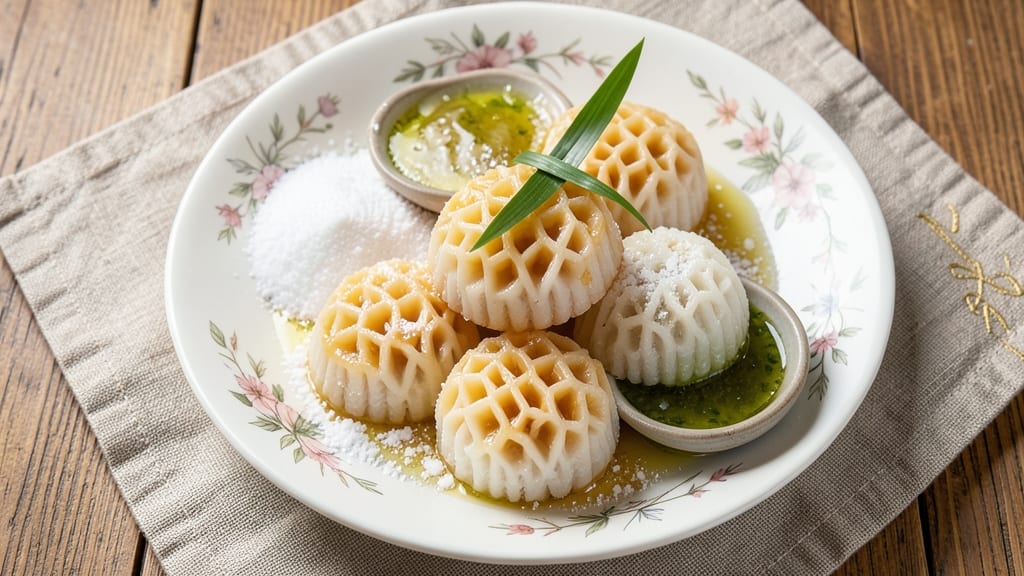
This Chinese white honeycomb rice cake recipe transforms simple glutinous rice flour into delicate, steamed clouds with a signature crispy honeycomb texture. The secret lies in precise steaming techniques that create those iconic air pockets, resulting in a dessert that's both visually stunning and irresistibly tender.
Perfect for Lunar New Year celebrations, these cakes symbolize prosperity and good fortune.
With just four core ingredients—glutinous rice flour, sugar, water, and a touch of pandan extract—you'll achieve restaurant-quality results at home. The process involves layering the batter in a steamer to create those signature honeycomb patterns, then glazing with coconut syrup for added sweetness.
Each bite offers a satisfying contrast between the crisp exterior and soft interior, making it a dessert worth mastering.
Ingredients for chinese white honeycomb rice cake
Four core ingredients transform into ethereal honeycomb clouds with crisp edges and tender centers.
| Ingredient | Amount | Notes |
|---|---|---|
| Glutinous Rice Flour 🍚 | 2 cups | High-quality, fine-milled preferred |
| Granulated White Sugar 🍬 | 1 ½ cups | Fine grain for smooth batter |
| Pandan Extract 🌿 | ½ tsp | Pure, food-grade extract |
| Distilled Water 💧 | 1 ½ cups | Room temperature preferred |
| Coconut Syrup 🥥 | ½ cup | For glaze, or substitute honey |
| Vegetable Oil 🫒 | 1 tbsp | Lightly grease steamer basket |
| Diamond Crystal Kosher Salt 🧂 | ¼ tsp | Fine grain for delicate seasoning |
| Cornstarch 🌾 | 1 tbsp | For dusting honeycomb surface |
| Lemon Zest 🍋 | ½ tsp | Optional, for subtle brightness |
The glutinous rice flour is non-negotiable—Bob's Red Mill brand yields the best texture, but any high-quality brand works. Look for fine-milled flour to avoid gritty cakes. Pandan extract should be pure and food-grade—avoid artificial versions that can overpower the delicate flavor. For sugar, fine granulated (like Domino) dissolves smoothly, preventing lumps. The coconut syrup can be swapped for honey if preferred, though it adds a distinct floral note. Room-temperature water ensures even batter consistency, preventing clumps during mixing.
No pandan extract? Vanilla extract at half the amount works in a pinch, though the floral profile differs. Substituting almond extract risks overpowering the delicate rice flavor. For the glaze, maple syrup creates a similar caramelized finish but with earthier undertones. Cornstarch is critical for dusting—Arrowhead brand is ideal for its fine texture. If using honey, ensure it's raw and unfiltered for optimal flavor. Lemon zest adds brightness but can be omitted entirely without compromising the classic texture. The vegetable oil should be light and neutral—avoid coconut oil, which can impart unwanted flavors.
Store unfrosted cakes in an airtight container at room temperature for up to 3 days, though they're best enjoyed fresh. Frosted versions keep for 2 days in the fridge. For longer storage, freeze unfrosted cakes for up to 1 month—thaw at room temperature before glazing. Reheat briefly in a steamer for 10 seconds to restore crispness if stored longer than a day. Portion into individual servings before freezing to maintain texture integrity.
Why You'll Love This Recipe
- No-Fuss Steaming: Mix, pour, steam—done. Honestly, the hardest part is waiting for the water to boil. No rolling, no shaping, just a simple pan and 20 minutes later, you’ve got golden-edged perfection.
- Pandan-Coconut Magic: That floral pandan extract and coconut syrup? It’s like a tropical vacation in every bite. Sweet but not cloying, with a hint of vanilla warmth—my kids fight over the last piece.
- Stealth Meal Prep: Slice them cold for breakfast, pack them in lunches, or serve them warm with tea. Between us, they’re my go-to for lazy mornings or last-minute gifts (yes, even on a Tuesday night).
- Budget Stretch: A bag of glutinous rice flour and sugar lasts forever, and these cakes keep for weeks in the fridge. I make a batch, freeze extras, and suddenly I’ve got dessert covered for months—without breaking the bank.
Step-by-step instructions for Chinese white honeycomb rice cake
A delicate balance of science and technique transforms these simple ingredients into ethereal honeycomb clouds.
Whisk Batter to Perfect Consistency
In a large mixing bowl, combine the 2 cups glutinous rice flour with the 1.5 cups granulated white sugar, 0.5 tsp pandan extract, and 0.25 tsp diamond crystal kosher salt. Whisk vigorously until no dry spots remain—the batter should resemble thick pancake batter with a smooth, velvety texture.
Gradually add the 1.5 cups distilled water while whisking continuously. The mixture will become progressively thinner but should still cling slightly to the whisk. This is critical: the batter must be smooth enough to flow freely yet thick enough to hold its shape when steamed. If it's too thin, the honeycomb won't form properly.
Incorporate Oil and Prepare for Steaming
Slowly drizzle in the 1 tbsp vegetable oil while whisking gently to prevent lumps. The oil prevents the batter from sticking to the steamer and creates those signature air pockets that form the honeycomb structure. Lightly grease your steamer basket with a small amount of oil as well—this ensures even release when unmolding.
Transfer the batter to a heatproof pitcher or bowl that fits comfortably in your steamer. Cover with plastic wrap and let it rest for 15 minutes at room temperature. This brief rest period allows the ingredients to fully hydrate and the batter to reach an optimal temperature for steaming.
Steam to Delicate Perfection
Bring a large pot of water to a rolling boil over medium-high heat. Place the steamer basket inside and add the pitcher of batter. Steam for exactly 15 minutes—no more, no less. The cake should rise slowly, forming a domed shape with a smooth, slightly translucent surface. Do not lift the lid during steaming; the sudden temperature change can collapse the structure.
You'll know it's ready when the surface appears set but still slightly jiggly in the center. The edges should pull away cleanly from the pitcher, revealing a delicate, lace-like pattern forming at the base. This is the moment when the honeycomb structure begins to develop—patience is essential here.
Create the Honeycomb Pattern
Remove the cake from the steamer and carefully invert it onto a clean, flat surface dusted with 1 tbsp cornstarch. Gently tap the bottom to release any air pockets. Using a sharp, thin knife or offset spatula, make shallow, crisscross cuts about ¼ inch deep across the surface in a diamond pattern.
Immediately brush the entire surface with the 0.5 cup coconut syrup (or honey substitute) using a pastry brush. The syrup should pool in the cuts you've made. This is where the magic happens: as the syrup caramelizes, it creates those signature honeycomb pockets that give this dessert its name. Work quickly—you have about 2 minutes before the syrup starts to set.
Set and Serve with Elegance
Let the cake cool completely at room temperature for 1 hour, protected from drafts. The contrast between the warm, caramelized honeycomb surface and the cool, delicate interior creates the perfect textural experience. For an optional brightness, sprinkle the 0.5 tsp lemon zest over the top just before serving.
Slice with a hot, clean knife for clean edges and serve immediately. Each piece should reveal that stunning honeycomb pattern inside, with a delicate crunch that gives way to a soft, sweet center. The pandan extract infuses a subtle floral aroma that complements the coconut syrup's richness perfectly.
Pro Tips For Making Chinese White Honeycomb Rice Cake
- STEAM ON HIGH: I learned this the hard way—your rice cake needs a screaming-hot steam bath. If you’re using a bamboo steamer, fill the pot with 2 inches of boiling water first, then bring it to a full boil before adding the cake. The first 10 minutes at this temperature set the texture; any less, and you’ll end up with a dense, gummy mess instead of that signature honeycomb.
- SIFT THE FLOUR: Skip the clumps, or your cake will turn out lumpy no matter how much you fold. Use a fine-mesh sieve to sift the glutinous rice flour directly into your mixing bowl—twice if you’re feeling paranoid. The finer the batter, the lighter and airier the final texture. (Yes, even if you’re impatient like me.)
- DON’T RUSH THE REST: Your batter will look too thick to handle, but resist the urge to steam it immediately. Let it sit covered at room temperature for at least 30 minutes—this lets the pandan and coconut syrup fully dissolve into the flour. I used to steam it straight away, and the flavor always felt uneven. Patience here = better aroma and texture.
- SWAP SYRUP FOR MELT: Short on coconut syrup? Melt 2 tablespoons of granulated sugar with 1 tablespoon of distilled water in a small saucepan until it turns into a light amber syrup, then cool it down. It’s not identical, but it’ll give you that same sticky-sweet depth without hunting for specialty ingredients. (Your future self will thank you.)
Pro cooking tips for great chinese white honeycomb rice cake
Steam Mastery
The key to perfect honeycomb texture lies in precise steaming control. Use a bamboo steamer with a tight-fitting lid to maintain even heat distribution—I recommend the OXO Good Grips brand for its stability.
Fill the pot with 2-3 inches of water and bring to a rolling boil before placing the steamer inside. The water should never touch the bottom of the steamer basket. 🌡️
Steam at medium-high heat for exactly 15 minutes—no peeking! The sudden temperature drop from lifting the lid can collapse the delicate structure. If your kitchen gets drafty, add a lightweight aluminum foil tent over the steamer to trap steam and create a more controlled environment.
I've ruined multiple batches by opening the lid too soon—patience is absolutely essential here.
Batter Consistency
Your batter should be smooth, thick, and slightly sticky—like well-made pancake batter. If it's too thin, the honeycomb won't form properly. Test consistency by dipping a spoon in: the batter should slowly drip off rather than run freely.
For extra insurance, I recommend using a digital kitchen scale to measure the flour by weight (250g) rather than volume, as packing can vary. 🍴
If your batter separates or looks grainy, strain it through a fine-mesh sieve before steaming. This removes any lumps that could disrupt the honeycomb pattern. Remember, the oil is your secret weapon—it creates those signature air pockets when properly incorporated.
Don't skip the 15-minute rest before steaming, as this allows the gluten to relax and the batter to reach optimal temperature.
Honeycomb Cuts
The diamond pattern cuts are what create those signature honeycomb pockets. Use a sharp, thin-bladed knife (I prefer a Japanese sushi knife) to make ¼-inch deep cuts at 45-degree angles.
The cuts should be shallow but precise—too deep and you'll compromise the structure, too shallow and the syrup won't pool properly. Work quickly after removing from the steamer while the surface is still warm and pliable. ⏱️
For even distribution, make two perpendicular sets of cuts—first in one direction, then rotate the cake 45 degrees and cut again. This creates the classic crisscross pattern.
The cuts should be about ½ inch apart to allow proper syrup distribution. If you're nervous about freehand cutting, use a pastry wheel for more consistent results.
Syrup Application
Use a high-quality pastry brush (I love the West Bend brand) to apply the coconut syrup immediately after cutting. The syrup should pool in the cuts but not run off the sides. Work in quick, even strokes—don't linger on any one spot.
For extra caramelization, I recommend using coconut sugar syrup instead of regular coconut syrup, as it develops deeper flavor notes when heated. 🥥
If your syrup is too thick, thin it with 1 tsp water before brushing. The goal is to create a glossy, even coating that will caramelize beautifully. For a nutty flavor, add ½ tsp toasted sesame oil to the syrup mixture before applying.
This subtle addition pairs beautifully with the pandan's floral notes and adds another layer of complexity to the dessert.
Nutrition facts
Frequently asked questions
Why does my honeycomb rice cake collapse after steaming?
The most common causes are opening the steamer too early or uneven heat distribution. Always steam for exactly 15 minutes at medium-high heat without peeking. Use a bamboo steamer with a tight lid and ensure your pot has 2-3 inches of water—never let it touch the basket. For drafty kitchens, cover with aluminum foil to trap steam.
Can I make this recipe without pandan extract?
Yes! Use ½ tsp vanilla extract as a substitute, though the floral profile will differ slightly. For a more authentic taste, try ½ tsp toasted coconut flakes infused in warm water (steep 1 tbsp coconut in ¼ cup water for 10 minutes, then strain). The coconut flavor pairs beautifully with the honeycomb texture.
How do I get the perfect honeycomb pattern?
The secret lies in precise cutting and timing. Make ¼-inch deep cuts in a diamond pattern using a sharp knife while the cake is still warm. Apply coconut syrup immediately—it needs 2 minutes to caramelize in the cuts. For extra definition, chill the cake for 10 minutes before cutting to firm up the edges.
Can I bake this instead of steaming?
No—steaming is essential for the delicate honeycomb texture. Baking would dry out the cake and prevent those signature air pockets from forming. If you don't have a steamer, use a heatproof pitcher placed in a pot of simmering water (not boiling) with a tight lid. The steam must be gentle and controlled for perfect results.
What's the best way to store leftover rice cakes?
Store unfrosted cakes in an airtight container at room temperature for up to 3 days. For longer storage, freeze unfrosted cakes for 1 month. To refresh texture, steam for 10 seconds or dust with cornstarch before serving. Never refrigerate unfrosted cakes—they absorb moisture and lose crispness.