
Main Courses
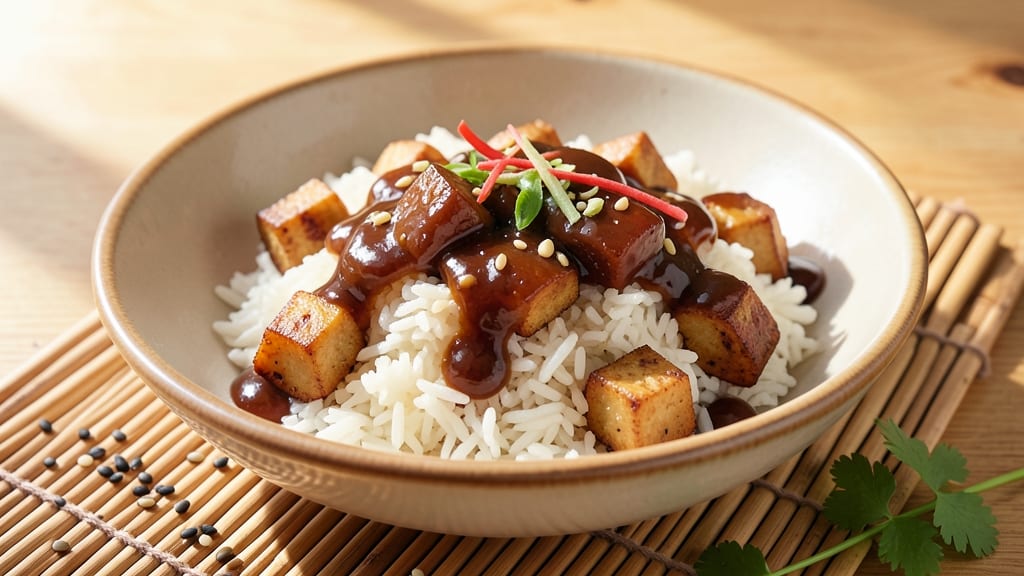
This Chinese yam and jasmine rice recipe transforms simple ingredients into a fragrant, hearty bowl that feels like a warm embrace after a long day. The secret lies in perfectly tender yams caramelized with soy and ginger, paired with fragrant jasmine rice that soaks up every savory note.
I developed this dish to capture the comforting essence of home-style Chinese cooking—where each bite delivers both texture and depth.
The dish begins with yams simmered until fork-tender, their natural sweetness balanced by a touch of umami from soy sauce and a hint of garlic. Meanwhile, jasmine rice steams to fluffy perfection, its delicate floral aroma complementing the earthy yams.
Together, they create a harmonious bowl that’s satisfying yet light—ideal for weeknight dinners or meal prep. The key is timing: let the yams soften just enough to melt in your mouth while keeping the rice pillowy and separate.
Ingredients for chinese yam rice
Twelve simple ingredients transform into a fragrant, comforting bowl of Chinese yam and jasmine rice.
| Ingredient | Amount | Notes |
|---|---|---|
| Chinese Yam (Mountain Yam) 🍠 | 1 ½ lb | Peeled, cut into 1-inch cubes |
| Jasmine Rice 🍚 | 1 ½ cups | Uncooked, long-grain preferred |
| Low-Sodium Soy Sauce 🥄 | ½ cup | For umami depth |
| Fresh Ginger 🌿 | 2 tbsp | Finely grated, aromatic |
| Garlic Cloves 🧄 | 4 cloves | Minced for aromatic base |
| Vegetable Oil 🫒 | 2 tbsp | High smoke point preferred |
| Sesame Oil 🫒 | 1 tbsp | Toasted, for finishing |
| White Pepper 🌶️ | ½ tsp | Freshly ground for warmth |
| Green Onion 🧅 | 3 whole | Thinly sliced, for garnish |
| Sesame Seeds 🌾 | 1 tbsp | Toasted for crunch |
| Water 💧 | 3 cups | For rice steaming |
| Brown Sugar 🍯 | 1 tbsp | Lightly packed, balances flavors |
The yam is the heart of this dish—look for firm, unblemished tubers at Asian markets or specialty grocery stores like H Mart or 99 Ranch. Their natural sweetness caramelizes beautifully when simmered with soy and ginger. For the rice, jasmine rice from Thailand delivers that signature floral aroma, but any long-grain white rice works in a pinch. Fresh ginger and garlic should be vibrant and aromatic; if your ginger feels soft or smells weak, it's past its prime. The soy sauce makes all the difference—low-sodium versions prevent overpowering the delicate yam flavor.
No sesame oil? Toasted peanut oil works in a bind, though it lacks that nutty aroma. Substitute dried ginger at half the amount if fresh isn't available, but you'll lose some depth. For the brown sugar, coconut sugar or even a touch of maple syrup can stand in. If you're short on time, pre-cut the yam and store it in water in the fridge for up to 2 days. The sesame seeds can be swapped for crushed peanuts if you're avoiding gluten, though they won't toast in the same way. For extra umami, a splash of mushroom broth in the yam simmering elevates the dish without changing its essence.
This dish reheats beautifully—cover with a damp paper towel to keep the rice moist. Store leftovers in airtight containers for 4-5 days in the fridge, though the yams tend to soften further overnight. For meal prep, cook the yam and rice separately, then combine before serving to maintain texture. The flavors actually deepen after 24 hours of resting, making it perfect for lunches. Freeze portions without the sesame oil or garnishes for up to 3 months—just add fresh toppings when reheating.
Why You'll Love This Recipe
- One-Pot Magic: I swear by this recipe when I’m too tired to wash dishes. Toss the yam chunks, rice, and aromatics into one pot with water—no fancy layers, no stress. The yam softens into that perfect starchy bite while the rice absorbs the ginger-garlic-soy broth like a sponge.
- Umami Bomb: That low-sodium soy sauce? It’s the secret weapon here. The yam soaks up the salty depth, balancing the fresh ginger’s zing and garlic’s punch—like a hug in a bowl. Honestly, the first time I tasted it, I texted my mom: "This is the rice I grew up with, but better."
- Lunchbox Hero: Between us, this is my go-to for meal prep. The yam stays firm enough to hold its shape when cold, and the rice? Always fluffy. Pack a container on Mondays, reheat with a splash of water, and you’ve got a satisfying lunch that doesn’t taste like yesterday’s leftovers.
- Budget Stretch: A single yam and a bag of jasmine rice feed my family for three meals—no fancy ingredients, just smart flavor. I’ll be real: I buy the cheapest soy sauce and fresh ginger in bulk, and this dish still feels like a treat. (Yes, even on a Tuesday night.)
Step-by-step instructions for Chinese yam and jasmine rice
This method delivers perfectly balanced textures and aromatic depth every time.
Prepare the Chinese Yam and Seasoning Base
Peel the 1.5 lb Chinese Yam (Mountain Yam) and cut it into uniform 1-inch cubes. The yam should be completely submerged in cold water for 10 minutes to remove any residual starch - this prevents the rice from becoming gummy. Drain thoroughly after soaking.
In a small bowl, combine the 0.5 cup low-sodium soy sauce, 1 tbsp brown sugar, 2 tbsp finely grated fresh ginger, and 4 minced garlic cloves. Mix well to create the flavor base. This marinade will infuse the yam with umami and aromatic complexity while balancing the natural sweetness of the vegetable.
Parboil the Chinese Yam
In a large pot, bring 3 cups of water to a rolling boil over high heat. Add the prepared Chinese Yam cubes and cook for exactly 8 minutes until they begin to soften but remain slightly firm to the touch. This partial cooking prevents the yam from becoming mushy during the final steaming process.
Drain the yam immediately and transfer it to a large mixing bowl. Pour the soy sauce marinade over the hot yam and toss gently to coat evenly. Let it sit for 5 minutes while you prepare the rice - this allows the flavors to penetrate the yam's surface.
Cook the Jasmine Rice
Rinse the 1.5 cups jasmine rice under cold water until the water runs clear, then drain in a fine-mesh strainer. This removes excess starch that would otherwise make the rice sticky. In a clean rice cooker or heavy-bottomed pot, combine the drained rice with 3 cups fresh water and bring to a boil over medium-high heat.
Once boiling, reduce heat to low, cover tightly, and simmer for 15 minutes. Avoid lifting the lid during cooking as this releases steam and affects the rice texture. The rice should absorb all the water and develop a fragrant aroma - this indicates proper cooking.
Combine and Steam Together
Heat 2 tbsp vegetable oil in a wok or large skillet over medium heat. Add the marinated Chinese Yam and cook for 3 minutes until lightly browned on all sides. This step enhances the yam's caramelization while maintaining its texture.
Transfer the cooked yam to the rice cooker along with any accumulated juices. Gently fold the yam into the cooked rice using a spatula, being careful not to break the grains. The combination should look like a speckled rice-yam blend with visible yam pieces throughout.
Finish and Serve
Drizzle the entire mixture with 1 tbsp toasted sesame oil and sprinkle with 0.5 tsp freshly ground white pepper. Gently toss to distribute the oil and pepper evenly. The dish should now have a glossy sheen from the sesame oil and a subtle peppery warmth.
Transfer to a serving dish and garnish with thinly sliced green onion and toasted sesame seeds. Serve immediately while the rice maintains its perfect texture and the yam remains tender yet firm. Each bite should deliver a harmonious balance of fragrant rice, sweet yam, and savory soy notes.
Pro Tips For Making Chinese Yam Rice
- SOAK THE YAM FIRST: Skip the raw, starchy bite by slicing the Chinese yam thin (¼-inch or less) and soaking it in cold water for 20 minutes—changes everything. I learned this the hard way after serving a batch where the yam tasted like glue. Drain and pat dry before cooking.
- STIR-FRY GINGER-GARLIC LAST: Save the raw ginger and garlic until the very end—toss them in with the soy sauce just before turning off the heat. This keeps their bright, sharp flavors from cooking out while the yam absorbs the sauce. Sounds simple, but I used to add them too early and ended up with muted flavors.
- USE LESS SOY SAUCE: Start with 1 tablespoon low-sodium soy sauce, not the 2-3 you might grab automatically. You can always add more, but you can’t undo the salt if the yam turns mushy. Taste as you go—this dish is forgiving, but balance matters.
- PRESS THE RICE DOWN: After cooking the yam and rice together, press the mixture firmly into the pan with a spatula for 30 seconds. This creates a slightly crispy, caramelized layer at the bottom that makes the dish taste restaurant-quality. Yes, it looks weird, but it works—trust me.
Wine and beer pairings for these flavors
Light White Wine
For this fragrant dish, I always reach for a crisp Fujian Juhua white wine from China—its delicate floral notes mirror the jasmine rice while its subtle sweetness complements the caramelized yam. A Riesling from Germany's Mosel region works beautifully too, especially if it's off-dry with hints of peach.
The acidity cuts through the dish's richness without overpowering the natural sweetness of the yams. 🍷
Dry Riesling
If you prefer a drier option, a German Spätlese Riesling from the Rheingau region brings bright citrus and mineral notes that refresh your palate between bites. The wine's natural acidity balances the soy sauce's umami, while its slight sweetness lingers to harmonize with the brown sugar in the yam marinade.
I keep a bottle of Dr. Loosen Blue Slate on hand specifically for Asian-inspired dishes.
Light Beer Pairings
For beer lovers, a Japanese junmai sake or a crisp pilsner like Sapporo provides the perfect light contrast. The subtle malt sweetness in junmai complements the yam's natural sugars, while the clean finish of pilsner cleanses the palate between bites. Avoid heavy lagers or stouts—they'll overpower the dish's delicate aromatics.
Garnish with Garnish
Here's a pro tip: Add a few drops of yuzu juice to your wine or beer just before serving. The citrusy brightness enhances the dish's overall freshness and creates a beautiful visual contrast with the dish's golden hues.
I like to serve this with a small side of pickled ginger to cut through the richness—it's a classic pairing that elevates the meal.
Non-Alcoholic Options
Don't drink alcohol? No problem. A sparkling yuzu soda or even a well-chilled jasmine tea with a hint of honey works wonderfully. For something more substantial, try a green tea-infused iced tea—the earthy notes complement the dish's savory-sweet profile beautifully.
I often make this by steeping Japanese sencha with a touch of honey and serving it over ice.
Nutrition facts
Frequently asked questions
What's the difference between Chinese yam and regular yams?
Chinese yam (also called Mountain Yam) has a firmer texture and milder, slightly sweet flavor compared to regular sweet potatoes or yams. It holds its shape better when cooked, making it perfect for this dish. Regular yams tend to be softer and sweeter, which would make the rice too mushy.
Can I substitute jasmine rice with another type?
Yes, but expect different textures. Basmati rice works well for a nuttier flavor, though it may be slightly less fragrant. For a quicker option, use instant rice, but it won't have the same aromatic quality. The key is long-grain rice—avoid short-grain varieties like sushi rice, which would be too sticky.
Why does the recipe call for parboiling the yam?
Parboiling for 8 minutes ensures the yam softens evenly without turning to mush when combined with the rice. This step prevents the dish from becoming a gummy rice-yam mash while still letting the flavors meld perfectly. Skipping this step often leads to overcooked, mushy yams in the final dish.
How do I know when the jasmine rice is done?
The rice is perfect when all water is absorbed and it develops a fragrant aroma (about 15 minutes). Press a grain between your fingers—it should be tender but still slightly firm with a slight resistance. If it's crunchy, it needs more time; if it's mushy, it's overcooked.
Can I make this dish ahead of time?
Cook the yam and rice separately, then combine just before serving to maintain texture. Store components in airtight containers for 4-5 days in the fridge. Reheat gently with a splash of water to restore moisture. The flavors actually deepen overnight, making leftovers even more delicious!