
Main Courses
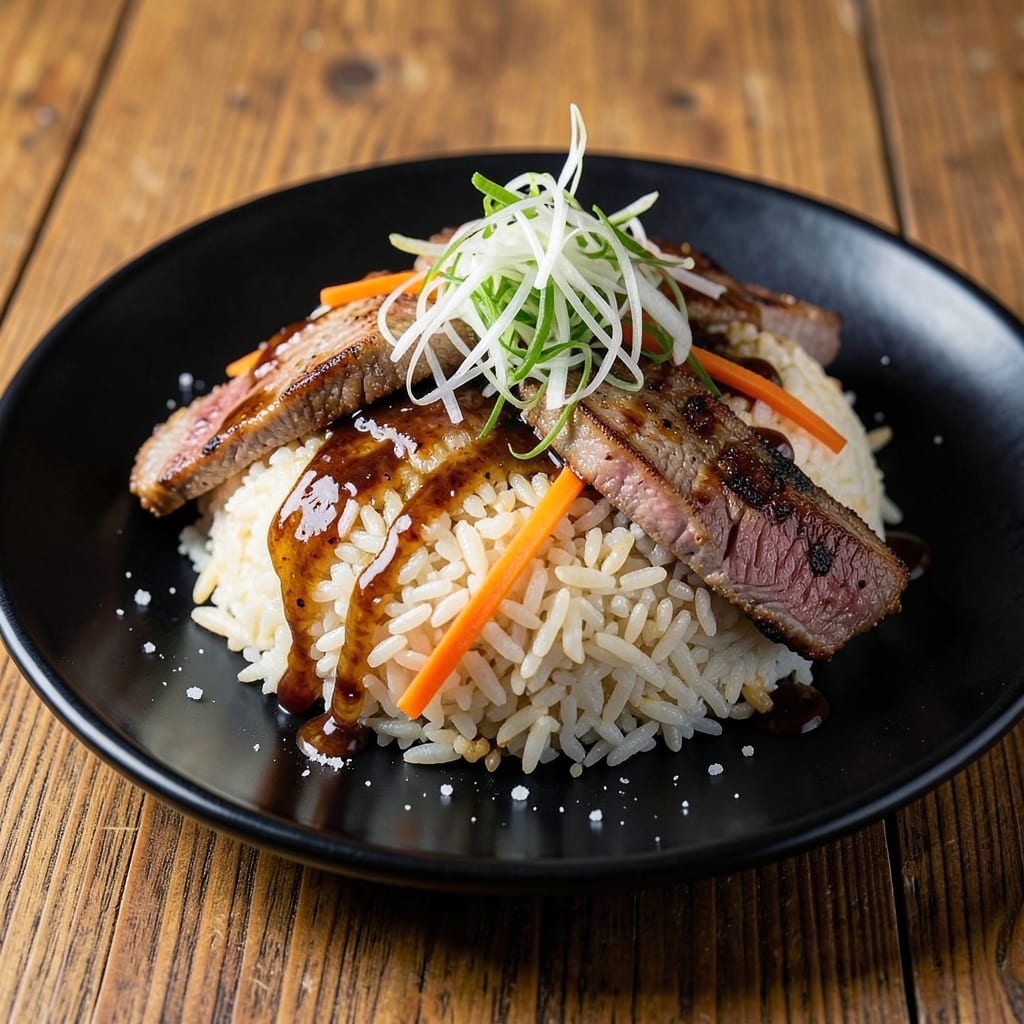
This A1 Japanese steakhouse fried rice delivers the bold, caramelized beef bites and umami-packed sauce you crave from your favorite restaurant. The secret lies in perfectly caramelized beef, wok-hei flavor, and that signature A1 Steak Sauce that ties everything together. I've recreated this dish after countless attempts to capture the restaurant's signature texture and depth—now you can make it at home with the same restaurant-quality results.
The foundation starts with day-old, cold jasmine rice that absorbs flavors beautifully while maintaining its texture. Thinly sliced beef gets marinated in a mix of soy sauce, mirin, and sugar, then caramelized in a hot wok until it develops those coveted browned edges. The wok-hei technique—high heat and constant tossing—creates that signature smoky aroma that makes this dish irresistible.
What you'll end up with is a fragrant, wok-tossed fried rice packed with tender beef bites, crisp vegetables, and a glossy sauce that coats every grain. The umami bomb comes from the A1 Steak Sauce, which adds that rich, slightly sweet depth that defines Japanese steakhouse fried rice. Each bite delivers perfect balance—savory, slightly sweet, and smoky all at once.
Serve this as a hearty main dish or pair it with miso soup and edamame for a complete meal. The recipe scales easily, so it's perfect for feeding a crowd or meal prepping for the week. Let's get cooking!
Ingredients for a1 japanese steakhouse fried rice
Pantry staples meet restaurant-quality beef for this umami-packed fried rice.
| Ingredient | Amount | Notes |
|---|---|---|
| Day-Old Jasmine Rice 🍚 | 4 cups | Cold from fridge for best texture |
| Ribeye Steak 🥩 | 1 lb | Thinly sliced against grain |
| A1 Steak Sauce 🍶 | ½ cup | Original bottle for authentic flavor |
| Soy Sauce 🥢 | ¼ cup | Japanese-style preferred |
| Mirin 🍶 | 2 tbsp | Sweet rice wine for depth |
| Granulated Sugar 🍚 | 1 tbsp | White sugar for caramelization |
| Vegetable Oil 🫒 | ¼ cup | High smoke point for wok |
| Eggs 🥚 | 2 whole | Scrambled for texture |
| Carrots 🥕 | 1 cup | Julienned for even cooking |
| Green Onions 🧅 | ½ cup | Sliced thin for garnish |
| Sesame Oil 🫒 | 1 tbsp | Toasted for aroma |
| Garlic Cloves 🧄 | 3 cloves | Minced for flavor base |
| Salt 🧂 | 1 tsp | Kosher salt for seasoning |
| Black Pepper 🌶️ | ½ tsp | Freshly ground for heat |
The beef is everything here—ribeye gives you that rich, caramelized flavor. Ask your butcher to slice it thinly against the grain (about 1/8-inch thick), or use a meat slicer if you're ambitious. I grab mine from Whole Foods or Costco—they usually have pre-sliced beef for stir-fry. If you can't find ribeye, sirloin or flank steak works too, but ribeye has that extra marbling that makes it sing. The A1 sauce? Don't skimp on the original bottle—the knockoffs just don't cut it. Look for it in the Asian aisle or order online if your store doesn't carry it.
No mirin? Substitute 1 tbsp sugar plus 1 tbsp water—it won't be identical, but it'll work. Fresh carrots are ideal, but frozen julienned carrots (thawed and drained) save time. The green onions can be swapped for regular onions if that's what you've got, but the mild flavor lets them shine. For the eggs, scrambled just until set—they should be soft and slightly runny, not fully cooked. The garlic? Toast it in the oil first—that releases the sweetness and deepens the flavor. And if you're worried about the rice being too dry, add 1-2 tbsp water while frying.
This dish tastes even better the next day—make a double batch and portion it out for lunches. Keeps for 3-4 days in the fridge, or freeze for up to 3 months. Reheat in a wok or skillet with a splash of water to revive the crispiness. Pro tip: Use a cast-iron skillet or wok for that authentic wok-hei flavor. If you don't have one, a heavy-bottomed stainless steel pan works too—just make sure it's hot before adding the oil.
Why You'll Love This Recipe
- Steakhouse Leftovers Hack: I swear by using day-old Jasmine rice—it’s already dry, so no waiting for grains to separate. Just toss in leftover ribeye (or even cheaper cuts) and a splash of A1 sauce, and you’ve got a restaurant-quality meal without the fuss.
- Umami Bomb Combo: That A1 steak sauce and mirin? Absolute magic. The deep caramelized notes from the sauce cut through the richness of the steak, while the mirin adds this bright, almost buttery sweetness. It’s the kind of flavor that makes you want to eat it straight from the pan.
- Crowd-Pleaser Flex: This works for game nights, lazy Sundays, or even a fancy-ish dinner when you’ve got friends over. Swap in shrimp or veggies if you’re feeling adventurous, but honestly? The steak and rice combo is foolproof—everyone’s happy, and no one’s complaining.
- Budget Steak Night: I’ve made this with $10 ribeyes and it still tastes like a splurge. The A1 sauce stretches the flavor, and you’re using up rice that would otherwise go stale. Plus, leftovers reheat like a dream—just a quick stir and it’s back to that crispy, saucy goodness.
Step-by-step instructions for A1 Japanese steakhouse fried rice
Here's how to recreate that iconic umami punch from Japanese steakhouses right in your kitchen.
Prep the Ingredients for Perfect Texture
Start by slicing the 1 lb ribeye steak thinly against the grain—this ensures tender bites that cook quickly in the wok. I like to slice it into ¼-inch thick strips and set it aside. Next, julienne the 1 cup carrots into thin matchsticks so they cook evenly and don't turn mushy. Thinly slice the 0.5 cup green onions, separating the whites and greens for garnish later.
Crack the 2 whole eggs into a bowl and whisk lightly—just until the yolks and whites are combined, but don't overbeat or you'll end up with scrambled eggs instead of silky ribbons. Minced the 3 cloves garlic and measure out all your sauces: 0.5 cup A1 steak sauce, 0.25 cup soy sauce, 2 tbsp mirin, and 1 tbsp granulated sugar. The day-old rice is your canvas—make sure it's cold from the fridge for best texture.
Create the Umami Sauce Base
Heat a wok or large skillet over medium-high heat and add the 0.25 cup vegetable oil. Once the oil shimmers (about 1 minute), add the minced garlic and stir for 30 seconds until fragrant—don't let it brown or it'll turn bitter. Pour in the soy sauce, mirin, and granulated sugar, stirring constantly for 1 minute until the sugar dissolves. This creates your flavor foundation.
Lower the heat to medium and add the A1 steak sauce, stirring to combine. The sauce should coat the back of a spoon but still be pourable. Taste it now—it should be rich and slightly sweet with a deep umami flavor. If it needs more depth, add a splash of water to thin it slightly. Keep this sauce warm while you prep the rest.
Cook the Beef for Maximum Flavor
Increase the heat back to medium-high and add the sliced ribeye steak in a single layer. Let it sear undisturbed for 1-2 minutes until the edges turn golden brown—this builds that caramelized crust we want. Stir the beef gently and cook for another 1-2 minutes until it's just cooked through but still tender. Remove the beef and set it aside temporarily.
Here's the thing—don't overcook the beef. It'll finish cooking when mixed with the rice, and overcooked meat turns tough. You want those golden, slightly crispy edges that melt in your mouth. If the beef releases easily from the wok, it's ready. If not, give it another 30 seconds at most.
Scramble the Eggs Perfectly
With the wok still over medium-high heat, add the 2 whole eggs and let them sit undisturbed for 5 seconds—this creates those beautiful silky ribbons. Then, using a spatula, gently push the eggs from one side of the wok to the other in small sections, folding them as you go. Keep moving the spatula constantly to create soft, creamy curds without overcooking.
Once the eggs are just set (about 30-45 seconds), remove them from the wok and set aside with the beef. The eggs should be tender but not dry—if they're still runny, cook them another 10 seconds. This is the moment that matters: perfectly cooked eggs elevate the entire dish.
Wok-Toss the Fried Rice to Perfection
Add the 4 cups day-old jasmine rice to the wok and break up any clumps with your spatula. Pour the warm umami sauce over the rice and toss vigorously for 1-2 minutes until the rice is evenly coated and heated through. The rice should look glossy and separate—this is where your technique shines.
Add the 1 cup julienned carrots and toss for another 1 minute until they're bright orange and tender-crisp. Now return the beef and eggs to the wok, tossing everything together for 30-60 seconds until well combined. The beef should be heated through, and the eggs should melt into the rice. Finish with the 1 tbsp toasted sesame oil and toss one last time.
Season and Serve Immediately
Taste the fried rice and adjust seasoning with salt and black pepper as needed. It should be rich, savory, and slightly sweet with a deep umami flavor. Garnish with the sliced green onions (whites and greens separated) and serve immediately while hot.
This dish is all about timing—fried rice tastes best straight from the wok when the rice is still warm and the flavors are at their peak. Each bite should deliver tender beef, creamy eggs, sweet carrots, and that unmistakable A1 sauce punch. Enjoy with a side of miso soup or pickled vegetables for a complete Japanese steakhouse experience.
Pro Tips For Making A1 Japanese Steakhouse Fried Rice
- CUT STEAK THIN BEFORE COOKING: Ribeye’s got fat and connective tissue that needs breaking down—slice it against the grain into ¼-inch strips before cooking, not after. I used to throw chunks in and end up with chewy bits even after stir-frying. Thin slices also caramelize faster, so they soak up that A1 sauce better.
- USE COLD RICE (AND SPREAD IT): Day-old rice is your friend, but don’t just dump it in. Spread the cold rice on a tray and microwave it for 30 seconds—this dries the surface slightly so it actually crisps when you stir-fry. Crowd it in the pan, and you’ll get gluey rice. Give it space.
- SAVE THE MIRIN FOR LAST: Mirin’s job is to brighten flavors, not burn. Add it after the rice is mostly cooked, when the pan’s just simmering, not sizzling. I learned this the hard way—once I tossed it in too early and ended up with a bitter, alcohol-heavy mess. A splash at the end keeps it sweet and glossy.
- DON’T SKIP THE SOY REDUCTION: Reduce 1 tablespoon of soy sauce in the pan before adding rice—this concentrates the umami and cuts through the richness of the A1 sauce. I used to just mix it in raw, and the dish tasted flat. A quick 2-minute simmer on high heat makes a world of difference.
Pro cooking tips for this dish
Wok-Hei Mastery
The secret to authentic Japanese steakhouse fried rice lies in achieving wok-hei—that signature smoky aroma from high heat and constant tossing. Heat your cast-iron wok or heavy skillet until it's smoking hot before adding oil. I like to preheat mine over high heat for 5 minutes to build that intense heat. Once you start cooking, keep the wok moving constantly—this creates steam that cooks the rice evenly while keeping it separate and slightly crisp at the edges. 🔥
Beef Caramelization
Caramelizing the beef is where the magic happens—those golden, slightly crispy edges are what make this dish restaurant-quality. After slicing the ribeye against the grain, let it sit in the marinade for 15-20 minutes before cooking. When searing, work in small batches if needed, but never overcrowd the wok. The beef should cook in 1-2 minutes total—any longer and it turns tough. I use a meat thermometer to check for 145°F internal temperature (medium-rare), then finish cooking with the rice.
Egg Ribbon Technique
The eggs are the glue that binds everything together, so nailing their texture is crucial. Crack them directly into the hot wok and let them sit for 5 seconds to set slightly before gently folding them with a spatula. The goal is soft, silky ribbons that melt into the rice. Overcooking turns them rubbery—remove them as soon as they're just set (30-45 seconds total). Pro tip: Use room-temperature eggs for even cooking, and avoid stirring too vigorously or you'll break up the delicate strands.
Sauce Consistency
The sauce should be glossy but pourable—thick enough to coat the rice but thin enough to mix evenly. I start with 0.5 cup A1 Steak Sauce and adjust with water if needed. Taste it before adding to the rice: it should be rich, slightly sweet, and deeply umami. If it's too thick, add 1 tsp water at a time until it reaches the right consistency. The sauce should cling to the rice without making it soggy. A splash of mirin at the end adds that signature Japanese sweetness without overpowering.
Rice Texture Secrets
Day-old, cold rice is non-negotiable—it absorbs flavors better and stays separate during tossing. If you're short on time, cook extra rice the night before and refrigerate it. When frying, break up any clumps with your spatula before adding sauce. The rice should be hot but not mushy—toss it vigorously for 1-2 minutes to create that signature crisp-tender texture. If it starts sticking, add 1 tsp vegetable oil to the wok and toss again. The final dish should have individual grains with a glossy sheen from the sauce.
Final Flavor Boost
Finish with 1 tbsp toasted sesame oil and a final toss to distribute it evenly. This adds a nutty aroma that elevates the dish. Taste and adjust seasoning with salt and black pepper—the A1 sauce is already rich, but sometimes the rice needs a little extra punch. Garnish with green onions (whites and greens separated) for color and freshness. Serve immediately while the rice is still warm and the flavors are at their peak—fried rice loses its magic as it cools. 💫
Nutrition facts
Frequently asked questions
Why does the recipe call for day-old rice?
Day-old, cold rice absorbs flavors better and stays separate during tossing, preventing a mushy texture. Fresh rice releases too much moisture when cooked, making it sticky. Cook extra rice the night before or refrigerate freshly cooked rice for at least 2 hours before using. This is a Japanese fried rice essential!
Can I substitute ribeye with another type of beef?
Yes! Sirloin or flank steak work well as substitutes, but ribeye's marbling gives that extra richness. For best results, slice the meat thinly against the grain (about 1/8-inch thick) to ensure tender bites. If using leaner cuts, marinate for 20-30 minutes to prevent dryness.
How do I achieve that signature wok-hei flavor at home?
Wok-hei comes from high heat and constant tossing. Preheat your cast-iron wok or heavy skillet over high heat for 5 minutes until smoking hot. Use high heat throughout cooking and keep the wok moving constantly to create steam. A carbon steel wok works best, but stainless steel pans also work if properly heated.
What if I don't have A1 Steak Sauce?
You can make a substitute by mixing 0.25 cup soy sauce, 2 tbsp Worcestershire sauce, 1 tbsp oyster sauce, and 1 tbsp brown sugar. While not identical, this blend captures the umami and slight sweetness. For a closer match, add 1 tsp fish sauce and 1 tsp sesame oil to the mix.
Can I make this fried rice ahead of time?
This dish tastes even better the next day! Store leftovers in an airtight container in the fridge for 3-4 days. Reheat in a wok or skillet with a splash of water to revive crispiness. For freezing, portion into single servings and freeze for up to 3 months. Thaw overnight in the fridge before reheating.