
Tips
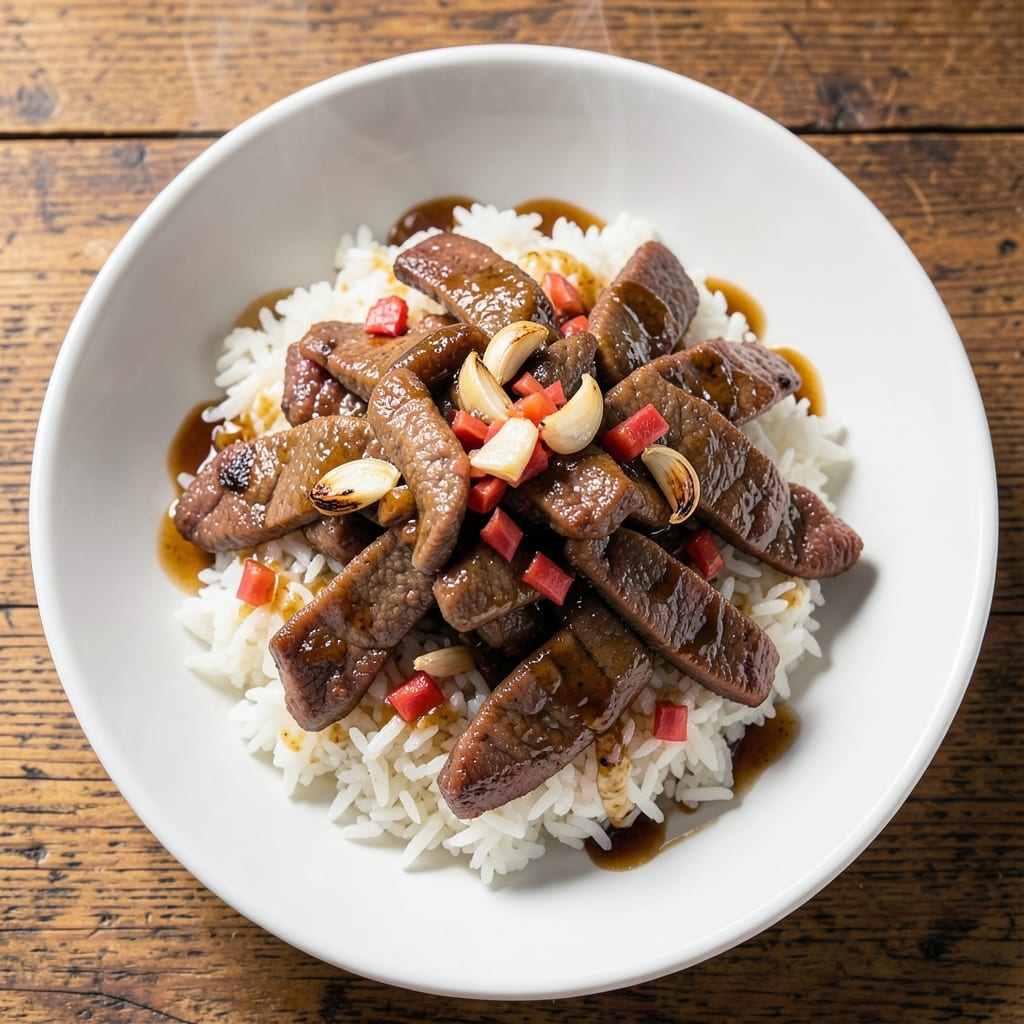
This Asian beef tips and rice recipe delivers restaurant-quality flavor with tender, caramelized beef strips over fragrant jasmine rice—perfect for weeknight dinners or meal prep. The secret lies in a quick soy-ginger marinade that transforms lean beef into umami-rich bites, while high-heat searing creates that signature wok char. I’ve refined this technique over years of testing, ensuring every element comes together in under 30 minutes without sacrificing depth of flavor.
The wok-seared method is key here: thinly sliced beef tips cook fast over high heat, locking in juices while developing a crispy exterior. Paired with fragrant jasmine rice (or a modern twist like coconut rice), this dish balances texture and aroma—each bite offers a harmony of savory, slightly sweet, and herbal notes. The marinade’s ginger and garlic infuse the beef, while a splash of rice vinegar in the final sauce adds brightness that cuts through the richness.
What sets this apart is the versatility—serve it as a standalone meal or pair with steamed greens and a quick cucumber salad. The recipe scales effortlessly, making it ideal for feeding a crowd or prepping lunches for the week. Once you try this method, store-bought beef dishes won’t compare. Let’s get cooking—your taste buds (and leftovers) will thank you.
For extra authenticity, garnish with toasted sesame seeds and sliced green onions, or drizzle with a homemade teriyaki or hoisin sauce for added depth. The rice should be fluffy and slightly sticky, absorbing the beef’s savory juices with every bite. This isn’t just another beef and rice dish—it’s a flavor-packed, foolproof method that delivers restaurant-quality results at home.
Ingredients for asian beef tips and rice
Restaurant-quality Asian beef tips and rice rely on these 14 ingredients for perfect umami balance and wok-seared texture.
| Ingredient | Amount | Notes |
|---|---|---|
| Flank Steak 🥩 | 1 lb | Thinly sliced against grain |
| Jasmine Rice 🍚 | 1 ½ cups | Uncooked, long-grain preferred |
| Low-Sodium Soy Sauce 🍶 | ⅓ cup | Kikkoman preferred |
| Fresh Ginger 🌿 | 2 tbsp | Grated, peeled |
| Garlic Cloves 🧄 | 4 cloves | Minced, fresh preferred |
| Rice Vinegar 🍶 | 1 tbsp | Seasoned preferred |
| Sesame Oil 🫒 | 1 tbsp | Toasted, for aroma |
| Vegetable Oil 🫒 | 2 tbsp | High smoke point |
| Honey 🍯 | 1 tbsp | For balance |
| Cornstarch 🌾 | 1 tbsp | For tenderizing |
| Green Onions 🧅 | 3 whole | Sliced, for garnish |
| Toasted Sesame Seeds 🥜 | 1 tsp | For garnish |
| Diamond Crystal Kosher Salt 🧂 | 1 tsp | For seasoning |
| Freshly Ground Black Pepper 🌶️ | ½ tsp | For seasoning |
The flank steak is non-negotiable—its lean texture and grain direction are ideal for quick cooking. Butcher sections often sell pre-sliced beef tips, but if you're cutting your own, slice against the grain for tenderness. For the best quality, Whole Foods or local Asian markets carry premium cuts. If you can't find flank, sirloin or top round work, but slice thinner. The jasmine rice should be fragrant and slightly sticky when cooked—Lotus Foods brand is my go-to, but any long-grain variety works. For extra flavor, rinse the rice before cooking to remove excess starch.
No low-sodium soy sauce? Regular soy sauce with an extra pinch of salt works, but reduce the salt in the final seasoning. Fresh ginger loses potency quickly, so buy small amounts and grate it fresh—pre-grated ginger from jars is a poor substitute. The sesame oil is purely for aroma; don't cook with it. For a sweeter touch, maple syrup can replace honey, though it alters the balance slightly. If you're prepping ahead, marinate the beef for up to 4 hours—longer than that can make it mushy. The cornstarch is key for that signature wok-seared texture; don't skip it.
This dish reheats beautifully—store leftovers in an airtight container for up to 4 days in the fridge. For longer storage, freeze portions for 3 months. The rice stays best if reheated separately, then mixed with the beef. Garnish with toasted sesame seeds and green onions right before serving to preserve freshness. Double the batch for meal prep; the flavors actually improve overnight as the marinade infuses deeper. Keep the sesame oil and rice vinegar in a cool, dark place to maintain their potency.
Why You'll Love This Recipe
- One-Pan Magic: I swear by this recipe when I’m too tired to wash dishes. The beef and rice cook together in the same skillet—no fancy tools, just a good sear and a splash of soy sauce. My counters stay clear, and my taste buds still get the show.
- Ginger-Garlic Kick: That fresh ginger and garlic combo? It’s the secret weapon. The beef gets tender and packed with flavor, while the rice soaks up the aromatic sauce like a sponge. Honestly, I’ve tried store-bought sauces, but this homemade version wins every time.
- Lunchbox Hero: Between us, this is my go-to for meal prep. Cook a big batch of rice, slice the beef thin, and pack it all up for the week. Cold or reheated, it’s still solid—perfect for lunches or a quick dinner when I’m running late.
- Budget Power Move: Flank steak stretches far, and a single batch feeds four (or my family for two days). The low-sodium soy sauce keeps it healthy without sacrificing taste, and the rice is cheap but makes everything feel special. My wallet and I both approve.
Step-by-step instructions for wok-seared beef tips and jasmine rice
Master this technique for perfectly tender beef tips with a glossy, umami-rich glaze over fragrant rice.
Prep and Marinate the Flank Steak
Slice the 1 lb flank steak thinly against the grain into ¼-inch strips using a sharp chef's knife. This ensures maximum tenderness by shortening the muscle fibers. Transfer the sliced beef to a bowl and add 1 tbsp cornstarch, tossing to coat evenly. The cornstarch creates a delicate crust that helps seal in juices during the quick sear.
In a small bowl, whisk together 0.33 cup low-sodium soy sauce, 1 tbsp rice vinegar, 1 tbsp honey, 2 tbsp grated fresh ginger, 4 minced garlic cloves, 1 tsp diamond crystal kosher salt, and 0.5 tsp freshly ground black pepper. Pour this marinade over the cornstarch-coated beef and toss gently to distribute evenly. Let it marinate for at least 15 minutes—this allows the flavors to penetrate while the cornstarch begins to form a protective barrier.
Cook the Jasmine Rice to Perfection
Rinse 1.5 cups jasmine rice under cold water until the water runs clear, then drain well. In a medium saucepan, combine the rice with 3 cups water and bring to a boil over high heat. Once boiling, reduce heat to low, cover tightly with a lid, and simmer for 15 minutes. This gentle cooking method preserves the rice's delicate texture and prevents mushy grains.
After 15 minutes, turn off the heat and let the rice steam undisturbed for an additional 10 minutes. The residual heat will finish cooking the rice evenly. Fluff the rice gently with a fork before transferring it to a serving dish. Keep the rice covered to maintain moisture until ready to serve—this prevents it from drying out while you cook the beef.
Wok-Sear the Beef Tips to Caramelized Perfection
Heat a wok or large skillet over high heat until smoking hot. Add 2 tbsp vegetable oil and swirl to coat the pan evenly. Working in batches if needed, add the marinated beef strips in a single layer. Let them sear undisturbed for 1-2 minutes until the edges develop a deep golden-brown crust. This high-heat sear locks in juices and builds the foundation for the flavorful glaze.
Once the beef is browned on one side, stir and cook for an additional 1-2 minutes until the strips are cooked through and caramelized. Remove the beef from the wok and set aside. The residual heat in the pan will help create the sauce, so don't wipe out the browned bits—they're packed with flavor. Reduce heat to medium and add 1 tbsp sesame oil, stirring to deglaze the pan and release any stuck-on bits.
Create the Glossy Umami Sauce
Return the seared beef to the wok and pour in the remaining marinade. Stir to combine, then bring the mixture to a simmer over medium-high heat. Let it cook for 2-3 minutes until the sauce thickens slightly and coats the beef evenly. The sauce should glisten with a glossy sheen—this indicates it's reached the perfect consistency for a silky finish.
Taste and adjust seasoning if needed, adding a splash of water or 1 tbsp rice vinegar if the sauce is too thick. The beef is now ready to be served over the fragrant jasmine rice. Garnish each serving with sliced green onions and a sprinkle of toasted sesame seeds for added texture and visual appeal. Serve immediately while the beef is still sizzling hot and the rice is perfectly steamed.
Pro Tips For Making Asian Beef Tips And Rice
- Slice Steak Against the Grain: Flank steak’s tough fibers run diagonally, so cutting perpendicular to them turns chewy bites into tender strips. Grab your sharpest knife and slice before cooking—thin strips (¼-inch) cook faster and stay juicier. I used to wait until after searing, but the meat loses moisture that way, and you’re left with rubbery tips. Do it now, even if it feels like overkill.
- Mince Ginger Like a Chef: Skip the grater and use a microplane or the flat side of your knife to smash the ginger into a paste—no peeling needed. This releases more flavor and blends better into the sauce. I learned this the hard way after straining out stubborn ginger bits that ruined the texture. (Yes, even if you’re impatient like me, take the 30 seconds to do it right.)
- Sear in Two Batches: Crowd the pan, and your beef tips turn soggy before they brown. Use a 12-inch skillet and cook half the strips at a time over medium-high heat until deeply caramelized—about 2 minutes per side. The first batch will teach you the right timing; the second batch will be perfect. Trust me, your future self will notice the difference.
- Deglaze with Soy Sauce Last: After searing, splash in a splash of water or broth first to loosen those browned bits, then add the soy sauce. This prevents the sauce from burning and lets the umami flavors develop properly. I used to dump soy sauce right after searing, and it always tasted flat. The extra step makes a real difference.
Troubleshooting great asian beef tips and rice
Beef Too Tough?
If your beef tips turn out chewy instead of tender, you likely didn’t slice against the grain or didn’t marinate long enough. For next time, slice the flank steak into ¼-inch strips perpendicular to the muscle fibers—this shortens them and makes them more tender. Also, marinate for at least 30 minutes (up to 4 hours for deeper flavor). If you’re short on time, slice the beef thinner (⅛ inch) to ensure faster cooking. 💡
Rice Mushy or Dry?
Jasmine rice can turn out mushy if overcooked or dry if undercooked. For perfect texture, use a 1:2 rice-to-water ratio (like in the recipe) and cook on low heat after boiling. If your rice is still firm after 15 minutes, add 2 tbsp water, cover, and cook 5 more minutes. For extra insurance, let it steam off the heat for 10 minutes—this residual heat finishes cooking it evenly. 🍚
Sauce Too Thin?
A thin sauce usually means the beef released too much liquid during cooking. To fix it, reduce the heat to medium-low after searing and let the sauce simmer uncovered for 3-5 minutes to thicken. If it’s still too runny, mix 1 tsp cornstarch with 1 tbsp water, stir into the sauce, and cook for 1 more minute. For extra richness, add ½ tsp sesame oil at the end. 🍶
Beef Stuck Together?
If your beef tips clump together, it’s likely from overcrowding the pan or not tossing them enough during cooking. Work in small batches (no more than ½ lb at a time) to ensure even searing. Toss the beef frequently with tongs to separate the strips and prevent sticking. A lightly oiled wok or skillet also helps—add ½ tsp vegetable oil between batches if needed. 🔥
Lacking Umami Flavor?
For deeper umami, boost the marinade with 1 tsp fish sauce or ½ tsp MSG (if you use it). Another trick: add 1 tbsp oyster sauce to the final sauce for a richer, more complex flavor. If your soy sauce tastes bland, use dark soy sauce instead—it’s sweeter and adds depth. For an extra kick, finish with ½ tsp chili flakes or a squeeze of lime juice. 🌶️
Sauce Too Salty?
If the sauce tastes overpoweringly salty, balance it with acidity. Stir in 1 tbsp rice vinegar or ½ tsp honey to mellow the saltiness. For a fresh contrast, add 1 tsp lime juice or a pinch of baking soda (it neutralizes salt without altering flavor). If the beef itself is too salty, rinse it briefly under cold water before cooking to remove excess marinade. 💫
Nutrition facts
Frequently asked questions
Can I use a different cut of beef instead of flank steak?
Flank steak is ideal, but sirloin or top round work well too. For best results, slice the meat ¼-inch thick against the grain—this ensures tenderness. If using a tougher cut like round, marinate for 4 hours instead of 15 minutes to maximize flavor penetration.
How do I make this recipe with an air fryer?
Preheat your air fryer to 400°F. Lightly spray the marinated beef with oil and cook in a single layer for 8-10 minutes, shaking halfway. For the sauce, combine the marinade with 1 tsp cornstarch and toss with the cooked beef. Air fry for 2 more minutes to thicken. The rice should be cooked separately on the stovetop.
What are some good rice alternatives?
Jasmine rice is traditional, but brown rice (cook 1:2 ratio, 45 minutes) or coconut rice (cook with coconut milk) add unique flavors. For a quicker option, try microwaveable jasmine rice (follow package instructions). Each variety changes the dish's texture—brown rice adds nuttiness, while coconut rice brings tropical sweetness.
Can I prep this ahead of time for meal prep?
Yes! Marinate the beef for up to 4 hours ahead, then store it in an airtight container in the fridge. Cook the rice separately and store it in another container. Reheat the beef and rice together for 2-3 minutes in a skillet with a splash of water. The flavors actually improve overnight as the marinade infuses deeper.
How do I make this dish spicier?
Add ½ tsp chili flakes or 1 tsp sriracha to the marinade for heat. For extra depth, stir in 1 tbsp chili garlic sauce or ½ tsp gochujang when creating the final sauce. Garnish with sliced jalapeños or red chili crisp for a spicy kick. Balance with a squeeze of lime juice to brighten the flavors.