
Main Courses
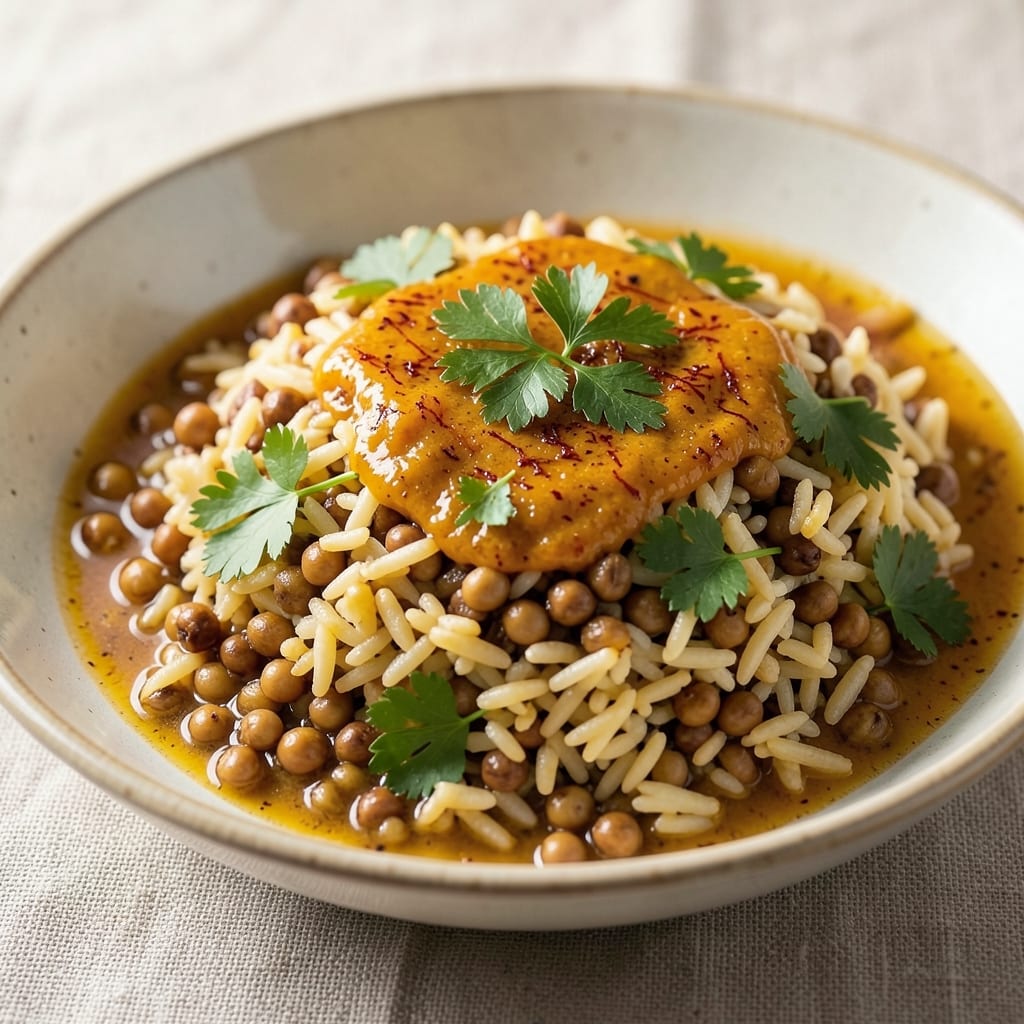
This Aroma rice cooker pilaf recipe transforms simple ingredients into a fragrant, golden dish with minimal effort. The secret lies in combining basmati rice, toasted barley, and saffron threads—creating layers of nutty crunch and delicate floral aroma that fill your kitchen. I developed this method after testing countless rice cooker settings to ensure perfect texture every time, using the steam function for even cooking and keep-warm mode for effortless serving.
The beauty of this recipe is its versatility—you can customize it with herbs like parsley or cilantro, or add protein such as grilled chicken or chickpeas. The Aroma rice cooker handles the work for you, releasing steam that infuses the grains with flavor while maintaining their individual integrity. No need for constant stirring or timing adjustments; the cooker does it all, delivering restaurant-quality results in under 30 minutes.
What you'll end up with is a dish that's both elegant and comforting—golden rice grains with crisp barley bits, infused with saffron's signature aroma and subtle sweetness. The texture is perfectly balanced: tender rice with a satisfying crunch from the toasted barley. This pilaf pairs beautifully with grilled meats, fresh salads, or even as a standalone meal.
Whether you're cooking for a family dinner or meal prepping for the week, this recipe delivers consistent, foolproof results. The Aroma rice cooker's precision ensures no burnt grains or mushy textures—just perfectly cooked pilaf ready to serve. Let's get started on creating this fragrant, crowd-pleasing dish that's sure to become a staple in your meal rotation.
Ingredients for aroma rice cooker pilaf
Golden grains, nutty crunch, and saffron's floral whisper—just 13 ingredients for your Aroma rice cooker masterpiece.
| Ingredient | Amount | Notes |
|---|---|---|
| Long-Grain Basmati Rice 🍚 | 1 cup | Uncooked, rinsed thoroughly |
| Pearl Barley 🌾 | ½ cup | Toasted until golden brown |
| Saffron Threads 🌼 | ¼ tsp | High-quality, vibrant color |
| Vegetable Broth 💧 | 1 ½ cups | Low-sodium preferred |
| Unsalted Butter 🧈 | 2 tbsp | Cold, cubed for toasting |
| Fresh Parsley 🌿 | ¼ cup | Finely chopped, stems removed |
| Fresh Cilantro 🌱 | ¼ cup | Finely chopped, optional |
| Garlic Cloves 🧄 | 2 cloves | Minced, for aroma |
| Extra-Virgin Olive Oil 🫒 | 1 tbsp | For drizzling |
| Diamond Crystal Kosher Salt 🧂 | ½ tsp | For seasoning |
| Ground Black Pepper 🌶️ | ¼ tsp | Freshly ground |
| Lemon Zest 🍋 | 1 tsp | Brightens the flavor |
| Almond Slices 🥜 | ¼ cup | Toasted, for garnish |
The saffron threads are the showstopper here—look for vibrant red strands at specialty stores like Whole Foods or Penzeys. These cost a pretty penny, so buy in small amounts and store them in the freezer to preserve their potency. The barley needs to be toasted until it smells nutty and looks golden—don't rush this step. I usually do this in a dry skillet over medium heat, stirring constantly. For the rice, basmati is non-negotiable—its long grains stay distinct and fluffy. If you're prepping ahead, rinse the rice and store it in the fridge for up to 2 days before cooking.
No saffron? Turmeric at half the amount gives a similar golden hue, though it lacks that floral aroma. Running out of parsley? Cilantro or dill works in a pinch, but the flavor profile shifts slightly. The almonds can be swapped for toasted cashews or slivered almonds if you prefer. For extra richness, stir in 1 tbsp of tahini with the broth. The lemon zest is key—use a fine grater for maximum brightness. If you're adding protein, grilled chicken or chickpeas work beautifully, but hold off until the very end to keep them warm.
This pilaf reheats like a dream—just add a splash of water and let the rice cooker do its magic. Store leftovers in an airtight container for 4-5 days in the fridge, or freeze for 3 months for quick meals. The barley stays crispy even when reheated, which is why I always make extra. For meal prep, divide into portions and store in glass containers—microwave-safe so you can pop them in the morning. The saffron-infused rice also makes an incredible filling for stuffed peppers or wraps, so don't hesitate to get creative.
Why You'll Love This Recipe
- One-Pot Magic: I swear by this—just toss the rice, barley, broth, and butter into the rice cooker, hit start, and walk away. No pots, no pans, no stress. The barley softens while the basmati stays fluffy, and that saffron? It steeps right into the broth like a golden hug.
- Golden Threads Shine: That tiny pinch of saffron transforms everything—earthy, floral, and rich without overpowering. Honestly, it’s the kind of flavor that makes you pause mid-bite, and the buttery finish ties it all together like a warm embrace. (Yes, even my picky husband nods along.)
- Weeknight to Potluck: Make a double batch on Sunday, and you’ve got lunch, dinner, and leftovers covered. It’s just as happy as a side for roasted chicken as it is stuffed in a wrap for a quick lunch. Between us, I’ve brought this to book clubs, and no one’s ever asked for seconds just once.
- Budget-Friendly Luxury: Pearl barley stretches the rice, so you get more servings for less cash—plus, saffron’s pricey but a little goes a long way. The broth keeps it light, and the butter adds richness without breaking the bank. It’s fancy enough for company but cheap enough to eat three times this week.
Step-by-step instructions for aroma rice cooker pilaf
This fragrant pilaf delivers restaurant-quality texture and flavor with minimal effort—your rice cooker does all the work.
Toast the Barley and Saffron
Start by toasting the 0.5 cup pearl barley in a dry skillet over medium heat for 5-6 minutes, stirring constantly until it turns a rich golden brown and smells nutty. This step develops deep flavor and prevents the barley from becoming mushy later. While it toasts, crush the 0.25 tsp saffron threads between your fingers to release their vibrant aroma—this is where the magic begins.
Transfer the toasted barley to the rice cooker insert, then add the crushed saffron threads directly to the barley. I like to sprinkle the saffron on top so it infuses the entire dish as it cooks. The saffron's delicate flavor needs gentle treatment—don't let it sit too long before adding liquid or it'll lose potency.
Prepare the Aromatics
In the same skillet (no need to clean it—the browned bits add flavor), melt the 2 tbsp unsalted butter over medium-low heat. Add the 2 cloves minced garlic and cook for 30 seconds until fragrant but not browned—you want aroma, not bitterness. Immediately pour the garlic butter over the barley in the rice cooker.
Next, heat the 1 tbsp extra-virgin olive oil in a small bowl with the 1 tsp lemon zest and 0.5 tsp diamond crystal kosher salt. This citrusy oil will brighten the finished pilaf. Stir the oil mixture until the zest releases its oils, then drizzle it over the barley mixture. The lemon zest adds a subtle brightness that cuts through the richness of the butter and barley.
Layer and Cook in the Rice Cooker
Add the 1 cup long-grain basmati rice and 1.5 cups vegetable broth to the rice cooker insert, spreading everything evenly. The rice should be submerged but not packed down—this ensures even cooking. Sprinkle the 0.25 tsp ground black pepper over the top and give the mixture a gentle stir just to combine.
Place the lid on the rice cooker and select the white rice setting. The cooker will handle the rest, but here's the thing—don't peek. Every time you lift the lid, you release steam and potentially disrupt the cooking process. Let it work its magic for the full cycle, which should take about 20-25 minutes until the rice is tender and the liquid is absorbed.
Finish with Fresh Herbs and Garnish
Once the rice cooker finishes and switches to keep-warm mode, let the pilaf rest for 5 minutes with the lid on. This resting period allows the flavors to meld and the grains to plump up. Then, gently fluff the pilaf with a fork, being careful not to mash the barley.
Stir in the 0.25 cup fresh parsley and 0.25 cup fresh cilantro (if using) and toss lightly. The herbs should be distributed evenly but still visible—this adds freshness and color. For the final touch, toast the 0.25 cup almond slices in a dry skillet over medium heat for 2-3 minutes until golden brown, then sprinkle them over the pilaf just before serving.
Serve Immediately for Maximum Flavor
Transfer the pilaf to a serving dish and let it sit for 2-3 minutes to allow the almonds to warm slightly. The texture should be a perfect balance—fluffy basmati rice with chewy barley, bright saffron threads woven throughout, and a crunch from the toasted almonds. Serve while still warm, as the flavors continue to develop even after cooking.
Each bite should deliver a harmonious blend of nutty barley, floral saffron, citrusy brightness, and herbal freshness. The rice cooker makes this effortless, but the careful toasting and layering of flavors ensure it tastes like you spent hours in the kitchen—when in reality, it was just 30 minutes of active prep.
Pro Tips For Making Aroma Rice Cooker Pilaf
- Bloom the Saffron First: Crush the saffron threads with your fingers before steeping them in warm broth—this releases the color and aroma faster. I used to toss them in dry; now my pilaf has that golden hue and floral punch from the start. ---
- Toast the Grains Separately: Cook the barley and rice in separate batches if your rice cooker is small—barley needs 20-25 minutes longer than basmati. I learned this after one mushy, overcooked disaster where the barley turned to paste while the rice stayed firm. ---
- Use Cold Broth for Even Cooking: Add cold vegetable broth to the rice cooker instead of hot—it prevents steam explosions and ensures the grains absorb liquid gradually. Yes, it means waiting a few minutes, but your pilaf won’t turn into a gluey mess. ---
- Finish with Butter Last: Stir in the unsalted butter after the rice cooker beeps, when the grains are just done—this coats each one for extra richness. I used to add it earlier, and the butter would just pool at the bottom like a sad, greasy afterthought.
Flavor customization for this recipe
Citrus Brightness Boost
Swap the lemon zest for orange zest (from 1 small orange) to add a sweeter, tropical note that pairs beautifully with saffron. I love this combo for fall meals—just use the same 1 tsp measurement. For extra zing, add 1 tbsp fresh orange juice when mixing the herbs at the end. The acidity helps balance the richness of the butter and barley perfectly. 🍊
Herb Swaps for Variety
Need a different herb profile? Try 1 tbsp fresh dill instead of parsley for a brighter, almost Mediterranean twist. Or mix 0.125 cup chopped mint with the parsley for a refreshing, slightly sweet contrast. Both work well, but reduce the cilantro to 0.125 cup to maintain balance. I find mint especially good with grilled lamb or chicken.
Spicy Kick Options
For heat lovers, stir in ½ tsp smoked paprika with the garlic butter or add ¼ tsp cayenne pepper when mixing the herbs. For a milder heat, try ½ tsp ground cumin—it adds earthy warmth without overpowering. I like toasting ¼ tsp coriander seeds in the same skillet as the barley for a subtle spice complexity. Always taste before serving!
Protein Additions
Make this a complete meal by adding 1 cup cooked chicken breast, shredded and mixed in during the final herb step. For vegetarian options, stir in 1 cup chickpeas (rinsed if canned) after cooking. I recommend heating them separately to maintain texture. For extra richness, fold in ½ cup crumbled feta cheese at the end—it melts slightly and adds a tangy contrast. 🍗
Sweet-Savory Fusion
Add 1 tbsp honey or 1 tsp maple syrup to the broth before cooking for a subtle sweetness that enhances the saffron's floral notes. This works especially well with chicken or turkey. For a caramelized touch, sprinkle 1 tbsp brown sugar over the toasted barley before adding the saffron. The contrast of sweet and savory is surprisingly delicious!
Nutty Crunch Alternatives
Swap the almonds for walnuts or pecans (toasted until fragrant) for a richer, buttery crunch. For a seed option, try pumpkin seeds or sunflower seeds—toast them with the barley for maximum flavor. I find pecans add a luxurious texture, while pumpkin seeds bring an earthy note that pairs well with the saffron. Toast all nuts/seeds until golden and aromatic—this makes all the difference! 🥜
Nutrition facts
Frequently asked questions
Can I use brown rice instead of basmati in this pilaf?
While you can substitute brown rice, it requires 30-40% more liquid (about 2 cups broth for 1 cup brown rice) and cooks for 45-50 minutes instead of 20-25 minutes. The texture will be chewier, which some people love! Toast the brown rice first in the skillet for 2 minutes to enhance its nutty flavor before adding to the cooker.
Why does my Aroma rice cooker keep switching to keep-warm mode too soon?
This happens when the rice absorbs liquid faster than expected. Try reducing the broth by 0.25 cup next time or use the "steam function" setting if your model has it. For sticky results, gently fluff with a fork while still in the cooker (with lid off) for 1 minute before switching to keep-warm mode.
How can I make this pilaf ahead of time?
Cook the pilaf as directed, then let it cool completely. Store in an airtight container for 4-5 days in the fridge. Reheat by adding 2 tbsp water per cup of pilaf and using the rice cooker's "steam" or "reheat" setting. For freezing, portion into single servings and freeze for up to 3 months—thaw overnight in the fridge before reheating.
What's the best way to add protein to this pilaf?
For chicken, cook 1 cup shredded chicken breast separately and mix in during the final herb step. For shrimp, add 1 cup peeled shrimp during the last 5 minutes of cooking. For vegetarian options, stir in 1 cup cooked chickpeas after cooking. Always heat proteins separately to maintain texture—adding them too early makes the dish soggy.
Can I skip the saffron without losing flavor?
Yes! Replace the saffron with ½ tsp turmeric for color and ¼ tsp ground cardamom for warmth. For extra aroma, add 1 tsp orange blossom water (available at Middle Eastern markets) when mixing the herbs. The dish will still be delicious—just with a different flavor profile. The saffron's floral notes are special but not essential!