
Main Courses
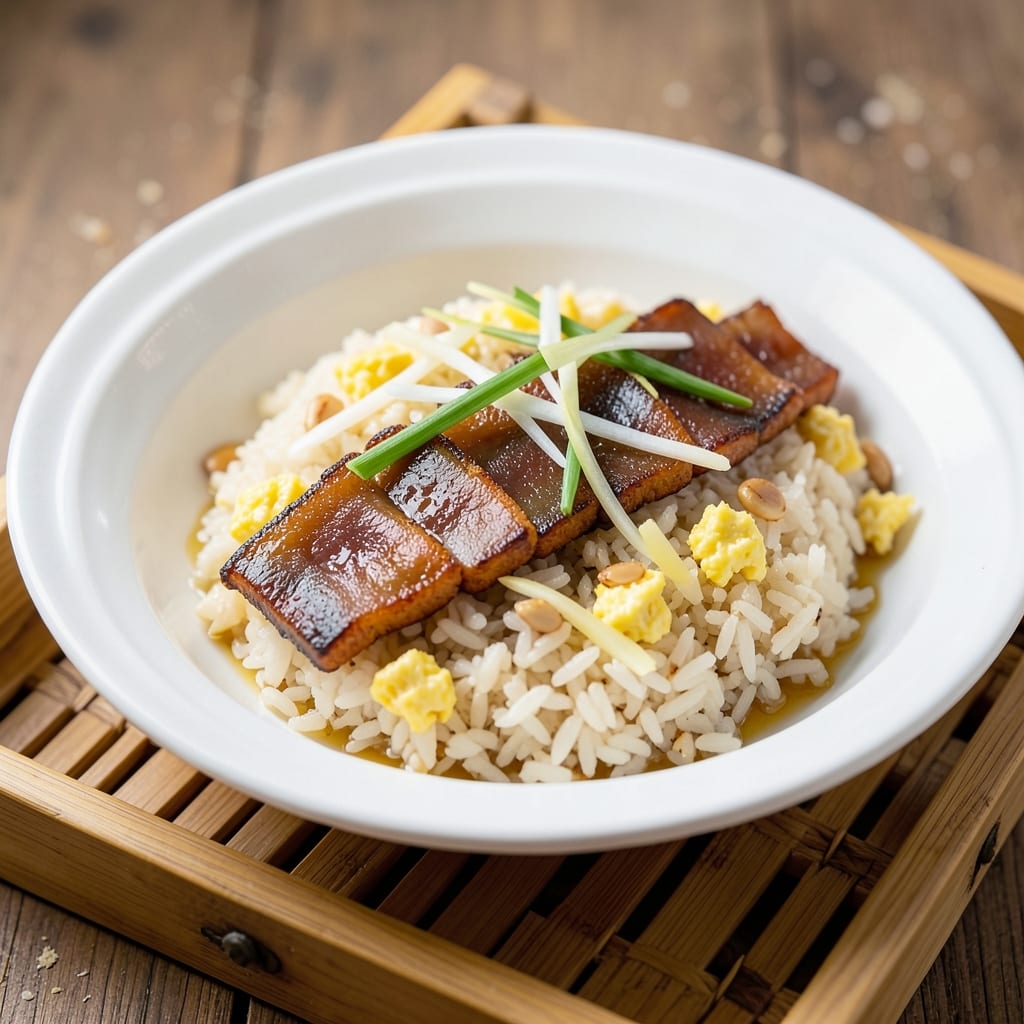
Abalone fried rice transforms a simple weeknight meal into a restaurant-worthy experience with just 25 minutes of focused cooking. 💛 The secret lies in properly preparing the abalone—searing it until golden and slicing it thinly to ensure each bite delivers that luxurious, tender texture without overpowering the dish. This isn’t your average fried rice; it’s a seafood upgrade that turns everyday rice into a gourmet centerpiece.
The recipe balances bold flavors with precision technique: high-heat wok cooking for that signature wok hei aroma, perfectly cooked jasmine rice, and a savory-sweet sauce that ties everything together. We’ll use day-old rice for the best texture and incorporate classic fried rice ingredients—garlic, ginger, scallions, and a touch of soy—while letting the abalone shine as the star. The result? A dish that’s rich, aromatic, and packed with umami in every bite.
What makes this recipe stand out is how it elevates humble ingredients into something extraordinary. The abalone adds a delicate sweetness and buttery texture, while the wok technique ensures each grain of rice stays separate and flavorful. Optional garnishes like sesame seeds or sliced green onions add freshness, but the dish is already impressive on its own. This is the kind of meal that makes you feel like you’ve just dined at a high-end seafood restaurant—without the wait or the price tag.
Whether you’re cooking for a date night or treating yourself after a long week, this abalone fried rice delivers restaurant-quality results with minimal effort. The key is confidence in the cooking process—once you master the abalone prep and wok timing, you’ll have a dish that’s as satisfying to make as it is to eat. Let’s get started on creating something truly special.
Ingredients for abalone fried rice
Elevate classic fried rice with premium abalone and aromatic wok techniques for a restaurant-quality seafood centerpiece.
| Ingredient | Amount | Notes |
|---|---|---|
| Abalone 🦪 | 8 oz | Fresh, cleaned, sliced thinly |
| Jasmine Rice 🍚 | 2 cups | Day-old, cold, uncooked |
| Eggs 🥚 | 3 large | Fresh, beaten lightly |
| Garlic Cloves 🧄 | 4 cloves | Minced finely for aroma |
| Fresh Ginger 🌿 | 1 tbsp | Grated finely, aromatic |
| Scallions 🧅 | 4 whole | Thinly sliced, white and green |
| Sesame Oil 🫒 | 1 tbsp | Toasted, for aroma |
| Light Soy Sauce 🥄 | 2 tbsp | Kikkoman preferred |
| Dark Soy Sauce 🥄 | 1 tbsp | For color depth |
| Oyster Sauce 🦪 | 1 tbsp | High-quality, umami-rich |
| Sesame Seeds 🥜 | 1 tbsp | Toasted, for garnish |
| Neutral Oil 🫒 | 3 tbsp | High smoke point, like avocado |
| Salt 🧂 | ½ tsp | Diamond Crystal preferred |
| White Pepper 🌶️ | ¼ tsp | Freshly ground for finish |
Abalone is the star—look for fresh, plump pieces with a glossy sheen at specialty seafood markets or high-end grocery stores like Whole Foods. The Kirkland Signature brand from Costco is consistently reliable. Thinly slice it yourself for even cooking; pre-sliced abalone often loses texture. Fresh ginger and garlic should smell vibrant, not musty. Trader Joe's carries excellent pre-grated ginger if you prefer convenience. For the rice, jasmine from Thai Farms delivers the signature floral aroma, but any long-grain rice works in a pinch.
No sesame oil? Toasted peanut oil works in a pinch, though the flavor profile differs slightly. Substitute vegetable oil for neutral oil if needed, but avoid olive oil—it burns at high heat. Fresh scallions are ideal, but dried onion flakes at half the amount suffice. For soy sauces, Kikkoman light and Lee Kum Kee dark are industry standards. The oyster sauce can be swapped for mushroom sauce in vegetarian adaptations, though it lacks umami depth. Always taste as you go—adjust soy sauces to preference, but never skip the oyster sauce entirely.
Prep the abalone first—pat it dry and slice against the grain for even cooking. Store unused abalone in the fridge for up to 2 days, wrapped tightly in parchment. The cooked fried rice reheats beautifully—microwave with a splash of water for 30 seconds to restore texture. Portion into airtight containers for 3 days' storage or freeze for 3 months. Garnishes like sesame seeds and scallions can be added fresh after reheating to maintain crispness.
Why You'll Love This Recipe
- I’ll be real: abalone isn’t cheap, but a little goes a long way here. One piece stretches across two servings, and the rest of the ingredients? Basic. Plus, leftovers taste just as good cold the next day—perfect for work lunches or a no-fuss dinner when you’re too wiped to cook. It’s the only time I treat myself without guilt.
- One-Pan Magic: I swear by this for nights when I’m too tired to scrub a million bowls—just toss everything into one hot wok, and the abalone’s buttery richness melts into the rice while the eggs scramble right in. No separate pans, no extra cleanup. That crispy garlic-ginger base? It practically cooks itself.
- Luxury in Every Bite: Between us, abalone turns this from fried rice to special occasion—silky, briny, and just tender enough to melt. The ginger’s zing cuts through the richness, and that first forkful? It’s the kind of dish that makes you pause mid-bite, like, "Wait, I’m actually eating this?"
- Weeknight or Guest Night: Honestly, this recipe doesn’t care what you’re doing. Use it to feed your roommates after a long shift, impress your partner with zero stress, or even pack for lunch—it reheats like a dream. (Yes, even on a Tuesday night.) The abalone keeps it feeling fancy, but the prep’s so simple you’ll wonder why you didn’t make it sooner.
Step-by-step instructions for abalone fried rice
Transform delicate abalone into a luxurious fried rice dish with restaurant-quality texture and flavor.
🍳 Step 1: Prep the Abalone and Aromatics
Start by slicing the 8 oz abalone into thin, even strips about ¼-inch thick—this ensures quick cooking and tender texture. Pat dry with paper towels to remove any moisture, which prevents the abalone from steaming instead of searing. In a small bowl, combine the minced garlic cloves, grated fresh ginger, thinly sliced scallions, and 0.5 tsp salt. This aromatic blend will infuse every bite with depth.
Toast the sesame seeds in a dry skillet over medium heat for 30 seconds until fragrant—this enhances their nutty flavor. Set aside for garnishing. Keep all prepped ingredients within reach for efficient cooking.
🔥 Step 2: Sear the Abalone to Perfection
Heat 3 tablespoons neutral oil in a wok or large skillet over high heat until shimmering. Add the abalone strips in a single layer and sear for 1-2 minutes per side until opaque and slightly caramelized—this preserves moisture while building flavor. Remove and set aside on a plate, keeping warm.
In the same pan, add 1 tablespoon sesame oil and swirl to coat. Toss in the garlic-ginger-scallion mixture and stir-fry for 20 seconds until fragrant but not browned. This quick cooking preserves their freshness while maximizing aroma.
👨🍳 Step 3: Scramble the Eggs and Combine
Return the abalone to the pan and reduce heat to medium. Pour in the 3 lightly beaten eggs, spreading them evenly across the pan. Let them cook undisturbed for 10 seconds until they begin to set, then gently scramble with a spatula until just set—soft curds create the perfect texture without overcooking.
Add the 2 cups day-old jasmine rice, breaking up any clumps with your spatula. Stir-fry for 1 minute to distribute the eggs and aromatics evenly. This step ensures every grain gets coated in the flavorful base.
🥘 Step 4: Build the Sauce and Finish
Pour in the 2 tablespoons light soy sauce, 1 tablespoon dark soy sauce, and 1 tablespoon oyster sauce. Stir vigorously for 1-2 minutes until the rice absorbs the sauce and becomes glossy and cohesive. The dark soy sauce adds color while the oyster sauce deepens umami.
Taste and adjust seasoning—add a splash of water if the rice is too dry, or a pinch more white pepper for brightness. The dish should balance sweet, salty, and umami with a delicate seafood presence.
🍽️ Step 5: Plate and Garnish for Presentation
Transfer the fried rice to serving plates immediately. Drizzle with an extra ½ teaspoon sesame oil for shine, then sprinkle with the toasted sesame seeds. Garnish with additional thinly sliced scallions for color and freshness.
Serve while hot—each bite should deliver tender abalone, fluffy rice, and a complex sauce that ties everything together. The texture contrast between the chewy abalone and soft rice makes this dish truly special.
Pro Tips For Making Abalone Fried Rice
- Prep Abalone First: Slice the abalone thinly—no thicker than ¼-inch—before frying. Thick pieces stay chewy; thin ones absorb the wok’s heat and turn tender in seconds. (Yes, it’s tedious, but trust me, your rice will thank you.)
- Use Day-Old Rice: Cold, day-old jasmine rice clumps less and toasts better than fresh. I learned this after watching my first batch turn mushy mid-stir—now I always cook rice the night before. (Pro tip: Spread it on a tray to cool faster.)
- Scramble Eggs Separately: Fry the eggs in a separate pan first—they’ll be creamy and silky instead of rubbery from the abalone’s residual moisture. Toss them in at the end so they don’t overcook in the wok’s chaos.
- High Heat, Fast Stir: Crank the wok to max heat before adding oil, then work fast—abalone and rice need that initial shock to develop flavor. If you linger at medium, you’ll end up with bland, soggy rice. (I know, I’ve done it.)
Health benefits of abalone fried rice
Seafood Protein Power
Abalone is a nutrient-dense seafood packed with high-quality protein—about 20 grams per 3-ounce serving—making this fried rice a complete meal. It’s also rich in vitamin B12, essential for energy metabolism and nerve function, which helps combat fatigue after long days. 💪
Omega-3 Benefits
The abalone in this dish provides omega-3 fatty acids, particularly EPA and DHA, which support heart health by reducing inflammation and lowering triglycerides. A single serving delivers 1.5 grams of omega-3s, contributing to your weekly intake goals. These fats also benefit brain function, making this meal great for cognitive health.
Rich in Minerals
Abalone is an excellent source of zinc (about 3.5mg per serving), which boosts immunity, and iron (around 2mg per serving), crucial for oxygen transport in your blood. The dish also includes calcium from the scallions and sodium from soy sauce, balancing minerals for optimal absorption. The combination supports muscle function and bone health.
Low-Calorie Luxury
Despite its luxurious feel, this abalone fried rice is surprisingly light on calories—around 350 calories per serving—thanks to the lean protein and fiber-rich jasmine rice. The high-heat wok cooking ensures minimal oil absorption, keeping it guilt-free while delivering restaurant-quality satisfaction. Perfect for a balanced, protein-focused meal!
Digestive Benefits
The fiber in jasmine rice (about 2 grams per serving) aids digestion, while the ginger and garlic in the recipe act as natural anti-inflammatory agents. Together, they create a dish that’s gentle on the stomach yet packed with flavor. The white pepper adds a subtle kick that may also stimulate digestion. 🌿
Umami Flavor Boost
The oyster sauce and soy sauces in this recipe provide glutamates, which enhance umami flavor while supporting metabolism. This combination not only makes the dish taste richer but also helps regulate blood sugar levels, making it a satisfying yet balanced choice for any meal. The umami depth satisfies cravings without overloading on calories.
Nutrition facts
Frequently asked questions
Can I substitute frozen abalone for fresh?
Frozen abalone works but requires extra prep. Thaw it overnight in the fridge first, then pat completely dry before slicing. The texture won't be identical—fresh abalone is more tender—but it still delivers great flavor. Avoid pre-cooked frozen abalone as it loses texture when reheated.
Why does my fried rice turn mushy?
Mushy rice usually means one of two things: using fresh rice (needs to be day-old) or over-stirring. Break up clumps gently with your spatula and cook in batches if needed. Also ensure your wok is hot enough—medium-high heat prevents soggy grains while creating that signature wok hei aroma.
How do I make this vegetarian?
Replace abalone with 1 cup king oyster mushrooms (sliced thin) or 8 oz firm tofu (pressed and cubed). Use mushroom sauce instead of oyster sauce for umami depth. The texture contrast remains but with plant-based protein.
Can I prep ingredients ahead of time?
Prep the abalone, aromatics, and sauce components 1 day ahead. Store in airtight containers in the fridge. The rice should be cooked and cooled the night before. On cooking day, just reheat everything and assemble within 10 minutes for maximum freshness.
What's the best way to reheat leftovers?
Reheat in a skillet over medium heat with a splash of water (about 1 tbsp per cup) to restore moisture. Stir constantly for 2-3 minutes** until hot through. Microwaving works but can make the rice gummy—avoid unless absolutely necessary.