
Main Courses
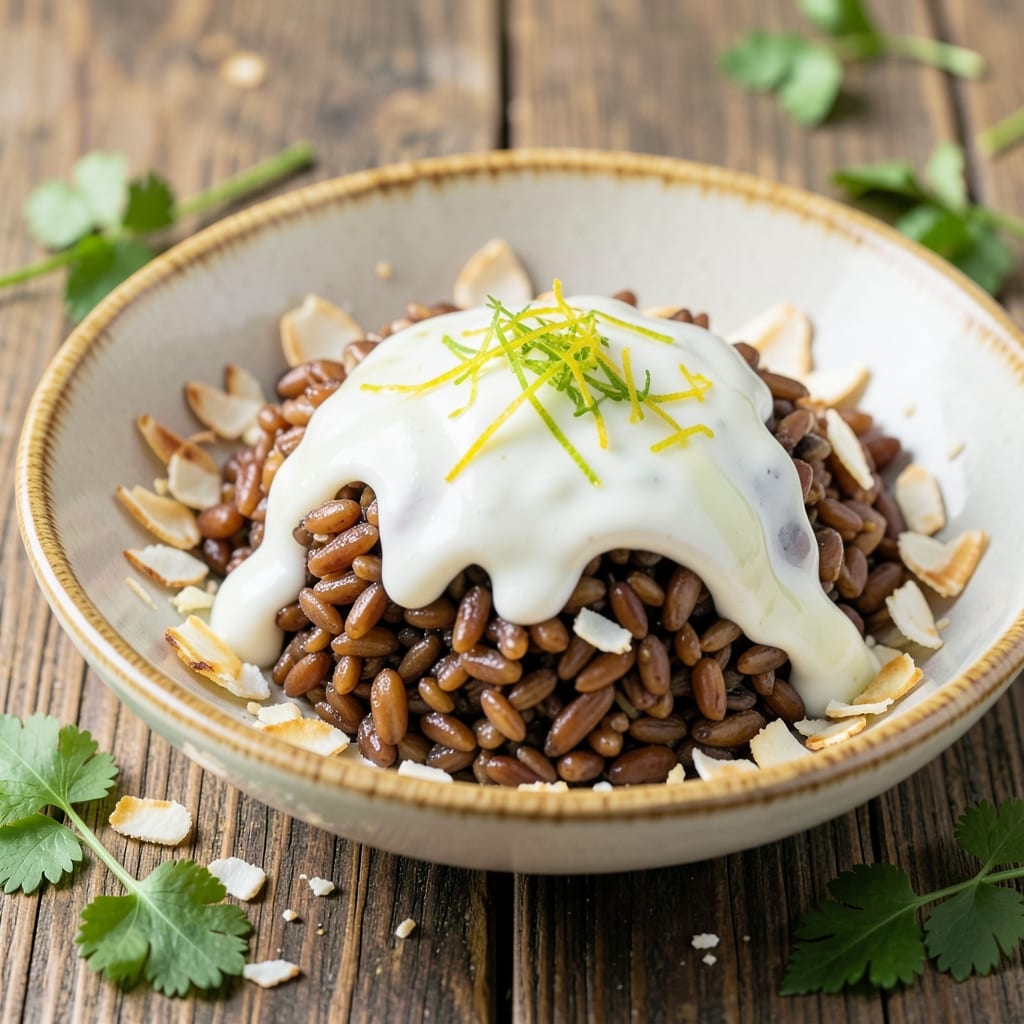
This adlai rice recipe transforms humble grains into a fragrant, nutty dish with a savory coconut-lime crunch that feels like a warm embrace after a long day. 🌱 The secret lies in toasting the grains to unlock their nutty depth, then simmering them in coconut milk and lime until tender with a subtle effervescence. I first discovered this technique while exploring Filipino binatog rice traditions, where adlai’s earthy notes shine alongside tropical flavors—no animal products needed. What sets this dish apart is the toasted spice blend that caramelizes during cooking, creating layers of complexity without overpowering the natural grain. The lime zest brightens every bite, while toasted coconut flakes add a satisfying crunch that contrasts beautifully with the creamy texture. Unlike store-bought versions, this recipe builds flavor from scratch, ensuring each mouthful is rich yet balanced. By the time you’re done, you’ll have a plant-based main course that’s hearty enough for dinner but light enough for lunch. The aroma alone—warm spices mingling with coconut and citrus—will have everyone asking for seconds. Serve it with steamed greens or a simple cucumber salad to let the adlai rice take center stage. Ready in under 45 minutes, this dish proves plant-based cooking can be both restaurant-worthy and deeply comforting. Let’s get started!
Ingredients for adlai rice
Toasted spices, creamy coconut milk, and zesty lime transform simple adlai grains into a restaurant-worthy plant-based dish.
| Ingredient | Amount | Notes |
|---|---|---|
| Adlai Grains (Job's Tears) 🌾 | 1 ½ cups | Uncooked, rinsed thoroughly |
| Full-Fat Coconut Milk 🥥 | 13 ½ oz | Canned, no additives |
| Fresh Lime Zest 🍋 | 1 tbsp | Finely grated, organic preferred |
| Fresh Lime Juice 🍋 | ½ cup | Strained, no pulp |
| Toasted Coconut Flakes 🥥 | ¼ cup | Unsweetened, lightly toasted |
| Coconut Oil 🫒 | 2 tbsp | Refined, for toasting |
| Ground Cumin 🌿 | 1 tsp | Freshly toasted preferred |
| Ground Coriander 🌿 | 1 tsp | Freshly toasted preferred |
| Ground Turmeric 🌶️ | ½ tsp | Bright yellow preferred |
| Bay Leaves 🍃 | 2 whole | Dried, crushed lightly |
| Vegetable Broth 💧 | 1 ½ cups | Low-sodium preferred |
| Sea Salt 🧂 | ¾ tsp | Diamond Crystal preferred |
| Black Peppercorns 🌶️ | ½ tsp | Freshly cracked preferred |
| Fresh Cilantro 🌿 | ¼ cup | Chopped, for garnish |
The adlai grains are the foundation—Filipino markets or specialty Asian grocers carry them, often labeled as Job's Tears. If unavailable, substitute with white rice, though texture will differ. Toasting the grains in coconut oil is non-negotiable; this step unlocks their nutty depth. For the spices, Penzeys or Spicewalla offer high-quality ground cumin and coriander that toast beautifully in a dry pan for 30 seconds before adding to the rice. Fresh lime zest from organic limes adds brightness that dried zest can't replicate—worth the extra squeeze.
No full-fat coconut milk? Light coconut milk plus 1 tbsp coconut cream mimics the richness. Substituting lime juice? Key lime juice or bottled lime juice with added zest works, but fresh is ideal. For the broth, low-sodium vegetable broth prevents over-salting; homemade is best but store-bought brands like Pacific Foods or Imagine are reliable. The toasted coconut flakes should be lightly browned—watch closely to avoid burning. If you're short on time, unsweetened shredded coconut toasted in a dry pan works in a pinch.
Store cooked adlai rice in an airtight container for 4-5 days in the fridge, though it reheats best when fresh. For longer storage, freeze portions for up to 3 months. The lime zest and cilantro can be prepped ahead and stored separately—wrap zest in parchment paper to preserve potency. This dish tastes even better the next day as flavors meld, making it perfect for meal prep. Garnish with extra coconut flakes and cilantro just before serving for maximum freshness.
Why You'll Love This Recipe
- No-Fuss One-Pot: I swear by this method—just simmer adlai grains with coconut milk until they’re tender, then finish with lime zest. No straining, no extra bowls, and honestly? The grains practically melt into that creamy, citrusy sauce on their own.
- Tropical Creamy Magic: That full-fat coconut milk turns this into something luxurious without trying. The lime zest adds this bright, almost floral kick—like a hug from a Southeast Asian summer. (Yes, even on a Tuesday night.)
- Meal Prep MVP: I make a big batch on Sundays and it lasts all week—reheats beautifully for lunches or as a side. The toasted coconut flakes on top? They stay crispy no matter how many times you microwave it. (My kids’ favorite.)
- Budget Luxury: Adlai grains are cheaper than rice but feel like a fancy dish. A can of coconut milk and a lime stretch this recipe far, and the toasted flakes add that restaurant-worthy crunch without breaking the bank. (I’ll be real: it’s my secret weapon for potlucks.)
Step-by-step instructions for adlai rice with savory coconut-lime crunch
Transform Adlai grains into a fragrant, textured dish with aromatic spices and tropical brightness.
🔥 Step 1: Toast the Adlai Grains and Spices for Depth of Flavor
Heat a large skillet over medium heat and add the 2 tablespoons coconut oil. Once shimmering, add the 1.5 cups Adlai Grains (Job's Tears) and toast for 3-4 minutes until they develop a nutty aroma and turn a deeper golden color. This dry toasting enhances their natural flavors and prevents mushiness.
Remove the grains and set aside in a bowl. In the same skillet, reduce heat to low and add the 1 teaspoon ground cumin, 1 teaspoon ground coriander, and 0.5 teaspoon ground turmeric. Toast the spices for 30 seconds until fragrant—this releases their essential oils and intensifies their flavor profile. Immediately remove from heat and mix with the toasted Adlai grains.
🍳 Step 2: Simmer in Coconut Milk and Broth for Rich Texture
Pour the 13.5 oz full-fat coconut milk and 1.5 cups vegetable broth into a medium saucepan and bring to a gentle simmer over medium-low heat. Add the toasted Adlai grains and spices, along with the 2 whole bay leaves. Stir once to distribute the grains evenly.
Cover and simmer for 25-30 minutes until the grains have absorbed most of the liquid and are tender but still slightly al dente—you want to maintain a slight bite. Stir occasionally, especially in the last 5 minutes, to prevent sticking. The grains should be plump and separate, with a creamy sauce clinging to them.
🥘 Step 3: Finish with Lime and Coconut for Bright, Crunchy Contrast
Remove the saucepan from heat and stir in the 1 tablespoon fresh lime zest and 0.5 cup fresh lime juice. The acidity brightens the coconut and spices, cutting through the richness. Add the 0.75 teaspoon sea salt and 0.5 teaspoon black peppercorns, crushing them slightly between your fingers to release their oils.
In a separate small pan, heat 1 tablespoon coconut oil over low heat and toast the 0.25 cup toasted coconut flakes for 1-2 minutes until fragrant and lightly golden. Fold these into the Adlai rice just before serving to maintain their crisp texture.
🍽️ Step 4: Garnish and Serve with Fresh Cilantro
Transfer the Adlai rice to a serving dish and let it rest for 2-3 minutes to allow flavors to meld. Garnish with the 0.25 cup fresh cilantro, chopped finely, and serve immediately. The contrast of cool coconut, zesty lime, and warm spices creates a harmonious balance in every bite.
This dish pairs beautifully with grilled proteins or as a standalone vegetarian bowl. The toasted coconut flakes add a satisfying crunch that elevates the creamy, aromatic base—each component plays a crucial role in the final texture and flavor.
Pro Tips For Making Adlai Rice
- Soak the Adlai First: Skip the dry-roasting step if you’re short on time—just soak the adlai grains in warm water for 30 minutes before cooking. I learned this the hard way after burning a batch trying to rush the toasting; soaking softens them enough that they absorb the coconut milk evenly without turning into paste.
- Use Coconut Milk Wisely: Don’t just dump in the full-fat coconut milk—heat it gently (no boiling) until it’s just warm to the touch before mixing with the adlai. After burning three batches, I finally figured out that cold milk makes the grains gummy; warm milk lets them plump up properly while keeping the texture light.
- Zest Before Juicing: Grate the lime zest first, then juice it—toss the zest into the cooking adlai while the juice goes in last. My grandmother swore by this, and she was right: the zest infuses faster when the grains are warm, while adding juice at the end keeps the bright acidity from overpowering the coconut flavor.
- Toast the Coconut Flakes: Dry-toast the coconut flakes in a pan until they’re golden and smell nutty—don’t skip this, even if you’re impatient. I was skeptical until I tried it: store-bought flakes stay bland, but toasted ones add depth that makes the whole dish taste like a proper dessert, not just a sweet side.
Essential equipment for great adlai rice
Skillet for Toasting
You’ll need a 10- to 12-inch heavy-bottomed skillet (like Made In or All-Clad) for toasting the adlai grains and spices. The wide surface area ensures even browning, while the heavy base prevents hot spots that can burn your grains. I use my Made In stainless steel skillet—it’s affordable, durable, and heats evenly. Avoid nonstick pans here; they don’t conduct heat as well for dry toasting. 🔥
Saucepan for Simmering
A medium saucepan with a tight-fitting lid (I love Calphalon or Le Creuset) is essential for simmering the grains in coconut milk. The lid helps trap steam, ensuring the adlai absorbs the creamy liquid evenly. Look for a pan with two handles—one for lifting and one for stirring—so you can manage both tasks without spills. A 3-quart capacity works perfectly for this recipe.
Fine-Mesh Strainer
For straining lime juice, a fine-mesh strainer (like OXO Good Grips) is a game-changer. It removes pulp completely, leaving you with smooth, seedless juice that won’t clog your saucepan. I keep one in my kitchen specifically for citrus—it’s worth the small investment. If you’re using bottled lime juice, skip this step, but fresh juice makes all the difference in flavor.
Microplane for Zesting
A Microplane (I use the OXO brand) is perfect for grating lime zest finely. It’s faster than a box grater and produces a consistent texture that blends seamlessly into the rice. Avoid pre-grated zest from jars—it’s often dry and lacks brightness. Spend 2 minutes zesting fresh limes; the extra effort pays off in flavor. Store any extra zest in an airtight container in the fridge for up to 3 days.
Wooden Spoon for Stirring
Use a heat-resistant wooden spoon (like OXO’s 12-inch version) to stir the grains during simmering. Wood won’t scratch your saucepan and gently folds in the coconut flakes at the end. Avoid metal spoons—they can scratch nonstick pans or react with acidic lime juice. I keep mine near my stove for easy access during cooking. 🌿
Small Pan for Coconut Flakes
A small nonstick skillet (like GreenPan’s Cerama) is ideal for toasting coconut flakes separately. The nonstick surface prevents burning, and the small size lets you monitor them closely. Heat on low to avoid scorching—you’re just looking for a light golden color and fragrant aroma. If you don’t have a nonstick pan, use a light-colored metal pan and watch carefully to prevent sticking.
Nutrition facts
Frequently asked questions
What makes adlai rice different from regular rice?
Adlai rice (Job's Tears) has a nutty, earthy flavor and a firmer texture than white rice, thanks to its high fiber content. Unlike rice, it requires toasting first to develop its full aroma and prevent mushiness. The grains also stay separate when cooked, creating a delightful contrast with creamy coconut milk.
Can I substitute adlai rice with another grain?
Yes, but texture will differ. For a similar nutty profile, try quinoa or brown rice, though they absorb liquid differently. If you must use white rice, increase simmering time by 5-7 minutes and reduce broth by 0.5 cup to prevent mushiness. The coconut-lime flavors will still shine!
Why does the recipe call for toasting the spices?
Toasting spices like cumin and coriander 30 seconds releases their essential oils, intensifying their flavor. This step ensures the spices don't taste raw or bitter in your dish. The aroma alone transforms the rice from good to restaurant-quality—don't skip it!
How do I know when the adlai rice is fully cooked?
The grains should be tender but still slightly firm (about 25-30 minutes of simmering). They'll absorb most of the liquid but shouldn't break apart. Test one grain—it should hold its shape but yield slightly when pressed with a fork.
Can I make this ahead of time?
Store cooked adlai rice in an airtight container for 4-5 days in the fridge. Reheat gently with 1-2 tablespoons water or broth over low heat, stirring often. For best texture, add fresh lime zest and coconut flakes just before serving.