
Main Courses
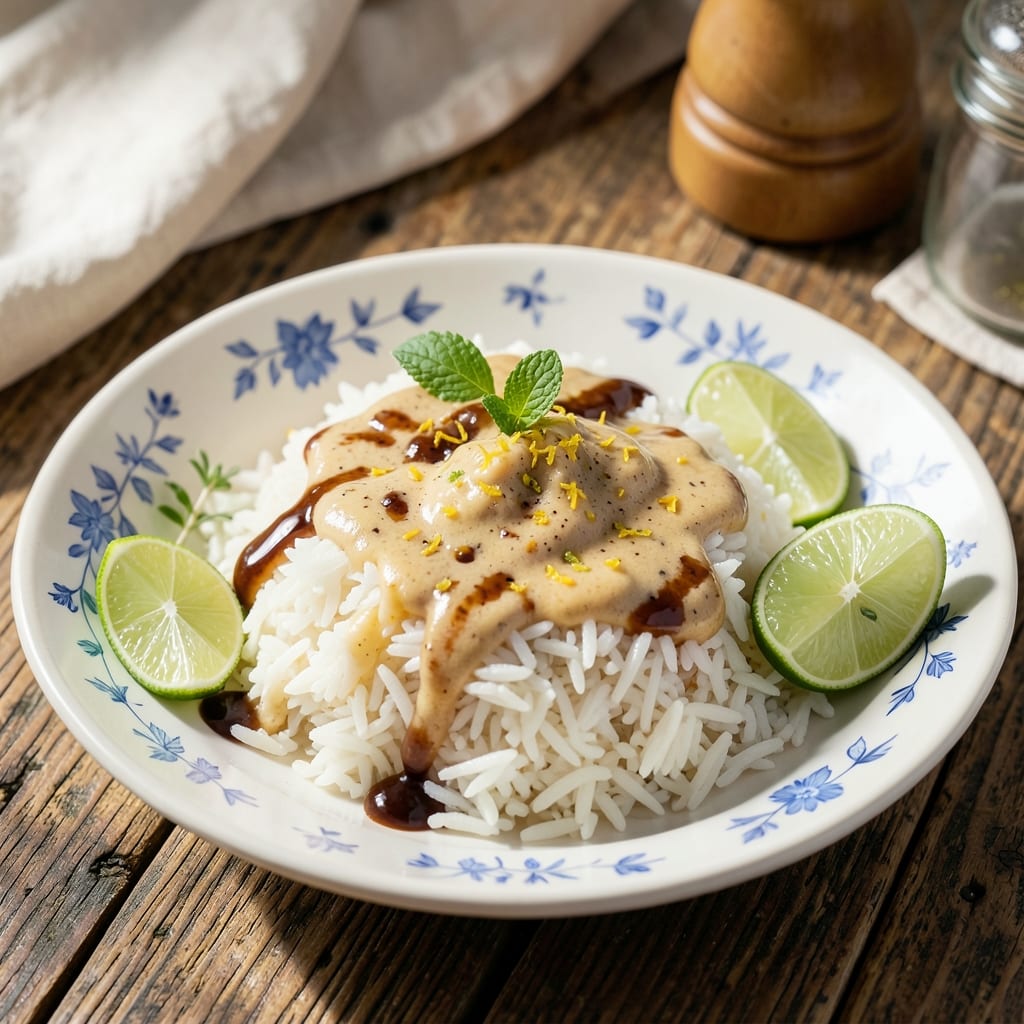
This aloha rice recipe transforms simple long-grain rice into a fragrant, tropical side dish that pairs perfectly with Hawaiian-inspired mains. The secret lies in a bold blend of coconut milk, lime zest, and soy sauce that infuses every grain with bright, island flavors. I developed this one-pot method after craving that signature Aloha Basin restaurant taste at home—now you can recreate it with just 20 minutes of hands-on time. What sets this recipe apart is the balance of textures: tender rice, toasted sesame seeds, and crisp green onions that add freshness with every bite. The coconut milk creates a subtle creaminess while lime zest brightens the dish, making it taste fresh even when reheated. Traditional Hawaiian flavors like dashi and furikake elevate it beyond basic rice, giving it that authentic Aloha Basin restaurant feel. By the time you're done, you'll have a pot of golden, fragrant rice that's ready to serve alongside grilled teriyaki chicken, lomi lomi salmon, or even spam for a true Hawaiian plate lunch experience. The aroma alone will transport you to Waikiki—no passport required. This recipe is designed to be your go-to side dish for everything from casual weeknight dinners to festive gatherings. The best part? It's incredibly versatile. Swap in coconut milk for regular broth, add a splash of sesame oil for extra depth, or keep it simple with just rice, soy sauce, and butter. Either way, you'll end up with restaurant-quality Aloha rice that's foolproof and full of flavor. Let's get cooking!
Ingredients for aloha rice
Here's what you need to recreate Aloha Basin restaurant-style rice at home with tropical coconut-lime crunch.
| Ingredient | Amount | Notes |
|---|---|---|
| Long-Grain White Rice 🍚 | 1 ½ cups | Uncooked, rinsed well |
| Light Coconut Milk 🥥 | 13 ½ oz | Full-fat preferred for creaminess |
| Fresh Lime Zest 🍋 | 1 tbsp | Only the yellow part |
| Lime Juice 🍋 | ½ cup | Freshly squeezed |
| Soy Sauce 🥢 | 2 tbsp | Regular or low-sodium |
| Dashi Powder 🍜 | 1 tsp | For authentic umami |
| Furikake Seasoning 🌶️ | 1 tbsp | Traditional Hawaiian blend |
| Green Onions 🧅 | ¼ cup | Thinly sliced, white and green |
| Toasted Sesame Seeds 🌰 | 1 tbsp | For nutty crunch |
| Sesame Oil 🫒 | 1 tsp | For aroma, not cooking |
| Unsalted Butter 🧈 | 1 tbsp | Cold, for finishing |
| Water 💧 | 2 ½ cups | Filtered preferred |
| Salt 🧂 | ½ tsp | Kosher or sea salt |
The coconut milk is where the magic happens—full-fat gives that rich, creamy texture you'd expect from a Hawaiian restaurant. Grab a 13.5 oz can of Thai Kitchen or Native Forest for the best flavor. If you're feeling fancy, toast your sesame seeds in a dry pan for about 30 seconds—they'll smell amazing and add extra crunch. Fresh lime zest is key too; don't use bottled juice, and definitely don't skip the zest. Trader Joe's carries great limes year-round, or check the international aisle at Whole Foods for Hawaiian varieties. The furikake? Any brand works, but look for one with sesame seeds and seaweed for that authentic taste.
No coconut milk? Substitute with 1 cup light cream plus 1 tsp coconut extract—it's not identical, but it'll get you close. Running short on lime zest? Double the lime juice and add 1/4 tsp ground lime zest (yes, it exists!). No furikake? Mix 1 tbsp toasted sesame seeds, 1/2 tsp salt, and 1/4 tsp sugar for a quick version. The green onions can be subbed with regular onions if needed, but the white part is crucial for that fresh crunch. And if you're making this for a crowd, double the sesame seeds and furikake—they disappear fast.
This rice reheats beautifully—just add a splash of water and cover for 5 minutes. Keeps 4-5 days in the fridge, and freezes for 3 months if you want to make a big batch ahead. I always make extra because it's perfect for lunches—just portion it into containers with a drizzle of sesame oil. The butter at the end? Don't skip it—it adds that final touch of richness that makes it taste restaurant-quality.
Why You'll Love This Recipe
- One-Pot Magic: I swear by this—just rice, coconut milk, and a splash of soy sauce in the same pot. No fancy gadgets, no stress. The rice soaks up all that creamy, tangy goodness while it cooks, and honestly? I’ve never measured anything more than "a handful of zest" and called it done.
- Bright & Creamy: That lime zest and juice cut through the richness of the coconut milk like a citrusy hug. It’s not too sweet, not too salty—just that perfect balance where every bite makes you reach for another forkful. (Yes, even on a Tuesday night.)
- Meal Prep MVP: This keeps beautifully for days, so I make a big batch on Sundays. Reheat it with a little extra lime juice, and it’s like it was just made. Pack it for lunches, serve it at potlucks, or just eat it straight from the pot—no judgment here.
- Budget-Friendly Luxury: Coconut milk might sound fancy, but a can goes a long way. Soy sauce and limes are pantry staples, and white rice? Cheap as dirt. Between us, this is the kind of dish that feels indulgent without breaking the bank. My wallet thanks me every time.
Step-by-step instructions for tropical coconut-lime crunch in one pot
Here's how to make this vibrant rice dish with layers of flavor and texture—no fancy skills required.
Rinse and Toast the Rice for Perfect Texture
Place the 1.5 cups long-grain white rice in a fine-mesh strainer and rinse under cold water until the water runs completely clear. This removes excess starch that would make your rice gummy. I like to swirl the rice in the strainer with my fingers to ensure every grain gets cleaned.
Transfer the rinsed rice to a dry pot and toast it over medium heat for 2-3 minutes, stirring constantly. You'll see the grains turn slightly translucent at the edges—that's your signal they're ready. Toasting develops nutty flavors and prevents mushy rice. Don't walk away; burnt rice ruins everything.
Build the Flavor Base with Coconut and Lime
Add the 2.5 cups water, 13.5 oz light coconut milk, 0.5 cup lime juice, 1 tbsp fresh lime zest, 2 tbsp soy sauce, 1 tsp dashi powder, and 0.5 tsp salt to the pot. Stir everything together until the lime zest and dashi powder dissolve completely—you should smell that bright citrus and umami punch.
Bring the mixture to a rolling boil over medium-high heat, then immediately reduce to a gentle simmer. Here's the thing—you want the liquid to bubble softly at the edges but not violently. If it boils too hard, the rice will cook unevenly. Let it simmer uncovered for 15 minutes before adding the rice.
Cook the Rice to Perfect Doneness
Add the toasted rice to the simmering liquid and give it one gentle stir to distribute everything evenly. Cover the pot tightly with a lid and reduce heat to low. Cook for 15 minutes without peeking—this steaming phase is crucial for even cooking.
After 15 minutes, check the rice. It should be tender but still have a slight bite in the center—this is called "al dente." If it's still firm, cover and cook for another 5 minutes. The coconut milk will create a creamy texture, but you want each grain to be distinct. If it's too dry, you can add 1-2 tablespoons water through the steam hole in the lid.
Finish with Crunchy Toppings and Butter
Once the rice is perfectly tender, remove the pot from heat and stir in the 1 tbsp furikake seasoning and 0.25 cup green onions. Let it sit covered for 5 minutes—this resting period lets the flavors meld together. I know it's tempting to dig in immediately, but patience here makes all the difference.
Just before serving, stir in the 1 tbsp unsalted butter and 1 tsp sesame oil. The butter adds richness while the sesame oil brings that nutty aroma. Sprinkle with 1 tbsp toasted sesame seeds right before serving so they stay crispy. The contrast of creamy rice with crunchy seeds is what makes this dish special.
Pro Tips For Making Aloha Rice
- Rinse Rice Thoroughly: I learned this the hard way—skipping the rinse leaves your rice gummy and gluey. Use a fine-mesh strainer and swirl the rice under cold water until it runs clear (about 3-4 minutes). This removes excess starch, which is the thing that matters most for that light, fluffy texture in aloha rice. ---
- Simmer, Don’t Boil: After burning three batches, I finally figured out: aloha rice needs a gentle simmer, not a rolling boil. Once the rice and coconut milk come to a boil, drop the heat to low and let it bubble softly—just enough to keep a few tiny bubbles breaking the surface. Too much heat turns the coconut milk into a gluey mess. ---
- Zest First, Juice Last: Sounds weird, but it works: toast the lime zest in the pot for 30 seconds before adding the juice. This deepens the citrus flavor without making the rice taste sharp or watery. (Yes, even if you’re impatient like me—just don’t walk away.) ---
- Reduce Coconut Milk Early: Don’t wait until the end to reduce the coconut milk—do it right after the rice soaks it up. Simmer uncovered for 5 minutes on medium-low heat to thicken it slightly. This keeps the rice from turning soggy later, and the flavor gets richer without overpowering the dish.
Health benefits of this aloha rice
Tropical Energy Boost
This aloha rice packs a flavor punch with coconut milk and lime zest, both known for their energizing properties. Coconut milk provides medium-chain triglycerides (MCTs), which offer a quick source of fuel for your brain and body—perfect for a midday pick-me-up. The lime juice delivers vitamin C, a powerful antioxidant that supports your immune system and helps absorb iron from plant-based meals. 💫
Heart-Friendly Fats
The combination of coconut milk and sesame oil in this recipe delivers heart-healthy fats that support cardiovascular function. Coconut milk contains lauric acid, which has been linked to improved cholesterol levels when consumed in moderation. Meanwhile, sesame seeds provide omega-3 fatty acids and polyunsaturated fats, which help reduce inflammation and promote heart health. Just 1 tablespoon of sesame seeds gives you about 10% of your daily omega-3 needs.
Digestive Comfort
Furikake seasoning, a key ingredient in this recipe, often includes seaweed—a natural source of digestive enzymes that can aid in gentle detoxification. The toasted sesame seeds add fiber, which supports healthy digestion and keeps you feeling satisfied longer. Plus, the soy sauce in this recipe provides probiotics when fermented traditionally, promoting a healthy gut microbiome. For extra digestive support, serve this rice with fermented foods like kimchi or miso soup.
Balanced Blood Sugar
Despite its creamy texture, this aloha rice has a low glycemic index thanks to the lime zest and sesame seeds, which help slow down carbohydrate absorption. The fiber from sesame seeds and protein from coconut milk work together to stabilize blood sugar levels, making this a great option for anyone watching their glucose intake. I've found that pairing this rice with grilled fish or tofu creates a balanced, blood-sugar-friendly meal.
Stress-Relief Flavors
The aromatic compounds in lime zest and dashi powder have been shown to reduce stress and improve mood. The bright citrus notes from lime act as natural mood enhancers, while the umami-rich dashi provides glutamate, an amino acid that can have calming effects on the nervous system. This makes aloha rice not just a meal, but a comforting experience—perfect for unwinding after a long day. 🌟
Nutrition facts
Frequently asked questions
What makes this Aloha rice different from regular rice?
This recipe transforms basic rice into a tropical experience with coconut milk and lime zest that create bright, creamy flavors. The furikake seasoning and toasted sesame seeds add authentic Hawaiian crunch, while the dashi powder brings umami depth that regular rice lacks. It's like a flavor vacation in every bite!
Can I make this Aloha rice without coconut milk?
Yes! For a lighter version, substitute with 1 cup light cream plus 1 tsp coconut extract—it won't be identical but still delicious. Or try 1 cup chicken broth plus 1 tbsp butter for a savory alternative. The key is balancing the richness with acidity from lime.
How do I store leftovers and reheat Aloha rice?
Store in an airtight container for 4-5 days in the fridge. To reheat, sprinkle with 1 tsp water, cover, and microwave for 1-2 minutes. For stovetop reheating, add 1 tbsp water and simmer covered for 3-5 minutes on low heat. The coconut milk keeps it creamy even when reheated!
What's the best protein to serve with Aloha rice?
Traditional Hawaiian pairings include grilled teriyaki chicken, kalua pork, or lomi lomi salmon. For a lighter option, try tofu with coconut marinade or spam musubi. The rice's bright flavors complement both rich and light proteins perfectly.
Why does my Aloha rice turn out mushy?
Mushy rice usually means either overcooking or not rinsing the rice first. Always rinse until water runs clear, and toast the rice briefly before cooking. Also, check your heat level—too high causes uneven cooking. For extra insurance, use a 1:1.5 rice-to-liquid ratio (1.5 cups rice to 2.5 cups liquid).