
Side Dishes
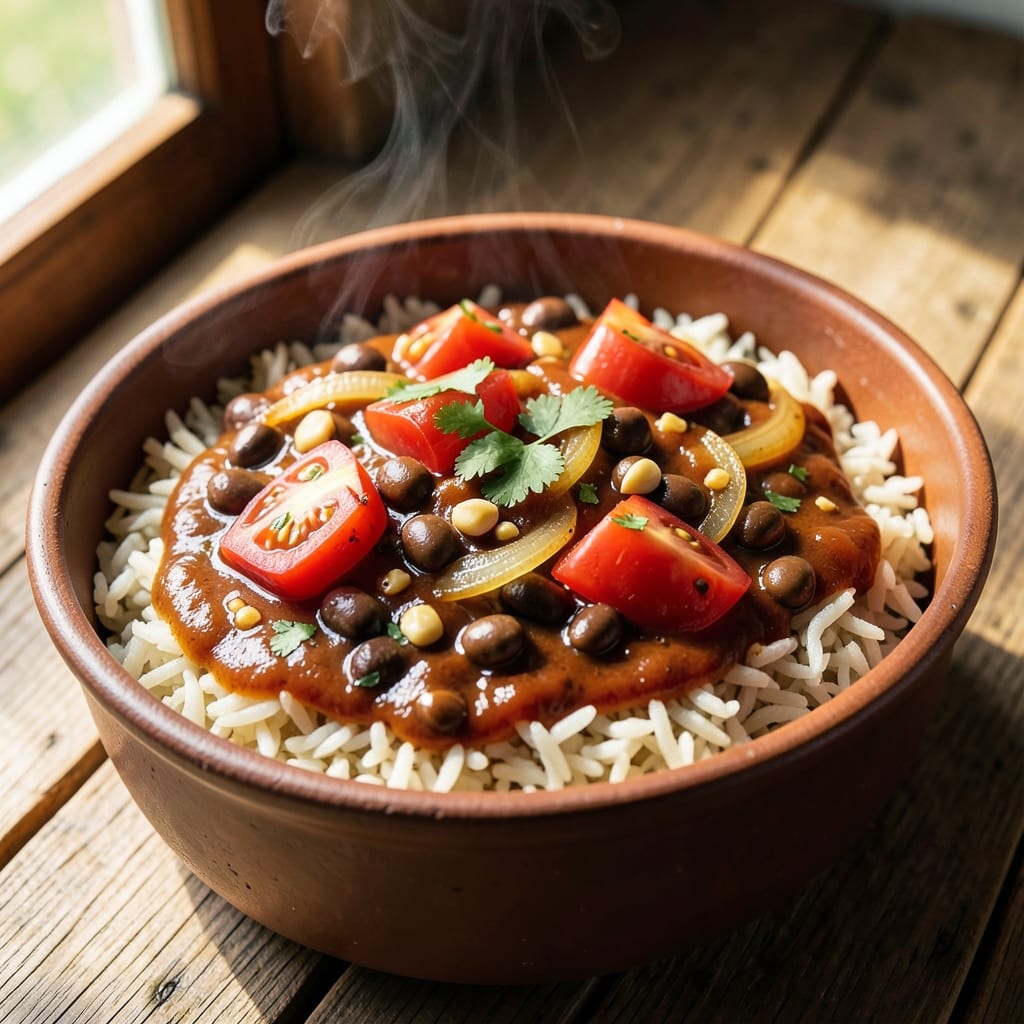
This African beans and rice recipe delivers the soulful harmony of West African cuisine in a single pot—where smoky spices, tender beans, and perfectly toasted rice come together. The secret lies in toasting the rice and beans with aromatic spices before simmering them in a rich tomato-based broth, creating layers of flavor that build with every bite. This method transforms simple ingredients into a dish that tastes like home, whether you're serving a family gathering or a weeknight meal.
The beauty of this recipe is its versatility—adapt it with smoked fish, chicken, or plant-based proteins while keeping the core technique intact. The beans soak up the smoky, spiced broth, while the rice develops a satisfying texture that's neither mushy nor dry. What you'll end up with is a fragrant, hearty dish that balances earthy beans, nutty rice, and bold spices in perfect harmony.
This one-pot method ensures minimal cleanup while delivering maximum flavor, making it ideal for busy cooks who still want restaurant-quality results. The dish pairs beautifully with grilled meats, fresh salads, or on its own as a satisfying main course. Once you try this version, you'll understand why it's a staple across African households and why it's become a beloved comfort food worldwide.
Ready to experience the depth of African flavors? This recipe is your gateway to creating a dish that's as nourishing as it is delicious—perfect for those who appreciate the art of slow-cooked, spice-infused cooking. Let's get started on this flavorful journey.
Ingredients for african beans and rice
Toasted rice and smoky spices meet tender beans in this one-pot African classic.
| Ingredient | Amount | Notes |
|---|---|---|
| Long-Grain White Rice 🍚 | 1 cup | Uncooked, medium grain preferred |
| Dried Black-Eyed Peas 🌱 | 1 ½ cups | Soaked overnight for tenderness |
| Diced Tomatoes (Canned) 🍅 | 2 cups | San Marzano preferred for sweetness |
| Tomato Paste 🍅 | 2 tbsp | Concentrated for rich flavor |
| Onion (Yellow) 🧅 | 1 whole | Medium, finely chopped |
| Garlic Cloves 🧄 | 4 cloves | Fresh, minced for aromatic depth |
| Smoked Paprika 🌶️ | 2 tsp | For authentic smoky flavor |
| Ground Cumin 🌿 | 1 ½ tsp | Toasted for deeper aroma |
| Dried Thyme 🌿 | 1 tsp | Or 1 tbsp fresh thyme leaves |
| Bay Leaves 🌿 | 2 whole | For subtle earthy notes |
| Chicken or Vegetable Broth 💧 | 2 cups | Low-sodium preferred |
| Olive Oil 🫒 | 2 tbsp | Extra-virgin for richness |
| Salt 🧂 | 1 ½ tsp | Kosher or sea salt |
| Black Pepper 🌶️ | ½ tsp | Freshly ground preferred |
| Scotch Bonnet Pepper (Optional) 🔥 | ½ whole | Seeded for milder heat |
The rice and beans are the heart of this dish, so quality matters. Medium-grain white rice like Carolina Gold stays fluffy, while black-eyed peas from bulk bins at Whole Foods or specialty stores deliver the best texture. For the tomatoes, San Marzano cans are worth the splurge—they're sweeter and less acidic, which balances the spices perfectly. The smoked paprika is non-negotiable for that signature African smokiness; Penzeys carries a great variety if you want to experiment with different levels of heat. Toast your spices in the pot before adding liquids—this step unlocks their full aroma and forms the flavor base for everything else.
No smoked paprika? Substitute half regular paprika with a pinch of liquid smoke—it's a game-changer for that campfire taste. Running low on black-eyed peas? Brown lentils or chickpeas work in a pinch, though they'll change the texture slightly. The Scotch bonnet is optional but adds incredible depth; if you can't find it, jalapeño or habanero at half the amount gives a similar kick. For the broth, low-sodium versions prevent the dish from becoming too salty, especially if you're using salty canned tomatoes. The tomato paste is key—don't skip it! It thickens the sauce and adds that concentrated umami that makes the dish sing.
This dish tastes even better the next day as flavors meld, so make extra if you can. Store in an airtight container in the fridge for up to 5 days, or freeze portions for 3 months—just thaw overnight in the fridge. The rice will dry out if reheated with moisture, so sprinkle a splash of broth or water when warming. For meal prep, portion into individual containers with a side of pickled onions or avocado to keep things fresh. The spices lose potency after opening, so transfer any leftovers to a sealed jar for long-term storage.
Why You'll Love This Recipe
- Here’s what sold me: that tomato paste and canned diced tomatoes create this unexpectedly complex flavor—sweet, tangy, and just a little smoky. The black-eyed peas soak up all the goodness while staying tender, and honestly? It tastes like a restaurant dish, even when I’m too exhausted to care.
- I’ll be real: this recipe doesn’t break the bank. Long-grain rice, dried peas, and canned tomatoes? Those are pantry basics that won’t empty your wallet. A single pot of this feeds my family of four for less than takeout, and the flavors are so satisfying, no one misses the pricey shortcuts. Plus, the leftovers? Even better the next day.
Step-by-step instructions for African beans and rice
This one-pot creation delivers bold West African flavors with minimal cleanup.
Sauté Aromatics Until Fragrant
Heat the 2 tablespoons olive oil in a large, heavy-bottomed pot over medium heat. Add the 1 whole yellow onion and cook for 5-6 minutes until softened and translucent. I like to press down gently with a wooden spoon to help it break down evenly.
Add the 4 cloves garlic and cook for 30 seconds until fragrant—don't let it brown or it'll turn bitter. Stir in the 2 teaspoons smoked paprika, 1.5 teaspoons ground cumin, 1 teaspoon dried thyme, and 2 whole bay leaves. Toast these spices for 30 seconds while stirring constantly—this releases their essential oils and deepens the flavor profile.
Build the Flavor Base
Add the 2 tablespoons tomato paste and stir vigorously to coat the spices completely. Cook for 1 minute until the paste darkens slightly. This creates a rich foundation for your dish.
Pour in the 2 cups diced tomatoes and stir well. Add the 1.5 cups soaked black-eyed peas (drained), 1 cup long-grain white rice, and the 0.5 whole Scotch bonnet pepper (if using, seeded and finely chopped). Stir everything together and cook for 2 minutes to let the flavors meld.
Simmer Until Rice is Tender
Pour in the 2 cups chicken or vegetable broth and add the 1.5 teaspoons salt and 0.5 teaspoon black pepper. Bring the mixture to a gentle boil, then immediately reduce heat to low. Cover the pot and simmer for 25-30 minutes—this gives the rice and beans time to absorb all the flavorful liquid.
After 20 minutes, check the rice. It should be tender but still slightly firm in the center. If it's not quite done, continue cooking for another 5 minutes. The rice should be cooked through but still hold its shape—overcooking turns it mushy. The beans will soften as they cook, releasing their earthy flavor into the broth.
Rest and Fluff for Perfect Texture
Once the rice is tender, remove the pot from heat and let it sit covered for 5 minutes. This resting period allows the rice to finish steaming and the flavors to meld completely. After resting, gently fluff the rice with a fork, breaking up any large clumps while preserving the individual grains.
Taste and adjust seasoning if needed. The dish should be rich with smoky, spicy, and earthy notes. If it needs more salt, add it now—this is the final chance to balance the flavors. Remove the bay leaves before serving, as they're not meant to be eaten.
Pro Tips For Making African Beans And Rice
- SOAK BEANS OVERNIGHT: I learned this the hard way—skipping the soak means your black-eyed peas stay tough and chewy no matter how long you simmer. Toss them in water with a pinch of salt the night before, and they’ll soften perfectly without splitting open or turning mushy.
- SAUTÉ ONIONS LOW AND SLOW: After burning three batches, I finally figured out that African beans and rice demand patience with onions. Cook them on medium-low heat for 10-12 minutes until deep golden, not browned—this builds the sweet, caramelized base the whole dish depends on.
- STIR IN TOMATO PASTE FIRST: This isn’t the prettiest method, but it’s the tastiest: Mix the tomato paste directly into the onions before adding anything else. It blooms into a rich, concentrated flavor instead of just dissolving into the broth later—trust me, it makes a real difference.
- COOK RICE SEPARATELY: I skip this when I’m lazy, but the dish is noticeably better when I don’t. African beans and rice work best when the rice stays fluffy and the beans develop their full flavor in the sauce. Cook the rice al dente first, then fold it in at the end.
Troubleshooting your african beans and rice
Mushy Rice Fix
If your rice turns out mushy, it’s likely from overcooking or insufficient liquid absorption. Start by checking your rice-to-liquid ratio—this recipe uses a 1:2 ratio (1 cup rice to 2 cups broth). If you notice the rice is still firm after 30 minutes, add ¼ cup hot broth at a time, stirring gently, until tender. For future attempts, reduce simmering time by 2-3 minutes and let the pot rest uncovered for 5 minutes after cooking to evaporate excess moisture. 💧
Underseasoned Dish
If your dish tastes bland, the spices likely need more toasting or the broth may be too mild. Next time, toast your spices (smoked paprika, cumin, thyme) for 45 seconds instead of 30 to deepen their aroma. For immediate fixes, stir in ½ teaspoon more smoked paprika or a pinch of salt (taste as you go). If using low-sodium broth, add 1 extra teaspoon salt at the end. A splash of lemon juice or hot sauce can also brighten flavors without altering the dish’s core profile.
Beans Too Firm
Tough beans usually mean they weren’t soaked long enough. Soak your black-eyed peas overnight (at least 8 hours) in cold water with 1 teaspoon salt to soften them. If you’re short on time, use quick-soak method: Boil the beans for 2 minutes, then let them sit in hot water for 1 hour before draining. For extra tenderness, add ½ teaspoon baking soda to the soaking water (rinse well before cooking). If beans are still tough after cooking, simmer uncovered for 5 more minutes to reduce liquid and concentrate flavors.
Broth Too Thin
A watery dish often happens when the rice absorbs too much liquid. To thicken the broth, stir in 1 tablespoon tomato paste or 1 teaspoon cornstarch mixed with 1 tablespoon water. Simmer for 2-3 minutes until the sauce coats the back of a spoon. For future attempts, reduce broth by ¼ cup or add ½ cup diced tomatoes at the end to thicken naturally. If the rice is still dry, sprinkle 1-2 tablespoons hot water over it and cover for 5 minutes to steam.
Burnt Spices
If your spices burn, the heat was too high during toasting. Keep the pot on medium-low heat when toasting spices—30 seconds max is ideal. Stir constantly to prevent scorching. For a smoky flavor without burning, add ½ teaspoon liquid smoke to the broth at the end. If you accidentally burn the spices, strain them out and start fresh with a new batch toasted over low heat. A pinch of sugar (½ teaspoon) can also help balance any bitterness from burnt spices.
Uneven Cooking
Unevenly cooked rice or beans often means the pot wasn’t stirred enough or heat wasn’t distributed evenly. Use a heavy-bottomed pot (like Le Creuset) to prevent hot spots. Stir the pot once every 5 minutes during simmering to distribute heat. If using an electric stove, check for burner inconsistencies—adjust the flame to cover the entire pot. For future attempts, place the pot on the back burner for more even heat distribution. A wooden spoon helps stir gently without damaging the pot.
Nutrition facts
Frequently asked questions
Why do I need to toast the spices in this African beans and rice recipe?
Toasting the spices releases their essential oils, creating a deeper, more complex flavor profile. The 30-second toast for smoked paprika, cumin, and thyme transforms them from ordinary to aromatic, giving your dish that signature West African smokiness. This step is what separates a good recipe from a great one!
Can I use canned beans instead of dried black-eyed peas?
For convenience, use 2 (15-ounce) cans of black-eyed peas, drained and rinsed. Skip the soaking step entirely, but reduce the broth by ½ cup since canned beans already contain liquid. Drain any excess liquid from the cans to avoid a watery dish. The texture will be slightly softer but still delicious.
What's the best way to add protein to this dish?
This recipe pairs beautifully with smoked fish, shredded chicken, or plant-based proteins like chickpeas. For fish, add 1 pound smoked salmon or mackerel during the last 10 minutes of cooking. For chicken, use 1 cup shredded rotisserie chicken and stir it in after the rice is tender. For a vegan option, add 1 cup cooked lentils with the beans.
How do I make this recipe spicier?
For extra heat, add 1 teaspoon cayenne pepper with the other spices or increase the Scotch bonnet to 1 whole pepper (seeded for milder heat). If you prefer a slow burn, stir in 1 tablespoon hot sauce or ½ teaspoon red pepper flakes at the end. Always taste as you go—you can adjust to your preferred spice level!
Can I make this recipe in an Instant Pot?
Yes! Sauté the aromatics as directed, then add all ingredients except the broth. Instead, use 1.5 cups liquid (reduce by ½ cup since the beans and rice release moisture). Cook on high pressure for 8 minutes, then let the pressure release naturally for 10 minutes. The rice may need 5-10 minutes of uncovered simmering to absorb excess liquid.