
Main Courses
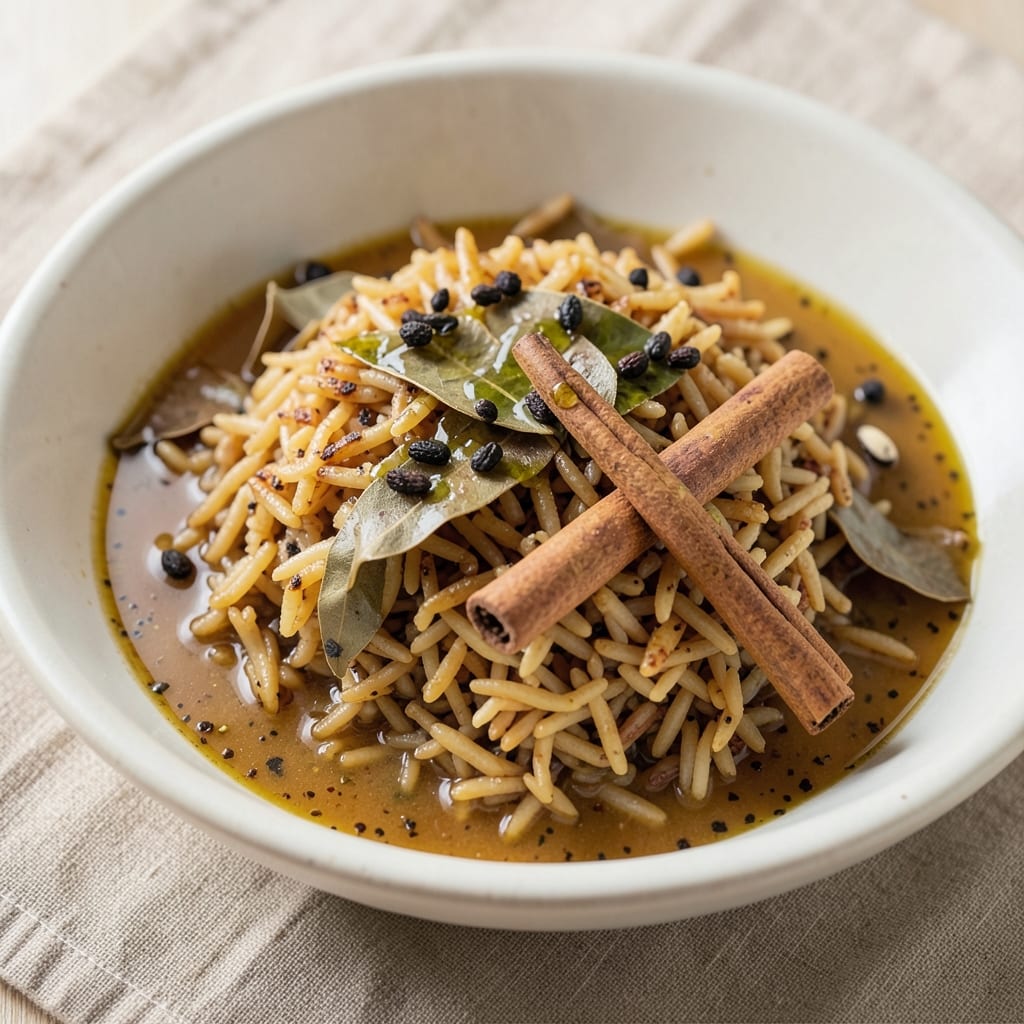
Aged basmati rice transforms ordinary grains into fragrant, nutty masterpieces with just a few key techniques—soaking, toasting, and slow cooking. This method unlocks basmati’s full potential, delivering a texture that’s dry yet fluffy with a subtle crunch, perfect for pilafs, curries, or standalone dishes. The secret lies in patience: letting the rice absorb liquid gradually while developing complex, toasty notes.
Unlike quick-cook methods, aging basmati rice—whether through overnight soaking or gradual steaming—deepens its natural aroma and enhances its nutty undertones. The process is simple but precise: rinse thoroughly to remove excess starch, toast the grains lightly in oil for depth, then simmer in broth or water until perfectly tender. This approach ensures each grain remains distinct, avoiding the mushy texture of overcooked rice.
What you’ll achieve is a pot of rice that’s fragrant, nutty, and impossibly flavorful, with a texture that holds up to bold spices and hearty proteins. The aging process concentrates the rice’s natural sweetness, making it a versatile base for dishes like biryani, pilafs, or even fusion bowls. Every bite delivers that satisfying crunch and aromatic depth that separates homemade rice from store-bought.
For extra versatility, try infusing the cooking liquid with spices like cardamom or cinnamon, or stir in toasted nuts and dried fruit for a festive twist. This method works equally well for weeknight meals or special occasions—once you master it, you’ll never go back to quick-cook rice again.
Ingredients for aged basmati rice
Nine ingredients, one technique—transform ordinary basmati into aromatic, nutty perfection through aging and slow cooking.
| Ingredient | Amount | Notes |
|---|---|---|
| Basmati Rice 🌾 | 1 cup | Long-grain, uncooked, aged for 24 hours |
| Vegetable Broth 💧 | 2 ½ cups | Low-sodium preferred, homemade or store-bought |
| Extra-Virgin Olive Oil 🫒 | 2 tbsp | For toasting rice, fruity variety |
| Bay Leaves 🌿 | 2 whole | Fresh preferred, for aromatic depth |
| Cardamom Pods 🌶️ | 4 whole | Lightly crushed, optional for warmth |
| Cinnamon Stick 🍃 | 1 whole | For subtle sweetness, optional |
| Salt 🧂 | ½ tsp | Diamond Crystal preferred, adjust to taste |
| Toasted Slivered Almonds 🥜 | ¼ cup | For garnish, optional crunch |
| Golden Raisins 🍇 | ¼ cup | Chopped, for sweet contrast |
| Fresh Lemon Juice 🍋 | 1 tbsp | Brightens flavor at the end |
The rice is non-negotiable here. Basmati from a specialty store—like Whole Foods or Indian grocery aisles—has that signature nutty aroma. Look for labels that say 'aged' or 'parboiled', which means the rice has been pre-soaked for depth. The broth? Homemade is ideal, but Pacific Foods or Imagine brand low-sodium versions work. Cardamom and cinnamon? Penzeys Spices has the best whole pods, but any organic grocery store will carry them. Toast the spices in the olive oil for 30 seconds—they'll release their essential oils, giving your rice that restaurant-quality aroma.
No cardamom? Allspice or a pinch of nutmeg works in a pinch, though it won't be identical. Short on almonds? Cashews or pistachios add a different but still lovely crunch. The raisins can be swapped for dried cranberries or chopped apricots if you prefer tartness. For the soaking step, I always use a glass jar with a lid—it keeps the rice submerged and prevents spills. If you're prepping ahead, soak the rice in the broth overnight in the fridge for maximum aging. The longer it sits, the more concentrated that nutty flavor becomes.
This rice keeps beautifully—4-5 days in the fridge, covered with a damp towel to maintain moisture. For longer storage, freeze in airtight containers for up to 3 months. I portion mine into single-serving containers so it's ready for quick lunches. The toasted nuts and raisins can be added fresh when serving, or stored separately and mixed in just before eating. The lemon juice should be added right at the end—it brightens everything up and prevents the rice from getting stale too quickly.
Why You'll Love This Recipe
- Foolproof Soak-and-Forget: I swear by this method—just soak the basmati overnight, then simmer. No stirring, no stress, and the rice turns out fluffy every single time.
- Aroma Magic: That first whiff of cardamom and bay leaves in the broth? It’s like a warm hug for your kitchen. The slow cooking lets those spices infuse deeply, making each grain taste like it’s been kissed by sunlight.
- Meal Prep MVP: Cook a big batch on Sunday—it reheats beautifully for lunches, wraps, or even as a bed for proteins. Honestly, I’ve had it cold in salads for days without losing its texture.
- Budget Brilliance: Basmati rice stretches further than you’d think, especially with broth instead of water. Plus, cardamom and bay leaves are cheap pantry staples that make it feel fancy without the price tag.
Step-by-step instructions for aged basmati rice with toasted almonds and raisins
Here's how to transform simple basmati rice into a fragrant, nutty masterpiece with just one pot.
Toast the Rice for Nutty Depth
Heat the 2 tablespoons extra-virgin olive oil in a medium pot over medium heat. Add the 1 cup basmati rice and stir constantly for 3-4 minutes until the grains turn translucent at the edges and release an intense nutty aroma.
This toasting step is non-negotiable—it develops the rice's natural starches and creates that signature toasted flavor. You'll know you've done it right when the rice smells like freshly popped popcorn and the grains look slightly glossy. Keep a close eye on it; over-toasting will burn the rice before it's properly toasted.
Add Aromatics and Broth for Fragrant Infusion
Add the 2 whole bay leaves, 4 whole cardamom pods, and 1 whole cinnamon stick to the pot. Stir for 30 seconds to release their essential oils. Pour in the 2.5 cups vegetable broth and add the 0.5 teaspoon salt. Bring to a gentle boil, then immediately reduce heat to low.
The cardamom and cinnamon should perfume the broth as it simmers. If you're using fresh spices, you'll notice their aroma intensify dramatically. Let the mixture simmer uncovered for 10 minutes—this allows the rice to partially cook and absorb some of the aromatic broth before the final steaming phase.
Steam the Rice to Perfect Texture
Place a tight-fitting lid on the pot and cook for 12-15 minutes over low heat. After 10 minutes, check for doneness by lifting a grain with a fork—it should be tender but still slightly firm in the center. If it's not quite done, cook for another 2-3 minutes.
Here's the thing about aged basmati—it needs that final steaming phase to develop its signature fluffiness. The rice should finish cooking in the residual steam, not from direct heat. If you peek during this time, you'll trap moisture and risk mushy rice. Trust the timer and let it work its magic.
Finish with Sweet-Tart Contrast
Remove the pot from heat and let it sit covered for 5 minutes. Then, gently fluff the rice with a fork and stir in the 0.25 cup chopped golden raisins and 0.25 cup toasted slivered almonds. Drizzle with 1 tablespoon fresh lemon juice and toss lightly to combine.
The raisins should plump slightly from the residual heat, and the lemon juice will brighten the dish's flavors. This final step transforms the rice from simple to sophisticated—adding texture contrast and a subtle tang that cuts through the richness. Serve immediately while the rice is still warm and the aromatics are at their peak.
Pro Tips For Making Aged Basmati Rice
- TOAST THE RICE FIRST: I learned this the hard way—skipping the dry toast step means your rice will either turn mushy or stay crunchy. Heat your olive oil in the pot until it shimmers, then add the rice and stir for 2-3 minutes until it smells nutty and the grains look translucent at the edges. This isn’t just about flavor; it’s what prevents clumping later.
- USE HOT BROTH ONLY: Cold broth is the enemy of aged basmati. Bring your vegetable broth to a full boil before adding it to the rice—no exceptions. If you’re using pre-made broth, heat it in the same pot over high heat until steam rises aggressively. This ensures even cooking and prevents that sad, undercooked center you hate.
- CRUSH THE CARDAMOM: Whole cardamom pods? Skip it. Split them open and crush the seeds lightly with the flat of a knife—this releases their aroma without bitterness. I used to toss in whole pods out of laziness, and the dish always tasted like I forgot the spice entirely. A few quick smashes make a real difference.
- SEAL IT TIGHT: After adding broth, cover the pot with a tight-fitting lid and reduce heat to the lowest setting—yes, even if it feels too hot. The steam needs to build pressure, and a loose lid means uneven cooking. Let it sit undisturbed for 15 minutes, then fluff with a fork. This is the thing that matters most for that signature aged texture.
Creative variations of this aged basmati rice
Indian Biryani Twist
Transform your aged basmati into a fragrant biryani by layering partially cooked rice with marinated chicken or shrimp, saffron-infused yogurt, and fried onions. After toasting the rice as directed, spread it in a heavy pot, then layer with your protein, 1 tbsp yogurt mixed with a pinch of saffron, and ½ cup fried onions. Drizzle with 2 tbsp melted ghee and 1 tsp garam masala, then seal with foil and steam for 15 minutes on low heat. The result? A restaurant-quality biryani with that signature layered aroma. 🌶️
Thai Coconut Fusion
For a Thai-inspired take, replace the vegetable broth with 2.5 cups coconut milk and add 1 tbsp red curry paste during the simmering phase. Stir in 1 tsp lemongrass paste and 1 kaffir lime leaf (torn) while the rice cooks. Finish with 2 tbsp chopped cilantro and a squeeze of lime. This version delivers creamy, aromatic rice with a tropical twist—perfect for curry bowls or as a standalone dish. 🥥
Mexican-Style Arroz Rojo
Give your rice a Mexican flair by swapping the cardamom and cinnamon for 1 tsp cumin seeds, 1 tsp smoked paprika, and ½ tsp oregano. After toasting, add 1 diced tomato and ½ cup diced bell peppers to the pot with the broth. Simmer uncovered for 10 minutes before steaming. Stir in ½ cup black beans and ¼ cup chopped cilantro at the end. This version pairs beautifully with tacos or enchiladas. 🌶️
Herbed Lemon Pilaf
For a bright, herbaceous variation, infuse the broth with 2 sprigs fresh thyme, 1 sprig rosemary, and 2 cloves garlic (lightly crushed). After cooking, fluff the rice and stir in 2 tbsp chopped fresh dill and 1 tbsp chopped mint. Finish with an extra 1 tbsp lemon juice and a sprinkle of flaky sea salt. This pilaf-style rice works wonderfully as a side for grilled fish or roasted vegetables. 🍋
Spiced Nutty Pilaf
Take your rice to the next level with a nutty, spiced pilaf by adding ¼ cup chopped toasted pistachios and 1 tsp ground coriander to the broth. After cooking, stir in 1 tbsp honey and 1 tsp rose water for a floral touch. Garnish with extra pistachios and a sprinkle of sumac for a Middle Eastern-inspired dish that’s both aromatic and elegant. 🌸
Sweet Cinnamon Raisin Rice
For a sweet breakfast or dessert rice, double the raisins to ½ cup and add 1 tsp cinnamon to the broth. After cooking, stir in 2 tbsp chopped crystallized ginger and a pinch of sea salt to balance the sweetness. Serve warm with a drizzle of honey** or as a side for spiced poached pears. This version is a delightful twist on traditional rice dishes. 🍯
Nutrition facts
Frequently asked questions
Why does aged basmati rice taste different from regular basmati?
The aging process (soaking or gradual cooking) intensifies the rice's natural nutty, buttery flavors by breaking down starches and concentrating aromatics. Unlike quick-cook methods, aged rice develops a subtle crunch and deeper aroma from slow moisture absorption. Think of it like steeping tea—patience unlocks more complex flavors!
Can I use this method for jasmine rice instead?
While possible, basmati's long grains and distinct aroma are ideal for this technique. Jasmine rice's stickier texture may yield clumpy results. If you must try it, use 1:1.5 rice-to-broth ratio and toast for 2 minutes less to avoid burning. The flavor won't be identical, but the method works in a pinch.
How do I fix rice that turned out mushy?
Mushy rice usually means too much liquid or peeking during cooking. For immediate fixes, spread the rice on a tray and bake at 300°F for 10 minutes to dry it out. Next time, reduce broth by ¼ cup or cook uncovered for 2-3 minutes after the initial steam phase to evaporate excess moisture.
What's the best way to store aged basmati rice?
Store in an airtight container at room temperature for 2-3 days, or refrigerate for 4-5 days with a damp towel covering it. For longer storage, freeze in single portions for up to 3 months. The key is maintaining moisture—never store it dry or it'll lose texture. Reheat gently with a splash of water or broth.
Can I make this rice without broth?
Yes! Replace broth with 2.5 cups water plus 1 tbsp butter or oil. For extra flavor, simmer the water with 1 crushed garlic clove and ½ tsp salt** before adding rice. The texture will be slightly less aromatic but still delicious. This works well for simple pilafs or as a neutral base for other dishes.