
Main Courses
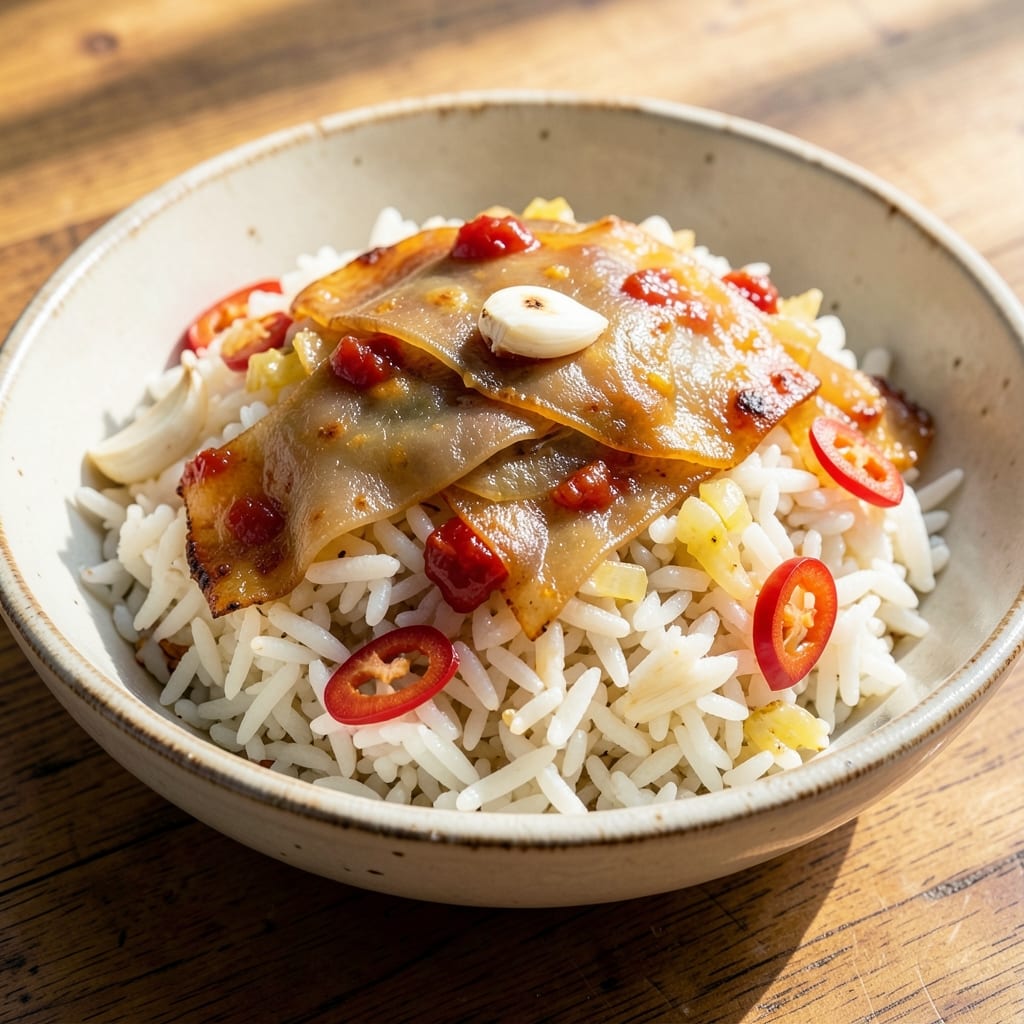
This aligue rice recipe transforms simple long-grain rice into a fragrant, savory side dish with crispy edges that pairs perfectly with grilled meats. The secret lies in fermented fish paste (aligue), which adds a deep umami richness that defines Filipino comfort food. I’ve refined this recipe over years to balance its bold flavors—where the rice absorbs just enough aligue to infuse without overpowering.
The cooking process is straightforward but requires patience: toasting the rice lightly before simmering it in a rich tomato-herb broth ensures that every grain develops a satisfying crunch. Garlic, chili, and bay leaves deepen the aroma, while the aligue’s fermented notes create a complexity that’s both nostalgic and unexpected. This dish isn’t just a side—it’s the heart of a Filipino meal, elevating simple ingredients into something extraordinary.
What you’ll achieve is perfectly textured rice with golden, crispy edges that contrast the tender interior, all infused with the aromatic essence of aligue. The dish serves as a versatile staple, complementing grilled pork, fried fish, or even a hearty breakfast of garlic rice. Its savory depth makes it a crowd-pleaser, especially when served alongside fresh vegetables or a tangy atchara (pickled papaya).
For those new to aligue, start with a small amount—just 1 tablespoon per cup of rice—and adjust to taste. The key is letting the flavors meld during cooking, so don’t rush the simmering process. This recipe delivers restaurant-quality results at home, proving that Filipino comfort food can be both simple and unforgettable.
Ingredients for aligue rice
These twelve ingredients blend Filipino fermented depth with Italian tomato richness for crispy-edged rice.
| Ingredient | Amount | Notes |
|---|---|---|
| Long-Grain White Rice 🍚 | 1 ½ cups | Uncooked, rinsed thoroughly |
| Aligue (Fermented Fish Paste) 🐟 | 1 tbsp | Adjust to taste, start small |
| Canned Tomato Sauce 🍅 | ½ cup | San Marzano preferred |
| Yellow Onion 🧅 | 1 whole | Medium size, finely diced |
| Garlic Cloves 🧄 | 4 cloves | Minced, fresh preferred |
| Fresh Chili Peppers 🌶️ | 2 whole | Siling labuyo or jalapeño |
| Bay Leaves 🍃 | 2 whole | Dried, crushed lightly |
| Olive Oil 🫒 | 2 tbsp | Extra-virgin for toasting |
| Salt 🧂 | 1 ½ tsp | Diamond Crystal preferred |
| Black Peppercorns 🌶️ | ½ tsp | Freshly ground |
| Fresh Thyme Leaves 🌿 | ¼ cup | Chopped, stems removed |
| Water 💧 | 2 ½ cups | Filtered preferred |
Aligue is the soul of this dish—Filipino markets carry it in jars, but Asian grocery stores often stock it too. If unavailable, anchovy paste at half the amount works in a pinch, though the fermented funk is irreplaceable. The San Marzano tomato sauce adds natural sweetness that balances aligue’s boldness. For the chili, siling labuyo gives authentic heat, but jalapeño or serrano are fine substitutes. Fresh thyme and bay leaves should be vibrant—wilted herbs won’t infuse properly. Toast the rice in olive oil until nutty before adding liquid; this step creates those coveted crispy edges.
No aligue? Anchovy paste or fish sauce (1 tsp) mimics umami, though texture differs. Substitute dried thyme at one-third the amount, but fresh is ideal. The tomato sauce can be homemade—simmer crushed tomatoes with garlic and a pinch of sugar for 10 minutes. For extra crispiness, spread rice on a tray after cooking and broil for 2-3 minutes. The rice-to-water ratio is critical: 1.5 cups uncooked yields about 3 cups cooked. Use a heavy-bottomed pot to prevent burning. If your aligue is particularly strong, reduce to 0.5 tbsp and build flavor through cooking.
Toasted rice keeps 3 days in an airtight container, though texture softens. Re-crisp by broiling for 2 minutes. For longer storage, freeze portions for up to 3 months. The aligue aroma intensifies when reheated, so store it separately if sensitive to strong smells. This dish reheats beautifully—simmer with a splash of water to restore moisture. Double the recipe for leftovers; the flavors deepen overnight. Serve with grilled pork or fried fish to highlight its savory complexity.
Why You'll Love This Recipe
- One-Pot Magic: I swear by this recipe—just rice, aligue, onion, and garlic simmered in tomato sauce. No extra pans, no fuss, and the fragrant steam fills the kitchen while you’re still chopping. That’s the kind of meal that makes weeknights feel like a win.
- Umami Bomb: Honestly, the aligue is what makes this dish. That salty, funky, deeply savory paste cuts through the sweetness of the tomato sauce like a flavor bomb. One sniff, and I’m already planning my next batch—even if the kids pretend not to like it.
- Lunchbox Hero: Between us, this rice reheats like a dream and keeps for days. Pack it cold for work or school, and it’s still got that rich, layered taste hours later. My son’s favorite? The way the aligue clings to the rice—it’s like a little flavor surprise in every bite.
- Pocketbook Friendly: Aligue stretches a can of tomato sauce into a full meal, and long-grain rice is cheap but satisfying. I’ve fed my whole family (plus a couple of hungry neighbors) for under $10. That’s a budget win that doesn’t skimp on taste—just ask my wallet.
Step-by-step instructions for spiced tomato and herb rice with crispy edges
Mastering this Filipino classic delivers perfectly balanced flavors and signature crispy edges every time.
Toast the Aromatics for Deep Flavor
Heat the 2 tablespoons olive oil in a heavy-bottomed pot over medium heat. Add the finely diced yellow onion and cook for 3-4 minutes until softened and translucent. This step builds the flavor foundation—don't rush it.
Add the minced garlic cloves and whole fresh chili peppers (seeds removed for milder heat), cooking for 1-2 minutes until fragrant. The chili peppers should soften slightly but remain intact. Here's where it gets interesting: add the crushed bay leaves and 1 tablespoon aligue, stirring constantly for 30 seconds until the aligue begins to dissolve into the oil. This umami-rich paste is the heart of the dish, so don't skip this step—it prevents that fishy aftertaste by properly integrating the flavors.
Build the Tomato Base and Season
Pour in the 0.5 cup canned tomato sauce and stir to combine with the aromatics. Let it simmer for 3-4 minutes until the sauce thickens slightly and the raw tomato taste disappears. This reduction concentrates the flavors and removes excess acidity.
Add the 1.5 teaspoons salt and 0.5 teaspoon black peppercorns, stirring well to distribute evenly. Taste the mixture—you should detect the aligue's savory depth, the chili's subtle heat, and the bay leaves' earthy notes. If the aligue flavor seems too strong, add 1 tablespoon water to balance it. This is your flavor checkpoint before adding the rice.
Cook the Rice to Perfect Texture
Add the 1.5 cups long-grain white rice to the pot, stirring gently to coat each grain with the tomato mixture. Pour in the 2.5 cups water and bring to a boil over medium-high heat. Once boiling, reduce heat to low, cover tightly with a lid, and let cook undisturbed for 12-15 minutes.
Here's the secret to crispy edges: after 10 minutes, gently shake the pot in a figure-eight motion for 10 seconds to distribute the rice evenly. Then, uncover and increase heat to medium-high for 2-3 minutes until the top layer develops golden brown crispy edges and the liquid has mostly evaporated. This creates the signature texture that sets aligue rice apart.
Finish with Fresh Herbs and Rest
Once the rice reaches the golden brown crispy stage, remove from heat and stir in the 0.25 cup fresh thyme leaves. The thyme adds a bright, aromatic finish that cuts through the richness of the aligue. Let the rice sit covered for 5 minutes to steam through—this resting period allows the flavors to meld and the crispy edges to set.
For serving, gently fluff the rice with a fork to separate the grains while preserving those crispy edges. The final dish should have tender, separate grains with a rich tomato-aligue sauce, subtle chili heat, and a contrasting crispy top layer. Serve immediately with grilled meats or fried fish for the full experience.
Pro Tips For Making Aligue Rice
- Bloom the Onion Slow: Sauté those onions until they’re soft and translucent—about 8-10 minutes on medium-low. I learned this the hard way: rushing them burns the aligue’s delicate flavor before it even gets a chance to shine. (Yes, even if you’re impatient like me.) ---
- Toast the Aligue First: Fry the aligue in oil for 2-3 minutes until it darkens slightly—this deepens its umami punch. Skip this, and your rice will taste flat, like someone forgot the soul of the dish. (Your future self will notice.) ---
- Rinse Rice Until Clear: Wash the long-grain rice until the water runs completely clear—no starchy residue. I used to eyeball it, but sticky rice is the last thing you want when you’re going for that perfect aligue-infused bite. (Trust the process.) ---
- Use Less Tomato Sauce: Start with just ½ cup of canned tomato sauce—you can always add more later. Too much dilutes the aligue’s bold flavor, and suddenly you’ve got a watery, generic tomato rice instead of the rich, savory dish you’re after. (Sounds weird, but it works.)
Storing and reheating your aligue rice
Room-Temp Prep
Let your aligue rice sit at room temperature for 10-15 minutes before storing—this prevents condensation when sealed. I always transfer it to a glass Pyrex container with a tight lid, leaving ½ inch headspace to avoid soggy texture. The aligue's fermented aroma intensifies when cold, so store it in a well-ventilated area or a sealed container with a tight lid to contain the smell. 🌿
Fridge Storage
Aligue rice keeps beautifully in the fridge for 3-4 days when stored properly. The crispy edges soften slightly but regain their texture when reheated. I recommend portioning into 1-cup servings for easy reheating. To revive crispiness, spread the rice on a baking sheet and broil for 2-3 minutes after reheating. The tomato-aligue sauce becomes even more concentrated overnight, deepening the umami flavor. ❄️
Freezer Magic
For longer storage, freeze aligue rice in airtight freezer bags or glass containers for up to 3 months. The key is to cool it completely before freezing—spread it on a tray first to prevent clumping. When reheating from frozen, add 1-2 tablespoons water to the pot to restore moisture. The aligue's funky aroma intensifies when thawed, so I always store it separately from other foods in the freezer. 🧊
Reheating Perfection
My preferred method is stovetop: heat the rice in a pot with 2 tablespoons water over medium-low heat for 5-7 minutes, stirring occasionally. For microwave reheating, cover with a damp paper towel and heat in 1-minute intervals on high power until steaming. The crispy edges won't return perfectly, but the texture remains satisfying. Always taste after reheating—the aligue's savory depth often needs a pinch of salt to brighten. 🔥
Leftovers Strategy
Double the recipe for leftovers—the flavors actually improve as the aligue and tomato sauce meld further. Store extras in the fridge and use them within 4 days for best texture. I love serving aligue rice the next day with grilled chicken or fried fish, as the reheated version has even more complex flavors. The crispy edges become slightly softer but still add satisfying texture contrast. 💡
Nutrition facts
Frequently asked questions
What makes aligue rice different from regular rice dishes?
Aligue rice gets its signature flavor from fermented fish paste (aligue), which adds a deep umami richness that's distinct from other rice dishes. The combination of aligue with tomato sauce and aromatic herbs creates a savory-sweet profile that's uniquely Filipino. Unlike plain rice or tomato rice, this version has crispy edges and a complex flavor that pairs perfectly with grilled meats or fried fish.
Can I substitute aligue with something else?
Yes, but the flavor will differ. For umami depth, try 1 teaspoon anchovy paste or 1 tablespoon fish sauce as a substitute. These won't replicate aligue's fermented funk, but they'll add similar savory notes. If you can't find aligue, Filipino markets or Asian grocery stores usually carry it in jars. The key is to start with a small amount and adjust to taste.
How do I achieve crispy edges like in the recipe?
The secret is in the cooking process: after simmering the rice for 10 minutes, shake the pot gently to distribute the grains, then uncover and cook on medium-high heat for 2-3 minutes until golden brown. A heavy-bottomed pot helps prevent burning while creating those perfect crispy edges. Don't skip the resting time—letting it sit covered for 5 minutes after cooking helps set the texture.
What's the best way to serve aligue rice?
This versatile dish pairs beautifully with grilled meats like lechon kawali or adobo chicken, fried fish, or even a simple fried egg on top. For a complete meal, serve with fresh vegetables or a tangy atchara (pickled papaya). The crispy edges make it satisfying on its own, but it's even better when shared with other Filipino favorites like sinigang or kare-kare.
Why does my aligue rice taste too fishy?
Overusing aligue or not cooking it properly can make the fishy flavor overpowering. Start with just 1 tablespoon per cup of rice and stir it into the oil for 30 seconds to integrate the flavors. The tomato sauce and herbs help balance the aligue's intensity. If it's still too strong, add a splash of water or more tomato sauce to dilute the flavor while cooking.