
Main Courses
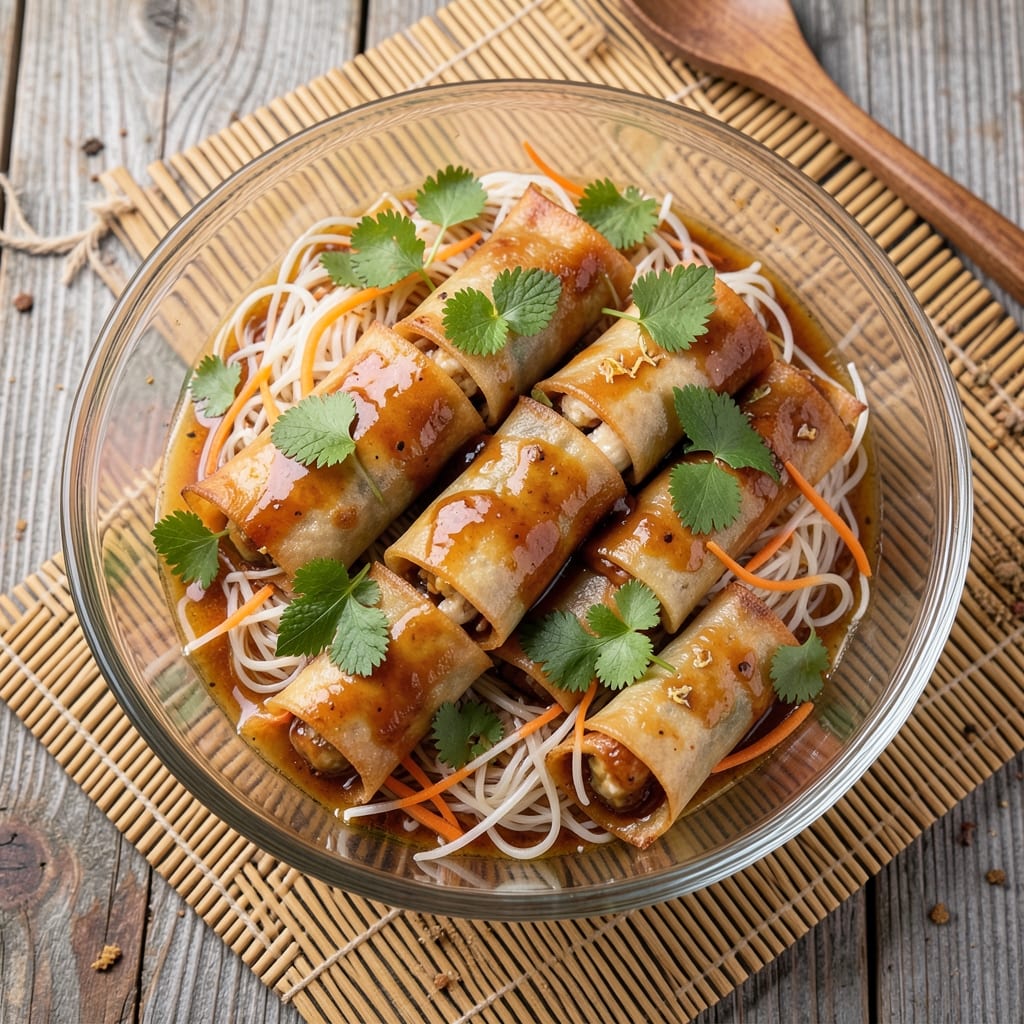
This Asian rice paper rolls recipe transforms simple ingredients into delicate, restaurant-quality summer rolls with a fresh herb twist. The secret lies in mastering the rice paper soaking technique—just a few seconds in warm water makes all the difference for crisp, pliable wrappers that hold every bite together perfectly. Whether you're wrapping tender shrimp, crisp tofu, or fresh vegetables, the key is balance: light fillings that won't weigh down the delicate paper.
The real magic happens with the dipping sauce—a simple yet transformative blend that elevates these rolls from appetizer to centerpiece. My version includes a subtle sweet-chili twist with lime and fish sauce (or vegan alternatives), creating a tangy, umami-rich sauce that pairs beautifully with the fresh herbs inside. These rolls aren't just a dish; they're a celebration of texture and flavor, where each component—crisp paper, tender fillings, and vibrant sauce—comes together in harmony.
Ingredients for asian rice paper rolls
Delicate rice paper wrappers and vibrant fresh herbs transform simple ingredients into elegant summer rolls with restaurant-quality texture.
| Ingredient | Amount | Notes |
|---|---|---|
| Rice Paper Wrappers (Spring Rolls) 🍱 | 12 pieces | Thin, round, 7-inch diameter |
| Extra-Firm Tofu 🥬 | 1 lb | Pressed, sliced into thin strips |
| Fresh Rice Vermicelli Noodles 🍜 | 6 oz | Soaked in warm water for 10 mins |
| Fresh Mint Leaves 🌿 | ½ cup | Stems removed, finely chopped |
| Fresh Cilantro Leaves 🌿 | ½ cup | Stems removed, finely chopped |
| Thinly Sliced Carrots 🥕 | 1 whole | Julienned, 2-inch pieces |
| Thinly Sliced Cucumber 🥒 | 1 whole | Seedless, 2-inch matchsticks |
| Lime Wedges 🍋 | 2 whole | Juiced for sauce, extra for garnish |
| Fresh Thai Basil Leaves 🌿 | ¼ cup | Finely chopped, aromatic |
| Vegetable Oil 🫒 | ¼ cup | For tofu pan-frying |
| Soy Sauce (or Tamari) 🍶 | 2 tbsp | For marinating tofu |
| Sweet Chili Sauce 🍅 | ⅓ cup | Store-bought or homemade |
| Fish Sauce (or Vegan Fish Sauce) 🍶 | 1 tbsp | For dipping sauce depth |
| Honey (or Agave Nectar) 🍯 | 1 tbsp | For sauce sweetness |
| Sesame Seeds 🌰 | 1 tbsp | Toasted for garnish |
The rice paper wrappers are the foundation—Thai Kitchen brand has the perfect balance of pliability and crispness. Store them in a dry place; once opened, keep them submerged in water with a damp towel draped over top to prevent drying. For the tofu, extra-firm variety holds up best during pressing. I use a tofu press or wrap it in a clean kitchen towel, placing heavy books on top for 20 minutes. The carrots and cucumber should be julienned uniformly for even texture—mandoline slicers make this effortless. Fresh herbs are non-negotiable here; Asian markets often have the brightest Thai basil and mint, but grocery store produce works too if you pick firm, vibrant leaves.
No rice paper wrappers? Lettuce leaves (like romaine or butter lettuce) can substitute in a pinch, though texture will differ. For the tofu, smoked paprika or turmeric adds depth if you want extra flavor without soy sauce. The dipping sauce is where creativity shines—substitute coconut aminos for soy sauce or add a dash of sriracha for heat. If you can't find fresh Thai basil, Italian basil with a pinch of fish sauce mimics the flavor profile. For the noodles, udon or soba noodles work as alternatives, though rice vermicelli is ideal for that signature chew. The lime juice should be freshly squeezed; bottled versions lack the bright acidity that balances the dish.
Rice paper wrappers stay fresh for 5 days in the fridge submerged in water, but they're best used within 2 days of opening for optimal texture. Tofu and vegetables hold for 3 days in airtight containers, while herbs last 4 days wrapped in damp paper towels. The dipping sauce keeps for 1 week refrigerated, though the flavors meld beautifully after 24 hours. For meal prep, assemble rolls just before serving to maintain crispness. If storing filled rolls, wrap them individually in plastic wrap and refrigerate for up to 2 days—reheat gently in a steamer for 30 seconds before serving.
Why You'll Love This Recipe
- No-Fuss Assembly: I swear by these rolls—just dip the rice paper, layer the tofu and noodles, and fold. No rolling pins, no stress, just satisfying crunch with every bite.
- Herb-Packed Freshness: That burst of mint and cilantro? It’s the secret weapon. The tofu stays tender while the herbs brighten everything up—like a zesty wake-up call in every roll.
- Lunchbox Hero: Between us, these are my go-to for packed lunches. The vermicelli holds up, the tofu stays moist, and no one complains when they’re cold (or even reheated).
- Budget Meal Stretch: A single block of tofu and a bag of noodles feed four people for way less than takeout. Plus, leftovers? They’re even better the next day—crispier, somehow.
Step-by-step instructions for fresh herb rice paper rolls
Here's the method I use to create delicate, flavorful rice paper rolls with a signature dipping sauce that elevates every bite.
Prepare the Tofu and Noodles
Begin by pressing the 1 lb extra-firm tofu between paper towels for 15 minutes to remove excess moisture. Slice it into thin strips—about ¼-inch thick—and set aside. In a small bowl, whisk together 2 tablespoons soy sauce (or tamari) with 1 tablespoon fish sauce (or vegan fish sauce). Add the tofu strips to this marinade and let them soak for 10 minutes while you prepare the remaining ingredients.
Next, soak the 6 oz fresh rice vermicelli noodles in warm water for 10 minutes until pliable but still holding their shape. Drain and rinse briefly under cold water to stop the cooking process. This prevents the noodles from becoming mushy when wrapped. Chop the 0.5 cup fresh mint leaves, 0.5 cup fresh cilantro leaves, and 0.25 cup fresh Thai basil leaves separately—you'll need them finely chopped for the filling. The herbs should be bright and vibrant, not wilted.
Assemble the Dipping Sauce
In a small bowl, combine 0.33 cup sweet chili sauce, 1 tablespoon honey (or agave nectar), and 1 tablespoon fish sauce (or vegan fish sauce). Stir well until fully blended. This sauce should have a balanced sweetness and tang—adjust the honey slightly if needed. The sauce is ready when it's smooth and glossy, with no visible streaks of honey. Taste a small amount to ensure the flavors are harmonious; it should be slightly sweet, with a hint of heat and umami from the fish sauce.
Transfer the sauce to a small serving dish and set aside. Toast 1 tablespoon sesame seeds in a dry skillet over medium heat for 1-2 minutes until golden and fragrant. Let them cool slightly before sprinkling over the completed rolls. The toasted sesame adds a nutty crunch that contrasts beautifully with the soft texture of the rolls.
Prepare the Vegetable Fillings
Julienne the 1 whole thinly sliced carrots and 1 whole thinly sliced cucumber into 2-inch matchsticks. Place them in a colander and rinse briefly under cold water to remove any excess moisture. Pat them dry with paper towels—this step is crucial to prevent soggy rolls. The vegetables should be crisp and fresh, not limp or waterlogged. Arrange them in a single layer on a paper towel-lined plate to absorb any remaining moisture while you work.
In a small bowl, mix the drained vermicelli noodles with the chopped herbs. The filling should be light and airy, not packed tightly. This mixture will form the core of each roll, so distribute it evenly to ensure each bite has a balance of noodles, herbs, and vegetables. Keep the filling at room temperature while you assemble the rolls for the best texture.
Assemble the Rice Paper Rolls
Fill a large shallow dish with warm water—just enough to cover the bottom. Dip one rice paper wrapper at a time into the water for 5-10 seconds until it softens and becomes pliable. Work quickly but carefully; the wrapper should be flexible but not soggy. Lay the softened wrapper on a clean, flat surface, such as a bamboo mat or a clean kitchen towel.
Place 2-3 strips of marinated tofu along the bottom third of the wrapper, followed by a small handful of the herb-noodle mixture. Add 3-4 matchsticks of carrot and cucumber on top of the noodles, arranging them in a single layer. Fold the bottom of the wrapper over the fillings, then fold in the sides gently but firmly. Roll tightly from the bottom up, using the mat or towel to help guide the roll. The wrapper should encase the fillings snugly but not burst.
Serve and Enjoy
Repeat the process until all 12 rice paper wrappers are used. Arrange the completed rolls on a platter, seam-side down, and drizzle lightly with any remaining dipping sauce. Sprinkle the toasted sesame seeds evenly over the top for added texture and flavor. Serve immediately while the rolls are still fresh and crisp. Each roll should hold its shape without falling apart, with a delicate balance of flavors in every bite.
For the best experience, serve the rolls with extra dipping sauce on the side. The contrast between the crisp wrapper, tender tofu, chewy noodles, and fresh vegetables creates a satisfying texture profile, while the sauce ties everything together with its sweet, tangy, and umami notes. Enjoy these rolls as a light lunch or appetizer, paired with a crisp green salad or a steaming bowl of pho for a complete meal.
Pro Tips For Making Asian Rice Paper Rolls
- SOAK WRAPPERS JUST RIGHT: Fill a shallow dish with warm (not boiling) water—about 80°F—and let rice paper wrappers soak for 10-15 seconds per sheet. They’ll soften enough to wrap but won’t turn to mush if you linger too long. I used to over-soak and end up with sad, limp rolls that fell apart when dipped.
- CUT TOFU IN HALF: Slice extra-firm tofu into ½-inch thick planks, then cut each plank into 3 equal strips. This size gives you perfect bite-sized pieces that crisp up evenly in the pan. Thicker slices stay rubbery, thinner ones burn before they brown—I learned this after one disastrous batch where half the tofu was still raw inside.
- COOL NOODLES BEFORE WRAPPING: Rinse rice vermicelli, drain, and spread them on a damp towel to cool for 5 minutes. Warm noodles make the wrappers soggy instantly, and the rolls will unravel when you try to roll. Cold noodles also hold their shape better when stuffed—no more sticky messes.
- STACK WRAPPERS TOWARD THE END: Keep your rice paper wrappers stacked in a sealed plastic bag until you’re ready to use the last 3-4 sheets. The first few will dry out faster than you think, especially in humid kitchens. I now prep a fresh batch every 10 minutes to avoid the frustration of brittle, unusable wrappers halfway through.
Perfect pairings for this dish
Herb Pairing Secrets
Balance is key when pairing herbs with your rice paper rolls. I always combine fresh mint, cilantro, and Thai basil for that signature Southeast Asian brightness. The mint adds coolness, cilantro brings freshness, and Thai basil delivers an aromatic depth. For extra zing, toss in ½ cup fresh cilantro stems (finely chopped) - they pack even more flavor than the leaves alone. 🌿
Protein Alternatives
While tofu works beautifully, shrimp creates a luxurious variation. Toss ½ lb peeled shrimp with 1 tbsp soy sauce and ½ tsp black pepper, then pan-sear for 1-2 minutes per side until just pink. For chicken lovers, use ½ lb ground chicken mixed with 1 tbsp fish sauce and 1 tsp grated ginger—cook until no longer pink. Both options keep the rolls light yet satisfying.
Vegetable Swaps
Avocado adds richness while keeping the dish vegetarian. Slice ½ ripe avocado into thin strips and add to your vegetable mix. For extra crunch, include ¼ cup bean sprouts—they hold up well during rolling. If you love heat, add 2 tbsp thinly sliced jalapeño (seeds removed) for a subtle kick that pairs perfectly with the sweet chili sauce. 🌶️
Sauce Variations
For a nutty twist, blend ¼ cup peanut butter with 1 tbsp lime juice and 1 tbsp soy sauce. This creates a creamy, rich sauce that contrasts beautifully with the fresh herbs. For heat lovers, mix 2 tbsp sriracha with the original sauce. The vegan version? Simply substitute vegan fish sauce and ensure your sweet chili sauce contains no honey.
Plating Presentation
Arrange rolls on a bamboo steamer basket for an elegant presentation. Garnish with extra herbs and a sprinkle of toasted sesame seeds**. For a festive touch, create a "flower" arrangement by placing rolls in a circular pattern with sauce in the center. Serve with lime wedges on the side—guests can squeeze fresh juice over their rolls for that restaurant-quality experience. ✨
Nutrition facts
Frequently asked questions
Can I make these rice paper rolls without fresh herbs?
Fresh herbs are ideal, but you can substitute with dried versions if needed. Use 1 tablespoon dried herbs for every 0.5 cup fresh herbs called for in the recipe. For example, swap fresh mint for dried mint and cilantro for dried parsley. The texture will be slightly different, but the flavor will still shine in the dipping sauce.
How do I prevent my rice paper rolls from falling apart?
Keep your fillings light and dry—overloading the wrappers is the #1 cause of breakage. Use 2-3 strips of tofu and a small handful of noodles per roll, then roll tightly from the bottom up. Work quickly after soaking the paper (it hardens fast!) and use a bamboo mat for guidance. If a roll starts unraveling, gently press the edges with your fingers to reseal.
What's the best way to store leftover rice paper rolls?
Store them individually wrapped in plastic wrap in the fridge for up to 2 days. For longer storage, freeze unassembled ingredients separately and roll fresh when ready. Reheat gently in a steamer for 30 seconds before serving—microwaving makes them soggy. The dipping sauce keeps for 1 week refrigerated in an airtight container.
Can I make these rolls ahead of time?
Yes! Assemble the rolls without the sauce, then wrap each one in plastic wrap. Refrigerate for up to 4 hours before serving. For a make-ahead meal, prep all fillings and sauces the night before, then roll fresh when guests arrive. The key is keeping everything dry—wet ingredients cause soggy wrappers.
What's the difference between Vietnamese and Thai rice paper rolls?
Vietnamese summer rolls (Gỏi cuốn) typically use rice vermicelli noodles and are served fresh with herbs and vegetables, while Thai rolls (Por Pia Tod) often include raw shrimp or pork and are sometimes lightly pan-fried. Both use rice paper, but Thai versions may include crispy fried shallots or rice powder for extra crunch. This recipe blends both styles with a fresh, herb-forward approach.