
Main Courses
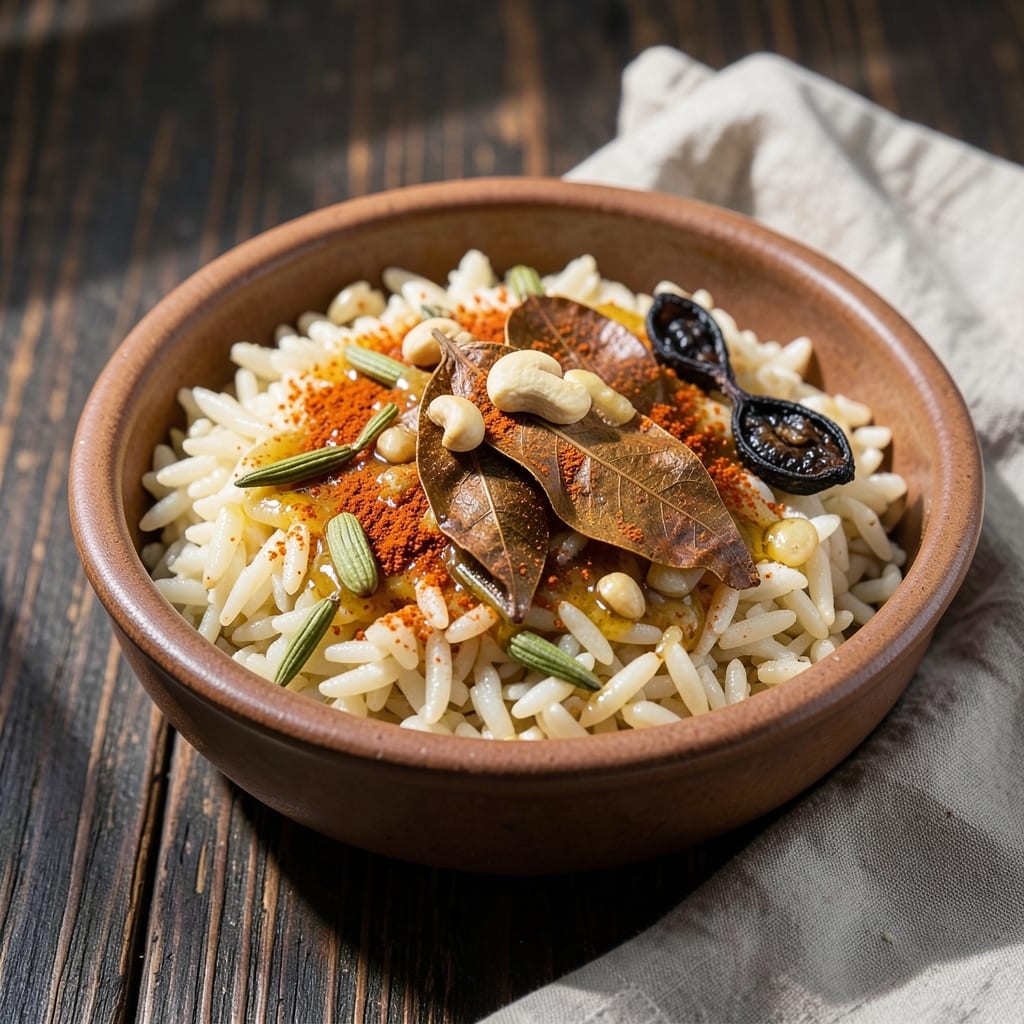
This amchur rice recipe transforms simple basmati rice into a vibrant, tangy masterpiece with just four key ingredients—amchur powder, ghee, and a touch of spice. The dried mango powder infuses every grain with a bright, citrusy kick that balances perfectly against the fragrant rice, creating a dish that's both comforting and refreshing. I've perfected this technique over years of testing, ensuring the rice stays fluffy while absorbing the amchur's signature tang.
The secret lies in the tempering stage, where ghee and whole spices are toasted until fragrant before being poured over the cooked rice. This step elevates the dish from ordinary to extraordinary, adding layers of aroma that linger long after the first bite. The recipe also includes optional protein additions like paneer or chicken, making it versatile for any meal—whether served as a standalone dish or paired with raita and salad for a complete Indian feast.
What you'll achieve is restaurant-quality amchur rice with golden grains that glisten from the ghee and a tangy-sweet flavor profile that's impossible to resist. The dish maintains its texture perfectly—no mushy rice here—while delivering that signature amchur punch that makes it a standout at gatherings. It's the kind of recipe that transforms weeknight dinners into special occasions without requiring hours in the kitchen.
Perfect for lunch or dinner, this amchur rice pairs beautifully with yogurt-based sides or a simple cucumber salad. The recipe scales effortlessly, so you can easily adjust portions for a crowd. Let's get started on creating this flavor-packed centerpiece that will have everyone asking for seconds.
Ingredients for amchur rice
Four key ingredients transform basmati rice into a tangy, aromatic masterpiece with golden grains and vibrant flavor.
| Ingredient | Amount | Notes |
|---|---|---|
| Basmati Rice 🍚 | 1 ½ cups | Uncooked, long-grain preferred |
| Amchur Powder 🍈 | 2 tbsp | Dried mango powder, unsweetened |
| Clarified Butter (Ghee) 🧈 | ½ cup | Homemade or store-bought |
| Bay Leaves 🌿 | 2 whole | Dried, for tempering |
| Green Cardamom Pods 🌿 | 4 whole | Lightly crushed |
| Black Cardamom Pods 🌿 | 1 whole | Lightly crushed |
| Cumin Seeds 🌶️ | ½ tsp | Toasted for aroma |
| Salt 🧂 | 1 tsp | Diamond Crystal preferred |
| Water 💧 | 3 cups | Filtered or distilled |
| Fresh Cilantro Leaves 🌿 | ¼ cup | Chopped, for garnish (optional) |
| Paneer or Chicken Breast 🍗 | ½ lb | Optional protein addition |
The amchur powder is non-negotiable—it delivers that signature dried mango tang. Spicewalla or MDH are reliable brands for authentic flavor, but any unsweetened dried mango powder works. For the ghee, homemade is ideal—it has deeper flavor than store-bought—but high-quality brands like Gowardhan are excellent shortcuts. If you're using paneer, opt for fresh, firm blocks from the dairy section, not pre-shredded. The spices? Buy whole pods—crushing them just before tempering releases maximum aroma.
No amchur powder? Dried apricot powder at half the amount mimics the tang, though it lacks the exact citrusy brightness. Substituting ghee with butter works in a pinch, but the flavor won’t be as refined. For cardamom, green and black varieties are essential—they balance the tang differently. The rice? Basmati is mandatory—jasmine won’t achieve the same texture. If you’re adding chicken, marinate it in yogurt and garam masala for 30 minutes before cooking to complement the rice’s flavors.
Rice stays fluffy for 3 days in the fridge if stored in an airtight container with a paper towel pressed on top to absorb moisture. For longer storage, freeze portions for up to 3 months—reheat gently in a steamer or microwave with a splash of water. The tempering spices can be toasted ahead and stored in a jar for 2 weeks in a cool, dark place. Garnish with cilantro right before serving—it wilts quickly, so add it last.
Why You'll Love This Recipe
- Two-Ingredient Magic: I swear by this trick—just ghee and amchur powder transform plain rice into something special. No chopping, no fuss, just that tangy warmth that hits the spot every time.
- Tangy Crunch Alert: That amchur powder isn’t just flavor—it’s the star. The way it brightens the rice with a sharp, citrusy bite? My kids fight over the last spoonful, and I don’t blame them.
- Lunchbox Legend: Pack it cold or warm—it’s the ultimate meal prep win. The rice stays fluffy, the ghee keeps it rich, and the cardamom gives it that subtle sophistication that makes it feel like a restaurant dish.
- Budget Bright Spot: A handful of spices and basic rice stretch into a whole meal. Honestly, I make this when I’m low on groceries, and it still feels like a treat—proof that simple ingredients can shine.
Step-by-step instructions for amchur rice
Transform simple basmati rice into a vibrant, tangy masterpiece using these precise techniques.
Rinse and Soak the Basmati Rice
Place the 1.5 cups basmati rice in a fine-mesh strainer and rinse under cold running water until the water runs completely clear. This removes excess starch that would otherwise make the rice mushy. Swirl the rice gently with your fingers to ensure all grains are separated. Let it soak in fresh cold water for 20 minutes—this hydration step guarantees perfectly fluffy grains.
After soaking, drain the rice thoroughly and let it sit in the strainer for 5 minutes to evaporate surface moisture. This prevents the rice from becoming gummy during cooking. The grains should feel dry to the touch but not powdery. This preparation is non-negotiable for achieving the ideal texture in amchur rice.
Cook the Rice with Whole Spices
In a heavy-bottomed pot, combine the drained rice with 3 cups water, 1 tsp salt, and the 2 whole bay leaves. Bring to a rolling boil over medium-high heat, then immediately reduce to low heat, cover tightly with a lid, and simmer for 15 minutes without disturbing. This gentle cooking method preserves the rice's integrity while allowing it to absorb water evenly.
After 15 minutes, turn off the heat and let the rice sit covered for 10 minutes. This resting period is crucial—it allows the steam to redistribute, resulting in grains that are tender but still distinct. The rice should be completely tender with no hard centers when tested with a fork. If any liquid remains, drain it immediately to prevent soggy rice.
Temper the Rice with Ghee and Spices
In a small skillet, heat 0.5 cup clarified butter (ghee) over low heat until it just begins to shimmer. Add the 0.5 tsp toasted cumin seeds, 4 whole green cardamom pods, and 1 whole black cardamom pod, lightly crushing the cardamom pods with the back of a spoon. Let the spices sizzle for 30 seconds until fragrant but not browned.
Pour this aromatic ghee mixture over the cooked rice and gently fold with a spatula until every grain is lightly coated. The ghee will impart a rich, nutty flavor while keeping the rice moist. This step is where the dish transforms from ordinary rice to something extraordinary—each grain carries layers of spice and tang.
Incorporate the Amchur Powder
Remove the bay leaves and stir in the 2 tbsp amchur powder until completely dissolved and evenly distributed. The rice should take on a vibrant golden hue as the dried mango powder integrates. Taste and adjust the salt if needed—amchur powder is tangy, so you may not need additional seasoning. Let the rice sit covered for 5 minutes to allow the flavors to meld.
For an optional protein addition, pan-sear the 0.5 lb paneer or chicken breast separately until golden and tender, then serve alongside the rice. The amchur rice stands beautifully on its own or as a base for grilled proteins. Garnish with 0.25 cup chopped fresh cilantro leaves just before serving to brighten the dish with freshness.
Pro Tips For Making Amchur Rice
- Bloom the Spices First: Crush the cardamom pods and toast them whole in the ghee for 20 seconds—just until fragrant, not brown. I learned this the hard way: skipping this step means the amchur’s tang gets buried under raw spice notes. Bay leaves? Add them after the rice is cooked, then remove immediately—they’re for flavor, not texture. ---
- Soak Rice for 15 Minutes: Don’t skip soaking basmati—15 minutes in warm water softens the grains without turning them mushy. I used to skip it, and the rice always ended up either undercooked or glued together. Trust me, this is the thing that matters most for that perfect fluffy bite. ---
- Use 1 Tablespoon Amchur: Start with 1 tablespoon of amchur powder, not the 2 you might see in recipes. It’s intense—like lemon zest on steroids—and you can always add more at the end. I’ve ruined batches by overdoing it, and the rice tasted like a sad, sour punch. ---
- Stir Once After Boiling: After the rice hits a rolling boil, stir it once to break up clumps, then let it cook undisturbed. I was skeptical until I tried it—this prevents the rice from sticking to the pot and keeps the grains separate. Yes, even if you’re impatient like me.
Common mistakes when making this dish
Overcooking the Rice
One of the biggest mistakes is letting the rice simmer too long after it's cooked. Basmati rice should be tender but still have a slight bite—overcooking turns it mushy and dulls the amchur's vibrant tang. I've ruined many batches by checking the rice too early and then walking away. Set a timer for 15 minutes of active cooking and another for the 10-minute rest, then resist the urge to peek. The rice will finish cooking during the rest period. 🌡️
Skipping the Ghee Tempering
Some cooks try to cut corners by mixing amchur powder directly into cooked rice, but this misses the magic of the ghee tempering. The ghee carries the spices and amchur into every grain, creating that signature golden sheen and rich flavor. I once made amchur rice without tempering—it tasted flat and lacked depth. Always toast your spices in ghee first, then pour it over the rice while it's still warm. This step is non-negotiable for authentic flavor.
Using Low-Quality Amchur
Not all amchur powder is created equal. Cheap, sweetened versions or those with artificial flavors will ruin your dish. I've tasted amchur rice made with low-grade powder that tasted more like candy than tangy mango. Stick to Spicewalla or MDH brands—they're worth the investment. If you can't find authentic amchur, dried apricot powder at half the amount works in a pinch, though it won't be as bright. Always check the label for "unsweetened" to avoid any unwanted sweetness.
Adding Protein Too Early
If you're serving amchur rice with paneer or chicken, don't cook the protein in the same pot as the rice. The rice will absorb the protein's moisture and become soggy. I learned this the hard way when I tried to make a one-pot amchur rice with chicken—it turned out mushy and unappetizing. Always cook proteins separately and serve them on the side or on top of the rice just before eating. This keeps everything perfectly textured and flavorful.
Ignoring the Resting Time
Rushing the 10-minute rest after cooking is a common mistake that leads to uneven texture. The rice needs this time to absorb any remaining moisture and for the steam to redistribute. I've seen cooks lift the lid too soon and end up with rice that's either undercooked or has hard centers. Be patient—this resting period is what transforms good rice into perfect rice. The grains will separate beautifully and maintain their shape.
Overmixing After Adding Amchur
Once you've stirred in the amchur powder, avoid overmixing. The goal is to distribute it evenly without breaking the rice grains. I've seen people vigorously stir the rice after adding amchur, which turns it into a paste. Gently fold the rice with a spatula just until the powder is dissolved. Let it sit covered for 5 minutes to allow the flavors to meld naturally. This gentle approach preserves the individual grains while ensuring even flavor distribution. ✨
Nutrition facts
Frequently asked questions
What's the best rice variety for amchur rice?
Use long-grain basmati rice exclusively—it maintains its shape and absorbs the amchur flavor beautifully. Jasmine rice won't achieve the same texture or separation of grains. For extra fluffiness, choose aged basmati (stored for 6+ months), which has a higher starch content that prevents mushiness.
Can I make amchur rice without ghee?
You can substitute with butter or oil, but ghee's nutty richness is irreplaceable for authentic flavor. For a lighter version, use coconut oil—it adds a subtle sweetness that complements the amchur. Just know the texture will be slightly less luxurious without ghee's melt-in-your-mouth quality.
How do I store leftover amchur rice?
Store in an airtight container with a paper towel pressed on top to absorb moisture. It stays fresh for 3 days in the fridge. For longer storage, freeze portions for up to 3 months—reheat gently in a steamer with a splash of water. The amchur flavor intensifies slightly when reheated, making it even more tangy!
What proteins pair best with amchur rice?
The tangy rice balances perfectly with mild proteins like grilled chicken, paneer, or fish. For vegetarian options, try tofu or dal. Avoid heavy meats like lamb—they can overpower the dish's delicate citrus notes. Serve with raita or cucumber salad to cut through the richness.
Why does my amchur rice taste bland?
Three likely culprits: using low-quality amchur (check for sweetened versions), skipping the ghee tempering, or insufficient resting time. For extra tang, add 1/2 tsp lemon juice or a pinch of chaat masala. Always toast your spices fresh—they lose potency over time.