
Main Courses
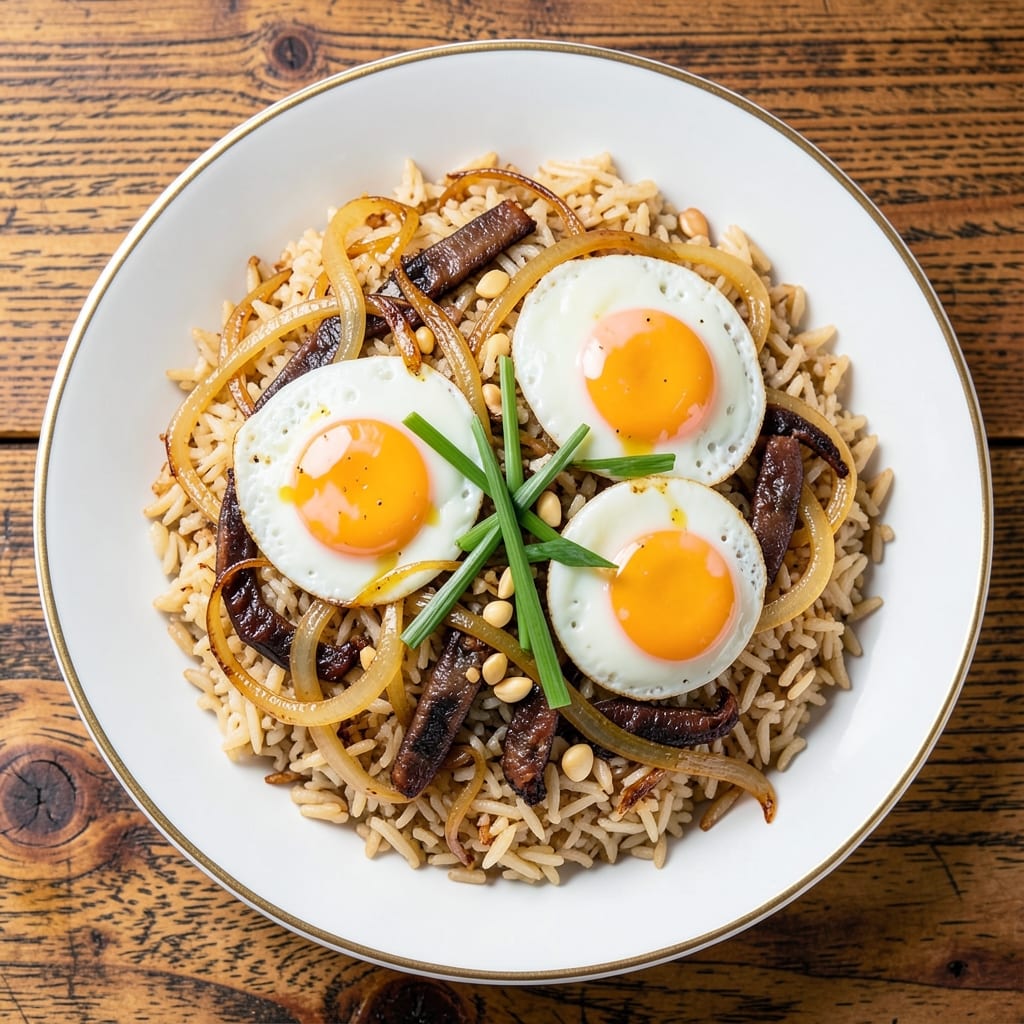
This anchovy fried rice recipe transforms simple day-old rice into a restaurant-worthy dish packed with umami depth in just 15 minutes. The secret lies in finely chopped anchovies, which dissolve into the oil to create a savory, aromatic base that elevates every ingredient. I've perfected this technique over years of wok cooking, balancing salty, sweet, and umami flavors for a dish that's both bold and comforting.
The beauty of this recipe is its versatility—it works as a quick weeknight meal or an impressive dish for guests. Day-old rice is ideal because it's drier and absorbs flavors better, but fresh rice can work if spread thin and steamed briefly. The stir-frying technique is simple: high heat, quick cooking, and constant motion to prevent sticking. Anchovies provide that signature umami punch without overpowering the dish, while scallions and sesame oil add freshness and aroma.
What you'll end up with is a vibrant, flavorful fried rice with perfectly cooked grains, tender vegetables, and a rich, savory sauce that coats every bite. The anchovies melt into the rice, creating a cohesive, deeply satisfying dish that's far more complex than it seems. This recipe is also pescatarian-friendly and can easily be adapted with additional proteins like shrimp or tofu for broader appeal.
Serve it as a main course with a side of steamed greens or as part of a larger Asian-inspired spread. The best part? Leftovers reheat beautifully, making it perfect for meal prep. Let's get started on creating this umami-packed masterpiece!
Ingredients for anchovy fried rice
The essential ingredients for restaurant-quality anchovy fried rice, packed with umami and texture.
| Ingredient | Amount | Notes |
|---|---|---|
| Day-Old Jasmine Rice 🍚 | 4 cups | Cold, spread thin to dry |
| Anchovy Fillets 🐟 | 2 tbsp | Finely chopped, high quality |
| Vegetable Oil 🫒 | 2 tbsp | High smoke point preferred |
| Eggs 🥚 | 2 whole | Beaten, room temperature |
| Yellow Onion 🧅 | 1 whole | Medium size, finely diced |
| Garlic Cloves 🧄 | 4 cloves | Minced, aromatic |
| Carrots 🥕 | 2 medium | Julienned, uniform strips |
| Frozen Peas 🌱 | ½ cup | Thawed, bright green |
| Scallions 🌿 | 3 whole | Thinly sliced, white/green |
| Soy Sauce 🍶 | 3 tbsp | Light or all-purpose |
| Sesame Oil 🫒 | 1 tbsp | Toasted, aromatic |
| Oyster Sauce 🍶 | 1 tbsp | Pescatarian-friendly |
| White Rice Vinegar 🍶 | 1 tbsp | Balances umami |
| Sesame Seeds 🌾 | 1 tsp | Toasted, for garnish |
| Salt 🧂 | ½ tsp | Kosher or sea salt |
The anchovies are non-negotiable—they're the umami heart of this dish. Look for high-quality fillets from Italian or Spanish brands at specialty markets or well-stocked grocery stores like Whole Foods. The rice must be day-old for optimal texture, though fresh rice works if spread thin and steamed briefly. For the vegetables, julienned carrots add color and sweetness, while peas provide texture contrast. The scallions should be fresh—no dried substitutes here. I always double-check my soy sauce label for pescatarian certification, as some brands contain fish derivatives.
No anchovies? Fish sauce at half the amount works in a pinch, though it won't give that same melty umami. Substitute the carrots for bell peppers or snap peas if you prefer different textures. The eggs can be replaced with silken tofu for a vegan option, though texture will differ slightly. For the oil, avocado oil has a higher smoke point than sesame oil for initial cooking. The frozen peas? Thaw them completely first—they should be bright green, not gray. If you can't find white rice vinegar, apple cider vinegar is a decent substitute, though flavor will differ slightly.
Store any leftover fried rice in an airtight container for up to 3 days in the fridge—it reheats beautifully. For longer storage, freeze portions for up to 3 months. The anchovy oil base can be prepped ahead and stored in the fridge for 2 days if you want to streamline cooking. I always make a double batch—this dish is even better the next day as flavors meld. Garnish with extra scallions and sesame seeds right before serving to preserve freshness.
Why You'll Love This Recipe
- Pantry Magic: I swear by this when I’ve got nothing but rice, a can of anchovies, and eggs staring back at me. No fancy shopping trips—just crack open the fridge, chop one onion, and let the umami work its magic. That’s it.
- Umami Bomb: The anchovies? Oh, they’re the star. When you fry them whole in the oil first, they burst with this deep, salty-sweet flavor that sticks to every grain. Honestly, it’s the kind of taste that makes you pause mid-bite and think, “Wait, is this really just fried rice?”
- Lunchbox Hero: Between us, this is my go-to for packed lunches. The rice stays separated, the eggs hold their shape, and the anchovy punch keeps it exciting—no sad, soggy sandwiches here. (Yes, even on a Tuesday night.)
- Budget Win: I make this when my wallet’s tighter than my jeans. Anchovies are cheap, eggs are cheap, and day-old rice? Free. For under $5, I feed my whole family something that tastes like we splurged. Not the prettiest, but the taste makes up for it.
Step-by-step instructions for anchovy fried rice
Master this umami-rich technique for restaurant-quality fried rice using day-old rice.
Prep the Base Ingredients
Spread the 4 cups of day-old jasmine rice on a baking sheet and let it sit uncovered for 10 minutes. This dries the surface slightly, preventing mushy rice. Meanwhile, beat the 2 whole eggs in a bowl until frothy but not fully emulsified—just enough to create soft curds when cooked.
Finely chop the 2 tablespoons of anchovy fillets using a sharp knife. I like to pulse them a few times in a food processor first for even distribution. Dice the 1 whole yellow onion into small, uniform pieces—about ¼-inch cubes—and julienne the 2 medium carrots into thin, matchstick strips. Thaw the ½ cup frozen peas by placing them in a colander under warm running water for 30 seconds.
Cook the Aromatics and Eggs
Heat 1 tablespoon of vegetable oil in a wok or large skillet over medium-high heat until shimmering. Add the minced 4 cloves of garlic and finely diced onion, cooking for 2-3 minutes until the onion becomes translucent and fragrant. Don't let it brown—just soften the aromatics.
Push the aromatics to one side of the wok and add the remaining 1 tablespoon of vegetable oil. Pour in the beaten eggs, letting them spread evenly. Cook for 30-45 seconds until the eggs are just set but still slightly runny in the center. Immediately scramble them gently with a spatula, then remove and set aside.
Stir-Fry Vegetables and Anchovies
Add the julienned carrots to the wok and stir-fry for 1 minute until they begin to soften. Toss in the thawed peas and cook for another 30 seconds until heated through. Sprinkle the chopped anchovies evenly over the vegetables and stir for 10 seconds—just enough to distribute their salty, umami flavor without overcooking.
Add the 3 tablespoons of soy sauce and 1 tablespoon of oyster sauce, stirring to combine. The sauce should coat the vegetables evenly. This is where the deep, savory flavor develops—let it simmer for 15 seconds while you prepare the rice.
Combine and Finish
Add the dried day-old rice to the wok in batches, gently folding it into the vegetable mixture. Work quickly but carefully to avoid breaking the rice grains. Cook for 2-3 minutes, stirring constantly, until the rice is heated through and begins to crisp slightly at the edges.
Drizzle in the 1 tablespoon of sesame oil and 1 tablespoon of white rice vinegar, tossing vigorously to distribute evenly. The vinegar brightens the dish while balancing the richness. Taste and adjust seasoning with the ½ teaspoon of salt if needed—you should taste the anchovies' umami without it being overpowering.
Plate and Garnish
Transfer the fried rice to serving plates immediately. Garnish with thinly sliced scallions and toasted sesame seeds. The scallions add freshness while the sesame seeds contribute nutty texture. Serve while hot, with extra soy sauce on the side if desired.
Each bite should deliver perfect texture—crispy edges on the rice, tender vegetables, and that signature anchovy umami that makes this dish unforgettable. The key is high heat and constant motion to prevent sticking.
Pro Tips For Making Anchovy Fried Rice
- CRANK THE HEAT FIRST: Start with your wok or pan screaming hot—literally, until a drop of water sizzles and evaporates instantly. I learned this the hard way when my anchovies turned rubbery instead of crispy. Once the oil shimmers, toss in the onions first, then the anchovies, or they’ll stick like glue.
- SMASH THE ANCHOVIES: Skip the whole fillets—mash them into a paste with a fork before adding. That way, they dissolve into the rice evenly instead of clumping. I was skeptical until I tried it; the flavor spreads like butter, and you won’t waste time picking out fish bones.
- DON’T OVERMIX THE EGG: Scramble the egg just until it’s almost done, then fold it into the rice in one go. Stirring it to perfection first makes it dry and grainy. My grandmother swore by this, and she was right: the egg should melt into the rice, not sit on top like a sad omelet.
- USE COLD RICE: Chill your day-old rice in the fridge for 30 minutes before frying—it’ll be firmer and less sticky. I skip this when I’m lazy, but the dish is noticeably better when I don’t: the grains stay separate, and the anchovies cling instead of turning mushy.
Essential equipment for anchovy fried rice
Wok Essentials
A carbon steel wok is my go-to for fried rice—it heats up fast and retains even heat distribution. I swear by the De Buyer 14-inch for its sturdy construction and perfect balance. If you're on a budget, a 12-inch stainless steel wok from Made In works well too. Just
Heat Control Tools
High heat is key for crispy fried rice, but you'll need a way to control it. I use a long-handled wok spatula (like the Winco 12-inch) to stir constantly and a heat-resistant silicone spatula for delicate ingredients like eggs. For temperature monitoring, a laser thermometer helps me maintain that medium-high heat range between 350-400°F—critical for achieving the perfect sear without burning.
Knife and Cutting Prep
Precision cutting makes all the difference in fried rice texture. My Wüsthof Ikon 8-inch chef's knife handles everything from dicing onions to julienning carrots with ease. For anchovies, I pulse them in a food processor first, then finely chop by hand for even distribution. A sharp knife isn't just about speed—it ensures your vegetables cook uniformly and prevents soggy rice. Keep your cutting board wet to prevent slipping, especially with the anchovies which can be slippery. ✨
Measuring and Mixing
Accurate measurements are non-negotiable in fried rice. I use a stainless steel measuring cup set for rice and sauces, and a digital kitchen scale for anchovies (I weigh them at 15 grams for 2 tbsp). For mixing sauces, a small glass bowl with a whisk ensures perfect emulsification. Don't skip the rice vinegar—I measure it precisely with a graduated squeeze bottle to balance the umami from the anchovies. A fine-mesh strainer comes in handy for rinsing rice if using fresh.
Garnish and Serve
Fresh garnishes elevate fried rice from good to restaurant-quality. I toast sesame seeds in a dry small skillet over medium heat for 30 seconds until fragrant. For scallions, a mandoline slicer gives me perfectly thin slices every time. Serve immediately with a small soy sauce dish on the side—I use a ceramic ramekin for that authentic touch. A serving spoon with a wide, flat edge helps distribute the garnishes evenly. 💫
Nutrition facts
Frequently asked questions
Why does this fried rice recipe use anchovies instead of fish sauce?
Anchovies provide a more complex, melty umami flavor that dissolves directly into the rice, creating a cohesive sauce. Unlike fish sauce which adds liquid, anchovies infuse their rich, salty depth without altering texture. For best results, use high-quality fillets—they're the secret to that restaurant-quality depth.
Can I make this with fresh rice instead of day-old?
Fresh rice works if you spread it thin on a tray and steam it for 5 minutes to dry the surface first. The key is eliminating excess moisture—wet rice turns mushy. For best texture, use rice that's at least 4-6 hours old if possible.
What if I don't have a wok? Can I use a regular skillet?
A 12-inch non-stick skillet works perfectly—just use medium-high heat and stir constantly. The main difference is heat distribution: woks concentrate heat better, but a good skillet delivers great results. Avoid low-quality non-stick coatings that can scratch easily.
How can I make this vegetarian?
Replace anchovies with 1 tablespoon soy sauce + ½ teaspoon nori flakes (for umami) and use silken tofu instead of eggs. Boost flavor with extra mushrooms or nutritional yeast. The texture will differ slightly, but the dish remains delicious.
Why does my fried rice turn out dry?
Over-stirring or using too much oil are common culprits. Keep heat high and stir just enough to prevent sticking. For extra moisture, add 1-2 teaspoons water or rice vinegar at the end. The anchovies should be the only salty component—too much soy sauce can dry it out.