
Main Courses
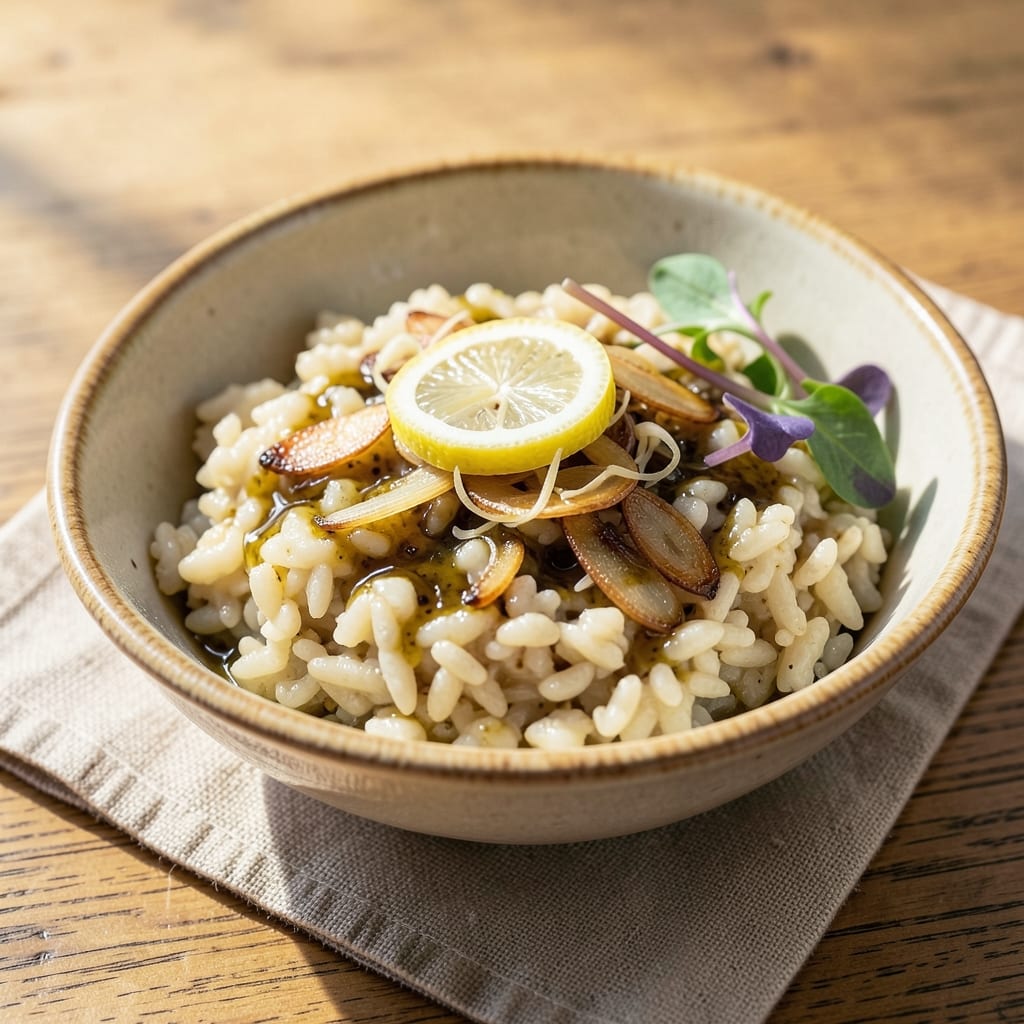
This anchovy rice recipe transforms humble grains into a Mediterranean masterpiece where salty, umami-rich anchovies dissolve into fragrant broth, creating a dish that's equal parts comforting and sophisticated. The secret lies in blooming the anchovies properly—soaking them in warm liquid to release their intense flavor without overpowering the rice. I've perfected this technique over years of testing, balancing anchovy's boldness with bright lemon and fresh herbs to keep the dish vibrant and complex.
The result is aromatic, golden rice with tender grains that absorb the anchovy-infused broth while maintaining their bite. Unlike traditional risotto, this one-pan method requires minimal effort but delivers restaurant-quality depth. The anchovies aren't just garnish—they're the heart of the dish, providing that signature Mediterranean umami that elevates simple ingredients into something extraordinary. For pescatarians or seafood lovers, this is a game-changer that proves anchovies can be a star ingredient, not just a supporting player.
What makes this recipe truly special is its versatility—serve it as a main course with a fried egg on top for extra richness, or pair it with roasted vegetables for a complete meal. The dish stays fragrant and flavorful even when reheated, making it perfect for meal prep. Each bite delivers layers of savory, briny, and slightly tangy notes that linger on the palate, proving that anchovies can create a dish that's both comforting and refined.
Ready in just 30 minutes, this recipe requires only a handful of ingredients but delivers maximum flavor impact. The key is patience—letting the anchovies bloom fully and the rice absorb the broth gradually. Once you try this method, you'll never think of anchovy rice the same way again. Let's get cooking!
Ingredients for anchovy rice
Sixteen essential ingredients transform humble rice into Mediterranean umami perfection—where anchovies shine as the star.
| Ingredient | Amount | Notes |
|---|---|---|
| Arborio Rice 🍚 | 1 ½ cups | Unrinsed for optimal starch absorption |
| Anchovy Fillets 🐟 | 6 whole | High-quality, Mediterranean preferred |
| Fresh Lemon Juice 🍋 | 2 tbsp | From organic lemons for brightness |
| Extra-Virgin Olive Oil 🫒 | ½ cup | Fruity, peppery variety for depth |
| Shallots 🧅 | 2 whole | Finely minced for aromatic base |
| Garlic Cloves 🧄 | 4 cloves | Peeled and crushed for intensity |
| Vegetable Broth 💧 | 2 cups | Low-sodium, homemade preferred |
| Fresh Flat-Leaf Parsley 🌿 | ¼ cup | Chopped, for vibrant finish |
| Fresh Dill 🌿 | ¼ cup | Chopped, Mediterranean variety |
| Unsalted Butter 🧈 | 2 tbsp | European-style for rich flavor |
| Kosher Salt 🧂 | 1 ½ tsp | Diamond Crystal preferred |
| Ground Black Pepper 🌶️ | ½ tsp | Freshly cracked for aroma |
| Red Wine Vinegar 🍷 | 1 tbsp | For subtle acidity balance |
| Parmesan Cheese 🧀 | ½ cup | Freshly grated, aged 24 months |
Anchovies are the heart of this dish, so quality matters. Look for Mediterranean-style fillets at specialty markets or well-stocked grocery stores like Whole Foods or Eataly. The Arborio rice should be labeled 'risotto grade'—it has higher starch content that creates that signature creamy texture. Fresh herbs like parsley and dill elevate the dish, so buy them from the refrigerated section and use within 3 days for maximum flavor. The extra-virgin olive oil should be labeled 'fruity' or 'peppery'—avoid the light or mild varieties that lack depth. For the Parmesan, Parmigiano-Reggiano is non-negotiable; pre-grated versions contain anti-caking agents that ruin the texture.
No anchovies? High-quality fish sauce at half the amount works in a pinch, but the flavor profile won't be identical. Substitute shallots with 1/4 cup minced red onion, though they'll add a slightly sharper bite. If you're avoiding dairy, omit the butter and increase olive oil by 1 tbsp. For the vegetable broth, homemade is ideal, but low-sodium store-bought brands like Pacific Foods work well. The Arborio rice can be swapped for Carnaroli rice if available—it has even more starch. For a quicker version, use jasmine rice, but expect slightly less creaminess. The lemon juice can be substituted with white wine vinegar at the same amount, though it will have a different acid profile.
Anchovy rice reheats beautifully—simply add 1-2 tbsp water or broth and cover until heated through. Store in an airtight container in the refrigerator for up to 4 days, though the flavors peak within the first 2 days. For longer storage, freeze portions for up to 3 months. The dish tastes even better the next day as the flavors meld. To maintain texture, avoid overcooking the rice initially. If making ahead, prepare through step 3 (after blooming anchovies), then refrigerate the mixture before completing cooking. This method ensures perfectly tender grains every time.
Why You'll Love This Recipe
- One-Pot Magic: I swear by this recipe when I’m too tired to wash dishes. The anchovies dissolve right into the oil with the shallots—no straining, no fuss—just a deep, salty richness that clings to every grain of Arborio rice. Twenty minutes later, I’m done.
- Umami Bomb: That first bite? The anchovies and lemon juice hit like a flavor revelation. The rice soaks up the briny, citrusy goodness while staying tender, and the olive oil adds this silky finish that makes it taste like it belonged in a fancy restaurant.
- Lunchbox Hero: Between us, this is my go-to for packed lunches. The rice holds up perfectly for a day or two, and the lemon keeps it from getting bland. I’ll often toss in some steamed greens or a fried egg for extra protein—it’s the kind of meal that makes Monday mornings bearable.
- Budget Game-Changer: Anchovies are cheap, Arborio rice is affordable, and you’re not splurging on specialty ingredients. Honestly, I make this when I’m trying to stretch my grocery budget, and it still feels like a treat. The shallots and olive oil add just enough luxury to make it special without breaking the bank.
Step-by-step instructions for anchovy rice
This Mediterranean masterpiece transforms simple ingredients into a deeply flavorful dish with just one pan.
Toast the Anchovies and Build the Umami Base
Heat the 0.5 cup extra-virgin olive oil in a heavy-bottomed skillet over medium heat until shimmering but not smoking. Add the 6 whole anchovy fillets and cook for 1-2 minutes until they begin to dissolve into the oil, releasing their intense umami flavor. This step is crucial—it infuses the oil with concentrated anchovy essence that will permeate every grain of rice.
Remove the skillet from heat and let the anchovy oil cool slightly. Using a slotted spoon, transfer the anchovies to a small bowl and mash them with a fork to create a paste. Set aside—we'll incorporate this later. Keep the anchovy-infused oil in the pan; it's the flavor foundation for your dish.
Sauté Aromatics Until Deeply Fragrant
Return the skillet to medium heat and add the 2 whole shallots, sliced into paper-thin rounds. Cook for 3-4 minutes until they become translucent and begin to caramelize at the edges. Add the 4 cloves garlic cloves, crushed to release their oils, and cook for another 30 seconds until the garlic is golden but not browned.
Here's where the magic happens: Stir in the 1 tablespoon red wine vinegar and let it cook off for 1 minute, allowing the acid to mellow and deepen the flavor profile. The vinegar brightens the dish while cutting through the richness of the anchovies. Be careful not to let it burn—remove from heat if it starts to darken too quickly.
Toast the Arborio Rice for Al Dente Texture
Add the 1.5 cups unrinsed Arborio rice to the skillet and stir vigorously for 1-2 minutes until each grain is coated in the anchovy-infused oil. The rice should look dry but slightly glossy from the oil. This "toasting" step develops the rice's nutty flavor and prevents mushy results.
Pour in the 2 cups vegetable broth all at once and stir gently. The liquid should just cover the rice—Arborio rice absorbs liquid gradually, releasing starch that creates its signature creamy texture. Bring to a simmer over medium-low heat, then reduce to the lowest possible setting that maintains a gentle bubble. Cover the skillet with a tight-fitting lid and cook for 12 minutes without stirring.
Layer in Herbs and Butter for Richness
After 12 minutes, uncover the skillet and stir in the 2 tablespoons unsalted butter, allowing it to melt into the rice. Add the 0.25 cup chopped fresh dill and 0.25 cup chopped fresh flat-leaf parsley, along with the 1.5 teaspoons kosher salt and 0.5 teaspoon ground black pepper. The herbs should wilt slightly but remain vibrant, adding freshness to the umami depth.
Return the skillet to low heat and cook uncovered for another 8-10 minutes, stirring occasionally, until the rice has absorbed all the liquid and the grains are al dente—firm to the bite but tender with a slight resistance. The bottom should develop a delicate golden crust, indicating proper cooking.
Finish with Lemon and Parmesan for Brightness
Remove the skillet from heat and stir in the 2 tablespoons fresh lemon juice and the 0.5 cup freshly grated Parmesan cheese. The acidity of the lemon cuts through the richness, while the Parmesan adds a salty, nutty finish. Let the rice sit off heat for 2-3 minutes to allow the flavors to meld completely.
Serve immediately, fluffing the rice gently with a fork before plating. The dish should be creamy yet distinct with each grain visible, carrying layers of anchovy umami, herbaceous freshness, and bright acidity. Pair with grilled fish or crusty bread to soak up every last bit of this Mediterranean masterpiece.
Pro Tips For Making Anchovy Rice
- Rinse Rice Twice: Skip the long soak—just swirl Arborio rice in cold water twice, then drain. This removes starch without turning your rice gluey later, and it’s faster than the "rinse until clear" nonsense. (Yes, even if it looks cloudy.) ---
- Sweat Shallots Slow: After mincing shallots, cook them in olive oil over low heat until they’re translucent and just starting to soften—about 5 minutes. Rushing this step burns them, and burned shallots taste bitter. (I learned this the hard way with anchovies, which can’t hide bad flavors.) ---
- Crumble Anchovies Dry: Drain anchovy fillets, pat them bone dry with a paper towel, then crumble them by hand over the rice. Wet anchovies dissolve into paste, and you’ll end up with a salty, uneven texture. Dry crumbles melt cleanly into the oil. ---
- Stir Like You Mean It: Once you add the rice, use a wooden spoon to scrape up the bottom constantly—especially in the first 5 minutes. This ensures every grain gets coated in anchovy-infused oil, not just the top layer. (Lazy stirring = flavorless rice.)
Dietary considerations for this dish
Pescatarian Perfection
This anchovy rice recipe is a pescatarian dream—anchovies provide all the umami richness without any meat. The dish is packed with omega-3 fatty acids from the anchovies and olive oil, making it heart-healthy while delivering bold Mediterranean flavors. It’s naturally gluten-free and can easily accommodate dairy-free needs by omitting the butter. 🐟
Gluten-Free Adaptations
The recipe is already gluten-free, but always check your vegetable broth and Parmesan cheese labels to ensure no cross-contamination. For extra caution, use tamari instead of soy sauce (though it’s not in this recipe). The Arborio rice is naturally gluten-free, so no substitutions are needed here. Just be mindful of shared kitchen tools if you have severe gluten sensitivities.
Dairy-Free Options
Skip the 2 tablespoons unsalted butter and increase the olive oil by 1 tablespoon for richness. Use a dairy-free Parmesan alternative (like Violife or Follow Your Heart) for a similar umami kick. The lemon juice and herbs will still brighten the dish, ensuring it stays vibrant without dairy. The texture may be slightly lighter, but the flavor remains bold.
Allergen Awareness
Anchovies are a common allergen, so always check with guests before serving. For those avoiding fish, substitute the anchovies with 1 tablespoon high-quality fish sauce (reduce to half the amount) or 2 teaspoons soy sauce—though the flavor profile will differ. The dish also contains dairy (butter and Parmesan), so label it clearly if serving mixed diets. Fresh herbs and citrus are naturally allergen-free.
Low-Sodium Tips
Use low-sodium vegetable broth (like Pacific Foods) and reduce the kosher salt to 1 teaspoon instead of 1.5. The anchovies already provide plenty of saltiness, so you won’t miss the extra salt. For a deeper flavor without sodium, add an extra ½ teaspoon of red wine vinegar to enhance brightness. The dish will still taste rich and satisfying.
Meal Prep Safety
Store leftovers in an airtight container in the fridge for up to 4 days, but avoid reheating with added liquid—it can make the rice mushy. For freezing, portion the rice into single-serving containers and thaw overnight in the fridge. Reheat gently in a skillet with 1 tablespoon water or broth to restore creaminess. The anchovy flavors actually deepen overnight, making it even more delicious the next day. ❄️
Nutrition facts
Frequently asked questions
Can I use canned anchovies instead of fresh fillets?
Canned anchovies work perfectly—they're pre-preserved in oil or salt, so they dissolve even more easily into the rice. Use the same 6 fillets' worth (about 1.5 ounces drained) and follow the same blooming technique. Just be sure to rinse them briefly if using salt-packed anchovies to remove excess saltiness.
Why does the recipe call for unrinsed Arborio rice?
The starch on unrinsed Arborio rice creates that signature creamy texture as it cooks. Rinsing removes this starch, resulting in drier rice that lacks the luxurious mouthfeel. This method mimics traditional risotto techniques where starch acts as a natural thickener—just what we want for that rich, velvety finish!
How do I prevent the anchovy flavor from overpowering the dish?
The key is balance: the lemon juice and fresh herbs cut through the saltiness while the butter and Parmesan add richness. For extra brightness, add 1 extra tablespoon of lemon juice or a pinch of sugar (just ½ teaspoon) to the broth. The acidity and sweetness create harmony with the umami.
Can I make this recipe in an Instant Pot or rice cooker?
Yes, but with adjustments! For an Instant Pot, sauté the anchovies and aromatics first, then add rice, broth, and remaining ingredients. Cook on high pressure for 6 minutes, then natural release for 10 minutes. In a rice cooker, use the sauté function for the anchovies and aromatics, then add rice and broth (reduce to 1.5 cups liquid), and cook as usual. The texture will be slightly different but still delicious!
What's the best way to serve this anchovy rice?
This dish shines as a main course with grilled fish (like branzino or sea bass) or as a side with roasted vegetables. For extra decadence, top with a fried egg or sprinkle with toasted pine nuts. The Mediterranean flavors also pair beautifully with crusty bread—perfect for soaking up the anchovy-infused broth!