
Main Courses
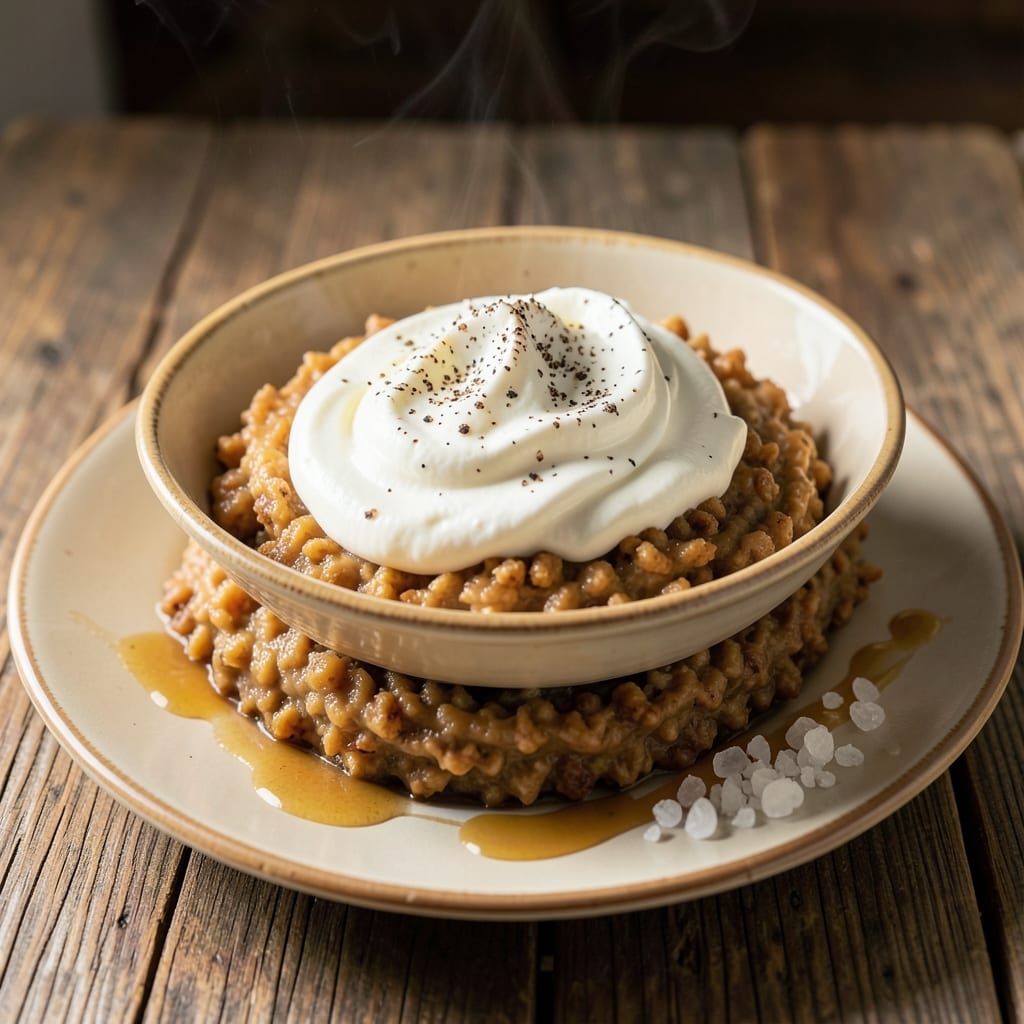
Anson Mills rice grits deliver that velvety, stone-ground texture Southern cooks have perfected for generations—creamy yet distinct, with a subtle nutty depth only heirloom stone-ground grits can achieve. The secret lies in slow simmering and constant stirring, transforming coarse rice into a luxurious porridge that feels like a hug in a bowl. I've cooked these countless times for family gatherings, and the difference between store-bought grits and this version is night and day.
What sets these apart is the use of Anson Mills stone-ground grits, which maintain their natural texture and flavor profile during cooking. Unlike pre-ground grits that can taste flat, these retain their rustic character while achieving that signature creamy consistency. The process is simple but requires patience—no shortcuts here. You'll need just three core ingredients to build the foundation, with butter and salt serving as the flavor anchors.
By the time you're done, you'll have a bowl of silky-smooth grits with just the right bite, ready to be elevated with sharp cheddar, crispy bacon, or fresh fruit. The texture should be thick enough to coat a spoon but still glide effortlessly, with no graininess or sliminess. This is comfort food at its finest—a dish that pairs beautifully with everything from fried chicken to seafood.
The best part? These grits reheat perfectly, making them ideal for meal prep. Serve them as a side, breakfast staple, or even a base for savory bowls. Here's exactly how to achieve that authentic Southern texture in your own kitchen.
Ingredients for anson mills rice grits
Three core ingredients transform coarse rice into velvety Southern comfort—stone-ground grits, butter, and salt.
| Ingredient | Amount | Notes |
|---|---|---|
| Anson Mills Stone-Ground Rice Grits 🌾 | 1 cup | Uncooked, heirloom stone-ground |
| Unsalted Butter 🧈 | 4 tbsp | Cold, cut into small cubes |
| Diamond Crystal Kosher Salt 🧂 | 1 ½ tsp | Fine grain preferred |
| Water 💧 | 4 cups | Filtered or spring water |
| Heavy Whipping Cream 🥛 | ½ cup | Optional, for extra richness |
| Freshly Ground Black Pepper 🌶️ | ¼ tsp | Freshly cracked for best flavor |
| White Vinegar 🍶 | 1 tbsp | For subtle tang (optional) |
| Sharp White Cheddar Cheese 🧀 | ½ cup | Shredded, for serving |
| Crispy Bacon 🥓 | 4 oz | Chopped, for serving |
| Freshly Sliced Peaches 🍑 | 1 cup | For serving (optional) |
Anson Mills stone-ground grits are the heart of this recipe—never substitute instant or pre-ground grits. You'll find them at specialty stores like Whole Foods or online at Anson Mills' website, where they're sold in 1-pound bags. The texture is coarse and rustic, which is exactly what gives these grits their signature bite. If you can't find them, Bob's Red Mill stone-ground grits work in a pinch, though the flavor won't be identical. Look for bags that say 'heirloom' or 'stone-ground'—those are the ones that deliver that nutty depth. The grits should smell fresh and slightly nutty, not stale or musty. Store unopened bags in a cool, dark pantry for up to 12 months—once opened, transfer to an airtight container.
Butter is non-negotiable here—unsalted, cold, and cubed for even melting. I always use Plugrá or Land O'Lakes because they're consistent, but any good-quality unsalted butter will work. No butter? Olive oil or coconut oil can substitute at half the amount, though the flavor will shift slightly. The cream is optional but worth it for that restaurant-quality richness—Whole Foods 365 or Organic Valley are my go-tos. For the salt, Diamond Crystal kosher salt dissolves perfectly, but Morton works too. Freshly ground black pepper adds a subtle kick that balances the creaminess. The vinegar is a secret weapon—just a splash to brighten the flavor without overpowering.
These grits reheat beautifully—simply add a splash of water or milk and stir over low heat until creamy. Store leftovers in the fridge for up to 5 days, covered tightly to prevent drying. For meal prep, I like to portion them into individual containers with a pat of butter on top—just reheat with a splash of water. Freeze for up to 3 months by spreading on a tray to freeze solid, then transferring to a bag. The cheddar, bacon, and peaches are just for serving—keep them separate until ready to eat. The grits alone are delicious, but these toppings take them to another level.
Why You'll Love This Recipe
- Five-Ingredient Magic: I swear, this recipe is the kind of thing that makes you question why you ever bought instant grits. Just those five ingredients—stone-ground rice, butter, cream, salt, and water—simmered together until it’s velvety and rich. No fancy techniques, no measuring cups that require a magnifying glass.
- Creamy Luxe Texture: Between us, I’ve never had grits this smooth. The Anson Mills rice breaks down just enough to give it that luxurious mouthfeel, while the heavy cream adds a buttery richness that’s almost decadent. (Yes, even on a Tuesday night.)
- Weeknight Workhorse: This is my go-to when I need something comforting but don’t want to slave over it. Double the batch on Sunday, reheat it all week—it’s perfect under fried chicken, alongside eggs, or just as a side. Honestly, I’ve eaten it cold for breakfast and no one batted an eye.
- Budget-Friendly Indulgence: A bag of Anson Mills grits stretches forever, and a stick of butter lasts through multiple batches. You’re basically getting restaurant-quality comfort for pennies. My college self would’ve cried happy tears over this.
Step-by-step instructions for Anson Mills rice grits
Here's how to transform coarse stone-ground grits into a velvety, Southern-inspired masterpiece.
Toast the Grits for Depth of Flavor
Heat a heavy-bottomed saucepan over medium heat and add the 1 cup Anson Mills Stone-Ground Rice Grits. Toast them for 2-3 minutes, stirring constantly with a wooden spoon until they develop a nutty aroma and turn a deeper golden color. This step builds complex flavors that you won't get from raw grits.
Watch closely—the grits should smell toasty but not burned. If they darken too quickly, reduce the heat slightly. The grits will expand slightly during toasting, which is normal. This process also helps break down some of the starches for a smoother final texture. Don't skip this step—it's what transforms ordinary grits into something extraordinary.
Cook with Butter and Water for Richness
Reduce the heat to low and add the 4 tablespoons unsalted butter and 4 cups water to the saucepan. Stir once to combine, then bring to a gentle simmer. Here's the thing—you want the water to bubble very gently, just enough to create small ripples on the surface. Too vigorous a boil will make the grits mushy.
Let the mixture simmer uncovered for 30-40 minutes, stirring occasionally with a wooden spoon. You'll notice the grits gradually break down and thicken into a creamy consistency. The butter will melt completely and create a rich, golden sauce. If the grits seem too thick before they're fully cooked, add 1-2 tablespoons water at a time until you reach the desired creaminess.
Season and Finish with Vinegar
Once the grits have thickened to your preferred consistency (they should coat the back of a spoon), remove the pan from heat. Stir in the 1.5 teaspoons Diamond Crystal Kosher Salt, 0.25 teaspoon freshly ground black pepper, and 1 tablespoon white vinegar. The vinegar adds a subtle tang that brightens all the rich flavors.
For extra richness, stir in the 0.5 cup heavy whipping cream now. This step is optional but recommended if you want that luxurious, restaurant-quality texture. Let the grits sit off heat for 5 minutes to thicken slightly more. Taste and adjust seasoning—you might need a bit more salt or pepper depending on your preferences. The grits should be creamy, flavorful, and perfectly seasoned.
Serve with Toppings for Texture and Contrast
Transfer the grits to serving bowls and top each portion with 1 ounce chopped crispy bacon and 0.25 cup shredded sharp white cheddar cheese. For a touch of freshness and summer flavor, add 0.25 cup freshly sliced peaches on top. The bacon adds smoky crunch, the cheese brings salty sharpness, and the peaches provide a bright, juicy contrast.
Here's where it gets fun—let everyone customize their bowls. Some might prefer extra cheese, others might add a drizzle of hot honey or a sprinkle of fresh herbs. The beauty of this dish is its versatility. Serve immediately while the grits are hot and creamy, and the toppings are crisp. The combination of textures and flavors makes every bite satisfying and balanced.
Pro Tips For Making Anson Mills Rice Grits
- STIR CONSTANTLY AT FIRST: The first 5 minutes are where grits make or break—don’t walk away. Stone-ground rice needs aggressive stirring to prevent clumping, and skipping this step turns your creamy dream into a gluey mess. I learned this the hard way when I answered a phone call mid-cook.
- USE COLD WATER: Hot water might seem faster, but you’ll end up with gummy grits. Start with cold water (about 4 cups per 1 cup grits) and let the heat build naturally—this ensures even cooking and that signature smooth texture. Trust me, your future self will notice the difference.
- SALT THE WATER: Diamond Crystal kosher salt dissolves differently than table salt—add it to the water before cooking, not just at the end. This guarantees even seasoning throughout, especially since unsalted butter won’t carry all the flavor. (Yes, even if you’re impatient like me.)
- FINISH WITH CREAM OFF HEAT: Adding heavy whipping cream while the grits are still hot can turn them greasy. Let the grits cool slightly (just until they’re warm, not cold), then stir in the cream and butter off the heat. This keeps the texture velvety, not oily. Sounds weird, but it works.
Regional styles of these flavors
Southern Classic
This recipe is rooted in traditional Southern cooking, where grits have been a breakfast staple since colonial times. The slow-cooked, buttery version you're making here is inspired by Georgia and the Carolinas, where stone-ground grits were a pantry staple before cornmeal became more common. The key difference from modern quick grits is the texture—these should have a slight bite, not be completely smooth. 🌾
Lowcountry Twist
In South Carolina's Lowcountry, grits often get a seafood twist—try adding shrimp or crabmeat to your finished grits for a coastal-inspired dish. I like to fold in ½ pound cooked shrimp with a pinch of Old Bay seasoning right before serving. The briny shrimp cuts through the richness beautifully, making this perfect for a brunch spread.
Texas-Style Adaptation
Texans take their grits seriously, often serving them as a main dish with hearty toppings. For a Texas-style version, swap the peaches for crispy fried chicken and sautéed mushrooms. Add a dollop of sour cream and a sprinkle of green onions for freshness. The contrast of crispy chicken against the creamy grits is pure comfort food.
Breakfast-to-Dinner Versatility
Southern cooks don't just eat grits for breakfast—this dish works as a side for fried chicken, a base for shrimp and grits, or even a hearty dinner with smoked sausage and collard greens. The beauty is in its adaptability. For a dinner version, increase the butter to 6 tablespoons and add 1 cup chicken broth instead of water for deeper flavor.
Modern Fusion Idea
For a contemporary twist, try adding avocado slices and everything bagel seasoning for a brunch-worthy bowl. The creamy avocado pairs perfectly with the grits' texture, while the seasoning adds a savory crunch. This version works especially well with poached eggs on top for a restaurant-quality dish. 🥑
Holiday Elevation
During the holidays, Southern families often serve grits as a side dish with ham or turkey. For a festive touch, stir in ½ teaspoon ground nutmeg and top with crispy candied pecans. The nutmeg adds warmth, while the pecans bring sweetness and crunch—perfect for Thanksgiving or Christmas mornings when you want something special but familiar.
Nutrition facts
Frequently asked questions
Why do Anson Mills rice grits need toasting?
Toasting the grits first develops their natural nutty flavor and prevents a raw taste in the final dish. The 2-3 minute toasting step also helps break down starches for a smoother texture while maintaining that signature slight bite. Skipping this step results in grits that taste flat and underdeveloped.
Can I make these grits without butter?
Yes, but the flavor will be noticeably different. Use ½ the amount of olive oil or coconut oil (2 tbsp) instead, though the texture may be slightly less rich. For a dairy-free version, add 1 tbsp nutritional yeast after cooking for a cheesy depth. The butter's fat content is key to achieving that authentic Southern creaminess.
How do I fix grits that turned out too thick?
Simply stir in 1-2 tablespoons warm water or milk while off heat and let sit for 2-3 minutes to thicken again. If the grits are still too thick after cooking, reduce the liquid by ¼ cup next time. Never add cold liquid directly to hot grits—it can cause lumps. The ideal consistency should coat the back of a spoon but still be pourable.
What's the best way to store leftover grits?
Let grits cool completely, then store in an airtight container in the fridge for up to 5 days. For reheating, add 1-2 tablespoons water or milk per cup and stir over low heat until creamy. Freeze for up to 3 months by spreading on a tray first to prevent clumping. The texture may become slightly grainier after freezing, but reheating with extra liquid restores creaminess.
Can I substitute Anson Mills grits with regular grits?
Regular instant grits won't give the same texture or flavor. For closest results, use Bob's Red Mill stone-ground grits—they have a similar coarse texture. Instant grits cook in 5 minutes but lack the nutty depth and require more stirring to prevent clumping. The stone-ground version's rustic character is what makes these grits special.