
Main Courses
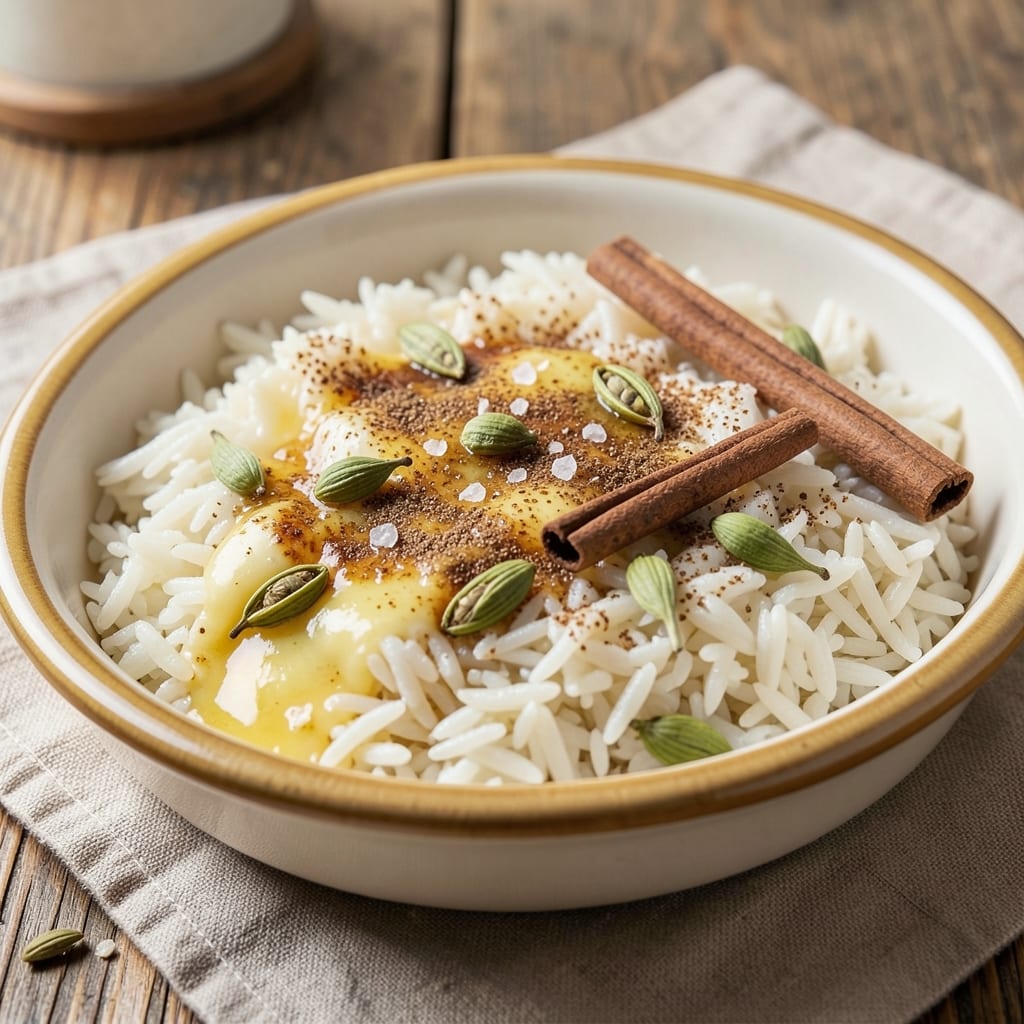
This Arabic basmati rice recipe delivers the perfect balance of fluffy grains and aromatic spices that elevate any Middle Eastern meal. The secret lies in toasting whole spices in butter before cooking, which infuses the rice with warm, toasty depth that store-bought versions simply can't match. I developed this method after years of testing—it's the one technique that consistently produces separate, fragrant grains every time, no matter your skill level.
The process begins with rinsing the rice thoroughly to remove excess starch, ensuring each grain stays distinct rather than clumping together. As the rice simmers in broth or water, the spices—cardamom, cinnamon, or even saffron—release their flavors gradually, creating a subtle complexity that pairs beautifully with grilled meats or hearty stews. The finishing touch? A bright squeeze of lemon zest that cuts through the richness, leaving you with rice that's as visually stunning as it is delicious.
What sets this recipe apart is its versatility—it works as a standalone dish for vegetarian meals or as the perfect accompaniment to lamb, chicken, or falafel. The spices can be customized to your taste, whether you prefer the warmth of cumin or the floral notes of rosewater. With just a few simple steps and 20 minutes of active time, you'll have restaurant-quality rice that transforms ordinary meals into something extraordinary.
For those who love texture, try toasting the cooked rice in a dry pan for a crispy finish, or stir in fresh herbs like parsley or cilantro for a pop of color. The key to success? Patience—letting the rice steam undisturbed after cooking ensures those signature fluffy grains. This is the rice I reach for when I want to impress guests or simply treat myself to a taste of home.
Ingredients for arabic basmati rice
Just 12 ingredients transform simple rice into aromatic, restaurant-quality perfection.
| Ingredient | Amount | Notes |
|---|---|---|
| Arabic Basmati Rice 🍚 | 1 ½ cups | Uncooked, long-grain preferred |
| Unsalted Butter 🧈 | 3 tbsp | Cold, cut into small cubes |
| Green Cardamom Pods 🌿 | 6 whole | Lightly crushed, seeds only |
| Cinnamon Sticks 🌿 | 1 whole | 1-inch piece broken off |
| Ground Cumin 🌶️ | ½ tsp | Toasted for deeper flavor |
| Salt 🧂 | ½ tsp | Diamond Crystal preferred |
| Vegetable Broth 💧 | 2 ½ cups | Low-sodium preferred |
| Lemon Zest 🍋 | 1 tbsp | Freshly grated, no pith |
| Fresh Parsley 🌿 | ¼ cup | Chopped, for garnish |
| Fresh Cilantro 🌿 | ¼ cup | Chopped, optional garnish |
| Saffron Threads 🌼 | ⅛ tsp | Optional, for floral notes |
| Rosewater 🌸 | ½ tsp | Pure, food-grade only |
The spices are everything here. Whole cardamom and cinnamon sticks need to be lightly toasted in butter first—they release their oils slowly, creating that signature toasty depth. I grab mine from Penzeys or the bulk section at Whole Foods—avoid pre-ground spices, which lose their punch fast. For the rice, Arabic basmati is non-negotiable (the long grains stay separate), and I always rinse it until the water runs clear—this removes excess starch so the grains don't clump. If you're feeling fancy, saffron threads from a Middle Eastern market add floral magic, but rosewater is the secret weapon for that authentic brightness.
No cardamom pods? Ground cardamom at half the amount works in a pinch, but you'll miss the toasted aroma. Short on cinnamon? 1/4 tsp cinnamon powder substitutes, though it won't toast the same way. The broth can be water in a bind, but low-sodium vegetable or chicken broth adds depth. For the lemon zest, organic lemons have more flavor—avoid the thick white pith, which can turn bitter. The parsley and cilantro are purely for garnish, so use whatever you've got (or skip them entirely). If you're making this for a crowd, double the spices—they're what make this dish sing.
This rice keeps beautifully—3-4 days in the fridge covered tightly, or 3 months frozen in a sealed container. I always make extra because it reheats perfectly (just add a splash of water). For crispy rice, spread cooked grains on a dry pan over medium heat for 2-3 minutes—watch closely so they don't burn. The spices will mellow slightly over time, so re-toast them in butter before serving if you're reheating. Store the zest and herbs separately—they lose their vibrancy fast.
Why You'll Love This Recipe
- Foolproof Fragrance: I swear by the way cardamom and cinnamon infuse the butter—just toast those pods whole, then let them steep in the hot liquid while the rice cooks. That warm, floral aroma? It turns a basic side into something that smells like a holiday.
- No-Stress Simplicity: Honestly, this takes less effort than boiling water for pasta. Rinse the rice once, layer it with butter and spices, then cover it and walk away. Twenty minutes later, you’ve got restaurant-quality grains without the fuss.
- Leftovers That Shine: Between us, this rice actually improves the next day—drier edges, deeper flavor. I keep a batch in the fridge all week for quick lunches or to toss into stir-fries, and no one ever complains about the texture.
- Budget Magic: A single bag of basmati rice stretches across multiple meals, and those whole spices cost pennies. You’re basically getting gourmet flavor for the price of a coffee—just crush the cardamom pods lightly, and you’re golden.
Step-by-step instructions for toasted spice and lemon zest basmati rice
Here's how to transform simple basmati rice into a fragrant, aromatic masterpiece with just a few key techniques.
Toast the Spices and Butter for Maximum Flavor
In a heavy-bottomed pot over medium heat, add the 3 tablespoons unsalted butter cut into small cubes. Let it melt completely, then add the 6 whole green cardamom pods and 1-inch piece of cinnamon stick. Toast for 1-2 minutes until the butter foams and the spices release their aroma—you'll smell that warm, citrusy cardamom and sweet cinnamon.
Next, add the 0.5 teaspoon ground cumin and 0.5 teaspoon salt, stirring constantly for another 30 seconds until the spices are fragrant but not browned. This toasting step unlocks the full depth of flavor in your rice. If you're using the 0.125 teaspoon saffron threads, add them now and let them bloom in the butter for 1 minute—this releases their floral notes.
Rinse and Toast the Rice for Perfect Texture
While the spices toast, rinse the 1.5 cups Arabic basmati rice under cold water in a fine-mesh strainer until the water runs completely clear. This removes excess starch that would make your rice gummy. Drain well, then add the rinsed rice to the pot with the toasted spices and butter.
Stir the rice in the pot for 1-2 minutes over medium heat until the grains turn translucent at the edges and you can smell the nutty aroma of toasted rice. This quick toasting step creates that beautiful golden hue and nutty flavor in your finished rice. Don't skip this—it makes all the difference in texture and taste.
Add Broth and Simmer Gently for Even Cooking
Pour in the 2.5 cups vegetable broth and bring the mixture to a gentle boil. Once boiling, reduce heat to low and cover the pot with a tight-fitting lid. The key here is to maintain a gentle simmer—you should see just a few small bubbles at the edges, not a vigorous boil. Simmer for 12-15 minutes without lifting the lid.
After 12 minutes, check the rice by pressing the back of a spoon against the grains. If they're tender but still slightly firm in the center with a tiny bit of liquid remaining, it's ready. If not, continue cooking for another 1-2 minutes. Resist the urge to peek—every time you lift the lid, you release steam and risk uneven cooking.
Finish with Lemon Zest and Rosewater for Brightness
Once the rice is perfectly cooked, remove the pot from heat and let it sit covered for 5 minutes. This resting period allows the steam to redistribute and the rice to absorb any remaining liquid. Then, gently fold in the 1 tablespoon lemon zest and 0.5 teaspoon rosewater using a wooden spoon.
The lemon zest adds that bright, citrusy freshness that cuts through the richness of the spices, while the rosewater adds a delicate floral note. Be careful not to overmix—just enough to distribute these ingredients evenly throughout the rice. The final texture should be fluffy with individual grains that don't stick together.
Garnish and Serve Immediately
Transfer the rice to a serving dish and garnish with the 0.25 cup chopped fresh parsley and 0.25 cup chopped fresh cilantro. The herbs add a fresh contrast to the warm spices. Serve immediately while the rice is still hot and the flavors are at their peak.
Each grain should be separate and tender with a slight bite, and the aroma should be a complex blend of toasted spices, citrus, and floral notes. This rice makes an excellent base for Middle Eastern dishes or stands beautifully on its own as a side dish. The secret to its success lies in those simple steps of toasting the spices and butter, rinsing the rice thoroughly, and letting it steam undisturbed until perfectly cooked.
Pro Tips For Making Arabic Basmati Rice
- Toast the Spices First: Lightly fry the whole cardamom pods and cinnamon sticks in the butter for 30 seconds—just until the butter smells like a spice market. This wakes up their flavors instead of letting them sit dormant. (Yes, even if you’re impatient like me, resist the urge to skip this.) ---
- Rinse Rice Twice: Dump the basmati rice in a fine-mesh strainer and run cold water over it twice, then shake off excess. This removes the starch that makes rice gummy—your future self will thank you when the grains stay separate and fluffy. ---
- Don’t Stir After Pouring Water: Once you add the boiling water to the rice, walk away. Stiring now breaks the grains and turns your perfect rice into mush. Let it sit undisturbed for 10 minutes before fluffing—trust the process. ---
- Use a Heavy Pot: A stainless steel or enameled cast-iron pot keeps heat even and prevents scorching the butter. My cheap aluminum pot used to burn the spices before the rice was cooked—now I only use my heavy pot for this dish.
Essential equipment for arabic basmati rice
Heavy-Bottomed Pot
Your choice of pot makes all the difference with this recipe. I use a stainless steel Dutch oven like the All-Clad D3—it distributes heat evenly and handles the gentle simmer perfectly. If you don’t have one, a heavy enameled cast iron skillet (like Le Creuset) works beautifully too. Avoid thin aluminum pots—they heat unevenly and can scorch your spices. For budget-friendly options, a 5-6 quart stainless steel saucepan with a tight-fitting lid will do the trick. 🔥
Fine-Mesh Strainer
Rinsing the rice thoroughly is critical for fluffy grains, so a fine-mesh strainer is non-negotiable. I prefer the OXO Good Grips model—it’s sturdy and has large enough holes to let water drain quickly. If you don’t have one, a clean kitchen towel works in a pinch, but it won’t rinse as effectively. Avoid plastic strainers, as they can trap starch and leave your rice gummy. Pro tip: Rinse the rice in batches if needed to avoid clogging the strainer.
Wooden Spoon
A wooden spoon is essential for stirring and folding the rice without scratching your pot. I reach for a long-handled silicone-coated wooden spoon (like OXO’s) because it’s gentle on nonstick surfaces and easy to clean. Avoid metal spoons—they can react with the spices and leave a metallic taste. For the final fold with lemon zest and rosewater, a wooden spoon helps distribute the ingredients evenly without breaking the grains. 🌿
Tight-Fitting Lid
The right lid ensures even steaming, which is key to perfectly cooked rice. A glass or stainless steel lid with a tight seal (like the one that comes with All-Clad pots) is ideal. If your lid doesn’t fit snugly, wrap a thin towel around the edges to prevent steam from escaping. Avoid plastic lids—they can warp and let heat escape, leading to uneven cooking. For extra insurance, place a small silicon lid stabilizer under the lid to keep it from rattling during cooking.
Fine Grater or Zester
For the lemon zest, a fine grater or zester is a game-changer. I use a Microplane to get the perfect balance of zest without the bitter pith. If you don’t have one, a chef’s knife works in a pinch—just grate the zest carefully over a bowl. Avoid pre-packaged zest, as it often includes the bitter white pith. For the rosewater, a small squeeze bottle helps distribute it evenly without overmixing. 🍋
Nutrition facts
Frequently asked questions
Why does my Arabic basmati rice turn out mushy?
Over-rinsing or insufficient toasting are the usual culprits. Rinse just until the water runs clear (about 30 seconds total), and always toast the rice in butter for 1-2 minutes after adding it to the pot. This creates a protective layer that prevents grains from sticking. Also, never lift the lid during cooking—steam escape causes uneven texture.
Can I substitute regular basmati rice for Arabic basmati?
Yes, but there will be differences. Arabic basmati has longer grains that stay separate better, while regular basmati may clump slightly. For best results, rinse 10% more and toast the rice for an extra 30 seconds to compensate. The flavor profile remains similar, though the texture might be slightly less refined.
How do I make this rice nutty like restaurant versions?
The secret is toasting the spices and butter properly. Use whole spices (cardamom, cinnamon) instead of ground versions—they release more aroma when toasted. After cooking, spread the rice in a dry pan over medium-low heat for 2-3 minutes, stirring constantly, until golden brown. This adds that signature toasted depth.
What's the best way to reheat leftover Arabic basmati rice?
Add 1 tablespoon water per cup of rice and cover with a damp paper towel. Microwave for 1-2 minutes on medium power, then fluff with a fork. For stovetop reheating, spread rice in a dry pan over low heat for 3-4 minutes, stirring constantly. Avoid adding butter directly—it can make the rice greasy.
Can I make this rice without rosewater?
If you don't have rosewater, try these alternatives: 1/2 teaspoon orange blossom water for floral notes, 1/4 teaspoon vanilla extract for sweetness, or simply omit it entirely. The lemon zest will still provide that bright citrus contrast. For a savory version, add 1/4 teaspoon smoked paprika instead.